
Resumen
Cantine Aperte, known internationally as Open Wine Cellars, is the most important wine tourism event in Italy and the flagship initiative of Movimento Turismo del Vino. Since its creation in 1993, the festival has transformed a single Sunday into a nationwide celebration where close to 1,000 selected member wineries open their doors to millions of enthusiasts, travelers, families and professionals to discover wine culture directly on site.
The concept is simple and powerful. Wineries that are normally accessible only by appointment welcome everyone without the need for a private tour booking. Visitors can walk into historic cellars, tour vineyards, talk directly with winemakers and owners, taste current releases and rare reserves, and buy bottles straight from the producer. The event takes place simultaneously in all 20 Italian regions, from the alpine valleys of Aosta and Trentino-Alto Adige to the volcanic slopes of Etna in Sicily, creating a countrywide wine party that is both local and national.
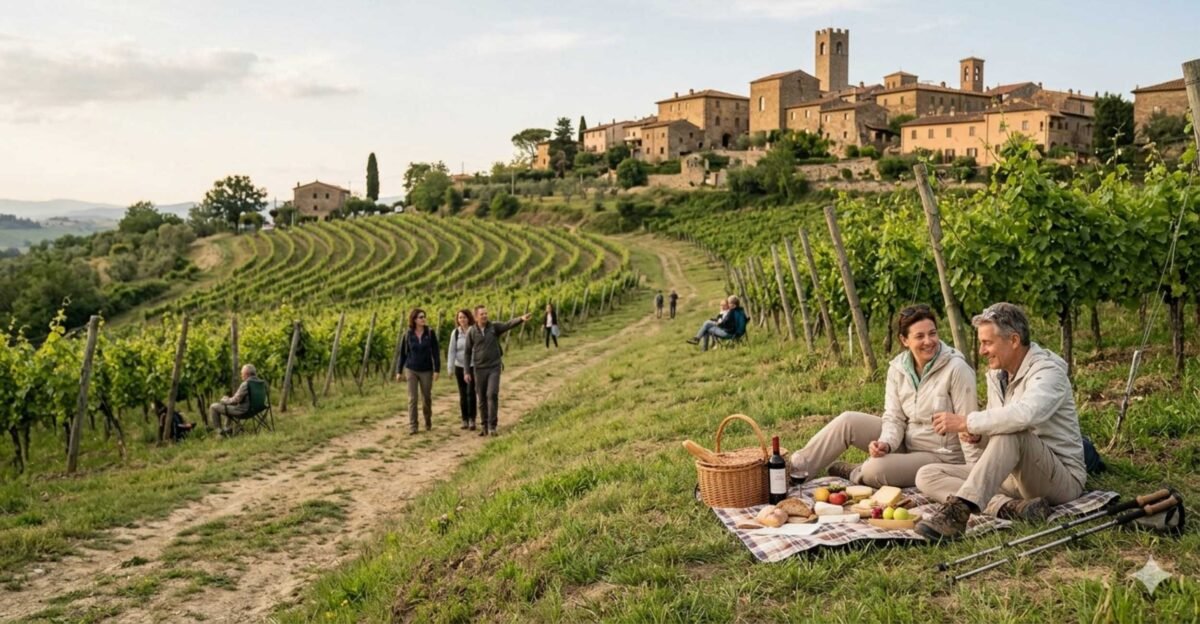
For 2027, the organization is expected to maintain its classic format with extended programming. The core experience remains free-flowing tastings, cellar visits, vineyard walks and educational moments, complemented by regional food pairings, live music, art exhibitions, picnics among the vines and family-friendly activities. It is not a centralized fair in one city, but a distributed festival where each participating winery becomes a mini-festival on its own.
Disfruta de tu evento sin estrés con Italy Travelo
Tanto si viajas para un festival de fama mundial, concierto en vivo, celebración cultural o evento de negocios, Italy Travelo te ayuda a simplificar cada paso de tu viaje. Nuestro equipo ofrece asistencia personalizada para viajar, permitiéndote centrarte en crear recuerdos duraderos.
¿Qué hace especial a este evento gastronómico?
A National Institution Since 1993: Cantine Aperte has been the most important wine tourism event in Italy since 1993. It was the first event to codify wine hospitality as a quality standard and it continues to set the model for enoturismo across the country.
Direct Producer Contact: Unlike large trade fairs, you meet the people who actually grow the grapes and make the wine. Owners and winemakers themselves pour, explain terroir, vintage differences and cellar techniques, creating a level of authenticity that is impossible to replicate in a tasting room in a city.
All 20 Regions Participate: From Barolo in Piedmont to Negroamaro in Puglia, from Chianti Classico in Tuscany to Marsala in Sicily, every wine region participates with its own indigenous grapes. Italy is home to over 2,000 grape varieties, and Cantine Aperte is designed to help you taste beyond what you find in supermarkets.
More Than Wine: Each winery adds its own cultural layer. Expect guided food pairings with local cheeses, salumi and breads, full farm lunches, open-air concerts, photography exhibits in barrel rooms, yoga in the vineyard, e-bike tours, and children’s workshops about grapes and nature.
Accessible To Everyone: The event is open to everyone, with no reservations required at many estates, and perfect for couples, singles, and even families. It attracts Italians as well as international visitors, making it a genuine cultural exchange as much as a tasting.
Comida, gastronomía y especialidades
Regional Pairing Focus: Food is never an afterthought at Cantine Aperte. Wineries partner with local farms to offer pairings that reflect the territory. In Tuscany, expect pecorino cheeses aged in different caves, finocchiona, crostini with chicken liver, and ribollita. In Piedmont, hazelnuts from the Langhe, tuma cheeses, carne cruda and white truffle preparations when in season.
Vineyard Picnic Culture: Many estates set up picnic areas with baskets that include focaccia, seasonal vegetables, cured meats like prosciutto di Parma and speck, and fruit tarts. The idea is to stay, eat, and taste slowly under the sun.
Street Food And Farm Lunches: In southern regions like Campania and Puglia, wineries offer complete lunches for around $10 to $15 USD, often featuring orecchiette with turnip tops, grilled sausages, panzerotti, fried olives ascolane, and wood-fired breads. These lunches are served on terraces overlooking vineyards and are designed to show how local wine works at the table.
Dessert And Sweet Wines: The experience extends to Vin Santo, Passito, Moscato d’Asti and Marsala paired with cantucci, hazelnut cakes, pastiera, and chocolate made with wine must.
Olive Oil And Balsamic: Because many wineries also produce extra virgin olive oil, aged balsamic vinegar, honey and preserves, tastings often include oil flights with warm bread to highlight the connection between viticulture and wider agriculture.
Chefs, restaurantes y vendedores de alimentos
Winery Chefs And Agriturismo Kitchens: Most food is prepared by the winery’s own agriturismo team or by guest chefs from the region. You will not find a single central vendor list, because each participating winery curates its own partners. This decentralization is intentional, giving visibility to small producers.
Local Producers In The Cellar: Expect small stations run by local cheesemakers, salumifici, bakers and artisan pasta makers. In Chianti, it might be a family producing pecorino and ricotta. In Emilia-Romagna, producers of Parmigiano Reggiano and traditional balsamic.
Pop-Up Collaborations: In recent editions, prestigious regional chefs have been invited to create special tasting menus inside historic wineries. These are often announced by each regional delegation of Movimento Turismo del Vino closer to the event.
Food Trucks And Festival Atmosphere: Larger estates, particularly in Tuscany, Veneto and Lombardy, host local food trucks offering porchetta sandwiches, fried gnocco, arancini, farinata and gelato.
Wine Shop Sales: Every winery operates a direct sale point where you can purchase bottles at cellar prices, often with event-only discounts and mixed cases curated for Cantine Aperte.
Experiencia gastronómica
Guided Tasting Flights: The standard experience is a walk-through tasting of 4 to 8 wines, starting with fresh whites and rosés, moving to structured reds and finishing with sweet wines. Winemakers explain the soil, altitude, harvest choices and aging in steel, cement or oak barrels.
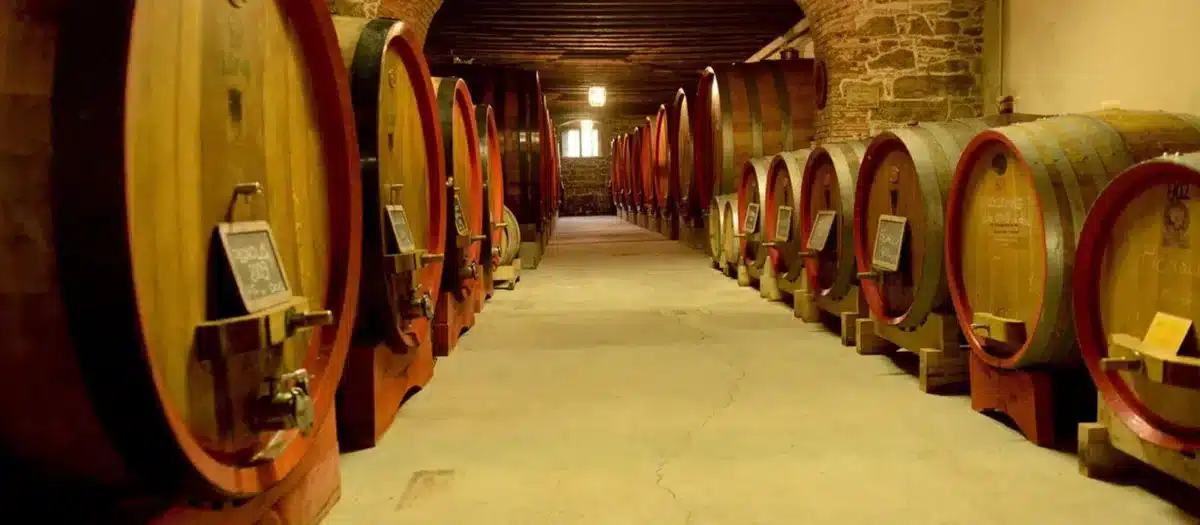
Cellar And Vineyard Tours: Visitors can enter the cellars to discover the secrets of winemaking, from fermentation vats to barrique cellars carved into tuff or limestone. Many tours include a short walk in the vineyard to see training systems like Guyot and pergola.
Hands-On Workshops: Popular formats include blending your own Sangiovese or Nebbiolo cuvée, learning to sabrage sparkling wine, sensorial workshops on aromas, and classes on how to pair wine with cheese or chocolate.
Picnics And Sunset Aperitivi: Bring a blanket or use the winery’s tables. Many estates organize sunset aperitivi with live acoustic music, allowing you to taste while watching the light change over rolling hills.
Family And Beginner Friendly: Most wineries offer grape juice for children, non-alcoholic pairings, and educational tours about bees, biodiversity and organic farming. The atmosphere is convivial rather than formal, with groups milling around winery grounds beneath the warm sun.
Fecha y calendario
Fechas del evento: mayo de 2027 (fechas por determinar)
Typical Schedule: Based on previous editions, wineries open their doors at 10:00 AM and tastings run until 6:00 PM to 7:00 PM, with a few estates staying open until 9:00 PM with food and live music. The official schedule for 2027 with the full list of participating wineries by region will be published by Movimento Turismo del Vino on movimentoturismovino.it in spring 2027.
What To Expect During The Day:
- 10:00 AM – 12:30 PM: Vineyard walks, first tasting flights, cellar tours
- 12:30 PM – 2:30 PM: Food pairing sessions and farm lunches
- 2:30 PM – 5:00 PM: Themed workshops, vertical tastings, and blending sessions
- 5:00 PM – 7:00 PM: Aperitivo time, live music, and sunset tours
¿Vas a visitar este evento? No te pierdas estas increíbles actividades y experiencias locales mientras estés aquí.
Ubicación y sede
Cantine Aperte is not held in a single venue. It is a nationwide open-door event hosted simultaneously in hundreds of wineries that are members of Movimento Turismo del Vino.
The official list covers all 20 regions, including:
- North: Piedmont, Lombardy, Veneto, Trentino-Alto Adige, Friuli-Venezia Giulia, Valle d’Aosta, Liguria
- Center: Tuscany, Umbria, Marche, Lazio, Abruzzo, Molise
- South And Islands: Campania, Puglia, Basilicata, Calabria, Sicily, Sardinia
Each regional delegation publishes its own map and list. You choose a base area, such as Chianti, Langhe, Valpolicella, Collio, Montepulciano, or Etna, and visit 2 to 4 wineries in that cluster in one day. Wineries fill the countryside with signs directing wine lovers to their estates, and tourist offices often provide printed Cantine Aperte maps.
Cómo llegar al evento
En coche: Renting a car is the most flexible option and the method recommended by regular visitors. It allows you to visit rural estates that are not served by public transport. Reserve well in advance, as it is a popular weekend. Designate a driver or use spit buckets, as tastings are generous.
By Train And Local Shuttle: For famous areas like Chianti, you can take a train to Florence, Siena, Alba, Asti, Verona or Lecce, then rent a car locally or use regional buses. Some regional consortia organize shuttle buses connecting multiple wineries on the event day.
On Foot Or By Bike: In compact wine zones like Chianti Classico, Montalcino, or Soave, many visitors park in a central village and cycle or walk between nearby estates. E-bike rentals are widely available.
Organized Tours: Local tour operators in Florence, Milan, Naples and Palermo run Cantine Aperte minivan tours that include 2 wineries, lunch and transport. These are useful if you prefer not to drive.
Tip For Navigation: Choose a few wineries in a small area and make a Google map that locates the wineries you will be visiting, or pick up a map at the first winery you visit.
Dónde alojarse cerca
Because the event is everywhere, base your stay on the wine region you want to explore.
Toscana: Stay in Florence, Siena, Greve in Chianti or Montalcino. Florence is less than 45 minutes from Chianti’s dramatic south-facing slopes, and offers the widest hotel selection. Agriturismi in the countryside offer rooms among vineyards with breakfast included.
Piamonte: Stay in Alba or Asti, both located in the heart of wine country. Book early, as this event is very popular in the region. Boutique hotels in Barolo and La Morra provide walking access to several cellars.
Véneto: Base yourself in Verona for Valpolicella and Soave, or in Conegliano for Prosecco hills.
Puglia: Rent a car in Lecce or Taranto, two major cities on either side of Salice Salentino. Masserie, traditional fortified farmhouses converted to hotels, offer a unique local stay.
Sicilia: For Marsala and Etna, stay in Marsala, Trapani or Catania. Many wineries like Donnafugata have historic estates near the coast.
Expect rates to be higher for that weekend. Agriturismo stays often require a two-night minimum and include vineyard views, pools and home-cooked dinners.
Cosas que hacer antes o después del evento
Explore Wine Roads: Italy’s Strade del Vino are marked routes connecting wineries, villages and viewpoints. Drive the Chiantigiana, the Barolo wine road or the Strada del Prosecco.
Visit Historic Towns: Pair tastings with cultural visits. In Tuscany, visit San Gimignano, Pienza and Montepulciano. In Piedmont, visit the Castle of Grinzane Cavour, Barolo Wine Museum and Alba’s truffle market. In Puglia, visit Alberobello and Ostuni.
Cooking Classes: Many agriturismi offer classes on fresh pasta, focaccia, or pastry using wine must. These usually run the day before or after Cantine Aperte.
Hiking And Nature: Vineyards are often located in protected landscapes. In Langhe-Roero, Trentino and Etna, marked trails connect villages through vines, hazelnut groves and forests.
Other Wine Events: If you extend your trip, look for local sagre, farmers markets and the Movimento Turismo del Vino’s other annual events like Calici di Stelle in August, Cantine Aperte in Vendemmia in September, and Cantine Aperte a San Martino in November.
Restaurantes y comida local que debes probar
Since Cantine Aperte is spread across Italy, use it as a chance to eat regionally.
In Chianti And Central Tuscany: Try bistecca alla fiorentina, pappa al pomodoro, ribollita, wild boar ragù with pici, and pecorino with chestnut honey. Pair with Chianti Classico and Super Tuscan blends.
In Piedmont: Look for vitello tonnato, tajarin with butter and sage, bagna cauda, brasato al Barolo, and hazelnut cake. Barolo and Barbaresco made from Nebbiolo are the benchmark reds.
In Puglia: Order orecchiette with cime di rapa, fave and chicory, grilled meats, burrata, and pasticciotto for dessert. The local stars are Negroamaro and Primitivo, which is genetically identical to Zinfandel.
In Sicily: Try pasta alla Norma, caponata, couscous alla trapanese, and cannoli. Taste Nero d’Avola, Etna Rosso and sweet Marsala.
General Tip: Wineries that offer complete lunches usually highlight traditional dishes from their immediate surroundings, making your tasting itinerary also a culinary tour.
Información sobre dietas y alergias alimentarias
Vegetarian Options: Most wineries offer vegetarian pairings with cheeses, vegetable spreads, grilled vegetables and focaccia. Agriturismo lunches typically have at least one vegetarian first course.
Vegan Options: Vegan choices are growing, especially in organic and biodynamic estates. Expect vegetable-based antipasti, legume soups and olive oil tastings. Wine itself is usually vegan, but if you avoid animal-based fining agents, ask for certified vegan wines.
Gluten-Free: Many natural pairings are gluten-free, such as cheeses, cured meats, polenta, and rice-based dishes. Bread and pasta stations will contain gluten, so inform the winery at booking if you need gluten-free bread.
Nut Allergies: Piedmont and Sicily use hazelnuts, almonds and pistachios extensively. Desserts and pestos may contain nuts. Always inform staff before tasting.
Communication: Because each winery manages its own food offering, contact the winery directly a few days before if you have severe allergies, celiac disease or other medical dietary needs. Staff are accustomed to accommodating requests when notified in advance.
Información sobre entradas
Cantine Aperte uses a regional model, so pricing varies slightly by area and winery, but follows the pattern of previous editions.
Entry And Tasting Glass: The one-time cost of entry is usually around $5 to $10 USD per winery, and the price includes a wine glass that you can take home. Many estates offer free entry with a small fee for premium flights.
Standard Tastings: Basic tasting flights of 4 to 6 wines typically cost $10 to $25 USD per person, often including a souvenir glass.
Premium Experiences: Guided cellar tours with vertical tastings of older vintages, blending workshops, or vineyard picnics with full lunch range from $25 to $45 USD per person. At prestigious estates such as Donnafugata in Marsala, special programs have been priced at $40 USD for online presale.
Farm Lunches: Full sit-down lunches at wineries usually cost $10 to $30 USD, depending on the menu and wine inclusion.
Booking: While many wineries welcome walk-ins with no reservations required, popular estates in Tuscany, Piedmont and Veneto recommend online reservation, especially for lunch and premium tours. Regional Movimento Turismo del Vino websites publish booking links in spring.
Note: Prices are converted to USD from previous Euro pricing. Final 2027 pricing will be announced by each winery.
Información oficial del evento
Organizador: Movimento Turismo del Vino, a non-profit association founded in 1993, representing about 1,000 of Italy’s most prestigious wineries selected for quality of hospitality.
National Secretariat: Palazzo Comunale, Costa del Municipio, 1 – 53024 Montalcino (Siena), Tel: 0577/847047 – info@movimentoturismovino.it
Página web oficial: https://www.movimentoturismovino.it and regional sub-sites for each region. For international visitors, https://www.winetourism.com/wine-festivals/cantine-aperte-open-wine-cellars/ provides an overview in English.
Other Annual Events By The Same Organizer: Calici di Stelle in August, Cantine Aperte in Vendemmia in September, Cantine Aperte a San Martino in November, and Cantine Aperte a Natale in December.
Social: Follow Movimento Turismo del Vino and regional delegations like MTV Toscana, MTV Piemonte, MTV Friuli Venezia Giulia for announcements.
Vídeo
Ubicación
Preguntas frecuentes
Is Cantine Aperte free to attend?
Most wineries offer free entry to the estate, but tastings are usually paid with a small contribution. In previous editions, the standard format included a tasting glass for $5 to $10 USD that you keep, plus tasting fees for premium flights. Some small family wineries still offer complimentary tastings as a gesture of hospitality, while larger estates with structured tours charge $15 to $45 USD. Checking the regional winery list before you go will show which estates require a ticket and which are free-flow.
Do I need to book in advance for Cantine Aperte?
Walk-ins are accepted at many participating wineries, and the event was historically designed to be open to everyone with no reservations required. However, since the festival attracts over one million visitors nationally and popular estates in Chianti, Barolo and Valpolicella can get very busy, advance booking is strongly recommended for seated lunches, guided cellar tours and premium vertical tastings. Regional Movimento Turismo del Vino sites open bookings about one month before the event and indicate which wineries are free-access and which require reservation.
How many wineries can I visit in one day during Cantine Aperte?
Most visitors comfortably visit two to four wineries per day, depending on distance and whether you book lunch. Wineries typically open at 10 AM and pour until 6 or 7 PM, so planning a morning visit, a long lunch at one estate, and one afternoon estate allows time to enjoy tours, talk with winemakers and avoid rushing. If you base yourself in a compact area like Chianti Classico, Collio or Salice Salentino, estates are only 10 to 20 minutes apart, and signage in the countryside makes navigation easy once you find the first one.
What should I bring and wear to Cantine Aperte?
Wear comfortable closed shoes suitable for cellar floors, vineyard paths and gravel courtyards, and dress in layers as cellars can be cool even on warm days. Bring a hat, sunscreen, water, and a small bag for your tasting glass and purchases. If you plan to buy bottles, bring a protective wine carrier or ask the winery for a shipping box. A designated driver or a plan to spit is essential, and many visitors bring a notebook or use a wine app to record favorites.
Is Cantine Aperte suitable for families and non-drinkers?
Yes, the event is explicitly family-friendly and open to all ages. Many wineries organize grape juice tastings, vineyard scavenger hunts, farm animal visits, art workshops and non-alcoholic pairings with local foods. For non-drinkers, the experience includes cellar architecture, landscape walks, olive oil tastings, cooking demos and cultural events like concerts and exhibitions. Since the focus is on wine culture and territory rather than just drinking, even guests who do not drink wine find the day engaging and welcoming.

Deja una respuesta