
-
grudzień 2, 2026
Data wydarzenia:
-
8 grudnia 2026
Zakończenie wydarzenia:
Czego się spodziewać
Dorico International Film Fest, formerly known as Corto Dorico Film Fest, is one of the most respected short film festivals in Italy, with a continuous history since 2004 and a strong identity rooted in the city of Ancona. The festival is co-organized by the Nie Wiem Association and the Municipality of Ancona with the support of the Marche Region, the Italian Ministry of Culture, and more than thirty public and private partners, and it is a member of AFIC – Associazione Italiana Festival Cinematografici. The artistic direction is co-led by Daniele Ciprì and Luca Caprara, two figures who have shaped the festival into a place where short cinema is treated with the same curatorial seriousness as feature cinema.
The festival is conceived as a nine-day immersive programme that expands throughout the year with workshops, school activities, and international collaborations. The mission is to research, promote and support new artistic views, poetics and visions without discrimination of genre or format. From narrative to experimental cinema, from documentary to animation, from horror to music video, filmmaking for Dorico is cinema that experiments with language and confronts contemporary reality. The festival maintains a strong civil commitment, which is visible in its long-standing collaborations with Amnesty International Italy, with the prison system through Oltre le Mura, and with educational institutions across the Marche region.
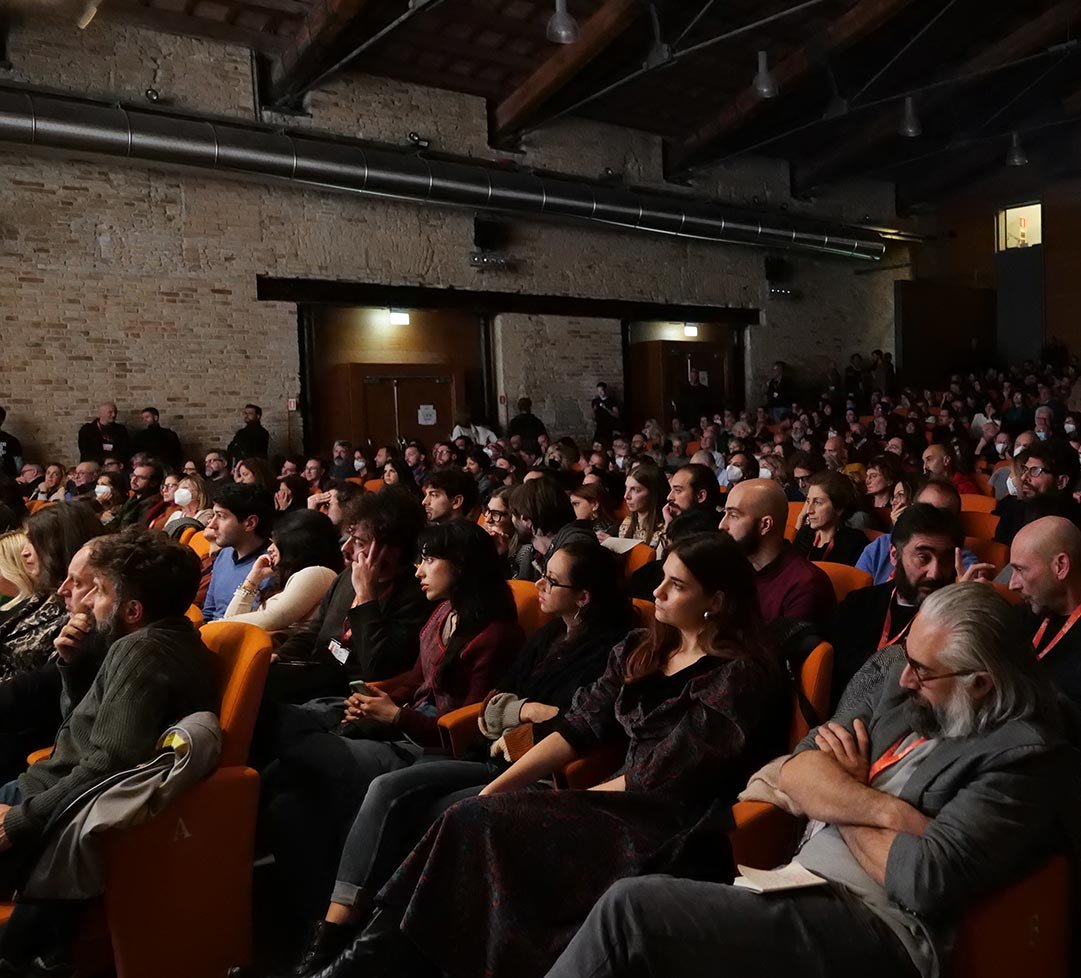
Expect a very rich programme made of competitive sections, special events, retrospectives, masterclasses, live performances, VR experiences, and encounters with authors. The audience is a mix of filmmakers, students, cinephiles, and families, and the atmosphere is direct and participatory. You will watch short films with the directors in the room, vote for your favorite in the Corto Slam format, meet directors of photography such as Luciano Tovoli, actors such as Sara Serraiocco and Elio Germano, and discover emerging talents from Italy and from abroad. The festival is a place where short films are not a stepping stone but a complete and autonomous form of expression.
Ciesz się wydarzeniem bez stresu dzięki Italy Travelo
Niezależnie od tego, czy podróżujesz na światowej sławy festiwal, koncert na żywo, święto kulturalne czy wydarzenie biznesowe, Italy Travelo upraszcza każdy etap Twojej podróży. Nasz zespół zapewnia spersonalizowaną pomoc w podróży, pozwalając Ci skupić się na tworzeniu niezapomnianych wspomnień.
Daty festiwalu
Festival Edition: 23rd Edition
Oficjalne daty: 2 to 8 December, 2026
Miasto: Ancona, Marche, Italy
Organizatorzy: Nie Wiem Association and Municipality of Ancona
Kierownictwo artystyczne: Daniele Ciprì and Luca Caprara
Kontakt: info@cortodorico.it
Oficjalna strona internetowa: https://www.cortodorico.it/
All screenings, masterclasses, and special events are concentrated within the official dates. The complete daily programme, submission deadlines, and accreditation openings are published on the official website.
Odwiedzasz to wydarzenie? Nie przegap tych niesamowitych atrakcji i lokalnych atrakcji, będąc tutaj.
Miejsca i miejsca festiwalu
Mole Vanvitelliana: The main festival hub and symbol of Ancona. This monumental complex on the port hosts the majority of screenings and events. The Auditorium is used for opening and closing ceremonies, feature film premieres, international competitions, and tributes. The Sala delle Polveri hosts the Territori section, Cinemaèreale focuses, and documentary programmes. The Sala Boxe is dedicated to VR projections, experimental programmes, and intimate encounters. The Mole is the heart of the festival village, with box office, meeting points, and spaces for aperitifs.
Cinema Azzurro: The historic city cinema used for pre-opening events, special previews, and repeat screenings. It provides a traditional theatrical experience in the city center and hosts conversations with directors.
Casa di Reclusione di Ancona Barcaglione and Casa Circondariale di Ancona Montacuto: Two prison venues that host the Oltre le Mura – Premio Ristretti Oltre le Mura programme, where selected short films are screened for inmates, followed by discussions and a vote for the favorite short. This section is a distinctive part of the festival’s civil engagement.
Online – Facebook and YouTube Live: The L’Ora di Cinema strand brings the festival into schools with live conversations between directors and students of Ancona, extending access beyond the physical venues.
Lokalizacje w całym mieście: Additional spaces in the historic center, including partner cultural associations, bookshops, and university halls, host side events, workshops, and exhibitions throughout the festival week.
Pełny program
The official programme is built around six competitive sections that together cover the full universe of short form cinema. Corto Dorico – National Short Film Competition is the historic core, organized since 2004 and reserved for short films by directors born and or resident or domiciled in Italy, and for short films shot in the Italian language. It is among the most renowned and respected short film competitions in Italy and offers a total prize money of USD 5,400.
Short on Rights – A Corto di Diritti is the international competition created in collaboration with Amnesty International Italy. Reserved for short films of non-Italian production that deal with human rights, their violation and or their upholding according to the Universal Declaration of Human Rights, it awards a main prize and a young jury prize.
ShortTEEN is the international competition for short films for kids and teens aged ten to eighteen, established to showcase films made for, with, or by young audiences. Dorico Virtuale is the international VR short film competition reserved for works made with VR 360 technologies. Adriatic Award is the section dedicated to short films from the Adriatic area, focusing each year on a specific country such as Bosnia and Herzegovina. Dorico Altrove is the section dedicated to far away countries, focusing each year on a national cinema such as South Korea.
Beyond competitions, the programme includes Salto in Lungo, a strand of feature film screenings with guests, Territori dedicated to Marche filmmakers, Cinema di Poesia with retrospectives such as Mauro Santini Un vedere commosso, Officine Mattòli presentations on filmmaking in the Marche, and market roundtables such as Le tendenze del mercato del cinema e il ruolo delle Regioni with scholars from Università Politecnica delle Marche and professionals from CNA Cinema Marche.
Filmy i premiery
Featured films are short films with a maximum duration of thirty minutes including titles, selected from thousands of submissions through FilmFreeway and the official call for entries. The festival privileges works completed after January first of the previous year that have not been selected as finalists in previous editions of the competition and that are not advertising or industrial films.
You will see a wide range of premieres including regional premieres, national previews, and festival hits from major international short film circuits. The national competition features the best of contemporary Italian short cinema across fiction, documentary, animation, and experimental forms. Recent editions have included works that later traveled to Venice, Cannes, and Locarno.
The international Amnesty competition features powerful short films from Spain, Germany, France, and many other countries that address civil rights, migration, gender, and social justice in unconventional forms. The Adriatic and Altrove sections bring curated selections from Bosnia and Herzegovina and South Korea, offering a rare opportunity to discover cinemas that are seldom distributed in Italy.
Feature film side events have included restored editions of Totò che visse due volte by Daniele Ciprì and Franco Maresco, Suspiria and Professione reporter in tribute to Luciano Tovoli, Maternal by Maura Delpero, I giganti by Bonifacio Angius, and Let’s Kiss with Franco Grillini in collaboration with Arcigay. VR selections have included Vulcano and Segnale d’Allarme – La Mia Battaglia VR with Elio Germano, produced in collaboration with Rai Cinema Channel.
Reżyserzy, aktorzy i goście
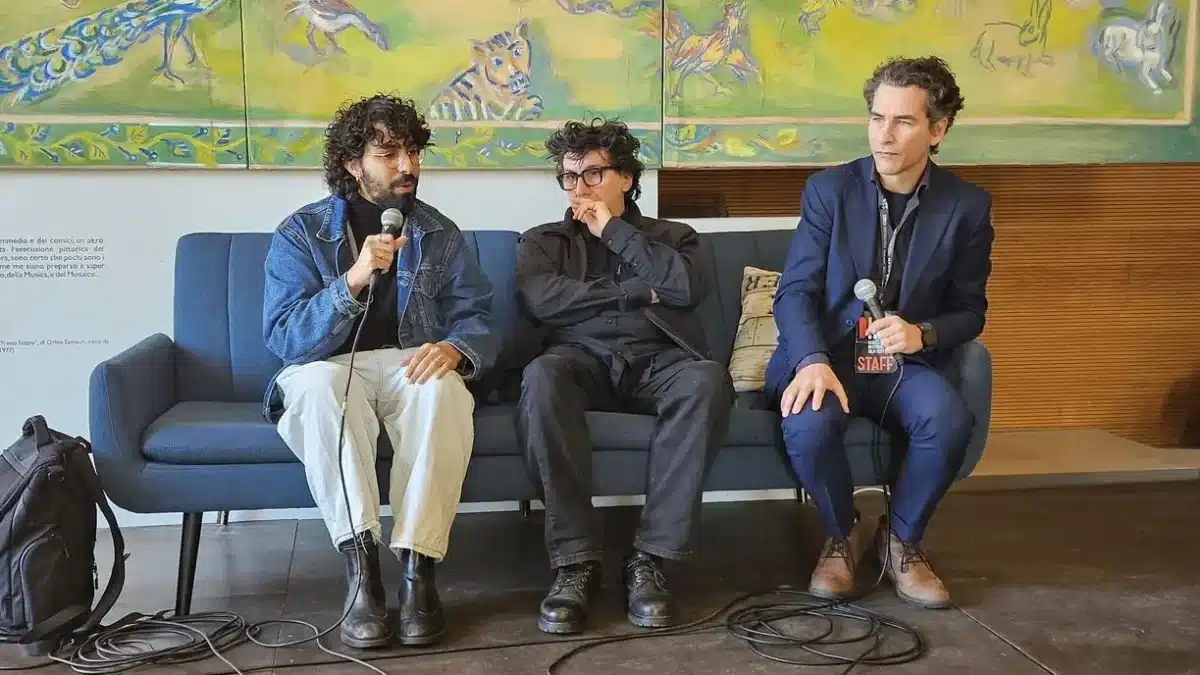
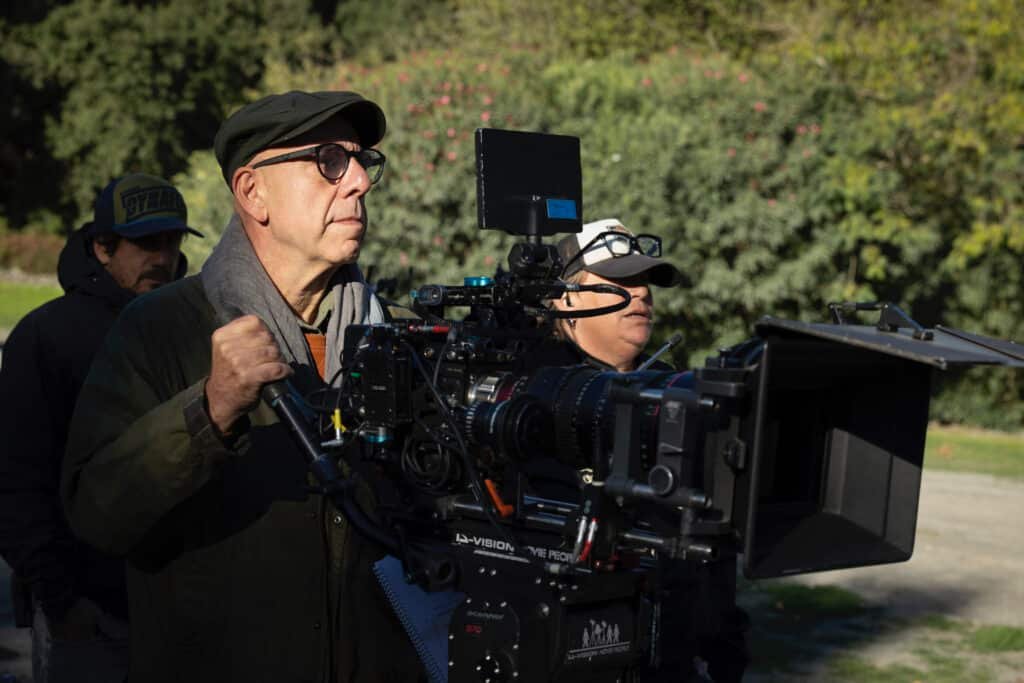
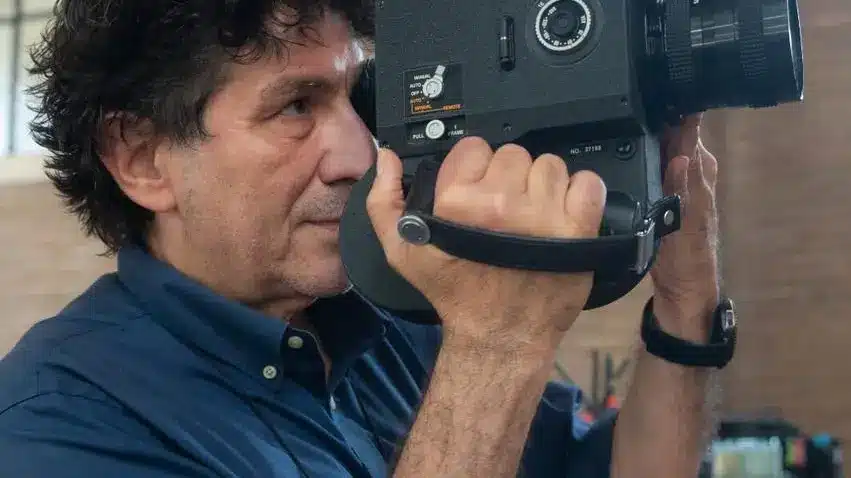
The festival is codirected by Daniele Ciprì, acclaimed director and cinematographer, and Luca Caprara, and this dual artistic vision brings together auteur cinema and scouting of new talents. Guests over the years have included directors, actors, directors of photography, writers, and musicians who participate in screenings, masterclasses, and jury work.
Recent guest lists have included Luciano Tovoli, legendary cinematographer of Suspiria and Professione reporter, who presented a restored edition and a book conversation, Sara Serraiocco and Mauro Mancini for L’Ora di Cinema, Elio Germano and Omar Rashid for VR projects, Maura Delpero with lead actress Lidiya Liberman, Bonifacio Angius with Michele and Stefano Manca, Mauro Santini for the Premio Cinema di Poesia, and curators such as Giorgiomaria Cornelio and Luigi Socci who host the Corto Slam public voting format.
The festival also hosts representatives from Amnesty International Italy for the Short on Rights award, from Arci Movie for Cinemaèreale, from the Marche Region and Marche Cultural Foundation, from Università Politecnica delle Marche, from CNA Cinema Marche, from Mujeres nel Cinema Marche, and from Officine Mattòli film school. Young juries are composed of students from Ancona schools who vote alongside the professional jury, creating an intergenerational dialogue.
Harmonogram pokazów
The schedule is organized to allow audiences to follow multiple sections across the day without major overlaps. Morning slots are dedicated to educational and civil programmes such as Oltre le Mura screenings inside the prisons of Ancona Barcaglione, Montacuto, and Fermo, where inmates watch the selected shorts and vote for their favorite, and L’Ora di Cinema sessions streamed live for schools.
Afternoon slots at Mole Vanvitelliana begin with workshops for young audiences, such as recitazione cinematografica for ages eleven to thirteen, and continue with presentations of film schools, roundtables on regional cinema development, and book presentations such as Suspiria e dintorni Conversazione con Luciano Tovoli. The Territori section and Cinemaèreale Focus are typically scheduled in Sala delle Polveri, while VR replays run in Sala Boxe.
Evening slots are the main competitive screenings. The Auditorium hosts the Amnesty International competition, the national Corto Slam semifinals and finals where the audience votes live for the film that advances to the grand final, and feature tributes with guests on stage. Cinema Azzurro hosts pre-opening and late-night previews. The full daily schedule with exact times, venues, film titles, directors, durations, and presence of guests is published in the official libretto and on the website.
Rodzaje biletów i akredytacja
The festival maintains an accessible ticketing policy with many free events and low-cost entry for competitive screenings, based on pricing from previous editions converted to USD.
Bilet na pojedynczy seans: USD 5.50. Valid for one screening in the Auditorium or Sala delle Polveri at Mole Vanvitelliana. This was previously ingresso 5 euro for competitive sections.
VR Screening Ticket: USD 11. Valid for a single VR experience in Sala Boxe with headset, including works curated by Omar Rashid. Previously ingresso a 10 euro.
Karnet dzienny: USD 16.50. Access to all screenings and events on a single day across all Mole Vanvitelliana halls. Ideal for intensive viewing days.
Pełny karnet festiwalowy: USD 33. Access to the entire programme for the whole duration of the festival, including national and international competitions, Territori, special events, and tributes. Previously offered as abbonamento.
Student and Under 26 Pass: USD 11. Reduced rate for students and young audiences, requiring valid ID.
Bezpłatne wydarzenia: Many events are ingresso gratuito, including workshops, book presentations, roundtables, school encounters, Territori previews, and some Sala Boxe and Sala delle Polveri screenings.
Tickets and passes can be purchased at the Mole Vanvitelliana box office and via the official website. The festival also publishes a downloadable libretto with full programme details.
Dostęp do przemysłu i zawodowy
Dorico International Film Fest is a professional hub for short film in Italy and offers several forms of industry access.
Akredytacja branżowa: USD 22. For directors, producers, distributors, film school representatives, and festival programmers. It includes access to all competitive screenings subject to seat availability, industry panels, networking aperitifs, and the video library. Based on previous professional rates.
Akredytacja prasowa: Bezpłatne po uzyskaniu zgody. Dla dziennikarzy, krytyków, fotografów i operatorów medialnych. Wymagana legitymacja prasowa i list z przydziałem. Obejmuje priorytetowy dostęp, konferencje prasowe i pakiety prasowe.
School and University Accreditation: USD 11. For teachers and students of partner schools and universities participating in L’Ora di Cinema and educational workshops. Includes access to dedicated screenings and workshops.
Jury and Guest Access: Reserved for official jury members, including the Amnesty jury, young jury, and Adriatic jury, as well as invited directors whose films are in competition.
The industry programme includes roundtables such as Le tendenze del mercato del cinema e il ruolo delle Regioni with Paolo Seri from UNIVPM, Marco Cucco from University of Bologna, and representatives from CNA Cinema Marche, Comitato autori e professionisti cinema Marche, and Unione marchigiana interpreti audiovisivo. It also includes presentations of Officine Mattòli courses and regional funding opportunities. Applications for accreditation should be sent to info@cortodorico.it and submissions@cortodorico.it.
Czerwony dywan i wydarzenia specjalne
Red carpet moments at Dorico are intimate but significant, focusing on authors rather than celebrity culture. The opening ceremony at the Auditorium Mole Vanvitelliana features the festival inauguration, institutional greetings from the Municipality of Ancona and Marche Region, and the screening of a restored feature film with the director present.
Special events include regional previews of feature films such as Let’s Kiss in collaboration with Arcigay Comunità Ancona, I giganti with Pino e gli Anticorpi, and Maternal with the lead actress. Tributes to masters of cinematography such as Luciano Tovoli include book presentations, restored screenings, and conversations with Daniele Ciprì.
The Corto Slam format is a signature interactive event where semifinalist shorts are screened and the audience in the hall votes to decide which film advances to the finalissima. This public voting creates a lively, participatory atmosphere unique to Ancona. The Premio Cinema di Poesia ceremony awards poets and filmmakers who work at the intersection of poetry and cinema.
Other special events include PlaySicurezza presentations with directors and producers, VR showcases with live introductions, and the final awards ceremony where prizes including the Corto Dorico prize, Amnesty International prize, Adriatic Award, Altrove Award, Virtuale Award, and Ristretti Oltre le Mura prize are announced.
Zasady festiwalu
Participation in the competition requires compliance with official terms and regulations. Each author may compete with a maximum of two short films per competition. Films must have a duration of no more than thirty minutes including titles, must have been completed after January first of the previous year, must not have already been selected as finalists in previous editions, and must not be advertising or industrial films. In case of exclusion due to non-compliance, entry fees are not refunded.
For the national competition, short films by authors residing or domiciled in Italy, including Italian citizens residing abroad and foreign citizens residing in Italy, or films in original Italian language, are eligible. For international competitions, non-Italian productions are eligible according to the specific thematic requirements of each section.
During the festival, audiences must respect venue capacity, keep accreditation badges visible, and avoid recording screenings without authorization. The Oltre le Mura screenings inside prisons have specific security rules and require prior authorization. The festival is a member of AFIC and adheres to its code of conduct for respectful and inclusive participation.
Programme, venues, and guests may be subject to changes for organizational reasons. Always check the official website for updates.
Jak tam dotrzeć
Ancona is located on the Adriatic coast in the Marche region and is easily reachable by multiple means of transport. The city is served by Ancona Falconara Airport, also known as Marche Airport, with connections to major Italian and European cities. From the airport, a shuttle bus and train connect to Ancona central station in about thirty minutes.
By train, Ancona is on the Adriatic line connecting Bologna, Rimini, Pesaro, and Pescara, with frequent regional and high-speed services. The Mole Vanvitelliana is located near the port, a short walk or bus ride from the central station.
By car, Ancona is reachable via the A14 Adriatica motorway, with exits at Ancona Nord and Ancona Sud. The historic center and port area have limited traffic zones, so it is advisable to use parking facilities outside the center and continue on foot or by public transport.
By bus, long-distance coaches connect Ancona with Rome, Milan, and other major cities. The main bus terminal is near the train station.
International visitors can also arrive via Bologna or Rome airports and continue by train or bus to Ancona.
Transport publiczny i parking
Ancona has an efficient urban bus network operated by Conerobus that connects the train station, historic center, port, and suburbs. The Mole Vanvitelliana is served by several lines and is within walking distance from the port area and from Piazza del Plebiscito. During the festival, extended evening services are often arranged to allow return after late screenings.
For those arriving by car, parking near the Mole Vanvitelliana is limited due to its location on an artificial island in the port. Recommended parking areas include the port parking, the city stadium parking, and the parking facilities near the train station, with continuation by bus or on foot. The historic center has restricted traffic zones that require permits, so it is advisable not to attempt to drive directly to the venue.
Bike sharing and scooter sharing services are available in the city center and can be convenient for short trips between venues. Taxis are available at the train station and can be booked for transfers between Cinema Azzurro and Mole Vanvitelliana.
The festival provides detailed transport information in the official libretto and on the website, including maps of venues and recommended walking routes between screening halls.
Strefy noclegowe
The best areas to stay for the festival are all within a short distance of the Mole Vanvitelliana and the historic center. The Port and Mole area is the most convenient, with hotels and bed and breakfasts located within walking distance of the main venue. This area offers sea views and easy access to the box office.
The Historic Center around Piazza del Plebiscito, Via Matteotti, and Corso Garibaldi is ideal for those who want to be close to restaurants, bars, and Cinema Azzurro. Via Matteotti 175 is the official address of the festival organization, located in this area. Accommodation here includes boutique hotels, guesthouses, and apartments in historic buildings.
The Station area near Ancona Centrale offers more affordable hotels and easy connections to public transport, suitable for visitors arriving by train. The Palombella and Torrette districts offer additional options with easy bus access to the center.
For budget travelers, hostels and student residences are available, while for those seeking higher comfort, four-star hotels near the port and waterfront provide premium options. Early booking is recommended because the festival takes place during a busy period and Ancona is a popular city break destination.
Jedzenie i gastronomia
Ancona is a port city with a rich culinary tradition that combines seafood and Marche inland cuisine, making dining an integral part of the festival experience. Near the Mole Vanvitelliana, you will find seafood restaurants offering local specialties such as stoccafisso all’anconitana, moscioli wild mussels from the Conero, and brodetto fish stew.
In the historic center, particularly around Piazza del Plebiscito, Piazza Cavour, and Corso Mazzini, there are numerous trattorias, wine bars, and pizzerias that stay open late during festival evenings. The area around Via Matteotti and Corso Garibaldi offers quick lunch options, bakeries, and cafés ideal for breaks between screenings.
For festival participants, partner bars such as Micamole at the Mole organize aperitifs after screenings and industry events, creating informal networking opportunities. The city also offers international cuisine, vegetarian and vegan options, and gluten-free menus in many restaurants.
Local markets, such as the market in Piazza d’Armi, offer fresh produce, street food, and local wines such as Verdicchio and Rosso Conero, perfect for a quick meal before an afternoon screening.
Dostępność
The main festival venues at Mole Vanvitelliana are accessible with step-free access to the Auditorium and Sala delle Polveri, accessible restrooms, and reserved spaces for wheelchair users. The complex is located on a flat artificial island with paved pathways connecting the different halls.
Cinema Azzurro in the city center is accessible with assistance, and staff can provide support for access to screening halls. The Oltre le Mura prison venues have specific access restrictions due to security regulations and are not open to the general public without prior authorization.
Public buses in Ancona are equipped with low floors and ramps, and the route connecting the train station to the port and Mole Vanvitelliana is accessible. Accessible taxis can be booked in advance.
The festival provides subtitles in Italian and English for most international short films, and Q&A sessions are held in Italian and English. For specific accessibility needs, including reserved seating, hearing assistance, or support for visual impairments, it is advisable to contact info@cortodorico.it in advance so that appropriate arrangements can be made.
Najlepsze pokazy na
If you are attending for the first time, there are certain screenings that best represent the spirit of Dorico and should not be missed. The Corto Dorico National Competition finalissima is the highlight of the festival, where the best Italian shorts of the year are screened and the main prize of USD 5,400 is awarded. The audience is highly engaged and the atmosphere is electric, especially during the Corto Slam public voting sessions that precede the final.
The Amnesty International Short on Rights competition is essential for those interested in civil cinema, with powerful short films from around the world that address human rights in unconventional forms. The screenings are followed by discussions with Amnesty representatives and filmmakers.
The Territori section is ideal for discovering filmmakers from the Marche region, showcasing works shot locally with local casts and crews, often presented as national previews. The Dorico Virtuale VR programme offers immersive experiences curated by Omar Rashid in collaboration with Rai Cinema Channel, with headset screenings that include works featuring prominent actors.
Finally, the tribute evenings and feature film previews, such as restored classics presented by Daniele Ciprì and Luciano Tovoli, provide a deeper historical perspective and are often accompanied by book presentations and masterclasses.
Najważniejsze momenty z poprzedniego roku
The previous edition confirmed the festival’s growth as one of the best-known and most appreciated Italian festivals for both filmmakers and cinema-loving audiences, with nine days of programming each year plus many activities spread throughout the calendar year. The programme included six competitive sections covering national, international human rights, youth, VR, Adriatic, and far away cinemas, reflecting the festival’s expansion from a national event to an international platform with participants from Spain, Germany, France, South Korea, and Bosnia and Herzegovina.
Highlights included the Oltre le Mura screenings in the prisons of Ancona and Fermo, where inmates voted for their favorite short, the Cinemaèreale focus with Arci Movie, the Cinema di Poesia retrospective dedicated to Mauro Santini, and the VR showcases with Elio Germano. The Territori strand presented new works by Marche directors, while the market roundtable brought together scholars and professionals to discuss regional cinema development strategies.
The festival continued its collaborations with more than thirty public and private partners, including the Marche Cultural Foundation, Università Politecnica delle Marche, CNA Cinema Marche, and Amnesty International Italy, reinforcing its role as a cultural hub for the Adriatic region and beyond.
Oficjalne bilety i akredytacja
Official tickets, passes, and accreditations for Dorico International Film Fest are available exclusively through official channels to ensure valid entry and to support the festival directly.
Oficjalna strona internetowa: https://www.cortodorico.it/
Adres e-mail z informacjami: info@cortodorico.it
Submissions Email: submissions@cortodorico.it
Adres festiwalu: Via Matteotti 175, 60121 Ancona, Italy
Main Venue: Mole Vanvitelliana, Banchina Giovanni da Chio 28, Ancona
Ceny w USD przeliczone z poprzednich wydań:
Bilet na pojedynczy seans: USD 5.50
VR Screening Ticket: 11 dolarów
Karnet dzienny: USD 16.50
Pełny karnet festiwalowy: USD 33
Student and Under 26 Pass: 11 dolarów
Akredytacja branżowa: USD 22
School and University Accreditation: 11 dolarów
Akredytacja prasowa: Bezpłatnie po zatwierdzeniu
Submission Fees National Competition: USD 8.70 for Earlybird, USD 11 for Regular, USD 22 for Late Deadline for up to two shorts
Submission Fees International and Thematic Competitions: USD 5.50 for Earlybird, USD 8.70 for Regular, USD 11 for Late Deadline
Many events are ingresso gratuito and do not require a ticket. The complete libretto with programme, tickets, and accreditation information can be downloaded from the official website. Avoid unofficial resellers and purchase only through official channels.
Wideo
Lokalizacja
FAQ
What is Dorico International Film Fest and what makes it special?
Dorico International Film Fest is the historic short film festival of Ancona founded in 2004 and co-organized by Nie Wiem Association and the Municipality of Ancona with support from Marche Region and the Italian Ministry of Culture. It is special because it treats short cinema as an autonomous art form without discrimination of genre, combining six competitive sections including national, Amnesty human rights, youth, VR, Adriatic, and far away cinemas, plus feature previews, tributes, and civil programmes such as Oltre le Mura screenings inside prisons, creating a mix of artistic research, social engagement, and public participation.
Where does the festival take place and how do I move between venues?
The main hub is the Mole Vanvitelliana, the monumental complex on the port of Ancona that hosts the Auditorium, Sala delle Polveri, and Sala Boxe for competitions, VR experiences, and special events. Additional venues include Cinema Azzurro in the historic center for pre-openings and previews, and the prisons of Barcaglione and Montacuto for the Ristretti Oltre le Mura programme. All central venues are within walking distance or a short bus ride, with Conerobus lines connecting the train station, port, and historic center, and the festival provides maps and shuttle information in the official libretto.
Jak mogę zgłosić krótkometrażowy film do konkursu?
You can submit through FilmFreeway by searching for Dorico International Film Fest and selecting the appropriate competition among Corto Dorico National, Short on Rights International, ShortTEEN, Dorico Virtuale VR 360, Adriatic Award, and Dorico Altrove. Each submission must respect the maximum duration of thirty minutes including titles, completion after January first of the previous year, and no prior selection as finalist in earlier editions, and requires payment of an entry fee that allows up to two shorts per director with fee waiver procedure for the second film via email to submissions@cortodorico.it.
What is the Corto Slam format and the Oltre le Mura prize?
Corto Slam is the interactive public voting format where semifinalist short films from the national and Amnesty competitions are screened in the Auditorium and the audience in the hall votes to decide which film advances to the finalissima, creating a lively and participatory selection process hosted by presenters such as Luigi Socci. Oltre le Mura – Premio Ristretti Oltre le Mura is the civil programme where selected shorts from the national competition are screened inside the prisons of Ancona Barcaglione, Montacuto, and Fermo for inmates, followed by discussions and a vote for their favorite short, bridging cinema and social inclusion.
Is the festival accessible and suitable for young audiences?
The main venues at Mole Vanvitelliana are accessible with step-free access, accessible restrooms, and reserved spaces for wheelchair users, and public buses connecting the station to the port are equipped with low floors. The festival is highly suitable for young audiences through the ShortTEEN competition for ages ten to eighteen, the L’Ora di Cinema live encounters with directors for schools of Ancona streamed online, and workshops such as recitazione cinematografica for ages eleven to thirteen that require prior reservation, plus many free events, making it a family-friendly and educational experience.

Dodaj komentarz