
-
12月 5, 2026
イベント日程:
-
12月 12, 2026
イベント終了:
期待できること
A historic anti-festival with contemporary relevance: The Porretta Terme Film Festival presents itself as the direct continuation of the legendary Mostra Internazionale del Cinema Libero, an anti-conformist film event founded in Porretta Terme in 1960 by figures including Cesare Zavattini, Leonida Repaci, Bruno Grieco and Gian Paolo Testa. Launched in its current form in 2002, the festival preserves a libertarian and heretical spirit that once allowed Porretta to premiere works like Bernardo Bertolucci’s Last Tango in Paris and Elio Petri’s The Working Class Goes to Heaven before they won major international awards. Today it is organized by the cultural association Porretta Cinema and has become one of the most anticipated cultural events in the Bologna Apennines.
A curated encounter between masters and invisible cinema: The program is built around a dialogue between great maestros and invisible cinema, meaning films of high artistic merit that struggle to find distribution. Since 2015 the core of the event has been the Director’s Tribute, with past guests including Francesco Rosi, Mario Monicelli, Ken Loach, Alan Parker, Costa-Gavras, Gabriele Salvatores, Roberto Andò, Gianni Amelio, Marco Tullio Giordana, Daniele Luchetti, Roberto Faenza and Francesca Archibugi. Alongside retrospectives, the festival promotes young authors through the Fuori dal Giro competition, born in 2013 from a collaboration with Rete degli Spettatori.
An intimate, cinephile atmosphere: Unlike large urban festivals, Porretta Terme offers an intimate scale centered on the historic Cinema Kursaal on Via Mazzini. Screenings, masterclasses and Q&As happen within walking distance, allowing audiences to meet directors, actors and critics in a friendly, mountain spa town setting. The event attracts film buffs from across Italy who seek quality cinema, rediscoveries and direct dialogue with filmmakers.
フェスティバルの日程
Main edition: December 5-12, 2026
期間: Eight full days of screenings, tributes, competitions and industry encounters, running from Saturday to the following Saturday.
Annual recurrence: The festival takes place every year in early December in the heart of the spa town, maintaining its traditional winter slot in the cultural calendar of Emilia-Romagna.
このイベントにご参加ですか?ここにいる間、素晴らしいアクティビティや地元の体験をお見逃しなく。.
会場とフェスティバルの会場
Cinema Kursaal: The historic main venue located at Via Giuseppe Mazzini 42, 40046 Alto Reno Terme. This is the legendary screen that introduced critics and audiences to cult movies of the 1960s and 1970s and remains the heart of all premieres, tributes and competition screenings.
Teatro Testoni: A second key venue in Porretta Terme used for special encounters, morning screenings, the FCP Incontra Sedicicorto program and award ceremonies. The theatre provides a more intimate space for dialogue with guests.
Biblioteca B.A.M. and surrounding spaces: The association’s base at Via Borgolungo 10 hosts small exhibitions, book presentations and informal meetings. The town’s squares and thermal parks are used for photo exhibitions and open-air installations during the festival week.
Diffuse festival concept: The festival is intentionally diffuse, using the entire spa town as a venue. Bars, hotels and restaurants participate with themed displays, creating a widespread hospitality network that supports the central cinemas.
全プログラム
Director’s Tribute – Omaggio al Regista: The central section dedicated each year to a master of Italian or international cinema. It includes a complete or near-complete retrospective of their work, newly restored prints, a masterclass and a public conversation. The tribute is curated with critical introductions by scholars and film historians.
Fuori dal Giro – Competition for invisible films: The official competition for young Italian authors and first and second works that have not found adequate distribution. Films are submitted through an open call and judged by the public, who vote after each screening. The winner receives the opportunity to be awarded on stage at the Kursaal and gains national visibility through the festival’s media partners.
FCP Incontra Sedicicorto and side sections: A collaboration with Sedicicorto International Film Festival featuring short films, documentaries and experimental works. Additional sections include new proposals, restored classics, focus on specific cinematographies, and thematic strands that reflect on contemporary social and political issues.
Talks, masterclasses and books: Daily encounters with directors, actors, screenwriters and critics, including presentations of new books on cinema, panels on film preservation and workshops on film education for schools and young audiences.
特集作品および初上映作品
Retrospective premieres: Each edition presents several restored versions and rarely screened titles from the honored director’s filmography, often in Italian premiere of the new restoration. These screenings are introduced by critics and collaborators who contextualize the work within film history.
Fuori dal Giro finalists: Typically eight to ten feature films selected from hundreds of submissions across Italy, representing diverse genres from documentary to fiction to hybrid forms. The selection emphasizes independent production, strong authorial voice and social engagement.
National previews and out-of-competition screenings: The program includes Italian previews of art-house films that have premiered at major international festivals but have not yet reached the Apennine territory, allowing local audiences to discover contemporary cinema before wider distribution.
Shorts and documentary focus: A curated selection of short films and documentaries that complement the main themes, often linked to the Emilia-Romagna region and its production network.
監督、俳優、ゲスト
Past and recent guests of honor: The festival has hosted Roberto Andò as guest of honor of the 22nd edition, along with regular presences such as Marco Tullio Giordana, Gianni Amelio, Daniele Luchetti, Francesca Archibugi, Roberto Faenza, Fabrizio Gifuni, Isabella Ragonese and Gian Piero Brunetta. The list reflects a commitment to auteur cinema and socially engaged storytelling.
Emerging directors: The Fuori dal Giro competition brings first-time directors, producers and young cast members to Porretta for their first public confrontation with a cinephile audience. The format allows extended Q&As where authors can explain their production journey.
Critics, historians and industry professionals: Guests include film critics such as Steve Della Casa, programmers, archivists from Cineteca di Bologna and representatives of MYmovies.it and other cultural partners who moderate debates and present restored classics.
地域社会への参加: Actors and directors are not separated from the audience; they stay in local hotels, eat in the same restaurants and participate in informal aperitifs, reinforcing the festival’s reputation as a place for genuine encounter.
上映スケジュール
Daily structure: Screenings are distributed across afternoon and evening slots, typically starting at 11:00 AM at Teatro Testoni for special encounters and at 18:00 and 21:00 at Cinema Kursaal for main features. The schedule allows attendees to see two to three films per day without overlap.
Competition timing: Fuori dal Giro screenings are usually held in the late afternoon, followed by voting and a brief debate with the author present in the hall.
Tribute screenings: Retrospective titles are programmed in chronological or thematic blocks, often double-billed with an introduction by a scholar, allowing for immersive viewing of a director’s evolution.
Weekend intensity: The final weekend includes the awards ceremony for the competition winner, closing film and final tribute screening, with increased audience attendance from Bologna, Florence and Pistoia.
チケットの種類と認定
Full price single ticket: Standard entry for a single screening at Cinema Kursaal. Based on previous editions, the price is approximately $3.25 USD. This ticket grants access to the selected screening and the subsequent Q&A.
Members and associates ticket: Reduced price for members of Associazione Porretta Cinema and partner associations. Previous editions listed this at approximately $2.17 USD, encouraging local membership and sustained support throughout the year.
フルフェスティバルパス: An all-access pass valid for all screenings at both venues during the entire edition. From previous programs, the pass for in-person screenings was around $21.70 USD, offering significant savings for attendees planning to watch multiple films per day.
Streaming and hybrid pass: For audiences unable to attend in person, a digital pass for streaming a selection of titles via MYmovies.it platform was offered in recent editions at approximately $8.68 USD for 27 screenings, expanding access beyond the Apennines.
Free admission initiatives: Selected morning screenings, book presentations and exhibitions in public spaces are free of charge, and local students often receive complimentary access through school agreements.
産業界と専門職へのアクセス
Accreditation for film professionals: Directors, producers, distributors, film students and press can apply for professional accreditation via the official website. The accreditation provides access to all screenings subject to availability, industry meetings and the digital library of selected titles.
Rete degli Spettatori and young programmers: The festival collaborates with national networks of young audiences and film clubs to host training programs for future programmers, offering workshops on curation, audience development and festival management.
Networking opportunities: Due to its small scale, the festival facilitates direct networking between emerging filmmakers and established guests, with informal industry breakfasts and aperitifs organized at local hotels and the thermal park.
Educational outreach: Throughout the year, Porretta Cinema organizes film literacy activities in schools across Alto Reno Terme, maintaining an audience development program that culminates during the festival week with student juries and guided screenings.
レッドカーペットと特別イベント
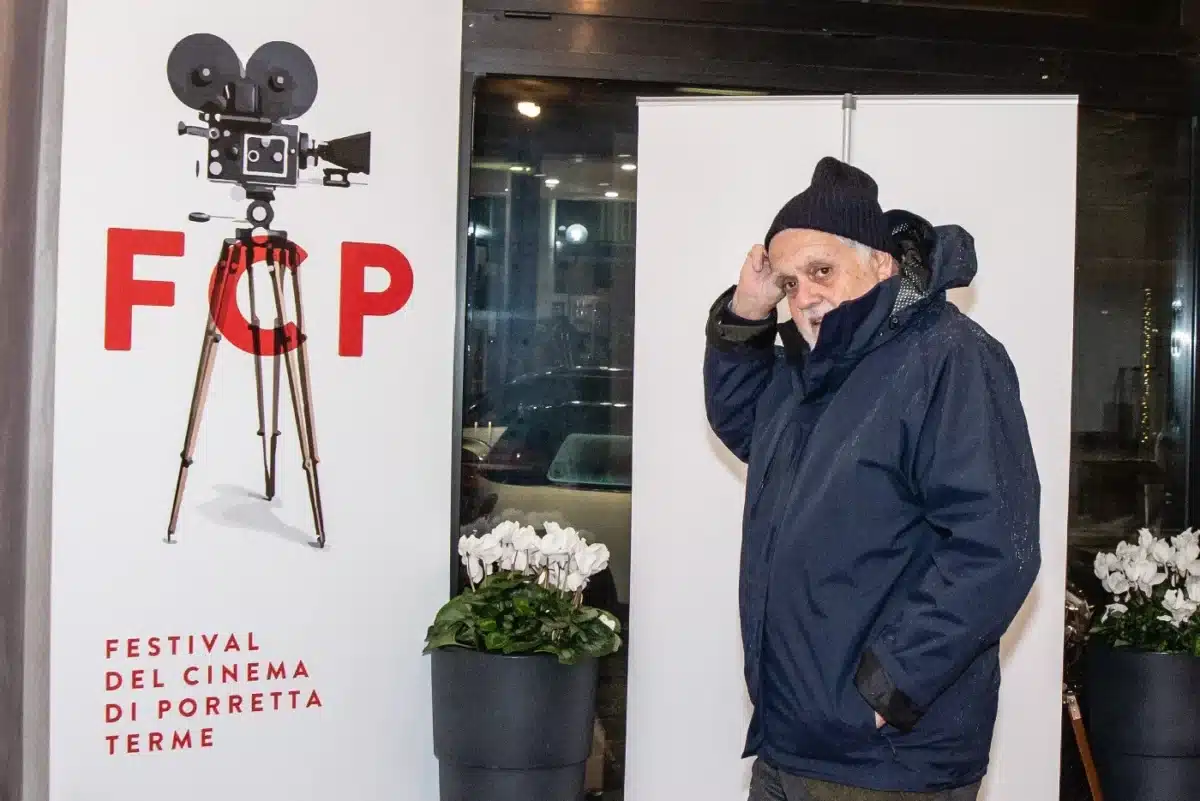
Intimate red carpet: Rather than a glamorous international red carpet, Porretta offers a warm, community-focused welcome. Guests walk a short red carpet at the entrance of Cinema Kursaal, greeted by local audiences, photographers from the region and the festival’s volunteer staff.
Opening and closing ceremonies: The opening night includes institutional greetings, presentation of the jury and tribute guest, followed by the opening film. The closing night features the award ceremony for the Fuori dal Giro winner, delivery of the public prize and a closing film or tribute screening.
Special events beyond screenings: Thermal spa aperitifs, book launches at Biblioteca B.A.M., photography exhibitions in the town centre and musical interludes linked to the Porretta Soul Festival heritage complement the film program.
Tribute celebration: The Director’s Tribute culminates in an extended on-stage conversation where the honored filmmaker receives a recognition award and engages in a public masterclass about their career and the state of contemporary cinema.
祭りのルール
Respect for screenings: Mobile phones must be switched off, photography and video recording during screenings are strictly prohibited, and late entry may be restricted for sold-out shows to avoid disturbing the audience and guests.
Public voting for competition: For Fuori dal Giro, only viewers who attend the full screening are entitled to vote. Ballots are distributed at entry and collected at exit, ensuring a fair public judgment.
Accreditation usage: Professional accreditations are personal and non-transferable. They must be shown together with an ID document at the box office to collect daily tickets, and misuse may result in revocation.
Heritage venue preservation: Cinema Kursaal is a historic venue; food and drinks are not allowed inside the screening hall, and smoking is prohibited in all indoor festival spaces in accordance with Italian law.
Inclusivity and conduct: The festival promotes an inclusive, respectful environment. Any form of harassment, discrimination or disruptive behavior towards guests, staff or other audience members will result in removal from the venue.
行き方
電車で: Porretta Terme is served by the historic Porrettana railway line connecting Bologna to Pistoia. Direct regional trains run from Bologna Centrale in approximately one hour and from Pistoia and Florence in about one hour and a half. The station is a short walk from Cinema Kursaal.
車での移動: From Bologna, take the SS64 Porrettana road south through the Apennines for about 60 kilometers. From Florence and Pistoia, follow the same route northbound. Ample signage indicates the town centre and festival parking areas upon arrival.
バスで: Extra-urban bus lines connect Porretta Terme with Bologna, Vergato and other towns in the Alto Reno area, with increased services during the festival week to accommodate evening screenings.
空路: The nearest airports are Bologna Guglielmo Marconi and Florence Peretola. From both airports, visitors can take a train to Bologna Centrale and then continue by regional train to Porretta Terme, or rent a car for a scenic drive through the Apennines.
公共交通と駐車場
Local mobility: The town centre is compact and entirely walkable. All festival venues are within five to ten minutes on foot from each other, eliminating the need for internal transport once arrived.
Parking areas: Large public parking lots are available near the train station, at the thermal park and near the former hospital area. On festival days, additional temporary parking is opened at the sports field, with clear signage directing visitors to Cinema Kursaal.
Train as recommended option: Organizers strongly recommend arriving by train during the festival edition, as parking near Via Mazzini is limited and road conditions in December can be affected by mountain weather. Special late-evening train connections are often arranged for closing nights.
Accessibility of transport: The Porretta Terme train station has step-free access, and local taxis are available for transfers to accommodation in the surrounding hills.
宿泊施設
In the historic centre: Small family-run hotels, B&Bs and guesthouses within walking distance of Cinema Kursaal offer the most convenient stay. Many have partnered with the festival to offer special rates for accredited guests and include free admission to Kursaal cinema outside festival hours.
Thermal hotels: Porretta Terme is a spa town, and several hotels such as Hotel Helios and other thermal establishments offer wellness packages that combine film screenings with spa treatments, ideal for visitors planning a multi-day stay.
Residences and agriturismi: In the surrounding hamlets of Alto Reno Terme, agriturismi and holiday apartments provide quiet, scenic accommodation in the Apennine woods, with easy driving access to the town and panoramic views.
Bologna and Pistoia as bases: Many day visitors stay in Bologna or Pistoia and travel by train for evening screenings, taking advantage of larger city accommodation while enjoying the mountain festival atmosphere.
食と食事
Local Apennine cuisine: Restaurants around Via Mazzini and Piazza della Libertà serve traditional mountain dishes such as tortelloni, crescentine, tigelle, local mushrooms and chestnut-based desserts. Many venues offer fixed-price festival menus for lunch and dinner.
Festival aperitifs: Bars near Cinema Kursaal organize themed aperitifs before evening screenings, where audiences can meet guests and discuss films. The thermal park cafés offer warm drinks and pastries during cold December evenings.
Accommodation dining: Hotels with restaurants often include half-board options that combine breakfast and dinner, convenient for attendees watching two films per day. Booking in advance is recommended during the festival week.
Quick bites: Pizzerias, sandwich shops and bakery outlets provide fast options between afternoon and evening screenings, allowing attendees to stay within the festival circuit without long transfers.
アクセスのしやすさ
会場へのアクセス: Cinema Kursaal and Teatro Testoni are equipped with ground-floor access and designated spaces for wheelchair users. Staff are available to assist with entry and seating.
Hearing and visual support: Selected screenings include Italian subtitles for accessibility, and the festival provides printed programs with large fonts. Upon request, staff can provide detailed orientation for visually impaired visitors.
Inclusive ticketing: Reduced price tickets for members and free admission for carers accompanying visitors with disabilities are available at the box office, with advance reservation recommended to secure appropriate seating.
Mountain town considerations: December weather can be cold and wet; venues are heated and have cloakroom services for coats and umbrellas. The short distances between venues minimize outdoor exposure.
観るべき最高の上映会
Director’s Tribute masterclass and retrospective: The most unmissable event is the full tribute to the guest director, particularly the masterclass where they discuss their career, influences and views on contemporary cinema, followed by a newly restored screening of a landmark title.
Fuori dal Giro finalist screenings: These competition screenings offer the chance to discover first works that are otherwise invisible in distribution, with the added value of voting and debating directly with the young directors present in the hall.
オープニングとクロージングの映画: The opening night film sets the tone for the edition and is often an Italian preview, while the closing night includes the awards ceremony and a celebratory screening that gathers all guests and the local community.
Restored classics at Kursaal: Screenings of restored prints from the Cineteca di Bologna collection, often linked to the Mostra del Cinema Libero history, provide a unique opportunity to see rare versions of 1960s and 1970s avant-garde works on the same screen where they were first shown.
過去のハイライト
24th edition focus: The 24th edition held in early December 2025 continued the tradition of honoring major auteurs while giving space to emerging voices, attracting a full house at Cinema Kursaal for both tribute and competition sections.
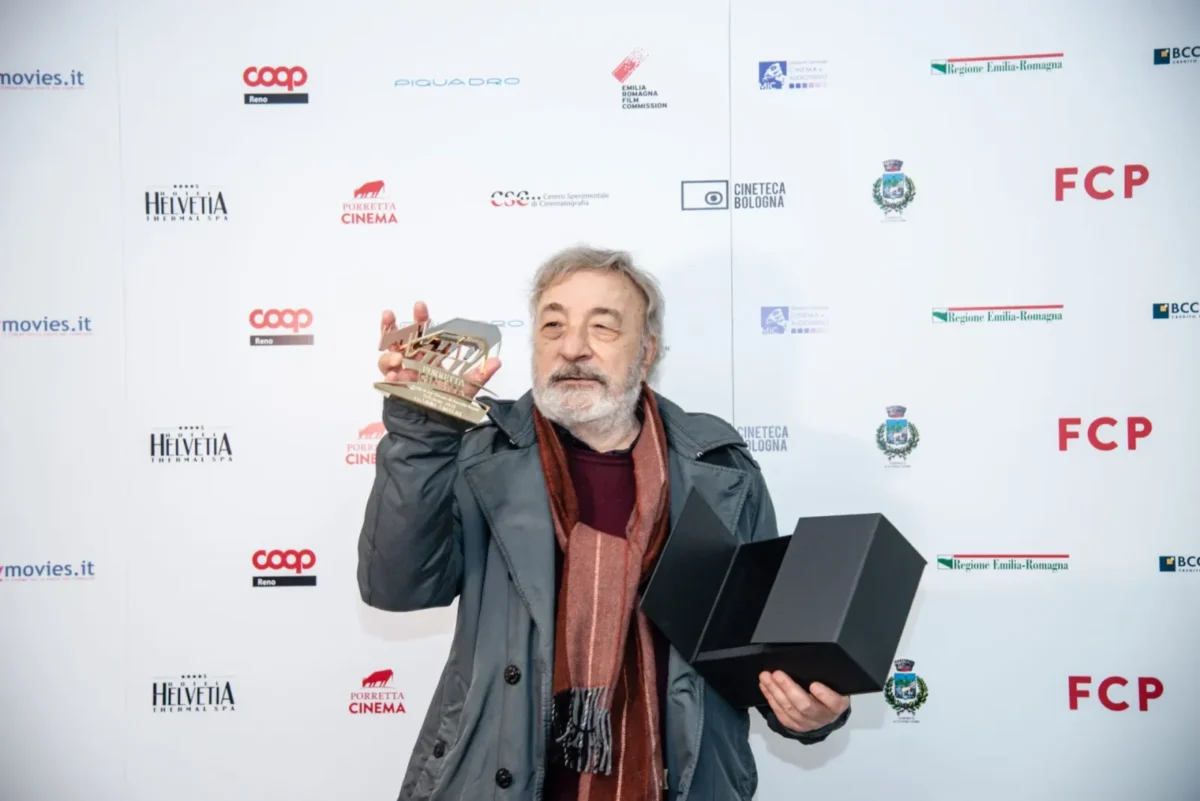
Tribute and guests: Recent tributes have included extensive retrospectives with guests such as Isabella Ragonese, Esmeralda Calabria, Luca Elmi and Massimo Bernardini, who participated in on-stage conversations moderated by critics and scholars, creating memorable dialogues about editing, acting and directing.
Fuori dal Giro success: The competition confirmed its role as a launchpad for young Italian cinema, with winning films receiving subsequent festival invitations and distribution interest. Public participation in voting increased significantly, demonstrating strong audience engagement.
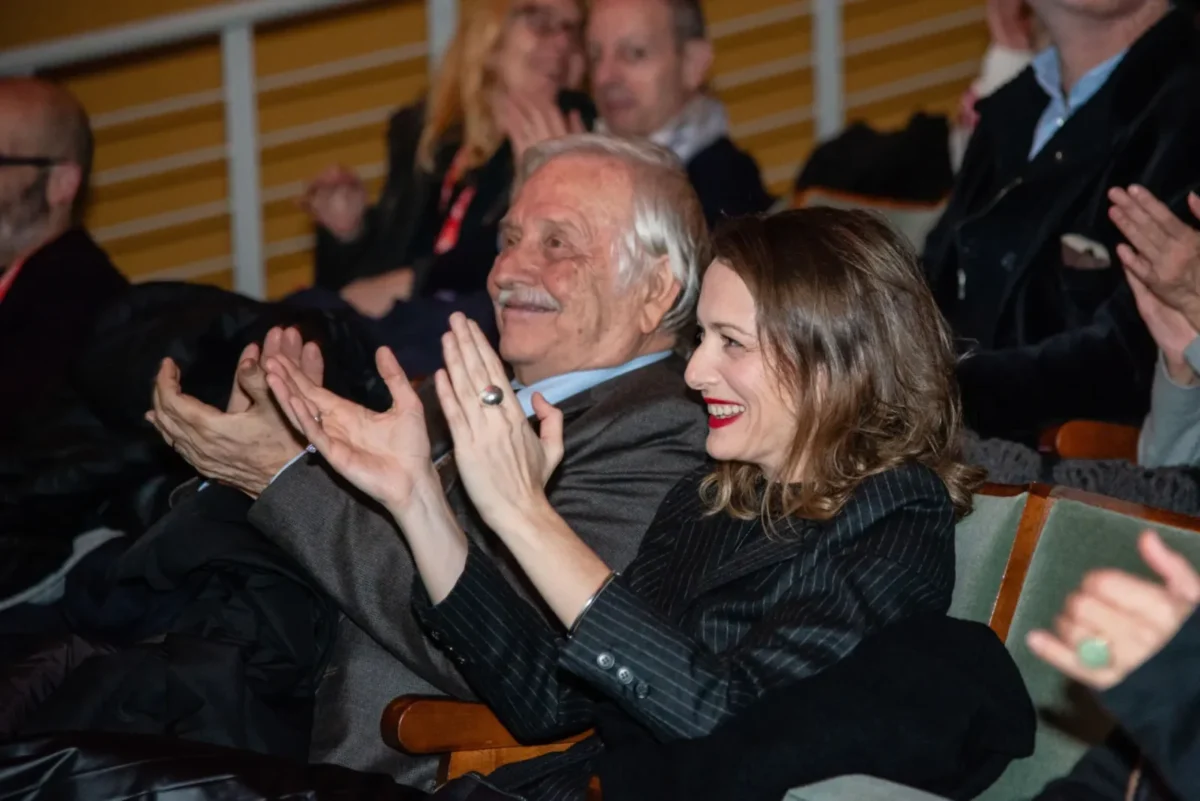
Community atmosphere: Highlights included sold-out screenings at both Kursaal and Testoni, vibrant Q&As that extended beyond scheduled times, exhibitions of festival posters and archival materials from the 1960s Free Film Exhibition, and collaborative events with local schools and thermal establishments.
公式チケットと認定
Official channels: All tickets and accreditations are sold exclusively through the official website https://porrettacinema.com/ and at the box office of Cinema Kursaal at Via Giuseppe Mazzini 42. For information, contact info@porrettacinema.com or call the cinema at +39 0534 23056.
Purchase recommendations: Advance online purchase is recommended for tribute screenings and opening and closing nights, which frequently sell out. E-tickets with QR codes are accepted at entry, and box office opens one hour before each screening.
Accreditation process: Professional, press and student accreditations can be requested via the online form on the official website, requiring proof of activity and a photograph. Approval is communicated via email with instructions for collecting the badge at Biblioteca B.A.M.
Pricing reference: While final pricing for the upcoming edition will be confirmed closer to the event, reference prices from previous editions are approximately $3.25 USD for full-price single tickets, $2.17 USD for members, $21.70 USD for a full festival pass and $8.68 USD for a streaming pass on MYmovies.it, all converted to USD.
ビデオ
所在地
FAQ
What makes Porretta Terme Film Festival different from larger Italian film festivals?
Porretta Terme Film Festival distinguishes itself as a historic anti-festival rooted in the 1960 Mostra del Cinema Libero, focusing on auteur cinema and invisible films rather than red carpet glamour. Its intimate scale in a small Apennine spa town allows direct, extended encounters between audiences and filmmakers, with screenings, masterclasses and informal gatherings all within walking distance, creating a cinephile community atmosphere.
How does the Fuori dal Giro competition work and can I vote?
Fuori dal Giro is a public competition for young Italian directors whose films struggle to find distribution, with finalists selected through an open call. If you attend a competition screening at Cinema Kursaal you receive a ballot at entry and can cast your vote after watching the entire film, contributing directly to the public prize that is awarded on stage during the closing ceremony.
Do I need to book accommodation far in advance for early December?
Accommodation in the historic centre of Porretta Terme is limited to small hotels, B&Bs and thermal establishments, so booking several weeks in advance is highly recommended, especially if you want to stay within walking distance of the venues. Alternatives include agriturismi in surrounding hamlets and hotels in nearby Vergato or staying in Bologna and traveling by direct regional train, which takes about an hour.
Are screenings accessible for non-Italian speakers and visitors with disabilities?
Most Italian films are shown in Italian, while tribute screenings of international classics often include original language with Italian subtitles, and printed programs provide detailed synopses in Italian. Both main venues have ground-floor access and spaces for wheelchair users, with staff available to assist, and reduced tickets and carer access can be arranged in advance through the official contact email.
What is the best way to experience the festival beyond just watching films?
To fully experience the festival you should combine screenings with masterclasses, book presentations at Biblioteca B.A.M. and aperitifs in bars near Cinema Kursaal where directors and critics gather informally. Take time to explore the thermal park, enjoy local Apennine cuisine in family-run restaurants and visit small exhibitions of archival materials from the 1960s Free Film Exhibition, which contextualize Porretta's unique role in Italian film history.

コメントを残す