
What to expect
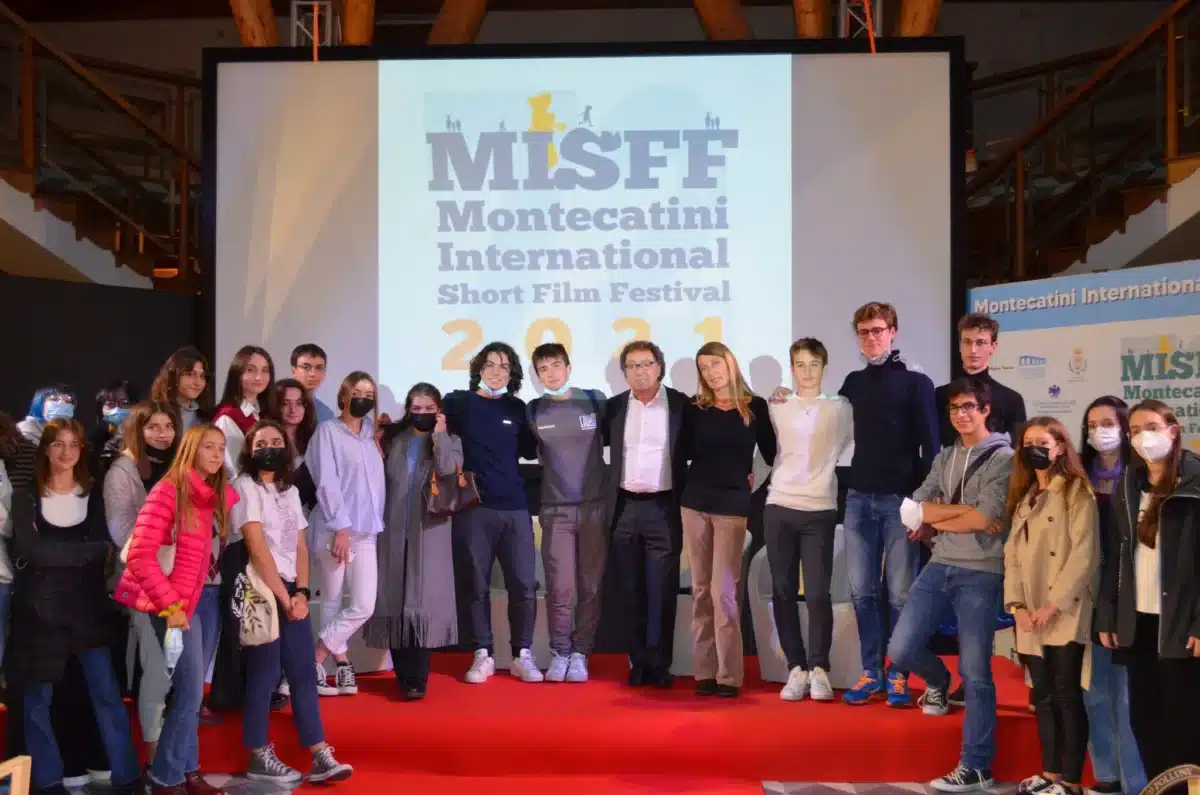
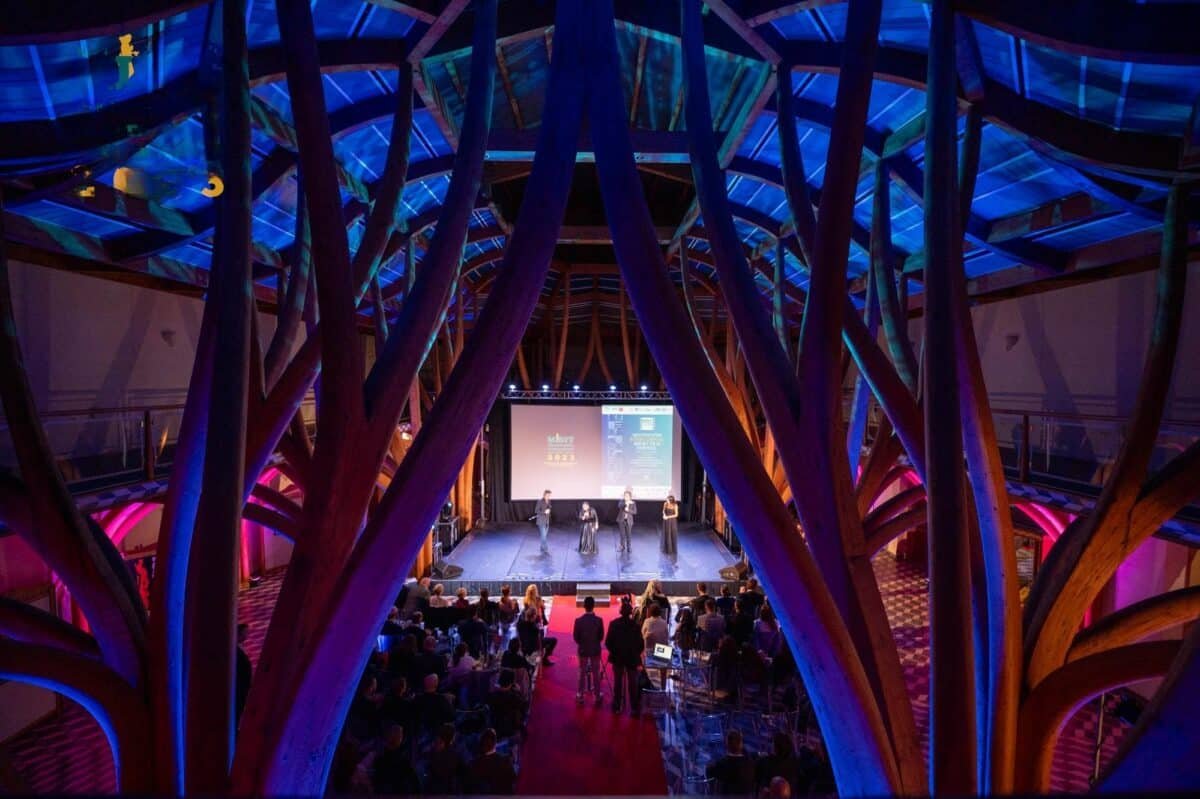
Every edition, MISFF turns Montecatini Terme, Tuscany, into a cinematic crossroads where filmmakers, industry guests and audiences meet in a town with a strong film legacy. Screenings take place in the historic Cinema Teatro Imperiale and across venues along Viale Verdi, blending cinema with the unique atmosphere of a world-famous spa destination. MISFF celebrates short-form storytelling in all its shapes, bold new voices, visually driven works, socially engaged projects and genre-bending films that speak to contemporary life.
The festival takes place since 1949, making it one of the oldest and most respected festivals in Europe and the oldest industry event in Italy, considering that it was founded just after the Mostra di Venezia. It was created by the Italian Federation of Cineclubs, Fedic, which still organizes the event. In the 1990s Montecatini redefined itself as International Short Film festival and adopted the new name Filmvideo. Its original national Competition emigrated to another Tuscan town, S. Giovanni Valdarno, and is now linked with the awarding of the Marzocco Prize.
With a community of more than 8,500 members and over 7,500 members in its festival community, MISFF is more than a festival, it is a place where stories travel, cultures connect and careers can take their next step. The Festival, whose first 21 editions attended by more than 20,000 short films involving a total of nearly 28,000 spectators, is structured in various competitive sections. Alongside the official selections, the festival expands its impact through special showcases and curated formats, creating multiple entry points for filmmakers to be discovered. We do not seek glamor. We prefer essence.
フェスティバルの日程
Festival Dates: November 2027 (Dates TBD)
The official dates for the 2027 edition have not been announced yet. Based on previous editions, the festival typically runs for seven days in early to mid autumn, with the 77th edition held from 2nd to 8th in that month. The full program with screening times, red carpet events and industry sessions will be published on the official website https://www.filmvideomontecatini.it/ closer to the event. Submission deadlines for filmmakers are usually set for late spring, with notification in early summer.
このイベントにご参加ですか?ここにいる間、素晴らしいアクティビティや地元の体験をお見逃しなく。.
会場とフェスティバルの会場
Main Venue: Cinema Teatro Imperiale, Piazza Massimo D’Azeglio, Montecatini Terme, Tuscany, Italy
Secondary Venues: Historic Cinema Teatro Imperiale and venues along Viale Verdi, including Nuovo Teatro Verdi, Viale Giuseppe Verdi 45, 51016 Montecatini Terme, designed in 1828-29 by architect Lodovico Fortini and inaugurated in 1930 with Giuseppe Verdi’s Aida. The Kursaal historic venue, where Federico Fellini attended one of the editions in the late 60s, has been a traditional screening location.
Festival Address: Via Felice Cavallotti, 66, IT-51016 Montecatini Terme, PT, Italy
The festival uses multiple cinemas and cultural spaces within walking distance in the spa town center. The Teatro Verdi serves for gala screenings and award ceremonies, while smaller halls host industry panels, Q&As and film school competitions. The town itself, with its Liberty-style thermal baths, parks and promenades, becomes an open-air networking space.
全プログラム
The full programme is built around international competition and educational sections that reflect the festival’s long history with cineclubs.
International Competition: Core competitive sections include Fiction up to 30 minutes, Documentary up to 30 minutes, Animation up to 20 minutes, Experimental and Video Art up to 15 minutes, Monographs and Biographies up to 15 minutes, Business Cinema and Cinetourism and Territorial Promotion up to 30 minutes, Cinema and Dance Film up to 20 minutes, Wedding Film up to 20 minutes, Dance and Performance, Medium Length Film, Future Film, Game and XR-VR-IA sections.
Film Schools Competition: Dedicated competition for films from international film schools, encouraging emerging directors.
Competition Looking the East: Section focused on Eastern European and Asian short cinema.
MISFF Online Festival: Optional online edition that allows films to be shown to millions of spectators around the world, with protective measures such as watermarks and anti-piracy notices.
Showcase Fedic: Showcase of best Fedic short films, preserving link with Italian Federation of Cineclubs.
Special Programs: Retrospectives, tributes, and curated showcases including Business Cinema about companies and their history, Cinetourism and Territorial Promotion highlighting beauty and identity of territories, and Cinema and Dance stories about dance on screen.
特集作品および初上映作品
MISFF is known for discovering bold new voices and socially engaged projects. Each edition presents hundreds of short films from more than 50 countries. The festival accepts films completed after January 1st of the previous year, and films that have already screened at other Italian or international events are eligible, with no premiere requirement.
Featured films include recent selections such as international premieres, world premieres and Italian premieres across fiction, documentary, animation and experimental categories. For example, past editions have featured international premieres like Welcome to the Parallel World, screenings of Taniel in Tuscany, and films that later traveled to other festivals. The festival creates its online catalogue with all submitted films and exchanges it with hundreds of film schools and festivals around the world.
Sections like Extralarge for shorts between 10 and 20 minutes, Animations for up to 15 minutes, Doc10 for documentaries up to 15 minutes, and Official Selection for short films up to 10 minutes ensure diverse programming. The festival also promotes territorial films and enterprise films that highlight local culture and business histories.
監督、俳優、ゲスト
MISFF attracts a mix of emerging filmmakers, established directors, actors, producers and industry professionals.
Leadership: Marcello Zeppi, President of the Montecatini International Film Festival, is praised for outstanding management, visionary approach and highly precise and professional team. His dedication has shaped the festival into a prestigious and inspiring event.
Filmmaker Guests: Directors and producers of selected films are invited for Q&As, talks and panels that keep festival dialogue alive. Many filmmakers present debut films and first works.
俳優: Awards for Best Actor and Best Actress celebrate performances in short form. Past winners include emerging talents such as Wiktoria Gorodecka recognized for Best Actress for I Gaze at the Sky.
Industry Guests: Distributors, sales agents, film school representatives and cultural partners from Tuscany and beyond attend networking moments. The festival belongs to a network of short film festivals and cooperates with other Italian festivals.
Special Guests: Historically, figures such as Federico Fellini have attended editions, and contemporary guests include curators, critics and representatives from Italian and international film institutions.
上映スケジュール
Screenings are organized across multiple venues with parallel programs to accommodate large number of selected films.
Daily Screenings: Typically run from late morning to late evening, with blocks dedicated to each competitive section. Fiction, Documentary, Animation and Experimental screenings alternate throughout day.
Gala Screenings: Evening gala screenings at Cinema Teatro Imperiale feature best of competition and special presentations.
Q&A Sessions: Following many screening blocks, directors are invited for Q&As, providing direct interaction between filmmakers and passionate audiences.
Industry Screenings: Private viewing by selection committees and juries via indicated platforms, including popular juries, ensures wide evaluation.
International Tour: Selected films also screen within festival’s international tour MISFF IRS or Montecatini Days and related partner events authorized by organization.
チケットの種類と認定
Based on previous editions, ticket structure balances accessibility for public with professional accreditation.
Public Screenings: Single screening tickets for general audience are typically priced at approximately $8.00 to $12.00 USD per screening. Day passes allowing access to all screenings in one day are approximately $20.00 to $30.00 USD. Full festival passes for all days are approximately $65.00 to $87.00 USD.
Student Discounts: Reduced tickets for students and seniors at approximately $6.00 USD per screening.
Free Screenings: Some special showcases, including Fedic showcase and certain school competitions, are free to public.
Submission Fees: For filmmakers, entry fees are listed on FilmFreeway. Fiction category fees are approximately $54.00 USD for regular deadline, $48.00 to $54.00 USD for early and late deadlines. Documentary and Animation similar at $48.00 to $54.00 USD. Industrial and advertisement films and Territory Promotion approximately $485.00 to $540.00 USD. Monographs and Biography approximately $485.00 to $540.00 USD. Business Cinema approximately $433.00 to $595.00 USD. Cinema and Dance Film approximately $378.00 to $433.00 USD. Wedding Film and Dance and Performance similar. Medium Length Film approximately $519.00 to $595.00 USD. Future Film approximately $540.00 to $735.00 USD. Game approximately $270.00 to $324.00 USD.
Screening Fees Policy: MISFF does not pay screening fees for festival, program and promotional screenings. Requesting screening fees results in non-admission.
産業界と専門職へのアクセス
Professional Accreditation: Industry badge for filmmakers, distributors, buyers, journalists and film school representatives provides access to all screenings, industry panels, networking events and video library. Industry accreditation is typically priced at approximately $32.00 to $38.00 USD based on early submissions.
Press Accreditation: Journalists and media representatives can apply for press accreditation via official email, providing press card and assignment letter. Press access includes screenings, press conferences and interview areas.
Filmmaker Accreditation: Directors of selected films receive complimentary accreditation with access to Q&As, talks and networking moments with filmmakers, guests and local cultural partners.
Market and Networking: Informal market area where filmmakers meet distributors, sales agents and festival programmers from network of short film festivals.
Online Edition Access: Accredited professionals receive access to optional online edition, perfect opportunity to show films to millions of spectators around world.
レッドカーペットと特別イベント
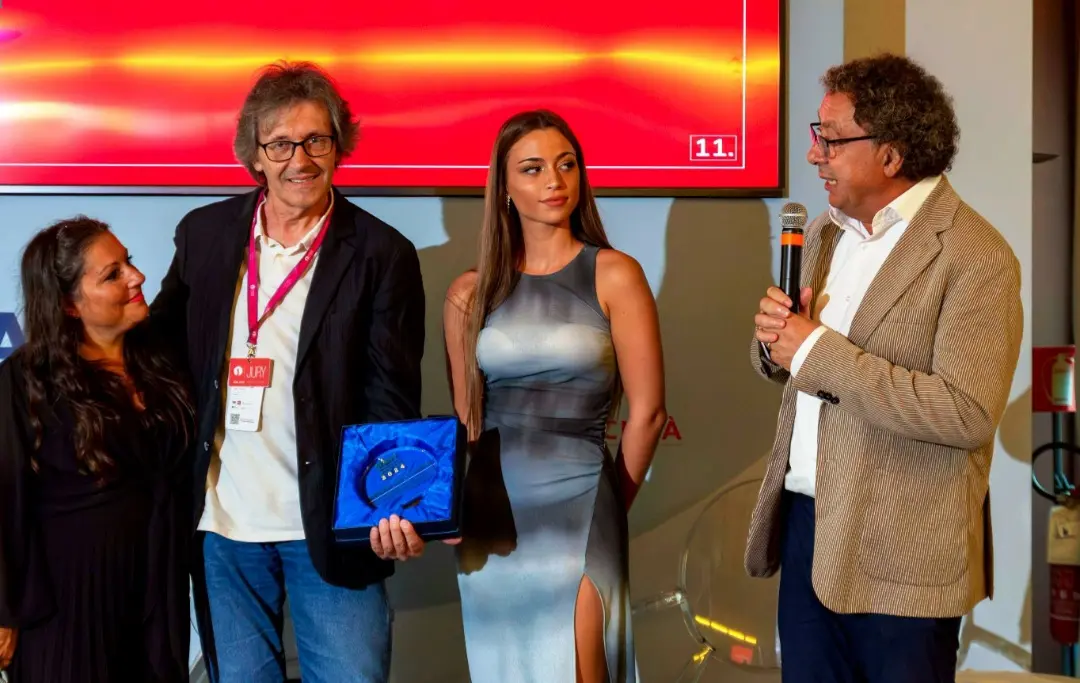
レッドカーペット: Opening night red carpet at Cinema Teatro Imperiale and Teatro Verdi welcomes directors, actors, jury members and institutional guests. While festival prefers essence over glamor, red carpet moments celebrate short film talent with photographers and local media.
Opening Ceremony: Presentation of jury, overview of competitive sections and opening film screening.
Award Ceremony: Closing gala award ceremony presents multiple awards including Best Short Film, Best Debut Film, Best Italian Film, Best Distribution Company, Best Animation Film, Best Documentary Film, Best Fiction Film, Best Experimental Film, Best Monograph and Biography, Best Enterprise Film, Best Territorial Film, Best Photography Director, Best Actor, Best Actress, Best Cinema and Dance Film, Best Wedding Film, Best Dance Performance Film, Best Medium Length Film, Best Future Film, Best Videoclip and special Fedic awards.
Special Showcases: Tributes to Italian cinema masters, focus programs on specific countries, and showcases of restored short films.
Parties and Networking: Evening aperitifs in spa town venues, networking moments on and off screen that encourage real connections in welcoming Italian setting.
祭りのルール
Eligibility: The festival accepts films completed after January 1st of the previous year. Films that have already screened at other Italian or international events are eligible. English subtitles are mandatory for all entries. English-language films must also provide an English .srt subtitle file.
Maximum Runtime: Animation up to 20 minutes, Documentary up to 30 minutes, Fiction up to 30 minutes, Experimental and Video Art up to 15 minutes, Monographs and Biographies up to 15 minutes, Business and Cinetourism and Territorial Promotion up to 30 minutes, Cinema and Dance Film up to 20 minutes, Wedding Film up to 20 minutes.
Submission Materials: Each entry must include film available on platform for selection, short synopsis, English subtitles file .srt, film poster .jpeg, director and author photo .jpeg, film stills .jpg, company presentation and author profile, supporting materials such as artistic profile, personal photos, stills and media press kit.
Rights: By submitting, entrant declares they have read and accept all rules, all submitted information is truthful, work is not under dispute, they are authorized to submit, they hold necessary rights including music rights. Entrant grants permission for use of stills and titles for festival promotion, private viewing by selection committees and juries, screening at MISFF in Montecatini Terme and within festival’s international tour and related partner events. If screenings are moved online and or to TV networks, permission is granted only for festival period including live or on-demand streaming with protective measures.
Submissions: Must be made via FilmFreeway. Artistic Direction reserves right to invite films of particular artistic value.
行き方
Montecatini Terme is located in Tuscany, Province of Pistoia, easily accessible from major Tuscan cities.
By Car: From A11 Firenze-Mare motorway, exit Montecatini Terme. The town is approximately 40 kilometers from Florence and 20 kilometers from Pistoia. Parking available near venues.
By Train: Montecatini Terme has two railway stations, Montecatini Centro and Montecatini Terme-Monsummano on Florence-Viareggio line. Direct regional trains from Florence Santa Maria Novella take about 50 minutes, from Pisa about 45 minutes, from Lucca about 20 minutes. Stations are within walking distance to Viale Verdi venues.
By Air: Closest airports are Florence Amerigo Vespucci approximately 50 kilometers, Pisa Galileo Galilei approximately 60 kilometers, and Bologna Guglielmo Marconi approximately 120 kilometers. All have train and bus connections to Montecatini Terme.
By Bus: Regional buses connect Montecatini Terme with Florence, Pistoia, Lucca and Viareggio.
公共交通と駐車場
Local Transport: Montecatini Terme is compact and walkable. Most festival venues along Viale Verdi and around Piazza Massimo D’Azeglio are within 10 minutes walk. Local bus service connects Montecatini Centro station with thermal areas.
駐車場: Public parking areas available near Teatro Verdi, Viale Verdi and Piazza del Popolo. During festival, dedicated parking for accredited guests may be reserved. Cost typically approximately $1.00 to $2.00 USD per hour or $10.00 to $15.00 USD per day.
タクシー: Taxi services available at stations and can be booked for evening events.
Accessibility on Foot: The spa town’s flat center and promenades make walking between venues pleasant, especially through thermal park.
宿泊施設
Viale Verdi Area: Closest to main venues, with hotels within walking distance to Cinema Imperiale and Teatro Verdi. Ideal for filmmakers who need quick access to screenings and Q&As.
Montecatini Alto: Historic hilltop village above Montecatini Terme, offering boutique hotels, B&Bs and panoramic views. Connected via funicular railway. Quiet retreat after festival days.
Thermal District: Hotels near thermal baths such as Terme Tettuccio, offering spa packages combining cinema and wellness. Many historic Liberty-style hotels.
Montecatini Centro: Area around train station with budget to mid-range hotels, good for students and young filmmakers.
Booking Advice: Montecatini Terme is a popular spa destination year-round. During festival period, hotels fill quickly, especially those near Viale Verdi. Early booking recommended.
食と食事
Montecatini Terme offers Tuscan cuisine with focus on local ingredients.
Near Venues: Restaurants and cafes along Viale Verdi and Corso Roma serve quick lunches between screenings, including panini, pasta and Tuscan soups. Many venues offer aperitivo specials for festival guests.
Traditional Tuscan: Try ribollita, pappa al pomodoro, bistecca alla fiorentina, and local olive oil. The area is known for wines from nearby Montecarlo and Colline Lucchesi.
Festival Catering: Some venues host catering for accredited guests during networking events.
Evening Dining: After screenings, many festival attendees gather in trattorias in Montecatini Alto for dinner and informal discussions about films.
アクセスのしやすさ
Venues: Cinema Teatro Imperiale and Nuovo Teatro Verdi are historic theaters with some steps. Main halls are generally accessible with assistance. Accessible seating available, advance reservation recommended.
Town: Montecatini Terme’s flat spa district is accessible, but Montecatini Alto hilltop village requires funicular, which has limited accessibility. Sidewalks along Viale Verdi are wide and well-maintained.
Services: Accessible restrooms available at main venues and thermal park. For specific accessibility needs, contact festival organization via official email.
Subtitles: All films require English subtitles, making festival accessible for international audiences.
観るべき最高の上映会
Opening Night Gala: Best for red carpet atmosphere and presentation of jury and highlights of edition.
International Competition Fiction: Most competitive section showcasing bold new voices in narrative short film, ideal for discovering future feature directors.
Documentary and Animation Blocks: Showcases visually driven works and socially engaged projects that speak to contemporary life.
Film Schools Competition: Best for spotting emerging talent and fresh perspectives from international schools.
Award-Winning Films Marathon: Closing day marathon of award winners, including Best Short Film, Best Italian Film, Best Debut Film and acting awards.
Fedic Showcase: Unique to Montecatini, showcasing best of Italian cineclub movement and Italian identities history and memory projects that introduce children to film techniques.
過去のハイライト
Previous editions have drawn significant international participation and critical praise.
Scale: Over 20,000 short films involved in first 21 editions, with nearly 28,000 spectators, demonstrating long-standing audience loyalty.
Community Growth: Current MISFF Festival Community has over 7,500 to 8,500 members, indicating vibrant international network.
Recent Selections: Films such as I Gaze at the Sky recognized with Best Actress award, Welcome to the Parallel World international premiere, and Taniel selected for screening in Tuscany, showing diversity of program.
Industry Impact: Filmmakers praise festival for true respect for cinema and filmmakers, outstanding management and visionary approach. Reviews highlight festival as very well organized in beautiful cinemas, with organizers who are true passionate cinema lovers and great professionals.
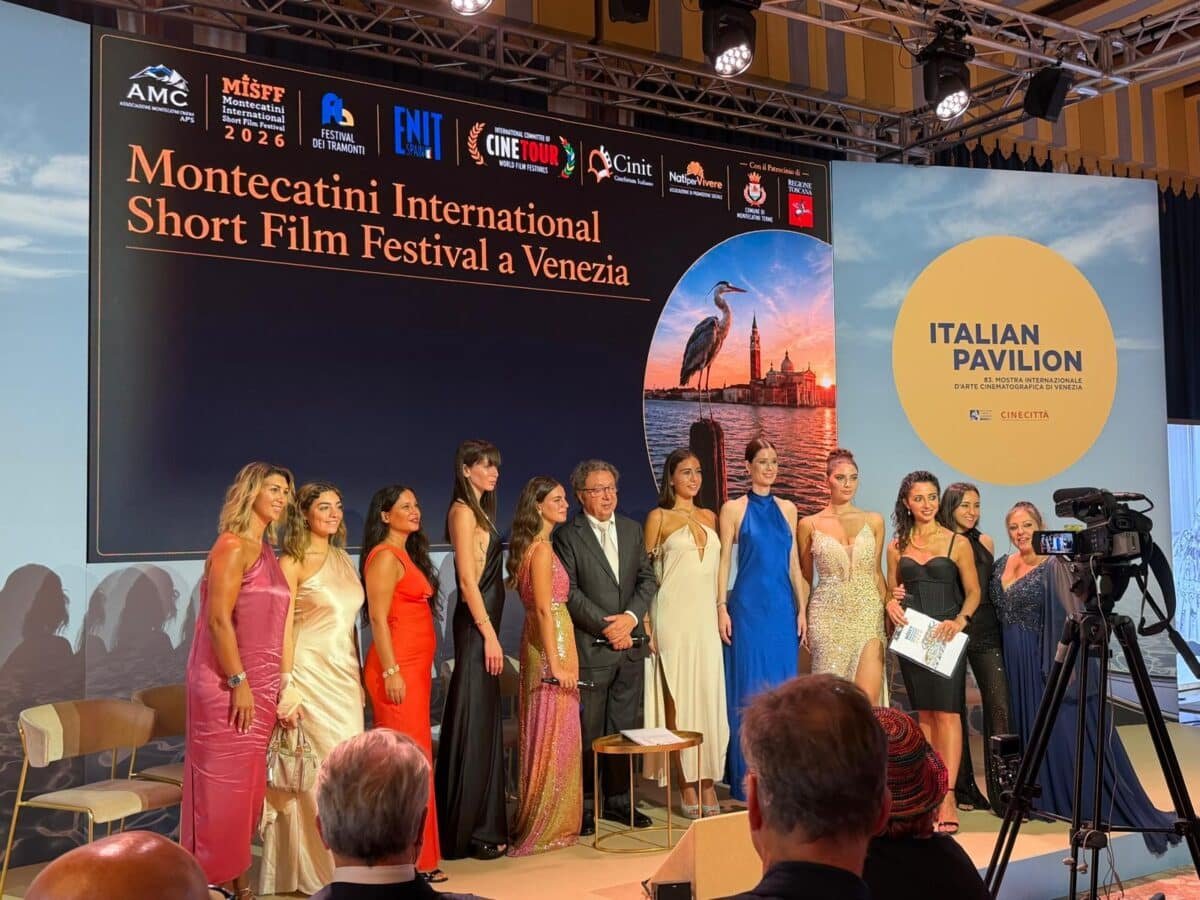
Special Programs: Highlights included presentation of Montecatini International Short Film Festival program at Italian Pavilion, Italian Identities History and Memory of Communities projects premiered during festival evenings and then subtitled and distributed abroad.
公式チケットと認定
公式ウェブサイト: https://www.filmvideomontecatini.it/
Address: Via Felice Cavallotti, 66, IT-51016 Montecatini Terme, PT, Italy
メール: info@filmvideomontecatini.it
Submission Platform: FilmFreeway at https://filmfreeway.com/misff
チケット情報: Based on previous editions, single screening tickets approximately $8.00 to $12.00 USD, day passes approximately $20.00 to $30.00 USD, full festival passes approximately $65.00 to $87.00 USD. Industry accreditation approximately $32.00 to $38.00 USD. Submission fees from $48.00 to $735.00 USD depending on category and deadline.
認定: Press and industry accreditation applications available via official website closer to festival.
ビデオ
所在地
FAQ
Do I need to be a professional filmmaker to attend screenings?
No, the festival welcomes both industry professionals and general audiences passionate about short cinema. Public screenings are open to everyone with purchase of single tickets or festival passes, and the town's welcoming Italian setting encourages real connections on and off screen. While industry accreditation offers additional networking access, regular audience members can enjoy all competition screenings, Q&As and special showcases without any professional credentials.
Are all films subtitled in English?
Yes, English subtitles are mandatory for all entries at MISFF, ensuring accessibility for international audience. Even English-language films must provide an English .srt subtitle file to maintain consistency and support hearing-impaired viewers. This policy allows filmmakers, industry guests and audiences from diverse countries to meet and discuss films in a common language while celebrating short-form storytelling in all its shapes.
Can I submit a film that has already screened at other festivals?
Yes, films that have already screened at other Italian or international events are eligible and there is no premiere requirement. The festival accepts films completed after January 1st of the previous year and values essence over exclusivity. Authors and distributors must still provide supporting materials such as artistic profile, personal photos, stills and press kit, and English subtitles remain mandatory for selection consideration.
What makes Montecatini International Short Film Festival unique?
MISFF is one of the oldest festivals in Europe, created in 1949 by Italian Federation of Cineclubs Fedic, and retains a strong cineclub spirit focused on promoting cinema culture. Unlike glamorous commercial festivals, it prefers essence, creating curated program with passionate audiences in historic cinemas of a world-famous spa town. Its network of short film festivals, cooperation with film schools worldwide, and combination of competitive sections with territorial promotion make it a distinctive cinematic crossroads.
How can filmmakers maximize networking at the festival?
Filmmakers should attend Q&As, talks and panels that keep festival dialogue alive, as well as informal networking moments with filmmakers, guests and local cultural partners along Viale Verdi. The community of over 8,500 members provides year-round connections, and the festival's online catalogue exchanged with hundreds of film schools and festivals helps films travel beyond the event. Submitting complete press materials and staying for entire festival duration increases chances for discovery and collaboration.

コメントを残す