

Panoramica
Fiera Nazionale del Marrone, the National Chestnut Fair held in Cuneo in Piedmont, is one of the most important food festivals of Italy and the largest Italian chestnut trade event, celebrating the excellence of one of Piedmont’s most prized fruits. The fair has deep roots in local agricultural tradition, where chestnut cultivation has been a fundamental resource for the economy of the Cuneo valleys for centuries, and has long been considered one of Italy’s most important gastronomic traditions. The 2026 edition marked its 27th edition and celebrated 90 years of history, highlighting the importance of chestnut cultivation to the region’s cultural and agricultural identity, and is set to become an international event from 2027, bringing together local producers, artisans and visitors in a celebration of Piedmont’s autumn traditions.
Cuneo is known as the Mediterranean Alps, a green capital of Piedmont surrounded by one of the country’s most important chestnut-producing regions. Some 25,000 to 30,000 kilograms of chestnuts are eaten at the fair each year, served in every imaginable form: roasted on open fire, transformed into marrons glacés, incorporated into dishes, made into flour, jam, syrup and liqueurs. The event is organized by Comune di Cuneo and takes place in the historical downtown of Cuneo, especially along Via Roma which is closed to traffic for the fair, as well as in Piazza Galimberti, the characteristic square surrounded by shops and cafés and home to annual festivals, and other squares and streets of the historic center.
Beyond commerce, the Fiera Nazionale del Marrone is a tribute to the dedication of generations of growers who have preserved the quality and authenticity of this extraordinary fruit. It is a celebration not only of the chestnut itself but a tribute to the excellence and antique traditions of the region of Cuneo, where chestnut was the basis of daily cooking for poor families for centuries. The fair offers a moment of sharing between producers, industry experts and enthusiasts, where ancient knowledge intertwines with contemporary innovations in chestnut cultivation.
Goditi il tuo evento senza stress con Italy Travelo
Che tu stia viaggiando per un festival di fama mondiale, un concerto dal vivo, una celebrazione culturale o un evento d'affari, Italy Travelo ti aiuta a semplificare ogni fase del tuo viaggio. Il nostro team offre assistenza di viaggio personalizzata, permettendoti di concentrarti sulla creazione di ricordi duraturi.
What Makes This Food Event Special
One of Italy’s most important food festivals: Described by ItalyByEvents as one of the most important food festivals of Italy, the Fiera Nazionale del Marrone attracts tens of thousands of visitors, journalists and professionals from all over Italy and abroad. The fair combines a farmers’ market of raw chestnuts with confectionery producers showing their marrons glacés and a restaurant circuit serving the chestnut in every possible culinary form, creating an immersive experience that covers the entire chestnut supply chain from forest to table.
Difference between chestnut and marrone: The festival educates visitors about the difference between a common chestnut and a marrone. The marrone is a selected variety of chestnut, characterized by a thicker shell, a single fruit per burr, larger size, sweeter and more delicate flesh and superior organoleptic qualities, making it particularly suitable for fresh consumption and high-quality culinary preparation such as marron glacé. Cuneo’s marrone is prized for its sweetness and is the basis for the famous marron glacé tradition that blends Piedmontese and French confectionery traditions.
90 years of history and international ambition: The fair celebrates 90 years of history and in 2026 reached its 27th edition, marking a transition from national to international event from 2027. This evolution reflects growing interest in chestnut heritage, Mediterranean Alps identity and sustainable mountain agriculture. Tourism leaders from Piedmont Region and city of Cuneo presented the fair in New York as an authentic and undiscovered destination, highlighting its role as ambassador of Piedmontese excellence.
Gastronomic, cultural and scientific program: Beyond the exhibition and enogastronomic moments, the Fiera del Marrone offers ample space to collateral events, with cultural proposals, scientific-divulgative conferences, technical conferences, didactic laboratories, exhibitions, live music concerts, shows and cultural performances. This multidisciplinary approach makes it more than a food market, but a platform for education about chestnut cultivation, processing methods, nutritional value and innovation.
A city transformed into kingdom of chestnuts: For three days, Cuneo becomes the kingdom of chestnuts, with the fruit served in every imaginable form, roasted, transformed into marrons glacés and incorporated into dishes in restaurants across the city. The historical downtown hosts dozens of stands with food, arts and crafts, while local restaurants offer special chestnut menus, creating a citywide gastronomic itinerary.
Food, Cuisine & Specialties
The cuisine of Fiera Nazionale del Marrone celebrates chestnut as versatile ingredient, used in traditional peasant dishes and elaborate recipes, both sweet and savory.
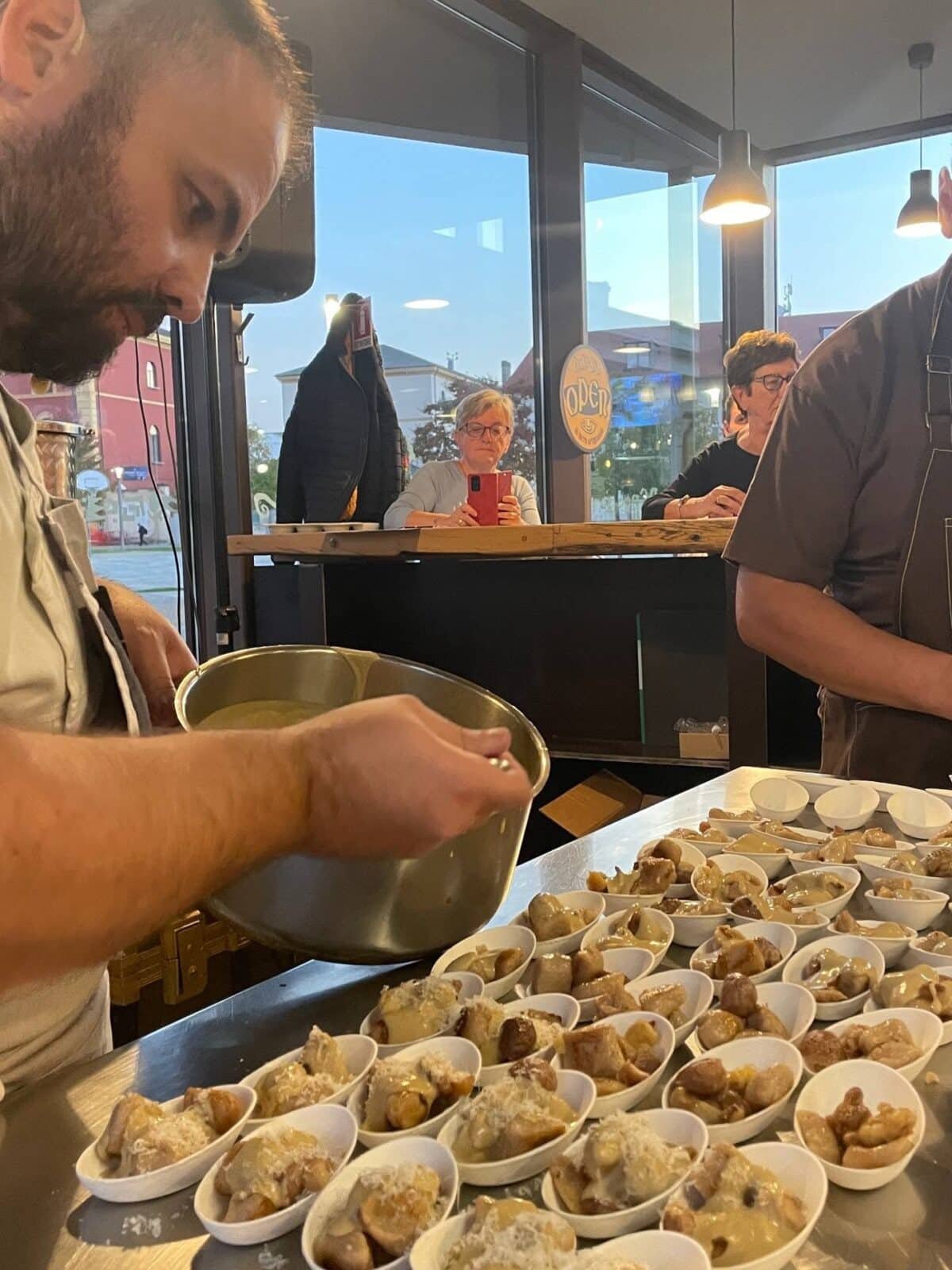
Traditional chestnut dishes: Among the most celebrated are roasted chestnuts roasted on open fire, marron glacés, candied chestnuts that are the sweet cousin of beloved marron glacé, castagnaccio cake made with chestnut flour, olive oil and rosemary, chestnuts in syrup, chestnut cake, chestnut mousse, chestnut cheesecake, chestnut jam, chestnut flour biscuits, chestnut flour pancakes smeared with ricotta served on a chestnut leaf, chestnut polenta, chestnut risotto, chestnut gnocchi, pasta with chestnut cream and chestnut soup.
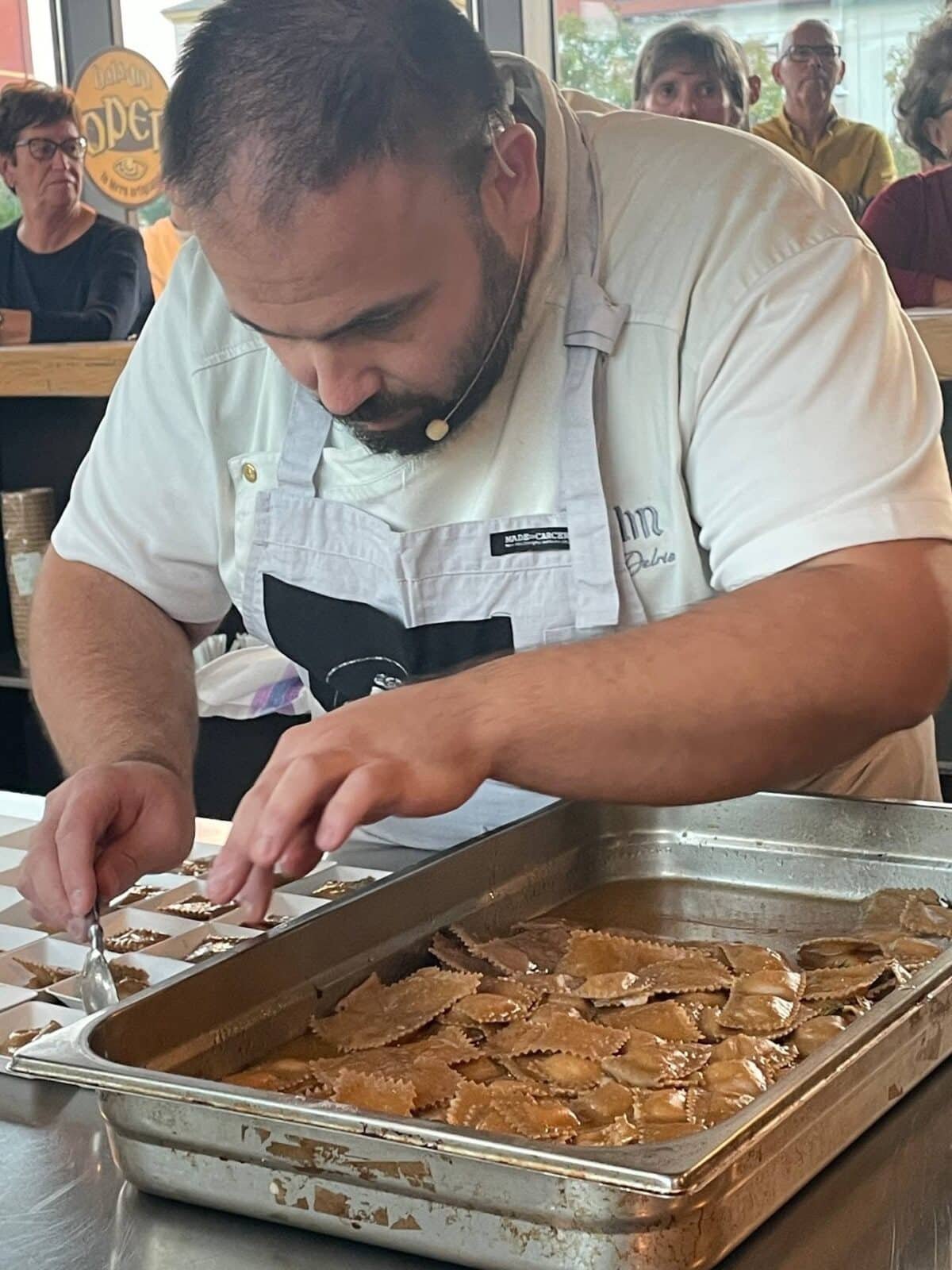
Innovative savory dishes: During the fair, restaurateurs offer contemporary and experimental recipes prepared on the spot, showcasing chestnuts as main ingredient. Examples from recent editions include chestnut flour ravioles with wild boar ragù, green curry sauce, brown butter and black cabbage, Mont Blanc according to Il Nazionale, wild boar meat with chestnut sauce, chestnut polenta with braised meats and chestnut flour crepes with cheese and mushrooms.
Piedmontese specialties beyond chestnut: The festival also celebrates other typical products of Cuneo area, such as Valle Varaita ravioli, pancakes, polenta, fried mushrooms, sausages, honey, fungi, Cervere leek, toma cheese, Raschera cheese, Bra sausage and local wines. These products reflect the agricultural bounty of the Mediterranean Alps and are often paired with chestnut preparations.
Marrons glacés tradition: Cuneo is famous for marrons glacés, a confectionery tradition where marroni are candied with sugar syrup and glazed, requiring careful hand work over several days. The fair hosts confectionery producers showing their marrons glacés, with tastings and sales, allowing visitors to appreciate the difference between industrial and artisanal production.
Street food and liqueurs: Alongside dishes strictly linked to local tradition, stands offer chestnut cake, chestnut polenta, pancakes, liqueurs made from chestnuts, chestnut beer and hot chestnut drinks, perfect for warming up during autumn evenings.
Chefs, Restaurants & Food Vendors
The food protagonists of Fiera Nazionale del Marrone are local producers, artisan confectioners, Piedmontese chefs and restaurateurs, and educational institutions.
Chestnut producers and confectioners: Dozens of producers from Cuneo valleys display raw chestnuts of different varieties, each with unique organoleptic characteristics, as well as processed products such as chestnut flour, jam, honey, marrons glacés and chestnuts in syrup. Artisan confectioners demonstrate how marrons glacés are made, with careful peeling, candying and glazing.
Local restaurants and trattorias: Restaurants across Cuneo, such as Osteria Senza Fretta, 4 Ciance, Osteria della Chiocciola and others, participate in restaurant circuit, serving chestnut in every possible culinary form. Meals featuring traditional Piedmontese cuisine with seasonal ingredients and locally sourced products are offered, with menus highlighting chestnut as main ingredient.
Street food and exhibition stands: Located in historical downtown, especially Via Roma and Piazza Galimberti, stands offer roasted chestnuts, chestnut flour pancakes, polenta, fried mushrooms, Valle Varaita ravioli, sausages, honey, fungi and other local products. Cooking demonstrations, workshops and exhibitions are held throughout the program.
Chefs and innovators: Chefs such as Fabio Ingallinera have developed creative dishes using smoked chestnuts in dry form, an evolution born in the kitchen, developing whole series of dishes. Such innovations show how chestnut can be used beyond tradition, with techniques like smoking, drying and transforming into flour for modern cuisine.
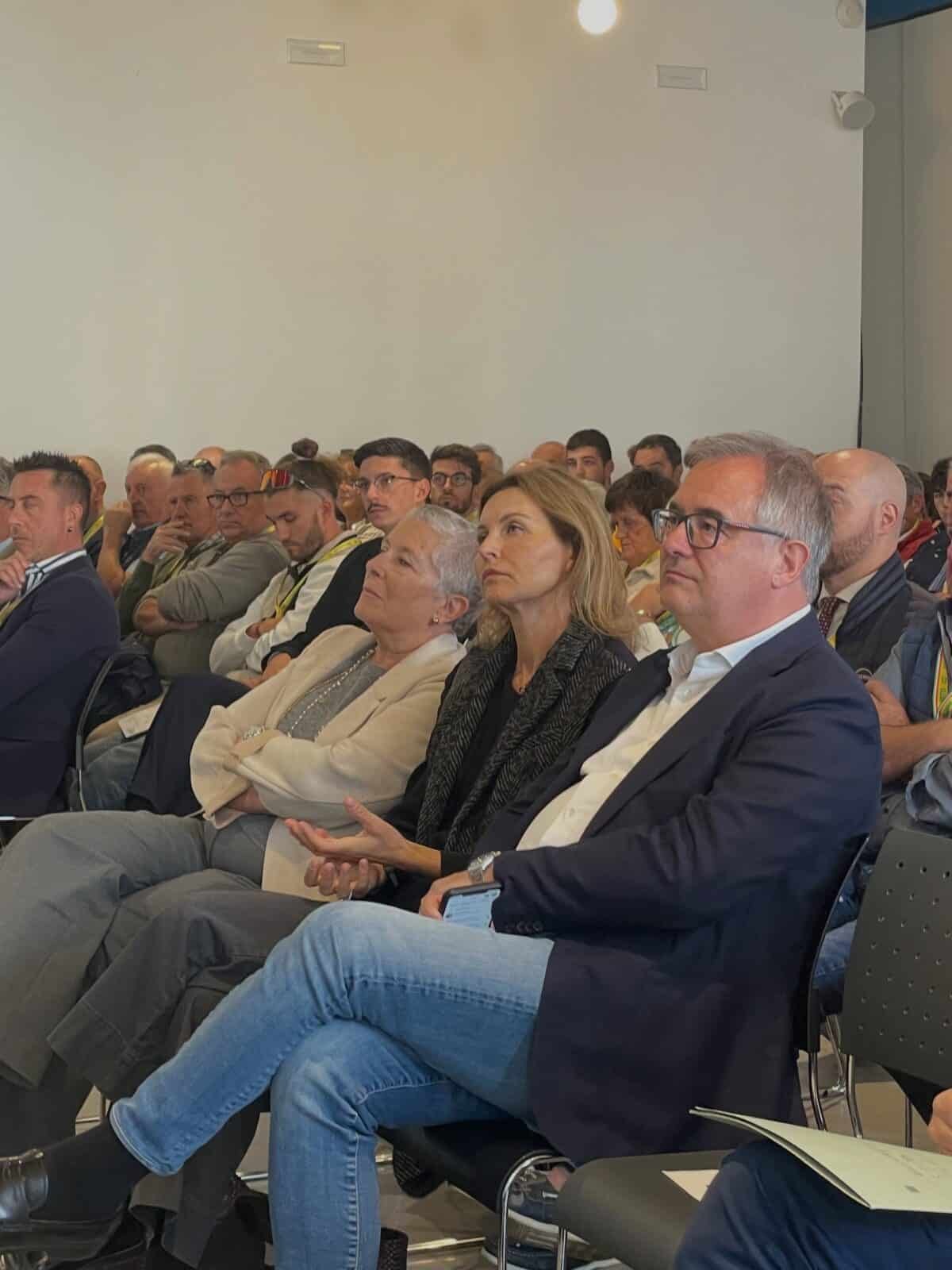
Cultural and scientific partners: The fair collaborates with Slow Food, University of Gastronomic Sciences in Pollenzo, Cuneo Chamber of Commerce and local agricultural associations for technical conferences, didactic laboratories and scientific divulgation about chestnut cultivation, biodiversity and climate resilience.
Food Experience
The food experience at Fiera Nazionale del Marrone is structured as a multisensory itinerary through gastronomy, culture and entertainment.
Exhibition and tasting itinerary: Visitors can walk along Via Roma closed to traffic and through Piazza Galimberti, discovering dozens of stands with food, arts and crafts. The itinerary includes traditional chestnut market in town square with product exhibitions, area of former sports field with stands and trattorias serving chestnut cake, chestnut polenta, pancakes and liqueurs, and restaurant circuit across city where chestnut is incorporated into dishes.
Cooking demonstrations and didactic laboratories: The program includes cooking demonstrations where chefs prepare chestnut-based dishes on the spot, didactic laboratories for children and adults about chestnut cultivation, processing and cooking, and exhibitions about chestnut history and its role as basis of daily cooking for poor families.
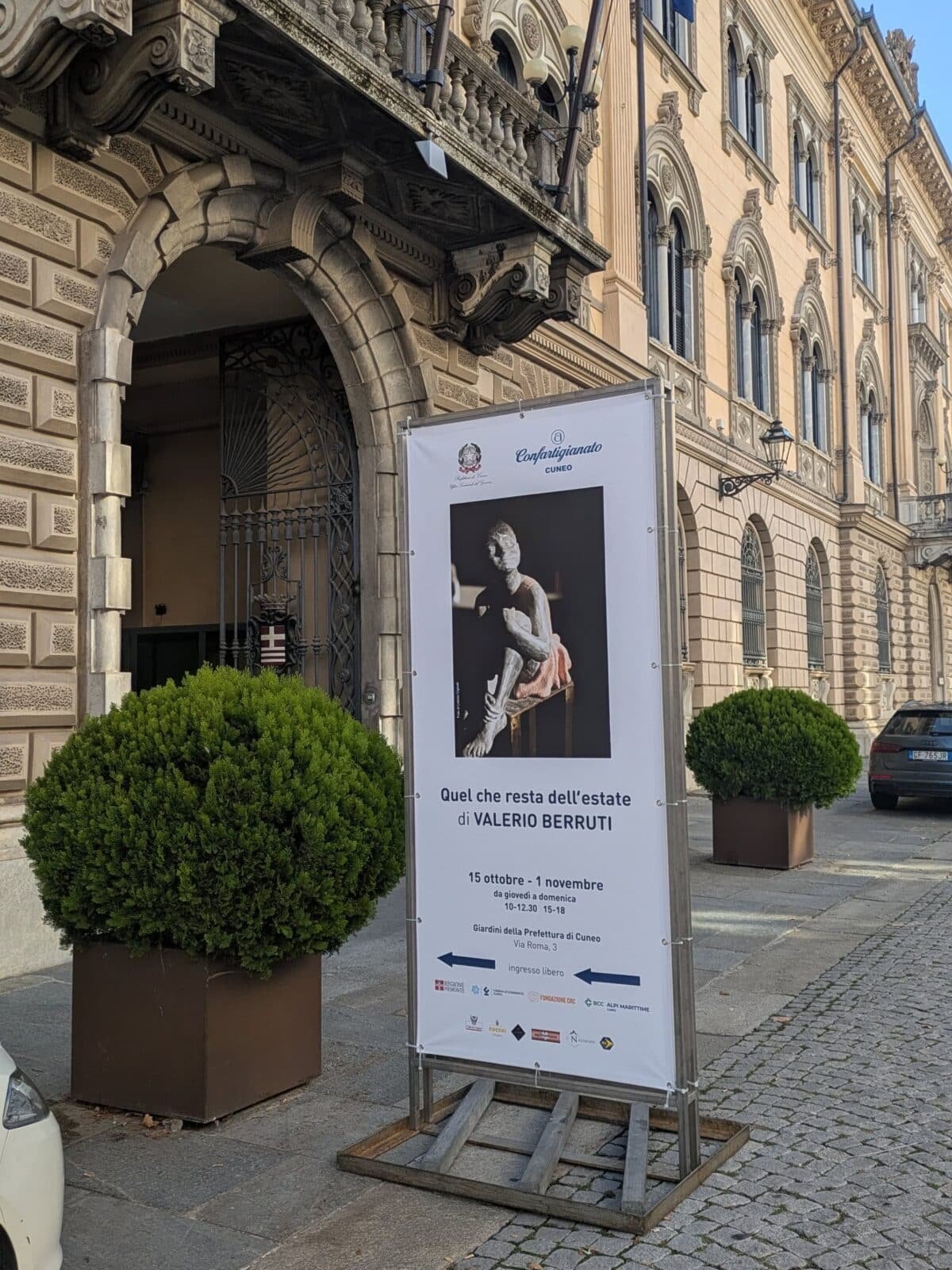
Cultural and entertainment events: In addition to exclusively food and wine moments, there are live music concerts, shows, cultural performances, photo exhibitions, street artists and convivial evenings. The town comes alive with shows and entertainment, creating a festive atmosphere suitable for families.
Tasting and purchasing: Visitors can taste roasted chestnuts, marrons glacés, chestnut flour biscuits, chestnut jam and innovative savory dishes, comparing different varieties and producers. They can purchase raw chestnuts, flour, marrons glacés, jams, liqueurs and other products to take home, with many vendors offering vacuum packing.
Educational value: The fair offers opportunity to understand cultivation and processing methods, differences between chestnut and marrone, nutritional value and sustainability of chestnut forests. It represents a moment of sharing between producers, industry experts and enthusiasts, where ancient knowledge intertwines with contemporary innovations.
Data e Programma
Date degli eventi: October 2027 (Dates TBD)
Official Timing and Program Structure Based on Previous Editions:
Durata: The fair typically takes place over three days, from Thursday or Friday to Sunday, with events running from morning until evening.
Daily Program: Exhibition and market open from 9:00 AM to 8:00 PM, with food stands serving lunch and dinner, cooking demonstrations, didactic laboratories, technical conferences, cultural events, exhibitions, live music concerts, shows and cultural performances throughout the day.
Gastronomic Itineraries: Food and wine moments, including roasted chestnuts on open fire, marrons glacés tastings, chestnut-based dishes in restaurants across city, and street food stands offering chestnut cake, polenta, pancakes and liqueurs.
Collateral Events: Cultural proposals, scientific-divulgative conferences, technical conferences about chestnut cultivation and processing, didactic laboratories for children, exhibitions and concerts in Piazza Galimberti and other venues.
Restaurant Circuit: Local restaurants offer special chestnut menus during entire fair period, with chestnut served in every imaginable form, from appetizers to desserts.
Visitare questo evento? Non perderti queste attività straordinarie ed esperienze locali mentre sei qui.
Posizione e sede
Cuneo is a city in Piedmont, northwestern Italy, located 50 kilometers south of Turin, at the confluence of Stura and Gesso rivers, known as the green capital of Piedmont for its numerous parks and gardens that extend to the base of ancient walls demolished during Napoleonic era. The city is surrounded by one of the country’s most important chestnut-producing regions, with valleys such as Valle Grana, Valle Gesso, Valle Stura, Valle Varaita and Valle Maira famous for chestnut cultivation.
The venue is the historical downtown of Cuneo, especially Via Roma, the main shopping street closed to traffic for fair, Piazza Galimberti, the characteristic square surrounded by shops and cafés and home to annual festivals, and other squares such as Piazza Virginio, Piazza Europa and surrounding streets. The fair uses both outdoor stands and indoor venues for conferences, exhibitions and concerts.
Cuneo’s historic center is elegant, with porticoed streets, Baroque churches, medieval towers and Art Nouveau buildings, offering a charming backdrop for food festival. The city is also known for its weekly market and for being gateway to Mediterranean Alps, with easy access to mountains, ski resorts and natural parks.
Come arrivare all'evento
By Train: Cuneo is accessible by train from Turin, with direct regional trains taking about 1 hour, costing USD 6 to USD 9. The train station is about 10 minutes’ walk from historical downtown. From Milan, train via Turin takes about 3 hours.
By Car: Cuneo is easily reachable via A6 Torino-Savona and A33 Asti-Cuneo motorways, exiting at Cuneo. The city is about 90 kilometers from Turin, 150 kilometers from Genoa and 200 kilometers from Milan. During festival days, traffic in historical center is restricted, with parking areas organized outside center with shuttle services.
By Air: The closest airports are Turin Caselle, about 90 kilometers away, and Milan Malpensa and Linate, about 150 to 200 kilometers away. From airports, train or car connections via Turin are available.
Local Mobility: The historical downtown is compact and walkable, with all event areas within walking distance. Comfortable shoes are recommended due to cobblestones. Information points with maps, assistance for visitors with limited mobility and designated rest areas are available. Cuneo is 50 kilometers south of Turin, accessible by train.
Dove Alloggiare nelle vicinanze
Cuneo offers a range of accommodation options that allow visitors to experience the fair fully, from boutique hotels inside historic center to agriturismi surrounded by chestnut forests.
Staying in historical center offers advantage of walking to Via Roma and Piazza Galimberti and enjoying evening entertainment without needing transportation. Boutique hotels and bed and breakfasts in renovated historic buildings offer authentic charm, often with terraces overlooking Piazza Galimberti or porticoed streets.
Agriturismi and country resorts in surrounding valleys, such as in Valle Grana, Valle Gesso and Valle Stura, offer tranquility, chestnut forest views, swimming pools and farm-to-table breakfasts with local cheeses and chestnut products. These properties often organize chestnut picking experiences, cooking classes and hiking tours.
Nearby towns such as Borgo San Dalmazzo, Busca, Dronero and Limone Piemonte offer additional hotels, boutique accommodations and mountain lodges, all within 30 minutes’ drive.
Booking well in advance, at least two to three months ahead, is strongly recommended, as Fiera Nazionale del Marrone is one of the most important food festivals of Italy and accommodations fill up quickly, especially for weekend nights.
Cose da fare prima o dopo l'evento
Visit chestnut valleys: Explore Cuneo’s valleys famous for chestnut cultivation, such as Valle Grana, Valle Gesso, Valle Stura and Valle Varaita, with chestnut forests, ancient villages, sanctuaries and hiking trails, especially beautiful during autumn foliage.
Patrimonio culturale: Visit Cuneo’s historic sites such as Via Roma with porticoes, Cathedral, Church of San Francesco, Civic Museum, Resistance Museum and Contrada Mondovì, the medieval quarter with artisan shops.
Wine and food tours: Take advantage of location to visit Barolo, Barbaresco, Alba with white truffle, Bra with cheese, and other Langhe and Roero towns, with cellar tours, vineyard walks and tastings, all within 60 minutes from Cuneo.
Nature and outdoor activities: Enjoy parks such as Parco Fluviale Gesso e Stura, with walking and cycling trails along rivers, and mountain activities such as hiking, mountain biking and wildlife watching in Maritime Alps Natural Park.
Scrittorincittà and other events: If your visit extends, attend Scrittorincittà in November, a popular literary festival with hundreds of participants from all over Italy discussing theme of event, and other autumn events in Cuneo.
Gastronomic experiences: Join cooking classes for chestnut-based dishes, truffle hunting in Langhe, cheese tasting tours for Castelmagno, Raschera and Bra, and honey and wine tastings.
Restaurants & Local Food to Try
Cuneo and Piedmont offer outstanding trattorias, osterias, enotecas and fine dining restaurants where you can deepen your culinary journey beyond the fair.
Must-try dishes: Beyond chestnut dishes, try tajarin, plin, bagna cauda, vitello tonnato, bollito misto, brasato al Barolo, bagnet, Valle Varaita ravioli, polenta with sausage, fried mushrooms, and desserts such as bunet, panna cotta and torta di nocciole.
Prodotti locali: Marrone di Cuneo IGP, Castelmagno DOP, Raschera DOP, Bra DOP, Toma Piemontese, honey, Cuneo ham, Granda salami, hazelnuts from Langhe, Barolo, Barbaresco and other Piedmontese wines.
Recommended restaurant styles: Historic osterias in center for traditional Piedmontese cuisine at reasonable prices, enotecas and wine bars around Piazza Galimberti for aperitivo with chestnut tasting plates, Michelin-starred restaurants in Langhe for creative interpretations, and agriturismi for farm-to-table experiences.
Food shopping: Local shops sell marrons glacés, chestnut flour, chestnut jam, honey, cheeses, cured meats, hazelnuts and wines that make excellent souvenirs, with many vendors offering shipping services.
Dietary & Food Allergy Information
The fair is attentive to dietary needs, with many options available across different venues.
Vegetarian and vegan options: Many chestnut dishes are vegetarian, such as roasted chestnuts, chestnut polenta, chestnut cake, chestnut mousse, chestnut jam, chestnut flour biscuits and chestnut soup. Vegan options are available, as chestnut itself is plant-based, with dishes like roasted chestnuts, chestnut flour pancakes with mushrooms and chestnut soup made without animal products. Some stands offer vegan plates.
Gluten-free: Chestnut flour is naturally gluten-free, making many dishes suitable for celiac visitors, such as roasted chestnuts, chestnut polenta, chestnut cake made with chestnut flour, marrons glacés and chestnut jam. However, cross-contact cannot be fully excluded in crowded market conditions. Some vendors offer certified gluten-free products.
Allergens: All authorized food points are required to display allergen information in accordance with EU regulations, listing presence of gluten, nuts, milk and other major allergens. Chestnuts are tree nuts, so those with nut allergies should be cautious. Since preparation takes place in communal kitchens and crowded conditions, cross-contact cannot be fully excluded for severe allergies. Speak directly with vendors, carry personal medication and contact organizers in advance for specific guidance.
Nutritional value: Chestnuts are nutritious, rich in complex carbohydrates, fiber, vitamins and minerals, with lower fat than other nuts. They were historically basis of daily cooking for poor families and are now appreciated for healthy properties.
Informazioni sui biglietti
Fiera Nazionale del Marrone offers free admission to exhibition and market areas, with food and workshops priced separately at popular prices based on previous editions converted to USD.
Entry and Entertainment: Free admission to exhibition market, food stands area, cultural events, exhibitions, live music concerts, shows and cultural performances. The fair is family-friendly with audience for everyone.
Food and Tastings: Typical prices include roasted chestnuts cone USD 6.50, chestnut flour pancakes USD 6.50, chestnut polenta with cheese USD 8.70, Valle Varaita ravioli USD 10.90, chestnut cake slice USD 5.45, marrons glacés box of 6 USD 13.00, chestnut jam jar USD 8.70, chestnut beer USD 5.45, chestnut liqueur glass USD 4.35.
Workshops and Didactic Laboratories: Some workshops and didactic laboratories may require separate booking with small fee, typically USD 5.45 to USD 10.90, with limited seats.
Restaurant Circuit: Local restaurants offer special chestnut menus during fair period, with prices ranging from USD 32.50 to USD 65.00 per person for multi-course menus featuring chestnut in every course.
Where to buy: Food tickets can be purchased directly at stands with cash and card payments.
Informazioni ufficiali sull'evento
Title: Fiera Nazionale del Marrone 2027 – Cuneo, Italy
Organizzatore: Comune di Cuneo – With support of Regione Piemonte, Camera di Commercio di Cuneo and local associations
Sito ufficiale: https://www.marrone.net/
Contact Phone: +39 0171 444285
Contact E-mail: manifestazioni@comune.cuneo.it
Sede: Historical downtown of Cuneo – Via Roma, Piazza Galimberti, Piazza Virginio and surrounding streets, Cuneo, Piedmont, Italy
Social and Updates: Full program, exhibitor list, conference schedule, concert line-ups and restaurant circuit map are published on official website marrone.net and on official social media channels. Check weather and program on website for daily updates.
Notes: The event takes place regardless of weather conditions, with covered areas available. Visitors are asked to respect historic center, use recycling bins and support local producers by purchasing authentic products. Some 25,000 to 30,000 kilograms of chestnuts are consumed each year.
Video
Posizione
Domande frequenti
Is there an entrance fee for Fiera Nazionale del Marrone?
No, entry to the exhibition market, food stands area, cultural events, exhibitions, live music concerts and shows is completely free with free admission for everyone. You only pay for food tastings, restaurant menus, workshops and take-home purchases. This free model ensures inclusivity and allows families to enjoy the historic center while supporting local producers.
What is the difference between a chestnut and a marrone?
A marrone is a selected variety of chestnut, characterized by thicker shell, single fruit per burr, larger size and sweeter, more delicate flesh with superior organoleptic qualities. Unlike common chestnut, marrone is particularly suitable for fresh consumption and high-quality culinary preparation such as marrons glacés, and is the prized variety celebrated at Cuneo fair.
What kind of food can I taste at the fair?
You can taste roasted chestnuts on open fire, marrons glacés, chestnut cake, castagnaccio, chestnuts in syrup, chestnut mousse, chestnut jam, chestnut flour biscuits and pancakes, chestnut polenta, risotto, gnocchi, soup, plus innovative savory dishes like chestnut flour ravioles with wild boar ragù, and other Piedmontese specialties such as Valle Varaita ravioli, polenta, fried mushrooms, sausages and honey.
Is the fair suitable for families and children?
Yes, the fair is very family-friendly with free admission, didactic laboratories for children and adults about chestnut cultivation and cooking, exhibitions, live music concerts, shows, cultural performances and presence of farm animals. The historical downtown is compact and walkable, with covered areas, rest areas and free shuttle services making it comfortable for families.
Can I buy authentic Cuneo chestnuts and marrons glacés to take home?
Yes, dozens of producers from Cuneo valleys display raw chestnuts of different varieties and processed products such as chestnut flour, jam, honey, marrons glacés and chestnuts in syrup directly at stands. Many vendors offer vacuum packing for travel and shipping services, allowing you to bring the authentic taste of Cuneo home while supporting local economy.

Lascia un commento