From Italy to the Rest of Europe: A Guide to Event-Based Travel
Italy has long been a favorite destination for travelers drawn to its historic cities, celebrated cuisine, impressive architecture, and beautiful landscapes. Yet a European holiday does not have to revolve exclusively around famous landmarks or traditional sightseeing. Concerts, cultural festivals, food celebrations, sporting competitions, and seasonal events can offer another way to discover a destination and connect with its local character.
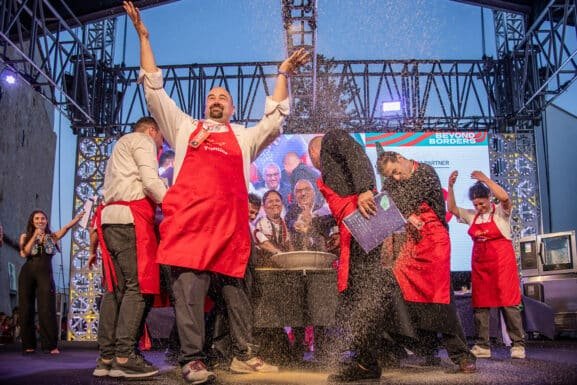
This approach, often described as event-based travel, starts with an experience rather than a place. Instead of deciding where to go and searching for activities afterward, travelers identify an event they would love to attend and build their itinerary around it. A music festival in France, a cultural celebration in Spain, or a major sporting event in Germany can become the reason to extend an Italian holiday into a wider European journey.
With thoughtful planning, event-based travel can turn a conventional vacation into a collection of memorable experiences across several destinations.
Enjoy Your Event Stress-Free with Italy Travelo
Whether you're traveling for a world-famous festival, live concert, cultural celebration, or business event, Italy Travelo helps simplify every step of your journey. Our team provides personalized travel assistance, allowing you to focus on creating lasting memories.
Why Events Make Travel More Meaningful
Events give travelers a specific reason to visit a place at a particular time. While a city’s museums and historic attractions may be available throughout the year, a festival or concert creates a unique experience tied to a particular date and atmosphere.
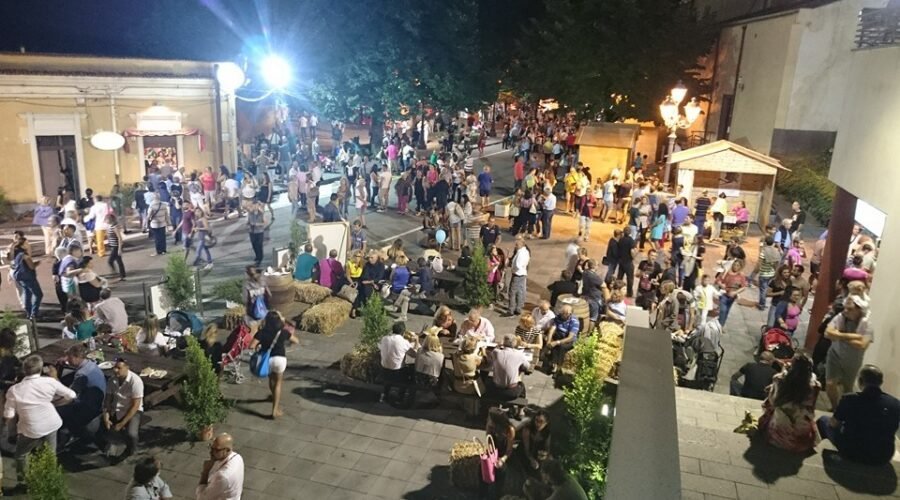
Attending a local celebration can also reveal aspects of a destination that visitors might not discover through sightseeing alone. Traditional music, regional food, performances, crafts, and community gatherings provide opportunities to understand local customs and contemporary culture.
For international travelers, events can offer a shared experience that crosses language barriers. Music audiences, sports supporters, and festival visitors often come together because of a common interest, making it easier to connect with people who share their enthusiasm.
Events can also help travelers discover lesser-known destinations. A small city hosting a respected music festival or a regional town celebrating an annual tradition may provide a refreshing alternative to Europe’s busiest tourist centers.
The result is a trip shaped by personal interests rather than a checklist of attractions.
Start in Italy, Then Explore Further
Italy is an excellent starting point for event-based travel because its regions offer an extraordinary variety of cultural and entertainment experiences. Visitors can explore music performances, traditional festivals, food events, art exhibitions, and sporting competitions while moving between cities such as Rome, Milan, Florence, Bologna, and Naples.
The next step is to look beyond Italy’s borders. Depending on the season and available transport, travelers can combine an Italian stay with an event in a neighboring country or plan a longer route through several European destinations.
For example, a traveler attending a concert in Milan might continue to Switzerland or France before returning home. Someone visiting northern Italy could explore events in southern Germany or Austria, while a longer summer holiday might include a music festival in Spain.
These combinations depend on actual event dates, transport connections, and personal budgets, so it is important to research each journey before making reservations.
Travelers looking for inspiration can browse a European events and festivals guide to explore events that may complement their plans. Discovering a suitable festival or performance early can help determine which cities to visit, how long to stay, and whether a multi-country itinerary makes sense.
Choosing the Right Events for Your Trip
The best event is not necessarily the largest or most famous. It should fit the traveler’s interests, available time, budget, and preferred style of holiday.
Music lovers might prioritize concerts, outdoor performances, or multi-day festivals. Travelers interested in culture may prefer traditional celebrations, historical reenactments, or regional arts events. Food enthusiasts can look for events dedicated to local specialties, wine-growing traditions, or regional cuisine, while sports fans may organize a trip around a major match or competition.
It is also worth considering the scale of the event. Large international festivals can offer impressive lineups and an energetic atmosphere, but they may involve higher accommodation prices, crowded transport, and extensive queues. Smaller events may provide a more relaxed experience and an opportunity to explore a destination at a slower pace.
Before committing, check the official event website for confirmed dates, venue information, ticket availability, entry requirements, and any schedule changes. If an event has not yet announced its full program, avoid building a complicated itinerary around unconfirmed details.
A little research can prevent an exciting idea from becoming a difficult travel arrangement.
Build a Practical Multi-Country Itinerary
When planning an event-based trip, the event should anchor the itinerary, but it should not consume the entire schedule. Arriving a day before a major concert or festival can provide a useful buffer against transport delays and allow time to settle into the destination.
After the event, consider spending an additional day exploring the host city before moving on. This gives travelers the opportunity to enjoy local restaurants, historic neighborhoods, museums, or nearby attractions without feeling rushed.
Geography matters, particularly when combining several countries. Rather than moving between distant destinations for every event, group activities according to their location and transport connections. A trip through northern Italy, Switzerland, and southern Germany may be easier to manage than trying to include multiple cities spread across the continent within a few days.
Rail travel can be convenient for many routes, especially between well-connected European cities. Flights may be practical for longer distances, while regional buses can sometimes offer lower-cost alternatives. Compare the complete journey, including transfers and station or airport access, rather than looking at the ticket price alone.
Allowing sufficient travel time between events is essential. A delayed train or a late-running performance should not cause an entire holiday itinerary to unravel.
Budgeting for Events and Travel
Event-based travel can fit a range of budgets, but popular performances and festivals can increase costs significantly. Accommodation prices may rise around major events, while transport services can become busy as visitors arrive in the same destination.
Begin by setting a total trip budget that includes event tickets, accommodation, intercity transport, local travel, meals, and sightseeing. Keep a separate allowance for unexpected expenses, particularly when the itinerary involves several countries.
Compare accommodation options according to location and transport access. Staying in a city center can make sightseeing easier, while accommodation farther from the center may be more affordable. For large concerts and festivals, check how long it takes to reach the venue and whether public transport operates after the event finishes.
Ticket prices also require careful consideration. Some events offer several ticket categories, early booking periods, or multi-day passes. Buy through official organizers or authorized sellers whenever possible, and review refund and transfer conditions before paying.
Travel insurance may be useful for covering eligible unexpected disruptions, but travelers should check the policy’s exclusions and limits. It should not be assumed that every canceled event, missed connection, or change of plan will be covered.
Experience Local Culture Between Events
One advantage of event-based travel is that it creates a natural structure for exploring beyond the main attraction. The hours before a concert or the day after a festival can become opportunities to discover a destination’s everyday character.
In Italy, visitors might spend time exploring neighborhood markets, trying regional dishes, or visiting historic sites away from the busiest tourist areas. In France, Spain, Germany, or another European destination, they can seek out local cafés, independent shops, public squares, and cultural institutions.
Regional food is particularly valuable for travelers who want to understand the places they visit. A local market or traditional restaurant can reveal ingredients, cooking styles, and customs that differ considerably from one region to another.
It is equally important to respect local communities, especially during major events. Follow venue rules, use designated transport, dispose of waste responsibly, and be mindful of noise when returning to residential areas late at night.
The event may be the reason for visiting, but these smaller experiences often become some of the most memorable parts of the journey.
Discover Events Before Booking Your Destination
Finding the right event can be one of the most enjoyable stages of planning. Instead of searching only for attractions in a particular city, travelers can begin with broader interests and discover where those experiences are taking place.
Event calendars, official venue websites, festival organizers, tourism websites, and artist announcements can all help identify potential opportunities. A European event directory such as Eura Travelo can also provide a starting point for discovering festivals, concerts, and other events across different destinations.
Once an interesting event is identified, confirm its details directly with the organizer. Check the date, location, program, ticket arrangements, and any restrictions that could affect your visit. It is also sensible to verify accommodation and transport availability before committing to a non-refundable booking.
Flexibility can be especially useful when planning around annual festivals or events whose schedules have not yet been finalized. Having alternative activities or a backup destination makes it easier to adjust plans if circumstances change.
The Best Time to Plan an Event-Based Holiday
There is no single ideal season for event-based travel in Europe. Summer offers many outdoor concerts, music festivals, and public celebrations, often accompanied by longer daylight hours. Spring and autumn can provide opportunities to discover cultural events while exploring cities in milder conditions, although the actual weather varies by destination.
Winter has its own attractions, including seasonal markets, indoor performances, concerts, and celebrations tied to local traditions. Travelers who prefer smaller crowds may find certain dates outside peak holiday periods more appealing, but major events can still create busy conditions regardless of season.
The best strategy is to work backward from the event. Once the date is confirmed, compare transport options, accommodation, and nearby activities. Booking earlier may provide more choice, while flexible travel dates can sometimes make the overall journey more affordable.
Make the Event Part of a Bigger European Story
Event-based travel offers a different way to experience Europe. It connects destinations through music, culture, food, sport, and shared interests, allowing travelers to build holidays around the experiences that matter most to them.
Italy can be the beginning of that journey, rather than the only destination. A concert, festival, or cultural celebration can lead to an additional city, a new country, or a region that might otherwise have remained outside the itinerary.
The most successful trips balance careful preparation with enough freedom to explore. Confirm the essential arrangements, leave room for unexpected discoveries, and choose events that genuinely reflect your interests.
Ultimately, a European holiday becomes more than a series of famous sights when it is built around meaningful experiences. Starting with an event can give the journey a purpose, introduce travelers to new places, and create memories that continue long after the trip has ended.