

-
8 septembre 2026
Date de l'événement :
-
15 novembre 2026
Fin de l'événement :
À quoi s’attendre en 2026
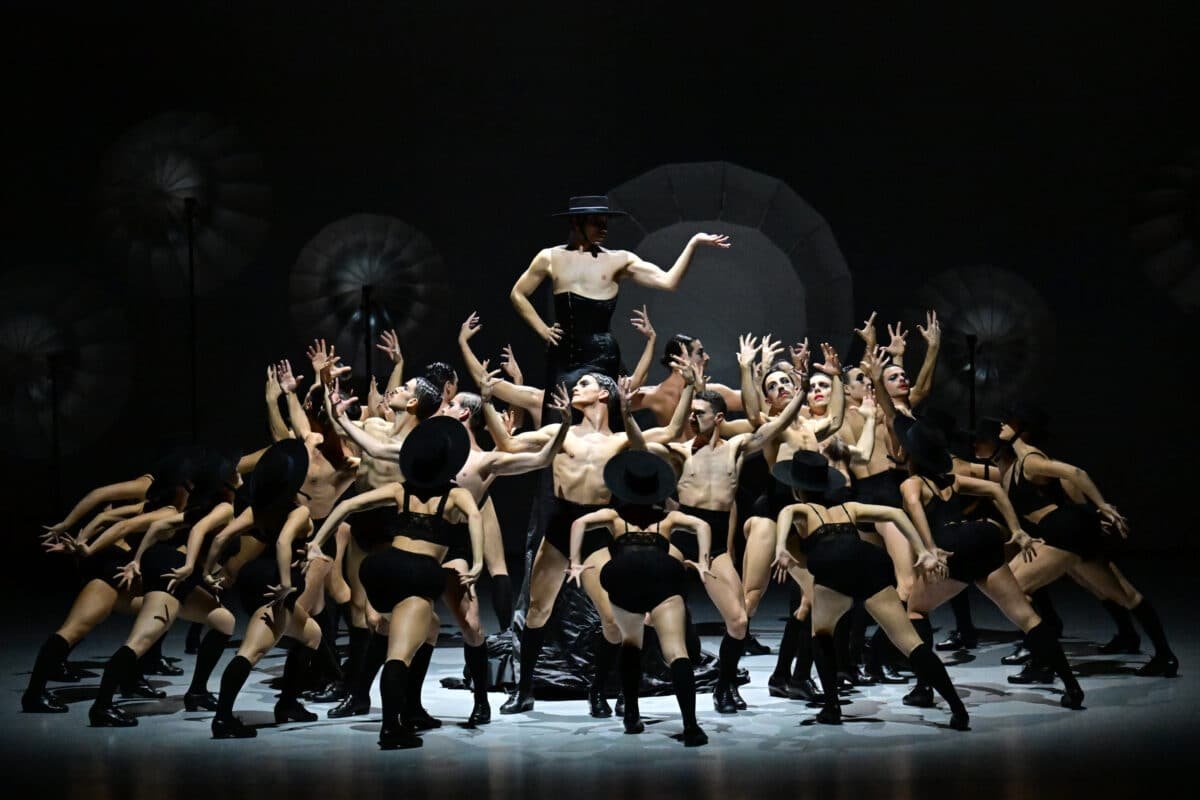
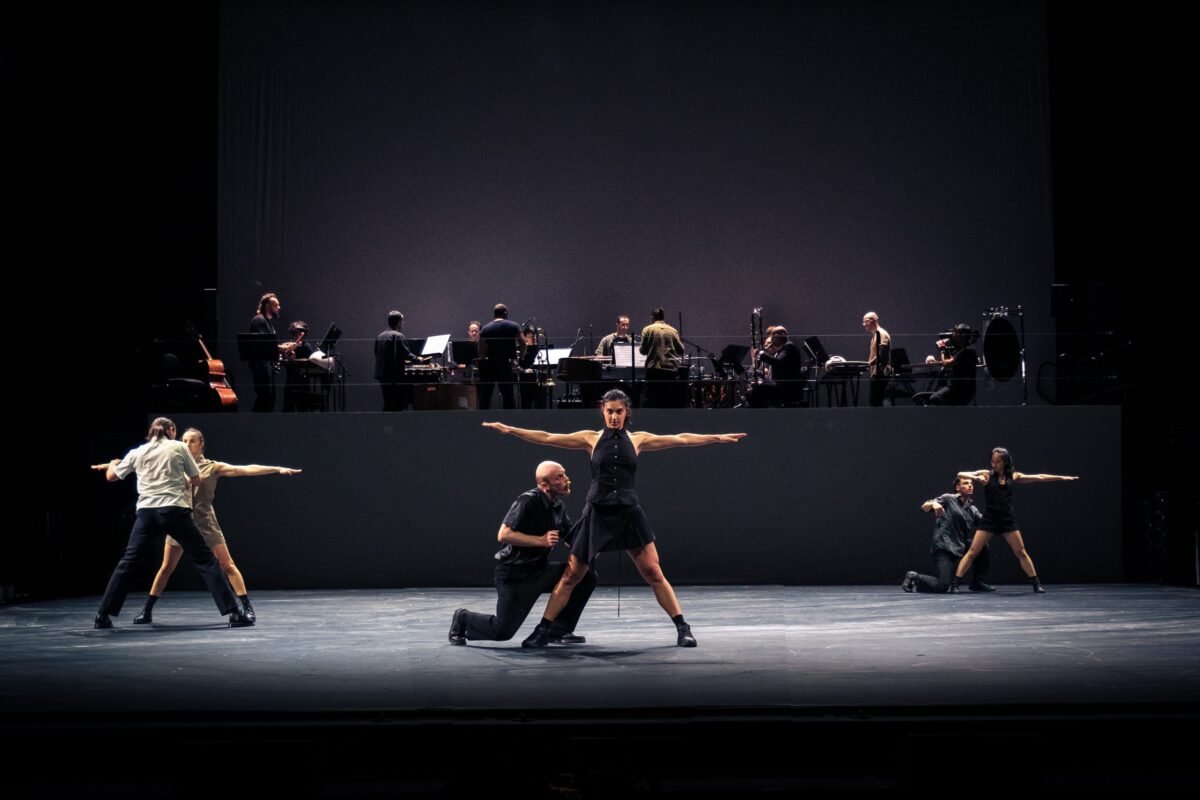
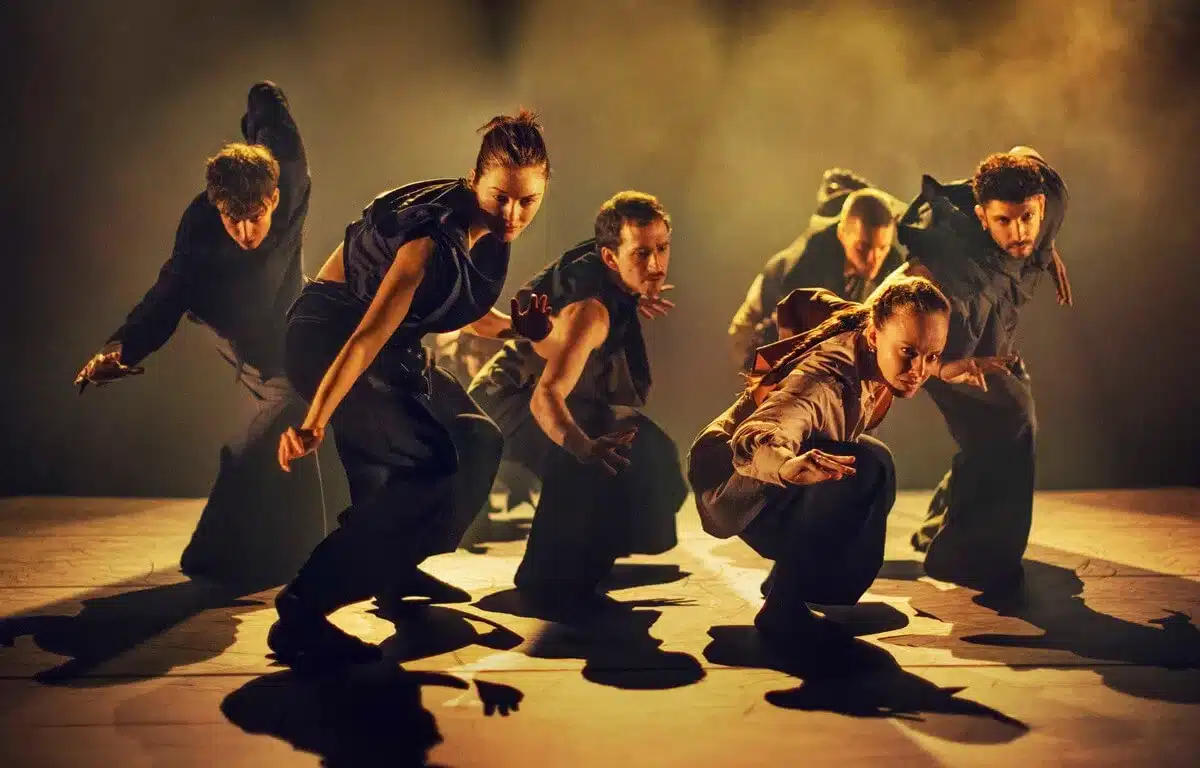
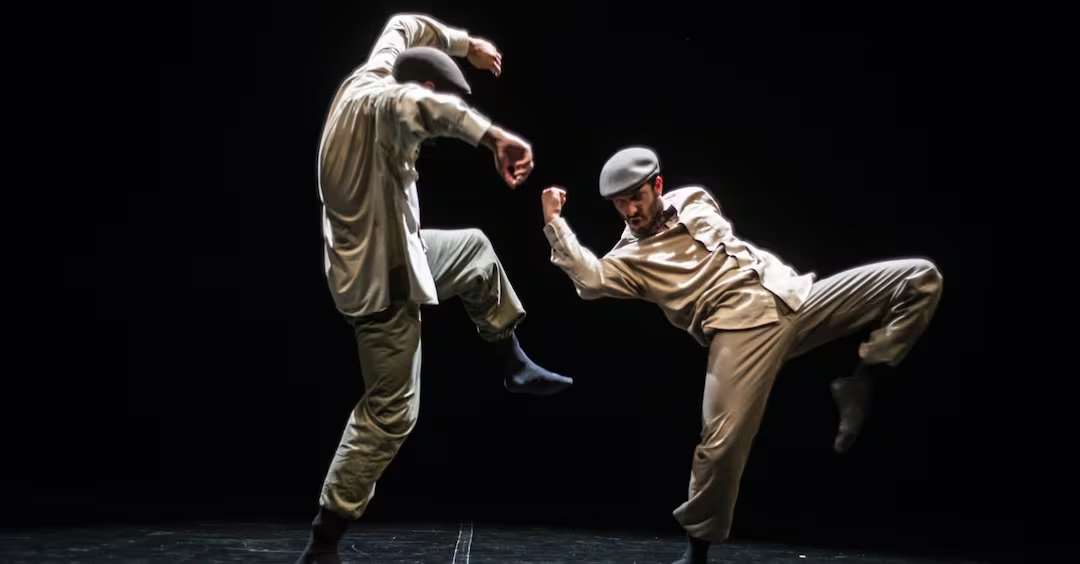
Romaeuropa Festival 2026 returns to Rome for its 41st edition from September 8 through November 15, bringing contemporary dance, theatre, music, digital arts, experimental performance and family programming to venues across the city. The official 2026 programme features more than 90 performances and projects, connecting established international artists with emerging creators and multidisciplinary productions.
The 2026 edition places particular emphasis on international artistic exchange. The festival highlights the 75th anniversary of the resumption of diplomatic relations between Italy and Germany and the 70th anniversary of the Rome–Paris twinning, while continuing collaborations with major European cultural institutions and international partners.
Visitors can expect a programme that moves between traditional theatre spaces, concert halls, contemporary art venues and the Mattatoio complex. The festival includes dance premieres, theatre productions, concerts, audiovisual projects, electronic music, children’s performances, workshops and Ultra REF events.
Profitez de votre événement sans stress avec Italy Travelo
Que vous voyagez pour un festival mondialement connu, un concert en direct, une célébration culturelle ou un événement professionnel, Italy Travelo vous aide à simplifier chaque étape de votre voyage. Notre équipe propose une assistance personnalisée aux voyages, vous permettant de vous concentrer sur la création de souvenirs durables.
Among the major names appearing in the 2026 programme are Sofia Nappi, Caterina Barbieri, Benjamin Millepied, Fatoumata Diawara, Philip Glass, Jeff Mills, Kety Fusco, Wim Vandekeybus, Sasha Waltz, Romeo Castellucci, Jlin, Third Coast Percussion, Giovanni Sollima, Enrico Melozzi and many others.
Dates des événements
Dates des festivals : September 8 – November 15, 2026
Opening: September 8, 2026
Closing: November 15, 2026
The opening performance is Sofia Nappi and KOMOCO’s DODI – Chora – Il vuoto all’origine at Auditorium Conciliazione on September 8 at 9:00 PM. The closing day includes several music performances at Auditorium Parco della Musica, including a 100 Cellos Morning Session, Vanessa Wagner’s Philip Glass programme, Third Coast Percussion and The Classical Rave Party.
Because the festival runs for more than two months, individual productions have their own dates and performance times. Visitors should check the official programme for the exact date and time of each show before booking.
Vous visitez cet événement ? Ne manquez pas ces activités et expériences locales étonnantes pendant votre séjour.
Lieux de spectacle et lieux de représentation
Romaeuropa Festival uses a large network of theatres, concert halls, cultural institutions and contemporary performance spaces throughout Rome.
Major 2026 venues include:
- Auditorium Conciliazione, Via della Conciliazione 4
- Auditorium Parco della Musica, Via Pietro de Coubertin 30
- Teatro Argentina, Largo di Torre Argentina 52
- Teatro Vascello
- Teatro India
- Teatro Olimpico
- Teatro Brancaccio
- Teatro dell’Opera di Roma – Teatro Costanzi, Piazza Beniamino Gigli
- Mattatoio, Piazza Orazio Giustiniani 4
- Accademia Americana a Roma, Via Angelo Masina 5
- Villa Medici – Accademia di Francia
- Other partner theatres, academies and cultural venues across Rome
The Mattatoio is particularly important for Ultra REF, emerging performance projects, contemporary dance, music and family programming. Auditorium Parco della Musica hosts several of the festival’s major music events, while Teatro Argentina and Teatro Vascello accommodate important theatre and dance productions.
Programme complet
The 2026 programme spans several artistic disciplines.
Dance
The dance programme includes works by Sofia Nappi, Nacera Belaza, Benjamin Millepied, Christos Papadopoulos, Eun-Me Ahn, (LA)HORDE, Boris Charmatz, Sasha Waltz, Wim Vandekeybus, Katerina Andreou and other international choreographers and companies.
Musique
Music ranges from contemporary composition and experimental sound to electronic music, live audiovisual performances and reinterpretations of major works. Featured artists and projects include Caterina Barbieri, Fatoumata Diawara, Philip Glass, Jeff Mills, Kety Fusco, Jlin, Third Coast Percussion, Giovanni Sollima and Enrico Melozzi.
Theatre
The theatre programme includes productions such as Il Prodigio, STARMAN, Catalogo and Memoria di ragazza, alongside further contemporary productions presented at venues including Teatro Vascello and Teatro Valle.
Ultra REF
Ultra REF brings electronic music, club culture, audiovisual performances, talks and experimental projects to the festival, with several events concentrated at Mattatoio.
Kids & Family
The family programme includes Dudu Arnalot’s fOrat, de Dansers’ A Small Anatomy, kenji shinohe’s Action Briquette Z Manga beat & dance and further productions designed for younger audiences.
Productions et interprètes vedettes
DODI – Chora – Il vuoto all’origine
Sofia Nappi and KOMOCO open the 2026 edition with a new production exploring movement, space, gravity, listening and collective physical expression. The performance takes place at Auditorium Conciliazione on September 8.
Constellation / Caterina Barbieri Live
Caterina Barbieri appears with Christian Marclay and the ONCEIM Orchestra at Auditorium Conciliazione on September 9, combining contemporary composition, electronic sound and experimental performance.
SUMMERLAND
Benjamin Millepied, November Ultra and Paris Dance present SUMMERLAND at Auditorium Conciliazione on September 14, bringing choreography and music together in a contemporary stage production.
The Trip To Vega
Jeff Mills and Kety Fusco combine electronic music, harp, video and visual effects in an audiovisual journey presented at Auditorium Parco della Musica on September 17.
Post-Orientalist express
Eun-Me Ahn presents this Italian premiere at Teatro Argentina on September 24 and 25, combining dance, theatre, contemporary circus, traditional references and pop culture.
What the body does not remember
Wim Vandekeybus and Ultima Vez return with the 2026 revival at Teatro Argentina on October 8 and 9. The production is known for its physical intensity, speed, collision and unpredictable movement.
Catalogo
Catalogo brings together the choreographic perspectives of Silvia Gribaudi, Francesca Pennini / CollettivO CineticO, Sotterraneo and Emio Greco / Pieter C. Scholten in a production presented at Teatro Vascello on October 31 and November 1.
Il Prodigio
Giacomo Bisordi directs this theatre production based on Fabrizio Sinisi’s novel, with performances by Matilde Bernardi, Gabriele Portoghese, Federica Rosellini and Candida Nieri among the credited artists. It runs at Teatro Vascello from November 13 to 22.
Spectacles et représentations
The festival offers a broad range of performance formats rather than a single type of event.
Visitors can attend:
- Contemporary dance and choreographic premieres
- Theatre and dramatic productions
- Classical and contemporary music concerts
- Electronic music and audiovisual performances
- Cine-concerts
- Experimental sound projects
- Family and children’s performances
- Workshops and talks
- Ultra REF club events
- Cross-disciplinary productions combining theatre, dance, music and technology
The programme is designed so that different artistic disciplines can overlap. A single visit to Rome can therefore include a major theatre production, an experimental music concert and a late-night electronic event at Mattatoio.
Programme des représentations
The festival runs daily on selected dates between September 8 and November 15, with individual productions scheduled at different times.
September highlights
- September 8 — DODI – Chora – Il vuoto all’origine, Auditorium Conciliazione, 9:00 PM
- September 9 — Constellation / Caterina Barbieri Live, Auditorium Conciliazione, 9:00 PM
- September 14 — SUMMERLAND, Auditorium Conciliazione, 9:00 PM
- September 15 — Fatoumata Diawara, Massa Live, Auditorium Parco della Musica, 9:00 PM
- September 16 — Powaqqatsi, Auditorium Parco della Musica, 9:00 PM
- September 17 — The Trip To Vega, Auditorium Parco della Musica, 9:00 PM
- September 18–20 — Landless, Teatro Vascello
- September 19 — Field of Vision, Accademia Americana a Roma, 6:00 PM
- September 19–22 — Ultra REF events at Mattatoio
- September 24–25 — Post-Orientalist express, Teatro Argentina, 8:00 PM
- September 26 — Silencio, Teatro Argentina, 9:00 PM
- September 27 — Osmium Live concert, Teatro Argentina, 8:00 PM
October highlights
October continues with major dance, theatre, music and interdisciplinary productions, including (LA)HORDE, Boris Charmatz, Sasha Waltz, Wim Vandekeybus, Romeo Castellucci and other artists. Several productions take place at Teatro Argentina, Teatro Vascello, Mattatoio and other venues.
November highlights
- November 2 — The Köln Concert, Auditorium Parco della Musica, 9:00 PM
- November 4 — Voices, Auditorium Parco della Musica, 8:00 PM
- November 4–5 — STARMAN, Teatro Vascello, 9:00 PM
- November 6–8 — Kids & Family productions at Mattatoio
- November 8 — Blade Runner Cine-concert, Auditorium Parco della Musica, 9:00 PM
- November 10–11 — On speed Grosse Fuge Opus, Teatro dell’Opera di Roma – Teatro Costanzi, 8:00 PM
- November 13–22 — Il Prodigio, Teatro Vascello
- November 14 — Vernacular, Auditorium Parco della Musica, 9:00 PM
- November 15 — 100 Cellos Morning Session, 11:30 AM
- November 15 — Philip Glass: The Complete Piano Etudes, 3:00 PM
- November 15 — Philip Glass: Aguas da Amazonia, 6:00 PM
- November 15 — The Classical Rave Party, 8:00 PM
The official calendar should be checked for the exact time of each performance because some productions have multiple dates or different schedules.
Types de billets
Romaeuropa Festival uses several ticketing formats depending on the individual production.
Standard event tickets
Many performances have their own ticket price and seating arrangements. Current 2026 examples range from approximately $17 to $47 for several standard performances.
Premium-priced performances
Major productions can have higher ticket ranges. For example, some 2026 performances are priced around $29–$47 depending on the production and seating category.
Single-event tickets
Single tickets are available for individual performances, subject to availability.
Passepartout
The festival’s multi-event Passepartout system allows visitors to use credits, known as coins, across different festival performances. The 2026 options include:
- 10 coins — approximately $94
- 20 coins — approximately $188
- 30 coins — approximately $282
- 40 coins — approximately $376
- 50 coins — approximately $470
The value required for each event varies, with individual productions assigned different coin values.
Discounted tickets
The 2026 programme includes special reductions, including a 15% discount for MIC Card holders and a 25% discount for audiences under 25. Specific conditions should be checked when booking.
Mise en vente des billets et réservation
Tickets are sold through the official Romaeuropa Festival website, the festival box office and authorized ticketing channels.
The official 2026 programme notes that the third programme release closed on July 27, 2026, while the festival’s individual event pages provide booking options for scheduled performances.
Booking channels
- Official Romaeuropa Festival website
- Romaeuropa box office
- Vivaticket
- Authorized TicketOne sales channels
Visitors should purchase through official or authorized channels because Romaeuropa states that it cannot guarantee the authenticity or validity of tickets purchased through unauthorized third parties.
Box office
The official information line is +39 06 4555 3050. The Romaeuropa box office is located at Opificio Romaeuropa, Via dei Magazzini Generali 20/A, Rome.
Places VIP et premium
Romaeuropa Festival does not present a single festival-wide VIP package in the 2026 programme. Seating arrangements and premium categories depend on the theatre or auditorium hosting each production.
For visitors seeking a more flexible premium experience, the Passepartout system provides access to multiple performances using festival credits. Individual productions can also have different seating categories and price levels.
For major productions, visitors should check the individual event page before booking because seating configuration, availability and ticket categories are venue-specific.
Règles de l’épreuve
Validité du billet
Tickets should be purchased through official Romaeuropa channels or authorized resellers. The festival does not guarantee tickets obtained through unauthorized third parties.
Performance times
Visitors should arrive before the scheduled start time. Theatre and concert venues can apply their own late-entry procedures depending on the production.
Changements de programmation
The official festival programme states that the programme is subject to change. Visitors should check the latest online information before attending.
Venue regulations
Individual theatres and auditoriums may have additional rules concerning seating, bags, photography, recording, late admission and accessibility.
Comment y arriver
Romaeuropa Festival takes place across Rome rather than at one single festival site, so the best route depends on the performance venue.
Rome’s central venues are generally well connected by public transport, while locations such as Mattatoio in the Testaccio area can be reached using the city’s buses, trams and nearby rail or metro connections.
Visitors attending several performances should plan their journeys individually because consecutive events can take place in different parts of the city.
Transports en commun et stationnement
Public transport is generally the most practical way to move between Romaeuropa venues.
Metro
Rome’s Metro network provides connections to central districts and major interchange stations, from which visitors can continue by bus, tram or on foot.
Bus and tram
Many festival venues are served by Rome’s extensive surface transport network. Mattatoio, Teatro Argentina, Auditorium Parco della Musica and the central theatres each require different routes.
Stationnement
Parking availability varies considerably by venue. Central Rome has restricted traffic zones and limited street parking, so visitors driving to performances should check the specific venue and local traffic restrictions before travelling.
Because the festival operates across many locations, public transport is generally more convenient than relying on private parking.
Zones d’hébergement
For visitors attending multiple performances, staying in central Rome can make it easier to reach different festival venues.
Prati and Vatican area
Convenient for Auditorium Conciliazione and central Rome, with good transport connections.
Centro Storico
A useful base for performances around Teatro Argentina and other central theatres, while also placing visitors close to Rome’s historic attractions and restaurants.
Testaccio
A practical choice for visitors attending multiple events at Mattatoio, including Ultra REF and family programming.
Flaminio and Parioli
Convenient for Auditorium Parco della Musica and the northern part of the festival network.
Trastevere
A popular area with restaurants, bars and accommodation, with useful connections toward Testaccio and central Rome.
Restauration et rafraîchissements
Rome offers a wide range of restaurants, cafés, bars and casual dining options around the festival’s major venues.
Visitors attending performances at Mattatoio can combine festival events with dining in Testaccio, an area known for Roman cuisine and a strong restaurant culture.
Around Teatro Argentina and the historic centre, visitors can find restaurants, cafés and wine bars within walking distance of the theatre district.
For performances at Auditorium Parco della Musica, dining options are available in the surrounding Flaminio and Parioli areas.
Visitors attending evening performances should consider booking restaurants in advance, particularly when several major events are scheduled on the same night.
Accessibilité
Romaeuropa states that the festival is intended for everyone and that its theatres and venues are accessible to the public. However, accessibility arrangements vary because performances take place in different existing theatres and auditoriums.
Some historic buildings cannot completely remove architectural barriers, but venues may provide elevators and other services to facilitate access.
Discounts and specific accessibility procedures for visitors with disabilities or disability certificates can vary by venue. Visitors should contact the festival or individual theatre before booking to confirm accessible seating, entrance arrangements and any assistance required.
Festival information line: +39 06 4555 3050
Meilleures performances à laquelle assister
DODI – Chora – Il vuoto all’origine
A strong choice for visitors interested in contemporary dance and new Italian choreography, this production opens the 2026 edition at Auditorium Conciliazione.
The Trip To Vega
Jeff Mills and Kety Fusco offer an audiovisual combination of electronic music, harp, video and visual effects at Auditorium Parco della Musica.
Post-Orientalist express
Eun-Me Ahn’s Italian premiere combines contemporary dance with theatre, circus, cultural references and pop imagery.
What the body does not remember
Wim Vandekeybus and Ultima Vez present a major contemporary dance revival known for its physical intensity and highly dynamic choreography.
Blade Runner Cine-concert
The Avex Ensemble performs Vangelis’s Blade Runner soundtrack in a cinematic concert format at Auditorium Parco della Musica on November 8.
Vernacular
Jlin and Third Coast Percussion combine contemporary percussion with Jlin’s electronic and rhythmic language in a 100-minute performance at Auditorium Parco della Musica.
The Classical Rave Party
Enrico Melozzi and Orchestra Notturna Clandestina close the festival’s November 15 music programme with a late-evening combination of classical music and rave-inspired performance.
Faits marquants de l’année précédente
The 2025 Romaeuropa Festival marked the 40th edition and recorded more than 60,000 attendances across more than two months. The edition presented 110 performances, 30 free events and 282 showings, with more than 700 artists from around the world.
The 2025 programme brought together major international names from dance, theatre and music, including Ballet Nacional de España, Dresden Frankfurt Dance Company, Ballet National de Marseille, Laurie Anderson, Stefano Bollani, Alessandro Baricco, Kae Tempest, Ryoji Ikeda, Kruder & Dorfmeister and many others.
The programme also included cine-concerts, contemporary dance, digital and immersive projects, children’s events and experimental music. The festival’s 2025 edition concluded with performances by Ryoji Ikeda and Kruder & Dorfmeister.
Billets officiels
Official tickets and current booking information are available through the Romaeuropa Festival website and authorized ticketing channels.
Site officiel : https://romaeuropa.net/
Box office: +39 06 4555 3050
Courriel : romaeuropa@romaeuropa.net
Opificio Romaeuropa: Via dei Magazzini Generali 20/A, Rome
The festival advises audiences to use its official sales channels, Vivaticket or other authorized resellers and warns that tickets purchased through unauthorized third parties may not be guaranteed for authenticity or validity.
Vidéo
Localisation
FAQ
How do I get a schedule of the daily performances?
The complete chronological calendar is published on the official festival website alongside downloadable PDF brochures for offline viewing. Visitors can also pick up printed program guides at the main box office and partner tourist offices across the city.
Are cameras and video recording allowed during shows?
Photography and video recording are strictly prohibited during all theatrical and musical performances to protect artist copyrights and performer focus. Audience members may freely take pictures in the lobbies, outdoor courtyards, and designated installation areas.
What should I do if a performance is canceled or rescheduled?
The organization notifies ticket holders via email immediately and posts official updates across all social media channels and the main website. Refunds or alternative performance tickets are automatically processed according to standard festival box office regulations.
Can I bring food and drinks inside the theater auditoriums?
Consuming food and outside beverages inside the seating halls is prohibited to maintain cleanliness and historical preservation standards for heritage buildings. Most venues feature on-site bars and cafes where refreshments can be enjoyed prior to the show.
Is there a dress code for attending evening events in Rome?
There is no strict or formal dress code enforced at any of the festival performance locations across the historic city. Most attendees prefer smart-casual attire, balancing personal comfort with the elegant atmosphere of Roman cultural evenings.

Laisser un commentaire