


À quoi s’attendre en 2027
Ossola Guitar Festival returns for its 31st edition, continuing its remarkable run as one of the longest-running guitar festivals in Europe and a cherished cultural institution of the Ossola Valleys. Organized by the Associazione Culturale Artexe under the artistic direction of Salvatore Seminara, the festival has grown over three decades into a point of reference for guitar music in all its forms.
The 2027 edition will unfold across multiple locations in the Ossola territory, transforming the region’s historic villages, churches, and scenic spaces into an itinerant concert circuit. The festival’s signature format brings free concerts to diverse communities, allowing audiences to travel between performances while discovering the architectural and natural beauty of the valleys.
Expect a program that celebrates the guitar in its many dimensions. The repertoire spans from classical masterworks to tango, flamenco, film soundtracks, rock, and Middle Eastern and Portuguese traditions. The festival has consistently featured both internationally renowned artists and carefully selected young talents, creating a balance between mastery and discovery.
Profitez de votre événement sans stress avec Italy Travelo
Que vous voyagez pour un festival mondialement connu, un concert en direct, une célébration culturelle ou un événement professionnel, Italy Travelo vous aide à simplifier chaque étape de votre voyage. Notre équipe propose une assistance personnalisée aux voyages, vous permettant de vous concentrer sur la création de souvenirs durables.
The festival’s commitment to accessibility remains central to its identity. All concerts are free to attend, ensuring that world-class music reaches the widest possible audience. Cultural talks, masterclasses, and instrument-building workshops complement the concert program, while guided tours of local museums offer opportunities to connect music with the region’s heritage. Itinerarium hiking routes combine music with nature, reflecting the festival’s connection to its mountainous territory.
Dates des événements
July – August 2027 (Dates TBD)
Vous visitez cet événement ? Ne manquez pas ces activités et expériences locales étonnantes pendant votre séjour.
Lieu et site du festival
The festival unfolds across the Ossola Valleys in the province of Verbano-Cusio-Ossola, a mountainous region of Piedmont in northwestern Italy. Rather than confining itself to a single location, the festival operates as an itinerant circuit, with concerts in historic churches, piazzas, parks, and cultural centers across numerous municipalities.
The opening concert typically takes place in Domodossola, the principal town of the Ossola, in the Giardino del Convento delle Suore Rosminiane. Domodossola serves as the festival’s hub, with additional events at the Caveau di Domocentro, which functions as the Casa del Festival for talks, workshops, and cultural encounters.
Other recurring venues include the Chiesa Monumentale di San Gaudenzio in Baceno, the Scalinata della Chiesa Parrocchiale in Varzo, the Portici di Palazzo Pretorio in Vogogna, the Santuario del Boden in Ornavasso, the Porticato delle Cappelle in Mergozzo, and churches and community spaces in Cardezza, Masera, Craveggia, Crevoladossola, and Bognanco.
The dispersion of venues across the valleys means that attending the festival becomes a journey through some of Italy’s most picturesque alpine landscapes. Many events are preceded by guided museum visits organized in collaboration with the Associazione Musei d’Ossola (AMO), allowing audiences to explore local heritage before the music begins.
Programmation complète
The complete lineup for 2027 will be announced in the months leading up to the festival. The artistic direction under Salvatore Seminara has historically revealed the program in phases, with initial announcements in spring and the full schedule confirmed by early summer.
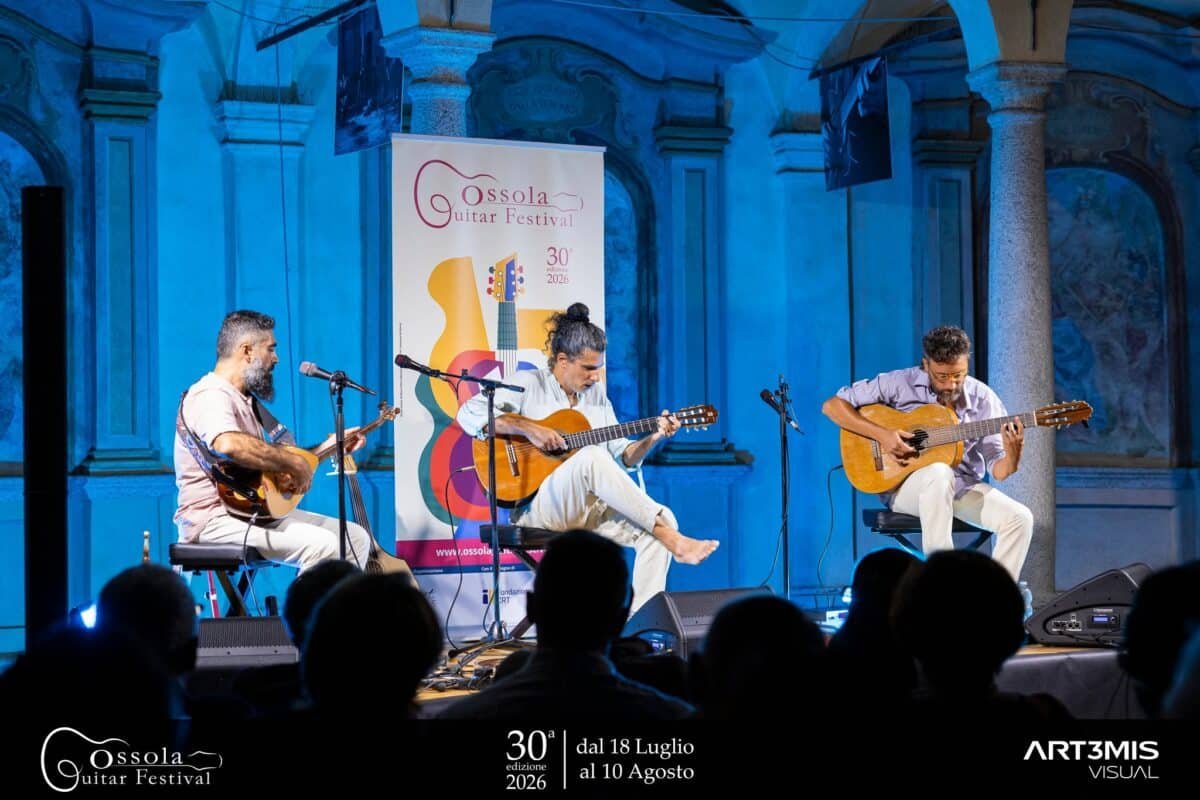
The festival’s programming reflects a broad curatorial vision. Previous editions have featured solo guitarists, duos, trios, quartets, and larger ensembles, with programs ranging from classical and contemporary repertoire to tango, flamenco, rock, and film music. The 2026 edition, the festival’s 30th, included the Orchestra a plettro Città di Milano, Carlo Poddighe, Duo Goni-Perretta, Juan Manuel Molano Posada, Quintetto Quilombo, Dusul, Ensemble Sinequanon Berlin, From Earth to Space, Duo Guion, Duo Alogna-Tampalini, and the Abdo Buda Marconi Trio.
The 2025 edition featured Quartetto SE.GO.VI.O, Alessandro Gallo, Vincenzo Fiamingo (first prize at the Aiersi International Guitar Competition 2024), Pedro Navarro, Onda Trio, Obsequio Duo (first prize at the 28th Concorso Nazionale G. Rospigliosi), Luca Allievi with Mariano Gallizio and Diego Ponzo, Roberto Mattei New Quintet, and Trio Ghibli.
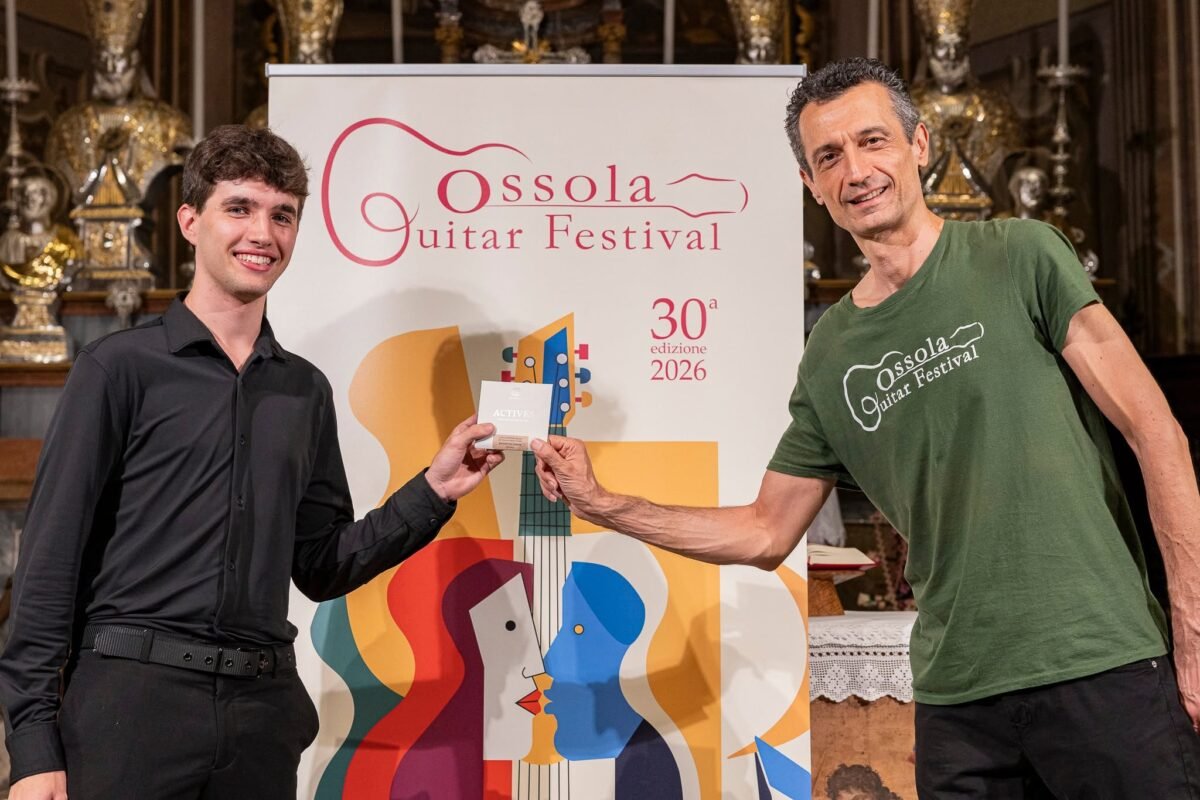
The festival’s commitment to emerging talent is evident in its selection of competition winners and young performers. The Concorso Artistico, now in its 14th edition, selects artwork for the festival’s promotional materials, with the winning artist receiving a cash prize and the honor of having their work represent the festival.
Têtes d’affiche et artistes invités
Headline artists for 2027 will be confirmed as the festival program is finalized. The festival’s headliners typically represent the highest levels of guitar performance, with recent editions featuring internationally acclaimed soloists and ensembles from across Europe and beyond.
The 2026 opening concert featured the Orchestra a plettro Città di Milano, a renowned plectrum orchestra, in a program dedicated to the golden age of cinema. Their performance in the Giardino del Convento delle Suore Rosminiane set the tone for a festival that celebrates both tradition and innovation.
The festival has a particular affinity for artists who bridge genres and traditions. Pedro Navarro, the flamenco guitarist who performed at the 2025 edition with Toni Porcar, exemplifies this spirit, bringing the fire of Andalusian music to the Ossola valleys. The Duo Goni-Perretta, featuring Greek guitarist Antigoni Goni and Italian guitarist Eleonora Perretta, represents the festival’s international outlook, while Italian artists such as Carlo Poddighe and the Quintetto Quilombo anchor the program in local and national talent.
Scènes et zones de spectacle
The festival operates across a remarkable range of performance environments, each with its own character and acoustic profile. The Giardino del Convento delle Suore Rosminiane in Domodossola, an outdoor garden setting, hosts the opening concert and can accommodate larger audiences.
Churches serve as primary venues throughout the festival. The Chiesa Monumentale di San Gaudenzio in Baceno, the Chiesa Parrocchiale in Cardezza, the Chiesa Parrocchiale in Bognanco’s San Lorenzo frazione, and the Oratorio di Santa Marta in Craveggia all provide sacred acoustics and historic atmospheres for performances. These sacred spaces create an atmosphere of concentration and reverence that suits the guitar’s intimate voice.
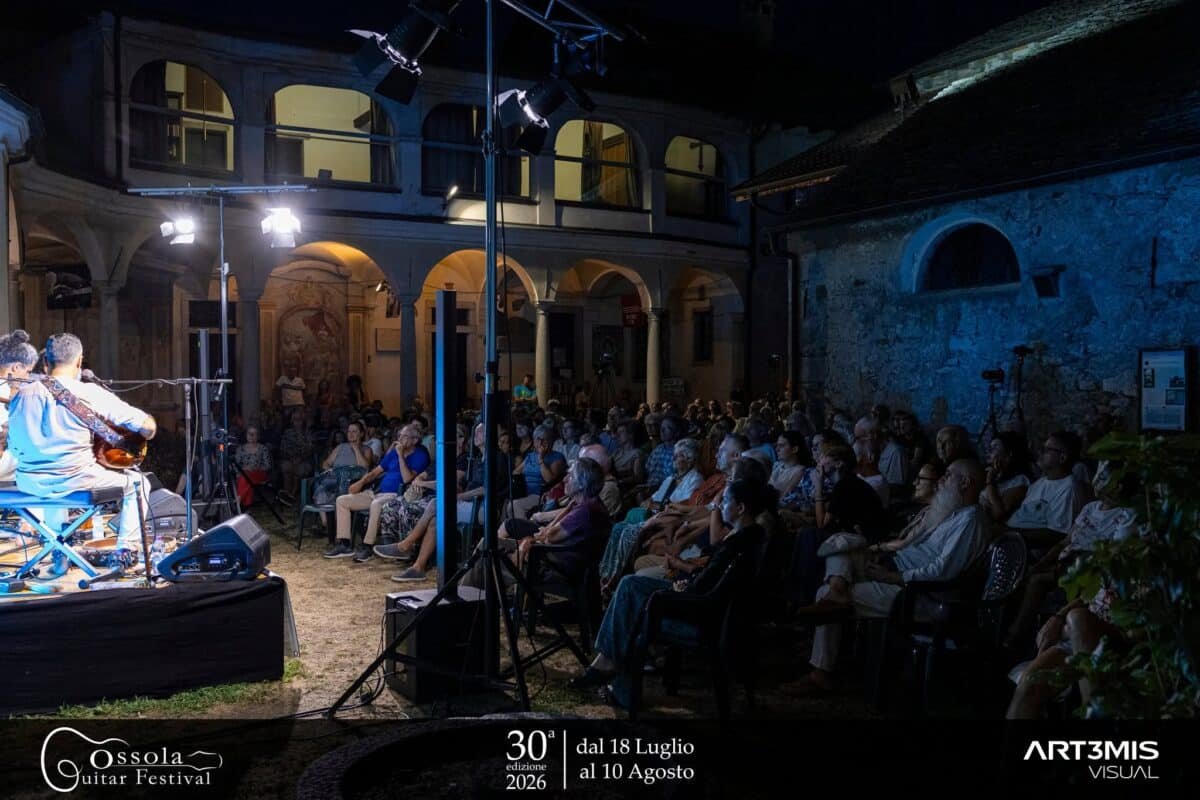
Outdoor and semi-outdoor venues include the Scalinata della Chiesa Parrocchiale in Varzo, the Portici di Palazzo Pretorio in Vogogna, the Parco di Villa Caselli in Masera, and the Porticato delle Cappelle in Mergozzo. These locations allow performances to engage with the landscape and architecture of the Ossola valleys. In case of rain, most outdoor events have indoor alternatives, ensuring that the music continues regardless of weather.
The Caveau di Domocentro serves as the festival’s Casa del Festival, hosting talks, workshops, and cultural encounters that complement the concert program. This space allows for deeper engagement with the music and its contexts.
Programme étape par étape
The detailed stage-by-stage schedule for 2027 will be published when the full program is announced. The festival typically follows a structure that spans approximately three weeks in July and August, with concerts occurring every one to three days across different locations.
A typical festival day might include an evening concert at 21:00, with some events scheduled at 18:00 or other times. Guided museum visits often precede concerts, beginning at 20:00 when applicable. The festival’s itinerant nature means that audiences can plan routes that combine multiple performances with exploration of the valleys. The Extra Festival activities, including masterclasses, workshops, and cultural talks, run alongside the main concert program.
Temps de set
Set times vary by venue and performance type. Solo recitals and chamber performances generally run 60 to 75 minutes. Larger ensemble concerts may run 90 minutes. The opening concert is typically preceded by an apericena (aperitif-dinner) beginning at 19:30, with the performance following at 21:00. Masterclasses and workshops typically run 60 to 90 minutes. Specific set times will be confirmed in the final program, typically published several weeks before the festival begins.
Types de billets
Ticketing for the 2027 edition will follow the patterns established in previous years. The festival’s commitment to accessibility is reflected in its ticketing structure.
Concerts
Free admission. All concerts in the main festival program are open to the public at no cost. This policy has been maintained throughout the festival’s history and represents its core commitment to making guitar music accessible to all.
Apericena events
Some concerts are preceded by optional apericena (aperitif-dinner) events. Previous editions have priced these at approximately $22 per person, with reservations required in advance.
Masterclasses
Participation fees vary by instructor and topic. The 2025 flamenco guitar masterclass with Pedro Navarro was priced at approximately $33 per participant.
Guided museum visits
Some events include optional guided tours of local museums. The 2025 Baceno excursion was priced at approximately $11 per person.
Options VIP et premium
The festival’s structure does not include traditional VIP or premium ticketing tiers. The free admission policy for concerts means that all attendees have equal access to performances. Optional paid activities such as apericena dinners and masterclasses offer enhanced experiences, but these are not structured as premium tiers for the main concerts. The intimate scale of most venues ensures that all attendees enjoy excellent proximity to performers.
Règles de l’épreuve
Attendees should note the following general policies. All concerts are free and open to the public. Some venues have limited capacity, and entry is first-come, first-served. Photography and video recording policies vary by artist and venue, and attendees should observe posted guidelines. Outdoor performances may be subject to weather-related relocation to indoor alternatives. The festival is family-friendly, and children are welcome at all events.
Comment y arriver
The Ossola Valleys are accessible by rail and road from major cities in northern Italy and Switzerland. Domodossola, the festival’s hub, is served by trains from Milan, Turin, and Bern, with connections to the Simplon railway line. The journey from Milan takes approximately two hours. From Turin, the trip involves a change in Novara or Milan and takes approximately three hours.
By car, the Ossola is reached via the A26 motorway (Genoa-Gravellona Toce) and then the SS33 del Sempione road. The valleys are well-signposted, and the various festival locations are connected by a network of provincial roads. Driving between venues allows attendees to explore the region at their own pace, though mountain roads require careful navigation.
Transports en commun et stationnement
Public transport within the Ossola is provided by local bus services connecting the main towns and villages. However, service frequency may be limited, particularly in the evening, and attendees relying on public transport should plan carefully. The festival’s itinerant nature means that some venues are more accessible by car than by bus.
For those arriving by car, parking is generally available near most venues, though spaces may be limited in historic village centers. Arriving early is recommended for popular concerts. The festival does not typically operate dedicated shuttle services between venues.
Zones d’hébergement
Domodossola serves as the primary base for festival attendees, offering hotels, bed and breakfasts, and agriturismo options. The town’s central location and transport connections make it convenient for reaching most festival venues.
The surrounding valleys offer numerous smaller accommodations in villages such as Baceno, Varzo, Craveggia, and Mergozzo. These options provide a more immersive experience in the region’s culture and landscape. Early booking is recommended, as summer is peak season in the Ossola. The Italian shores of Lake Maggiore, including Verbania and Stresa, offer alternative bases within driving distance.
Nourriture et boissons
The festival integrates food and drink into its programming, with apericena events preceding several concerts. These informal gatherings allow attendees to sample local cuisine and wines while socializing before performances. The Ossola is known for its hearty mountain cuisine, including polenta, cured meats, cheeses such as Bettelmatt, and traditional dishes reflecting the region’s alpine and cross-border heritage.
Local restaurants and trattorias in Domodossola and the surrounding villages offer dining options ranging from traditional Ossolan cuisine to contemporary Italian cooking. The region’s wines, including Nebbiolo-based reds from the nearby Valtellina and Piedmont, complement the festival experience. The festival has also demonstrated environmental consciousness, with initiatives such as the sale of melliferous seed bags to support bee populations.
Accessibilité
The festival strives to make events accessible to all attendees. Many venues in historic churches and village centers have step-free access or alternative routes for wheelchair users, though some historic buildings present challenges due to architectural constraints. Outdoor venues vary in accessibility. Attendees with specific accessibility needs should contact the festival in advance at ossolaguitarfestival@gmail.com to receive detailed information about individual venues and any accommodations that can be arranged.
Meilleurs jours à assister
The opening concert in Domodossola typically draws the largest audience and features a special program, making it an ideal introduction to the festival. The final concert, often held in Mergozzo, provides a festive conclusion to the festival season. Days featuring performances in the more picturesque venues, such as the Santuario del Boden in Ornavasso or the Portici di Palazzo Pretorio in Vogogna, offer memorable combinations of music and setting.
The Extra Festival activities, including masterclasses and cultural talks, provide opportunities for deeper engagement beyond the concert experience. Attendees interested in the educational and cultural dimensions of the festival should plan to attend these complementary events.
Faits marquants de l’année précédente
The 2026 edition, the festival’s 30th, was a landmark celebration. The opening concert at the Giardino del Convento delle Suore Rosminiane in Domodossola featured the Orchestra a plettro Città di Milano in a program dedicated to the golden age of cinema. The festival presented twenty events across the Ossola valleys, including concerts by Carlo Poddighe at Varzo, Duo Goni-Perretta at Baceno, Juan Manuel Molano Posada at Cardezza, Quintetto Quilombo at Masera, Dusul at Vogogna, Ensemble Sinequanon Berlin at Craveggia, From Earth to Space at Crevoladossola, Duo Guion at Bognanco, Duo Alogna-Tampalini at Ornavasso, and the Abdo Buda Marconi Trio at Mergozzo.
The 2025 edition, the festival’s 29th, featured the Quartetto SE.GO.VI.O at Baceno, Alessandro Gallo at Trontano, Vincenzo Fiamingo at Cardezza, Pedro Navarro at Varzo, Onda Trio at Bognanco, Obsequio Duo at Craveggia, Luca Allievi with Mariano Gallizio and Diego Ponzo at Vogogna, Roberto Mattei New Quintet at Crevoladossola, and Trio Ghibli at Mergozzo. The festival also introduced an environmental initiative, selling bags of melliferous seeds to support bee populations.
Billets officiels
All concerts at the Ossola Guitar Festival are free and open to the public. No tickets are required for entry to the main concert program. Optional activities such as apericena dinners, masterclasses, and guided museum visits may require advance reservations and payment. For information about the 2027 edition, visit http://www.ossolaguitarfestival.com/ or contact ossolaguitarfestival@gmail.com.
Vidéo
Localisation
FAQ
What should I do if unexpected mountain weather affects an outdoor concert venue?
Festival organizers closely monitor local meteorological forecasts and maintain fully equipped indoor parish halls and historic civic auditoriums in every host village. In the event of rain or inclement weather, concerts are seamlessly relocated to these covered backup spaces without canceling performances. Attendees are notified of venue adjustments through official festival communication channels and on-site staff announcements.
Are children and young music students welcome to attend the festival events?
Young music students and families with children are warmly encouraged to participate in all public events, open-air concerts, and daytime educational exhibitions. Many daytime performances and masterclass auditing sessions offer free or highly accessible entry options tailored specifically for aspiring young learners. Special youth outreach programs aim to inspire the next generation of classical music enthusiasts and community performers.
Is it necessary to book tickets or reserve seats in advance for the concerts?
While the majority of standard open-air and village square concerts operate on a free-admission basis with flexible open seating, advance reservations are strongly advised. Certain specialized masterclasses, intimate indoor recitals, and catered cultural excursions require prior online booking due to limited venue capacities. Visitors should check the official festival schedule online to secure mandatory spots for high-demand events.
How can I travel between the different historic villages hosting the concerts?
Attendees typically travel between the picturesque alpine host villages using personal vehicles, regional mountain buses, or organized carpooling networks coordinated by visitors. Several festival dates also feature guided cultural walking tours along historic mountain mule tracks connecting neighboring valley settlements. Clear logistical instructions and travel guides are provided online and at local festival information desks.
Can I bring my own camera or recording device to capture the performances?
Flash photography and professional audio or video recording devices are strictly prohibited during all live musical performances to prevent distracting the artists. However, attendees are welcome to take non-flash photographs and short clips during designated applause moments and outdoor gatherings. Guests are encouraged to share their experiences online using official festival tags to help celebrate the vibrant community atmosphere.

Laisser un commentaire