
-
September 16, 2026
Event date:
-
September 23, 2026
Event end:
What to expect in 2026
Religion Today Film Festival returns for its 29th edition as an international film festival focused on cinema, faith, spirituality, cultural diversity, human rights and dialogue between different communities. Founded in Trento in 1997, the festival is recognised for using cinema as a space for cultural exchange and discussion between people of different backgrounds, beliefs and traditions.
The 2026 edition is centred on the theme “L’abito fa il monaco?” and expands the conversation around identity, appearance, culture, fashion, spirituality and the ways people are perceived by society. Alongside film screenings, the programme includes conversations, masterclasses, school activities, book presentations, exhibitions, music and special events.
The festival is also designed as an itinerant event, extending beyond Trento to locations including Rovereto, Arco, Lavarone, Riva del Garda, Dro, Vezzano, Montagnaga di Piné and other locations in the Trentino area. The 2026 programme also includes activities in Bolzano.
Enjoy Your Event Stress-Free with Italy Travelo
Whether you're traveling for a world-famous festival, live concert, cultural celebration, or business event, Italy Travelo helps simplify every step of your journey. Our team provides personalized travel assistance, allowing you to focus on creating lasting memories.
Festival dates
Religion Today Film Festival 2026 takes place from 16 to 23 September 2026.
The main festival period covers screenings, educational activities, professional meetings, masterclasses, public discussions, special events and the awards programme. The official programme notes that individual activities and schedules may be subject to changes, so visitors should check the latest information before attending.
Visiting this event? Don’t miss out on these amazing activities and local experiences while you’re here.
Venues & festival locations
Religion Today uses a network of cinemas, theatres, museums, cultural spaces, schools, churches and outdoor locations rather than operating from a single festival venue.
Key locations in the 2026 programme include:
- Cinema Modena, Trento: One of the principal screening venues for feature films, documentaries and short-film programmes.
- Tenda di Abramo, Piazza Fiera, Trento: A festival meeting space hosting masterclasses, book presentations, conversations, aperitifs and cultural activities.
- Chiesa del Suffragio, Trento: Venue for the recurring “Acclimatarsi alla Luce” morning programme.
- MART – Museo di Arte Moderna e Contemporanea, Rovereto: Location for the awards ceremony, round table and selected screenings.
- Cinema Dolomiti, Lavarone: Mountain location for festival screenings.
- Auditorium Palazzo Panni, Arco: Hosts screenings and cultural performances.
- Teatro di Padergnone: Additional screening venue in the wider Trentino area.
- Piazza Santa Maria Maggiore, Trento: Hosts book presentations, guest activities and the closing celebration.
- Chiesa Santa Margherita, Trento: Venue for the “The Gesture and the Sacred” painting and sculpture exhibition.
- Liceo Pascoli, Bolzano: Location for school activities and the festival’s educational programme.
The programme also lists activities in Dro, Riva del Garda, Montagnaga di Piné, Vezzano, Mezzolombardo and other locations.
Full programme
The 2026 programme combines international cinema with educational, cultural and professional activities.
Major programme areas include:
- Feature films: International narrative films dealing with faith, identity, relationships, culture and spirituality.
- Documentaries: Non-fiction films exploring religious traditions, personal journeys, social issues, communities and cultural heritage.
- Short films: International short works from a range of countries and filmmaking traditions.
- Short documentaries: Compact documentary works focusing on people, communities, spirituality and social themes.
- Animation: Animated works included within the festival’s competition and screening programme.
- School matinées: Educational screenings and activities for students in Trentino and South Tyrol.
- Masterclasses: Professional and educational sessions with filmmakers and other audiovisual professionals.
- Meet the filmmaker: Informal conversations allowing audiences to engage directly with directors.
- Book presentations: Literary meetings connected with culture, cinema and contemporary themes.
- Round tables: Discussions involving filmmakers, artists, cultural professionals and other specialists.
- Exhibitions: Visual-art projects exploring themes connected with the festival.
- Music: Concerts and musical performances integrated into selected festival events.
- Community activities: Public gatherings designed to connect the festival with local neighbourhoods and communities.
The programme is built around the festival’s long-standing emphasis on dialogue, cultural understanding and encounters between filmmakers and audiences.
Featured films & premieres
The 2026 selection includes feature films, documentaries and short films from different countries and cultural backgrounds.
Featured titles include:
- Voluntas Tua – Maria Domenica Lazzeri — La mistica delle Dolomiti: A documentary by Lia and Alberto Beltrami exploring the story of Maria Domenica Lazzeri and her continuing significance in the Dolomites.
- The Presidents’ Tailor: Rick Minnich’s documentary about Martin Greenfield, whose life journey led from Auschwitz to becoming a celebrated bespoke tailor.
- The Tale of God’s Peak: Alessandro Padovani’s short film about Maria, who sets out on a journey through the mountains in search of hope and God.
- Crystal Cross: Richie James Follin’s feature film following a Christian singer and a man dealing with loss during an unusual journey across America.
- Herman: A Monk’s Story: Ilmir Mukhametov’s short documentary about a young monk living in a monastery on Valaam Island.
- Amazon Madness: Jacek Komorowski’s documentary about communities, environmental challenges and spiritual figures in the Amazon.
- Shambhala Story: A feature film by Toshio Sekine from Japan and the United States.
- The Wonder: Joshua Wahlen and Alessandro Seidita’s documentary connecting seven women writers with ideas of wonder and the sacredness of life.
- Versace: The Emperor of Dreams: Mimmo Calopresti’s documentary exploring Gianni Versace’s life, career, fashion and relationship with photography.
The festival also includes opening and special screenings, with the official programme identifying several directors as present for selected screenings.
Directors, actors & guests
The festival welcomes directors, actors, producers, writers, cultural figures and other guests connected with the films and accompanying programme.
Confirmed 2026 participants and contributors include:
- Andrea Morghen: Artistic Director of Religion Today Film Festival.
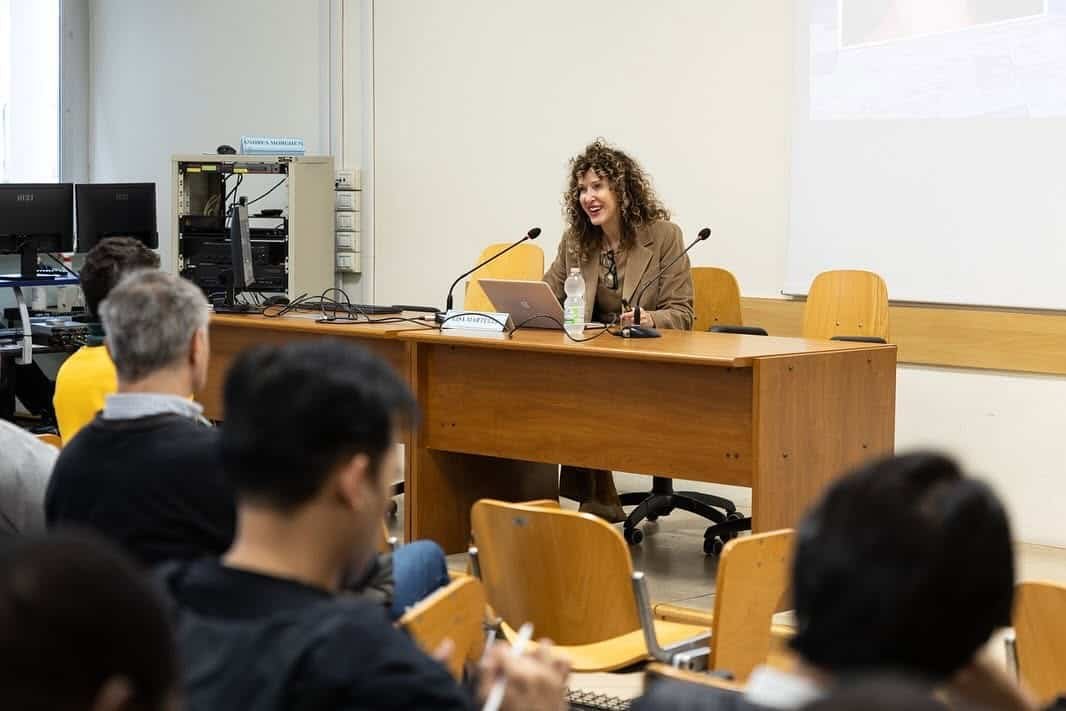
- Lisa Martelli: President of Associazione BiancoNero and a central figure in the festival’s organisation.
- Katia Malatesta: Religion Today and Forum Trentino per la Pace e i Diritti Umani.
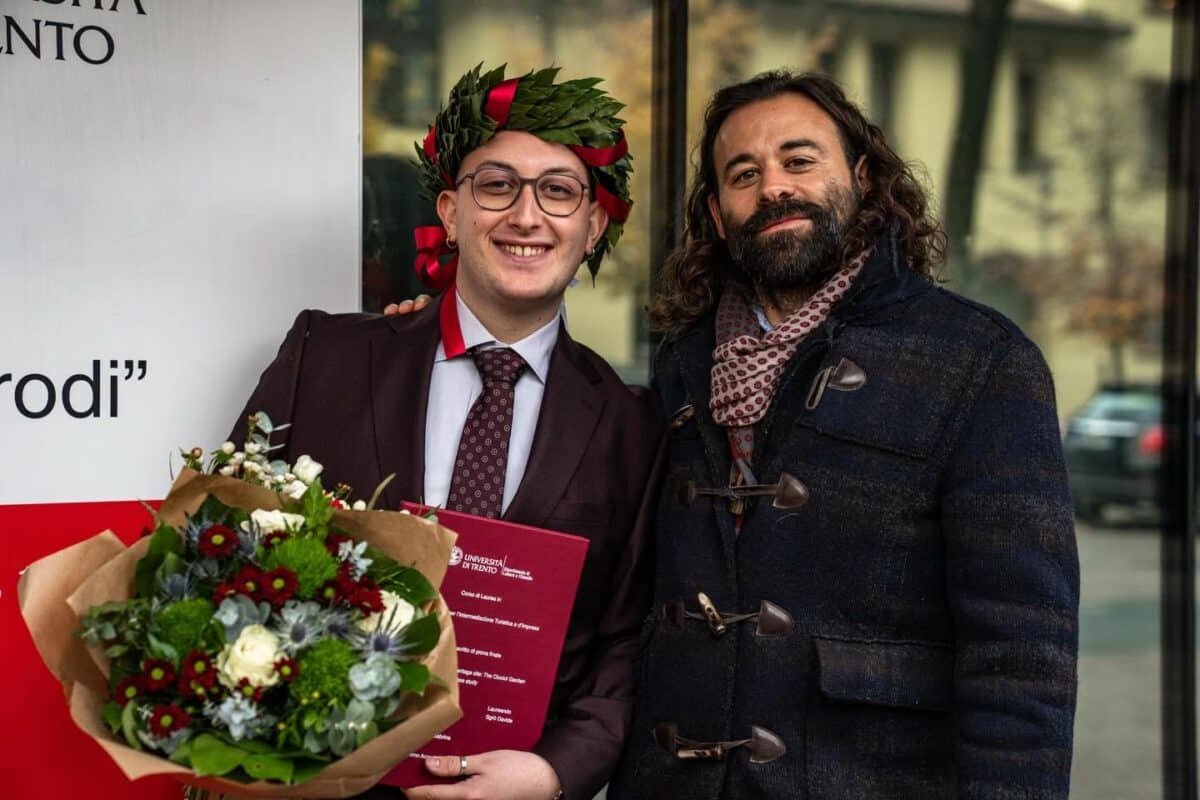
- Davide Sgrò: Religion Today Film Festival.
- Antonio Trombetta: President of the Forum Trentino per la Pace e i Diritti Umani.
- Binetou Faye: Founder of Afric’art Progress association and participant in the masterclass on strengthening African cinema skills.
- Lakshan Abenayake: French-Sri Lankan actor and producer, featured in a masterclass about his career in television and cinema.
- Massimo Cantini Parrini: Jury President for the festival’s round-table programme.
- Mimmo Calopresti: Director of Versace: The Emperor of Dreams and participant in the festival discussion programme.
Several film screenings also identify directors as being present, giving audiences opportunities to meet filmmakers directly after or around screenings.
Screening schedule
The screening programme is distributed across the festival period and multiple locations.
Examples of the 2026 schedule include:
- Opening programme: Opening activities and a screening of Voluntas Tua at Cinema Modena in Trento.
- Lavarone screenings: The Tale of God’s Peak and The Presidents’ Tailor form part of the opening screening programme at Cinema Dolomiti.
- Cinema Modena: Regular feature, documentary and short-film sessions.
- Arco: Screenings are combined with cultural and musical activities at Auditorium Palazzo Panni.
- Rovereto: MART hosts the awards ceremony, round table and selected films.
- Bolzano: The programme includes school matinées and additional festival activities.
- Piazza Santa Maria Maggiore: Public cultural activities and the closing celebration.
The official programme states that films in their original language are generally presented with Italian subtitles unless otherwise indicated. It also notes that reservations for several venues can be made through Eventbrite or by contacting the festival secretariat.
Ticket types & accreditation
Admission arrangements vary according to the venue and individual event.
The official 2026 programme states that Piazza Fiera activities are free unless otherwise indicated. Several regional screenings can be reserved through Eventbrite or by email, while Cinema Modena uses its own cinema booking system.
Some festival activities are therefore free, while selected cinema screenings can require a paid ticket. The current official programme does not publish a universal festival-wide ticket price, so no unsupported dollar amount should be assigned to the paid screenings.
Previous editions have frequently included free public screenings. For example, the 2025 programme included free-admission festival events, while the 2026 programme continues to identify free public access for selected activities.
Industry & professional access
Religion Today includes a substantial educational and professional programme alongside its public screenings.
The 2026 edition includes masterclasses addressing filmmaking, acting, producing and international cinema development. One masterclass focuses on strengthening cinema skills in Africa, while another follows Lakshan Abenayake’s journey through television, cinema, acting and producing.
Professional and cultural activities include:
- Masterclasses: Practical and experience-based sessions with industry professionals.
- Filmmaker conversations: Opportunities to discuss creative choices and production experiences.
- Round tables: Discussions connecting cinema with fashion, culture and society.
- Educational screenings: Dedicated activities for schools and young audiences.
- Networking: Informal meetings with filmmakers, festival guests, cultural organisations and other participants.
- Academic and cultural collaboration: Activities involving educational and cultural institutions.
Red carpet & special events
Religion Today combines formal film presentations with public cultural events and community activities.
Special events in the 2026 programme include the festival aperitif with guests, book presentations, musical performances, masterclasses, the awards ceremony and a closing party featuring a neighbourhood fashion show.
The closing programme in Piazza Santa Maria Maggiore includes a book presentation, an aperitif with festival guests and a neighbourhood fashion show in which guests, volunteers and festival staff wear upcycled clothing sourced from local shops.
The awards ceremony is scheduled at MART in Rovereto and is followed by a round table exploring the festival theme “L’abito fa il monaco?”.
Festival rules
The official programme states that schedules may be subject to changes, so visitors should verify programme updates before attending.
Important visitor rules and information include:
- Reservations: Several screenings can be reserved in advance and reservations may remain available until the event begins, subject to availability.
- Subtitles: Films in languages other than Italian are generally presented with Italian subtitles unless otherwise stated.
- Photography and recording: Festival attendees consent to possible future use of photographs, audio recordings and video recordings made during events.
- Programme changes: Screening times, locations and programme details may change.
- Venue rules: Visitors must follow the individual admission and conduct rules of each participating venue.
The official programme also encourages sustainable visitor behaviour, including reusable water bottles, public transportation, cycling and electric scooters.
How to get there
Trento is the main base of Religion Today Film Festival and is well connected to other northern Italian cities.
- By train: Trento railway station provides rail connections to Verona, Bolzano, Innsbruck and other destinations.
- By car: Trento can be reached through the A22 Brenner motorway, with road connections toward Verona and South Tyrol.
- By air: The nearest major airports include Verona, Venice and Innsbruck, with onward rail or road connections to Trento.
- By regional transport: Trentino’s public transport network connects Trento with towns and festival locations throughout the province.
Because the festival is itinerant, visitors travelling to Arco, Lavarone, Rovereto, Riva del Garda or other participating locations should check the individual venue before setting out.
Public transport & parking
The festival’s official sustainability programme recommends public transportation, bicycles and electric scooters for journeys between venues. Trentino Trasporti operates urban and regional services connecting Trento with other locations in the province.
Central Trento venues are generally suitable for walking between nearby locations. Visitors staying in central accommodation can often reach festival activities without needing a car.
For events outside central Trento, regional buses and trains can be useful, although visitors should check the latest schedules for the specific festival day. Parking arrangements vary by venue, particularly in historic centres and around cultural institutions.
Accommodation areas
Trento provides the largest range of accommodation for visitors attending the festival, while Rovereto and other participating towns can be useful for visitors focusing on specific programme locations.
- Trento historic centre: Convenient for Cinema Modena, Piazza Fiera, Chiesa del Suffragio and other central venues.
- Near Trento railway station: Practical for visitors arriving by train or travelling to different festival locations.
- San Martino and Santa Croce: Residential central areas within walking distance of many festival activities.
- Rovereto: Useful for visitors planning to attend events at MART and other Rovereto activities.
- Arco: Suitable for audiences focusing on the festival’s events around Arco.
- Lavarone: A practical option for visitors concentrating on the mountain programme and Cinema Dolomiti.
The festival’s sustainability information notes that its event locations are within walking distance of the hotels where festival guests stay, while public transport and cycling are recommended for other journeys.
Food & dining
Trento offers a mixture of traditional Trentino cuisine, Italian restaurants, cafés, bakeries and contemporary dining options.
Visitors can explore regional specialities such as canederli, polenta, speck, local cheeses, apple-based desserts and mountain-inspired dishes between festival events. The historic centre around Piazza Fiera and the surrounding streets provides numerous options for meals and refreshments.
The festival programme itself also includes aperitifs with festival guests at selected locations. These events connect informal socialising with conversations about cinema, fashion and culture.
Visitors attending screenings in Rovereto, Arco or Lavarone can also combine festival activities with local restaurants and cafés in those towns.
Accessibility
Accessibility is supported through the festival’s broad community and educational approach, with activities taking place in different towns and neighbourhoods rather than being concentrated in one venue.
Visitors should check the individual venue before attending because accessibility facilities can vary between cinemas, theatres, churches, museums and outdoor locations. Information about step-free entrances, accessible seating and other requirements should be confirmed directly with the relevant venue or festival secretariat.
The festival’s wider programme is designed to involve schools, young people, communities and audiences from different cultural and religious backgrounds. Its long-running mission is based on dialogue and mutual understanding between different communities and cultures.
Best screenings to attend
The 2026 programme offers several types of screenings for visitors with different interests.
- Opening film: Voluntas Tua – Maria Domenica Lazzeri — La mistica delle Dolomiti provides an introduction to the festival’s combination of spirituality, history and documentary cinema.
- The Presidents’ Tailor: A documentary connecting personal history, survival, tailoring and American cultural life.
- Crystal Cross: A feature film combining faith, music, loss and an unusual journey.
- Amazon Madness: A documentary exploring environmental and social issues through the experience of communities in the Amazon.
- The Wonder: A contemplative documentary centred on writers and ideas of wonder and sacredness.
- Versace: The Emperor of Dreams: A documentary linking cinema, fashion, photography and the life of Gianni Versace.
- Short-film programmes: A strong option for discovering filmmakers from different countries and cultural backgrounds.
- Awards programme: The awards ceremony at MART provides an opportunity to see the festival’s competition results and attend the accompanying cultural discussion.
Previous year’s highlights
The 2025 edition was centred on the relationship between sport, spirituality, rights and belonging under the theme “When sport meets the game – Voci libere tra sport diritti e appartenenza.”
The edition presented 72 films from 42 countries, including 23 premieres. The festival reported three world premieres and ten European premieres, while its educational programme reached more than 3,000 students through school matinées and masterclasses.
The 2025 awards programme recognised The Children of Popodia with the Spirito della Fede award, while Yalla Parkour received the Best Documentary award. The festival also continued its focus on young audiences and educational participation.
Earlier editions have similarly combined international competition films with school programmes, public discussions, director appearances and events across Trentino and South Tyrol. The festival’s itinerant format remains one of its defining characteristics.
Official tickets & accreditation
Tickets and reservations for Religion Today Film Festival 2026 depend on the individual event and venue. The official programme directs visitors to Eventbrite for reservations at several locations, while Cinema Modena uses its dedicated cinema booking system. Selected Piazza Fiera activities are listed as free admission unless otherwise indicated.
The festival secretariat can be contacted for ticketing, reservations, accreditation and general visitor information.
Festival website: https://rtff.it/
Email: segreteria@religionfilm.com
Phone: +39 327 359 4787
The festival advises visitors to check the official programme for updates because individual events, venues and access arrangements can change.
Video
Location
FAQ
What is the primary focus of the film festival?
The festival focuses on religious diversity, spiritual traditions, and interfaith dialogue to promote a global culture of peace and mutual understanding. It features international competitions, thematic showcases, and artistic projects exploring the intersections of cinema and sacred beliefs.
Are films from all religious backgrounds accepted?
Submissions are open to international films reflecting any spiritual tradition, religious practice, or philosophical perspective from anywhere in the world. Programmers prioritize works that foster respectful cross-cultural dialogue and investigate existential or moral human questions.
How can independent filmmakers submit their projects?
Filmmakers can submit their feature-length films, documentaries, or shorts digitally through approved online platforms or directly via the festival web portal. Submissions must comply with specific production year regulations and include English or Italian subtitles for international jury review.
Where are the main festival events and screenings hosted?
Primary indoor screenings and academic masterclasses take place at historic venues like Cinema Teatro San Marco in Trento. Additional itinerant screenings and community events are hosted across partner towns and cultural spaces throughout the Trentino region.
Do student filmmakers receive any special registration benefits?
Student creators benefit from dedicated submission waivers, allowing them to enter their qualifying academic projects without paying standard entry fees. Special youth programs also offer student juries direct participation in evaluating competing films and awarding official festival prizes.

Leave a Reply