

Braccio Fortebracci and the 1416 Historical Turning Point
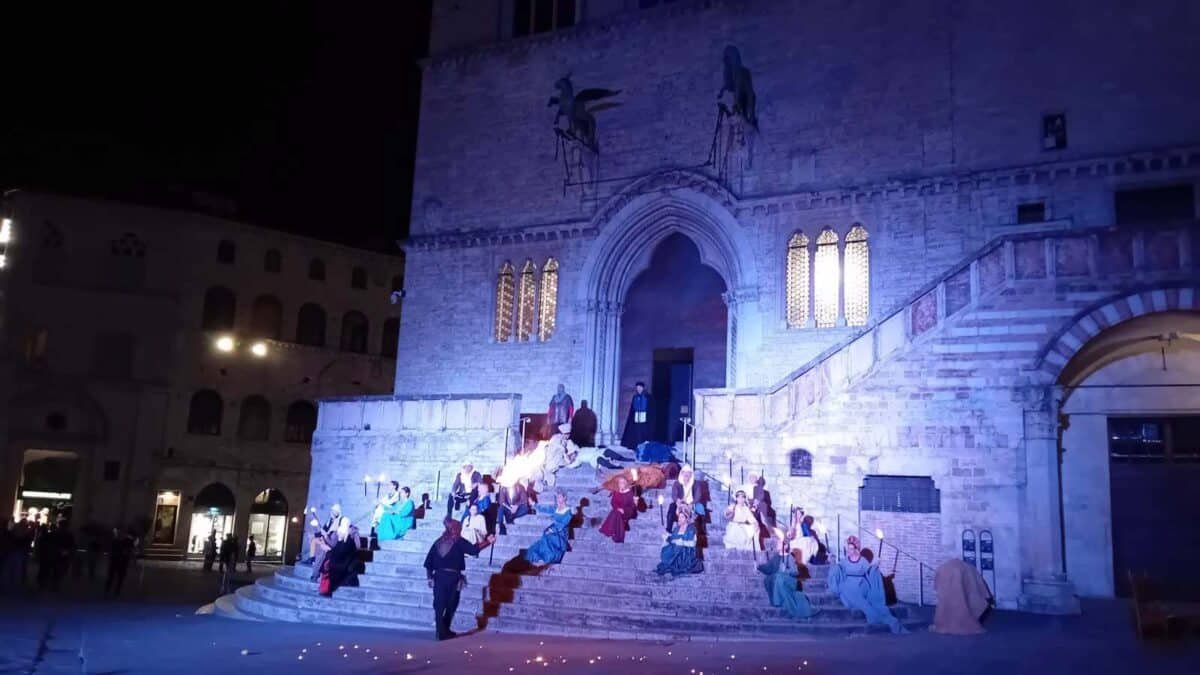
The Perugia1416 festival commemorates a monumental turning point in regional history when the legendary condottiero Braccio Fortebracci entered the city and reshaped its political destiny. This pivotal moment marks the definitive transition from the turbulent medieval era into the brilliant cultural dawn of the Renaissance. Through meticulous historical reenactments, the city honors how this bold military campaign ultimately unified competing factions under a single stable administration.
Scholars, historians, and local citizens collaborate closely to ensure that every political symposium, costumed tableau, and public ceremony respects authentic historical documentation from the early fifteenth century. Visitors gain a deep appreciation for the complex diplomacy, power struggles, and strategic alliances that characterized Renaissance Italy. It stands as a vibrant educational voyage back in time, illuminating the origins of modern civic identity in Umbria.
Furthermore, the annual commemoration serves as a powerful reminder of how art, governance, and community resilience intertwined during the quattrocento. By bringing this historic milestone to life, Perugia transforms its ancient stone streets into a living museum of political and social evolution. Audiences leave with a profound understanding of how Braccio Fortebracci’s legacy continues to echo through the historic palaces and squares of the modern capital.
Enjoy Your Event Stress-Free with Italy Travelo
Whether you're traveling for a world-famous festival, live concert, cultural celebration, or business event, Italy Travelo helps simplify every step of your journey. Our team provides personalized travel assistance, allowing you to focus on creating lasting memories.
The Five Historic Rioni and District Rivalries
- Magnifico Rione di Porta Eburnea: Representing the western district with distinctive heraldic colors, fierce civic pride, and dedicated community athletes.
- Magnifico Rione di Porta San Pietro: Showcasing southern monastic heritage through elaborate costumed processions and historic banner displays.
- Magnifico Rione di Porta Sant’Angelo: Bringing northern artistic flair and traditional craft exhibits to the lively neighborhood competition arenas.
- Magnifico Rione di Porta Santa Susanna: Highlighting northwestern mercantile strength via authentic street market setups and theatrical pageantry.
- Magnifico Rione di Porta Sole: Displaying eastern aristocratic elegance through impeccably tailored noble attire and traditional musical accompaniments.
- District Rivalry: Fueling intense athletic competition between the five historic quarters during the annual palio and historic games.
- Community Cohesion: Uniting residents of all ages throughout the year to handcraft authentic fifteenth-century costumes and props.
- Heraldic Emblems: Draping medieval alleyways in colorful district flags, coats of arms, and symbolic floral decorations.
- Friendly Feuds: Reigniting centuries-old civic rivalries through sportsmanship, theatrical challenges, and athletic track events.
- Local Identity: Strengthening neighborhood bonds as each rione celebrates its unique slice of medieval urban history.
Event Programme
- Event Date: June 2027 (Dates TBD)
- Event Duration: Spanning several immersive days of Renaissance pageantry, district rivalry games, historical processions, and medieval tavern gastronomy.
Visiting this event? Don’t miss out on these amazing activities and local experiences while you’re here.
Grand Costumed Corteo Storico and Nighttime Procession
- Stunning Apparel: Presenting hundreds of participants dressed in historically accurate velvet, silk, and brocade quattrocento costumes.
- Noble Lords: Showcasing prominent citizens acting as Renaissance lords, ladies, knights, judges, and ecclesiastical dignitaries.
- Thematic Floats: Rolling out elaborate artistic floats depicting significant political and cultural milestones from the year 1416.
- torchlit Ambiance: Illuminating the grand evening procession with flickering torches, casting dramatic shadows against ancient stone walls.
- Musical Accompaniment: Marching to the rhythmic thunder of historic drums, piercing clarions, and medieval wind instruments.
- Route Mastery: Winding slowly through the historic heart of Corso Vannucci and ancient medieval city gates.
- Visual Spectacle: Offering photographers and history buffs an unmatched panorama of living Renaissance portraiture.
- Authentic Detail: Reflecting strict archival research in every doublet, headdress, shoe, and metallic armor piece displayed.
- Crowd Engagement: Drawing thousands of spectators who line the medieval alleyways to cheer for their favored neighborhood rione.
- Choreographed Entry: Culminating in Piazza IV Novembre with a synchronized presentation of all participating district delegations.
- Solemn Pageantry: Maintaining an air of majestic dignity that honors the formal protocol of fifteenth-century Italian courts.
- Memorable Finale: Concluding the evening march with a breathtaking display of banner-throwing and acoustic fanfare.
The Palio Competition and Mossa alla Torre Race
The competitive heart of the festival culminates in the thrilling athletic trials, featuring the historic foot race and the famed Mossa alla Torre challenge. Athletes representing the five rioni push their physical limits running through challenging urban courses dressed in heavy historical garments. The roar of the packed crowd echoes off the medieval cathedral walls as runners battle desperately for neighborhood supremacy and the coveted painted silk drape.
The events require immense agility, speed, and strategic teamwork, turning traditional athletic prowess into a dramatic theatrical spectacle. Spectators line the barricades, chanting district anthems and waving massive heraldic banners to urge their runners toward the finish line. This high-octane competition captures the true competitive spirit of Renaissance Italy, uniting modern sportsmanship with ancient civic pride.
Entry & Tickets
- How Tickets Are Sold: Entry passes, grandstand seats, and competition viewing tickets are sold securely online through the official festival platform and local box office desks.
- Admission Type: General festival access providing open entry to medieval street markets, historic quarters, public squares, and open-air theatrical shows.
- Ticket Pricing: Ticket pricing ranges from a minimum of $5.50 for standard community area entry up to a maximum of $27.50 for reserved grandstand seats during the main palio.
- Special Seating Options: Unreserved stone steps, perimeter piazza standing zones, and elevated bleachers are arranged around the historic competition tracks.
- VIP Options: Special patron packages include reserved front-row grandstand seating, priority fast-track entry lanes, and invitations to exclusive noble district banquets.
Acoustic Music, Flag-Tossers, and Street Minstrels
Acoustic music, flag-tossers, and street minstrels breathe continuous life into the historic squares, transforming every corner of Perugia into an open-air concert hall. Traveling troubadours strum lutes and blow wooden flutes while acrobatic flag-throwers send colorful silks spinning high into the medieval sky. Their dynamic performances capture the joyful, itinerant spirit of Renaissance entertainers wandering from court to court.
Spectators gather in tight circles around the performers, clapping in time with syncopated drumbeats and marveling at gravity-defying flag routines. This spontaneous street theater ensures that visitors experience constant artistic stimulation even between major scheduled events. It weaves an unbroken thread of sound, color, and movement throughout the historic urban landscape.
Getting to the Event
- City and Country: Perugia, Italy
- Venue Name: Piazza IV Novembre, Corso Vannucci, Rocca Paolina, and Historic Rioni Districts
- Google Maps Address: Piazza IV Novembre, 06121 Perugia PG, Italy
Renaissance and Medieval Theater Challenge by the Districts
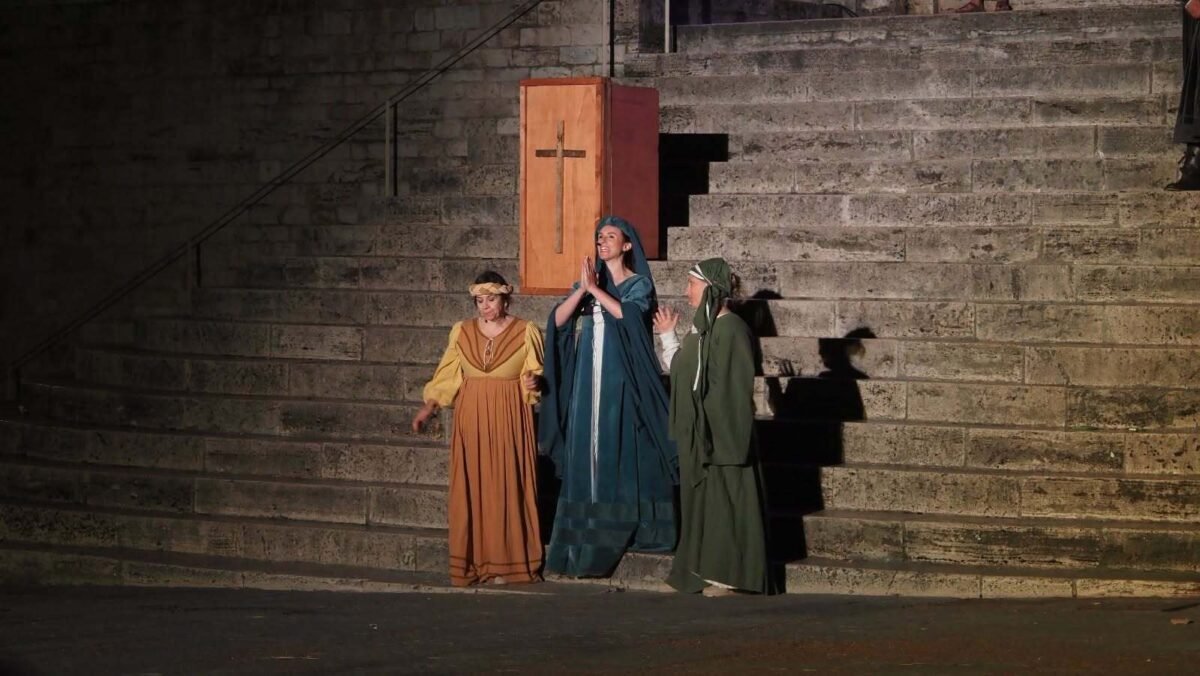
- Dramatic Scripts: Performing original theatrical pieces based on 15th-century chronicles, local legends, and historical court trials.
- Theatrical Stages: Erecting open-air temporary wooden stages in historic piazze across the city center.
- Amateur Acting: Highlighting the hidden dramatic talents of everyday citizens and district volunteers of all ages.
- Costume Integration: Utilizing intricate handmade period costumes to enhance character authenticity during dramatic monologues.
- Musical Scoring: Accompanying dramatic acts with live medieval lutes, harps, and haunting vocal arrangements.
- Jury Evaluation: Subjecting each district performance to strict scoring by a panel of professional theater critics and historians.
- Language Nuance: Incorporating archaic regional dialects and period-appropriate speech patterns to heighten historical realism.
- Crowd Emotion: Captivating audiences with poignant tales of love, betrayal, political intrigue, and wartime valor.
- Cultural Depth: Proving that the festival is an intellectual celebration of arts and literature alongside athletic sport.
Pietro Vannucci Academy of Fine Arts Palio Drape Design
The creation of the coveted palio drape represents a revered artistic tradition entrusted annually to students and professors at Perugia’s prestigious Pietro Vannucci Academy of Fine Arts. Emerging young painters and designers submit visionary concepts that interpret the historical themes of the fifteenth century through contemporary visual languages. The winning design is carefully hand-painted onto precious fabrics, incorporating heraldic symbols of the winning district from the prior year.
This academic collaboration bridges historic reenactment with modern artistic education, giving student creators a high-profile public platform for their work. The finished drape is officially unveiled in a solemn public ceremony before being placed on display in a secure historic hall. It serves as the ultimate trophy contested by the five rioni during the festival’s athletic showdowns.
Traditional Taverna Pop-Ups and Medieval Gastronomy
- Historic Recipes: Serving authentic dishes prepared according to rediscovered fifteenth-century recipe manuscripts and culinary notes.
- District Tavernas: Opening temporary dining pop-ups run by volunteer chefs within ancient cellars and stone cloisters.
- Spiced Meats: Featuring slow-roasted meats seasoned with exotic medieval spices, wild herbs, and regional honey reductions.
- Ancient Breads: Baking rustic hearth breads using heritage grains and ancient milling techniques common in the quattrocento.
- Local Wines: Pairing hearty meals with robust Umbrian red wines served in traditional ceramic cups.
- Communal Tables: Fostering warm fellowship as strangers and neighbors sit together on long wooden benches.
- Vegetarian Fare: Offering traditional vegetable soups, chickpea purees, and ancient cheese selections inspired by rural diets.
- Sweet Delicacies: Concluding feasts with honey-soaked pastries, dried fruit preserves, and spiced dessert wines.
- Atmospheric Lighting: Dining by candlelight inside vaulted stone masonry that preserves an authentic medieval tavern ambiance.
- Culinary Heritage: Celebrating the rich agricultural bounty of the Umbrian countryside through time-honored cooking traditions.
- Festive Toasting: Raising cups in joyful unison to celebrate district victories and shared cultural heritage.
Rocca Paolina Immersive History and Video Installations
- Subterranean Vaults: Descending deep beneath the city streets into the massive, echoing brick chambers of the underground fortress.
- Historical Echoes: Exploring how Renaissance fortification architecture reshaped the urban topography of medieval Perugia.
- Digital Projections: Displaying modern video art installations onto ancient brick walls to contrast past and present.
- Acoustic Soundscapes: Experiencing haunting ambient audio designs that evoke the footsteps of soldiers and merchants.
- Cool Sanctuary: Escaping the warm June sunshine within naturally climate-controlled historic underground masonry corridors.
- Artistic Exhibitions: Hosting contemporary sculpture and photography displays that dialogue directly with historic stonework.
- Guided Tours: Offering specialized educational walks detailing the construction and political fallout of the fortress.
- Atmospheric Drama: Enhancing the mysterious subterranean ambiance with theatrical lighting and clever shadow play.
Handmade Artisanal Markets and 15th-Century Crafts
- Master Artisans: Welcoming skilled craftsmen from across Umbria to demonstrate traditional trades in historic public squares.
- Blacksmithing: Showcasing hot iron forging, horseshoe shaping, and medieval weapon crafting by expert local metalworkers.
- Leather Working: Displaying hand-tooled leather belts, pouches, scabbards, and historical boot-making techniques.
- Weaving Looms: Operating authentic wooden handlooms to produce heavy woolen garments and decorative tapestries.
- Ceramic Pottery: Hand-throwing majolica plates, glazed pitchers, and decorative tiles using historical glaze formulas.
- Herbal Apothecaries: Exhibiting traditional botanical remedies, scented oils, dried medicinal herbs, and natural soaps.
- Calligraphy Tents: Demonstrating quill pen writing, parchment preparation, and illuminated manuscript painting arts.
- Direct Sales: Allowing visitors to purchase unique, hand-crafted souvenirs directly from regional makers.
- Educational Value: Explaining the essential economic role of guild trades in medieval and Renaissance city life.
- Living Heritage: Keeping endangered artisanal techniques alive through active public participation and patronage.
Guide
- Email: perugia1416@gmail.com
- Phone Number: +39 075 573 0082
- Website: https://www.perugia1416.com/en/home_en/
Civic Pageantry, Banner Decorations, and Urban Restoration
Civic pageantry, banner decorations, and urban restoration efforts transform the physical fabric of Perugia into an authentic Renaissance canvas. Months before the festival begins, neighborhood committees work tirelessly to clean ancient stone facades, mend wrought-iron lamps, and hang heavy heraldic banners. This civic dedication ensures that the city’s architectural beauty shines with pristine elegance for arriving guests.
Storefronts, balconies, and historic alleyways burst into vibrant color as thousands of yards of district silk and velvet catch the afternoon breeze. This comprehensive urban transformation fosters immense civic pride among residents, who take direct ownership of their city’s historic presentation. It demonstrates a rare, harmonious partnership between municipal authorities and grassroots cultural associations committed to heritage preservation.
Educational Youth Workshops and Living History Programs
- School Partnerships: Inviting regional students to participate in hands-on history programs designed for children and teenagers.
- Costume Sewing: Teaching young participants basic historic textile crafting and needlework techniques used in wardrobe creation.
- Junior Flag-Waving: Hosting introductory training camps where children learn the basic coordination skills of flag-throwing.
- Archery Clinics: Introducing youths to traditional wooden bow mechanics and target practice under expert supervision.
- Museum Tours: Providing guided educational walks through Perugia’s archaeological and historical museum collections.
- Interactive Storytelling: Engaging young minds with theatrical storytelling sessions focused on local legends and historic figures.
- Civic Values: Inculcating an early appreciation for cultural preservation, teamwork, and community volunteering.
- Future Guardians: Training the next generation of enthusiastic participants to carry forward the festival’s rich traditions.
- Joyful Learning: Proving that history education can be immensely entertaining, immersive, and physically engaging.
Piazza IV Novembre Awards Ceremony and Closing Festivities
- Grand Assembly: Gathering thousands of costumed citizens and visitors in the majestic central square for the festival climax.
- Trophy Presentation: Awarding the hand-painted silk palio drape to the triumphant winning rione amid thunderous applause.
- Official Speeches: Hearing congratulatory remarks from municipal leaders, association presidents, and foreign delegates.
- District Anthems: Ringing out proud neighborhood songs and victory cheers from emotional supporters in colored capes.
- Drum Roll Finales: Delivering a final, deafening synchronized drum performance by all rioni percussion corps.
- Flag-Throwing Show: Executing a massive, multi-district flag-waving display filling the entire cathedral square with color.
- Confetti Cannons: Launching festive celebratory showers over the jubilant crowds gathered beneath the Fontana Maggiore.
- Historical Salute: Firing formal honorary salutes from historic crossbow and musket units stationed nearby.
- Emotional Farewell: Bidding farewell to participants until the following year through warm embraces and collective song.
- Nighttime Illumination: Lighting up historic palaces with golden floodlights as the final evening celebration winds down.
- Lasting Legacy: Cementing another successful chapter in the modern cultural history of Renaissance Perugia.
Video
Location
FAQ
What is the historical significance behind the naming of the Perugia1416 festival?
The festival commemorates the pivotal year 1416 when condottiero Braccio Fortebracci entered Perugia to establish his rule. This historic event marked the definitive end of bitter medieval conflicts and initiated the cultural rebirth of the Renaissance. The annual reenactment celebrates this turning point that unified the local districts under a single administration.
Where can visitors purchase official tickets for grandstand seating and major events?
Tickets can be bought securely online through the official festival web portal or at designated physical box office stations in Perugia. Advanced booking is strongly recommended for grandstand seating during the palio and main historical processions. Detailed ticketing guidelines and customer support contacts are readily accessible on the main portal.
Are there accessible viewing areas for visitors with reduced mobility during the parades?
Festival organizers provide designated accessible viewing zones along primary parade routes and near the main competition squares. Historic cobblestone streets can present navigation challenges, so early arrival is encouraged to secure optimal placement. Patrons are advised to contact the festival association via email prior to arrival for specific arrangement details.
What are the primary public transit options to reach the historic center of Perugia?
Visitors arriving by train can utilize the convenient minimetrò automated transit system directly from the main railway station into the city center. Local bus lines and regional coach services also connect surrounding towns directly to the perimeter parking structures. Comprehensive transit guidance and parking maps are published on the official festival visitor pages.
How can local residents or international visitors participate in the costumed processions?
Individuals interested in joining the historic corteo can apply directly through their preferred neighborhood rione association months in advance. Workshops are available to help participants create authentic fifteenth-century costumes that meet strict historical guidelines. This grassroots involvement is a core component of the festival's community-driven mission.

Leave a Reply