
Overview
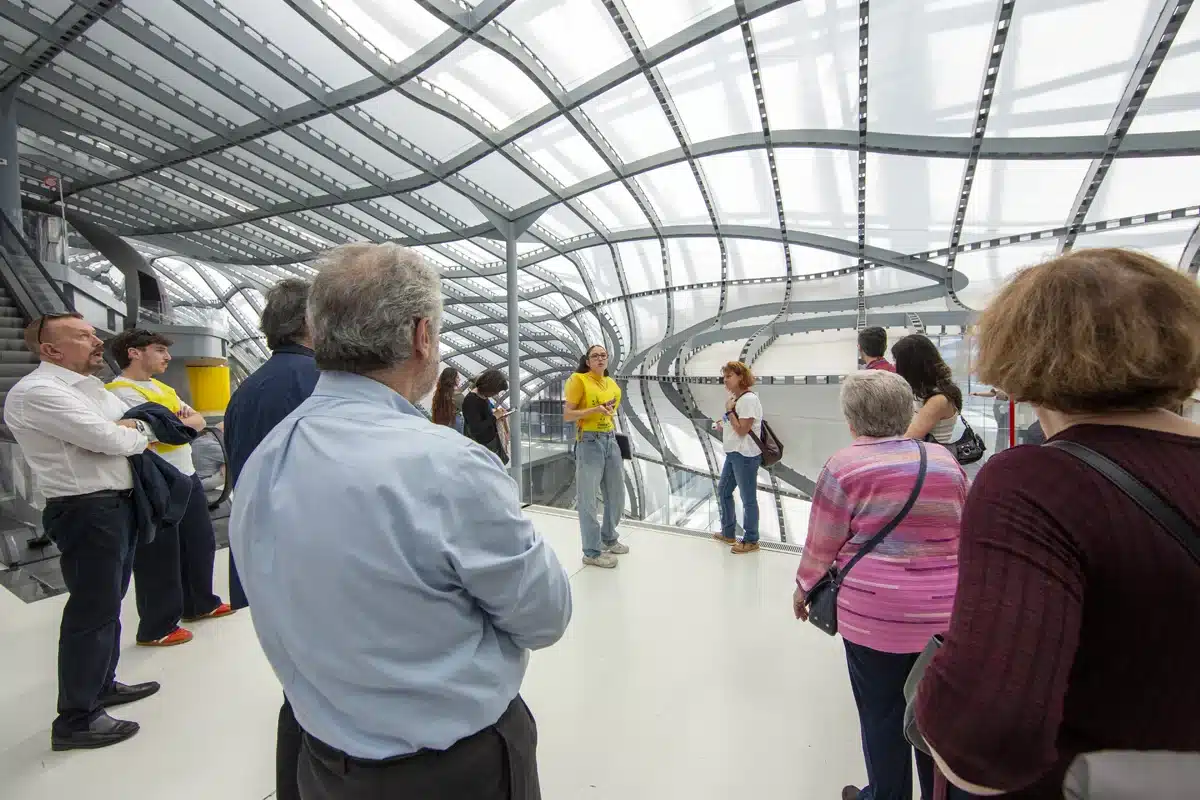
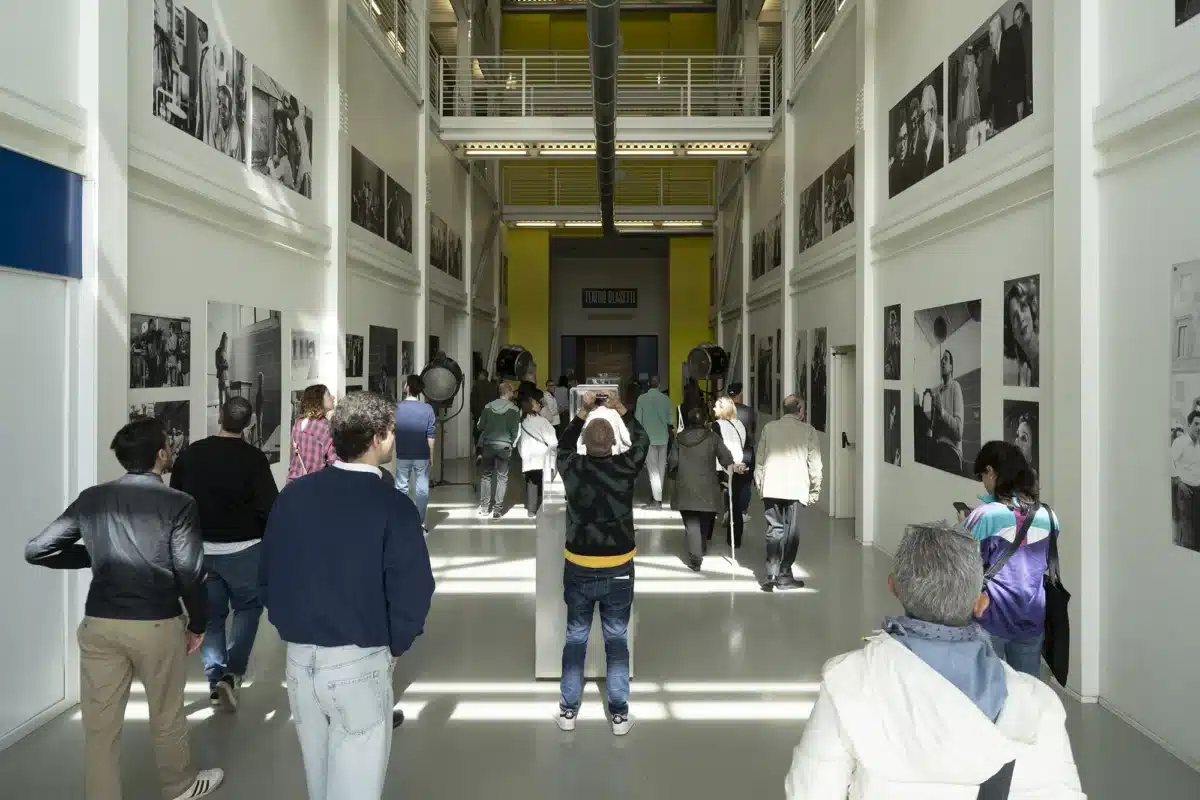
Open House Roma stands as the capital’s premier architectural and urban culture festival, transforming the Eternal City into an expansive, interactive museum of design, history, and civic innovation. Each year, the event unlocks hundreds of usually inaccessible architectural marvels, historic palazzos, cutting-edge modern studios, and hidden archaeological sites across Rome. Founded on the principle of open participation, the festival invites residents and international visitors alike to rediscover their surroundings through guided tours, expert-led lectures, and immersive urban explorations that bridge ancient heritage with contemporary engineering.
Navigating the sprawling urban fabric during this dynamic week offers an extraordinary lens into how architecture shapes community life, cultural identity, and sustainable development. Attendees gain rare behind-the-scenes access to private residential masterpieces, monumental government edifices, and visionary industrial regenerations that define modern Roman infrastructure. From the layered historical strata of the historic center to the experimental architectural expressions emerging in outer districts, the event celebrates the continuous evolution of a city that has inspired human creativity for millennia.
Beyond the physical building openings, the festival acts as an indispensable cultural nexus where architects, historians, students, and urban enthusiasts engage in profound public dialogue. Workshops, conceptual installations, and thematic walking routes encourage a collective appreciation for urban planning and architectural preservation. Whether you are an expert in structural design or simply a curious traveler eager to unlock legendary doors across Rome, this unique celebration provides an unforgettable journey through the heart of architectural excellence.
Enjoy Your Event Stress-Free with Italy Travelo
Whether you're traveling for a world-famous festival, live concert, cultural celebration, or business event, Italy Travelo helps simplify every step of your journey. Our team provides personalized travel assistance, allowing you to focus on creating lasting memories.
Event Highlights
- Extraordinary Openings feature exclusive, volunteer-guided access to over two hundred private architectural jewels, historic villas, and restricted public buildings across Rome.
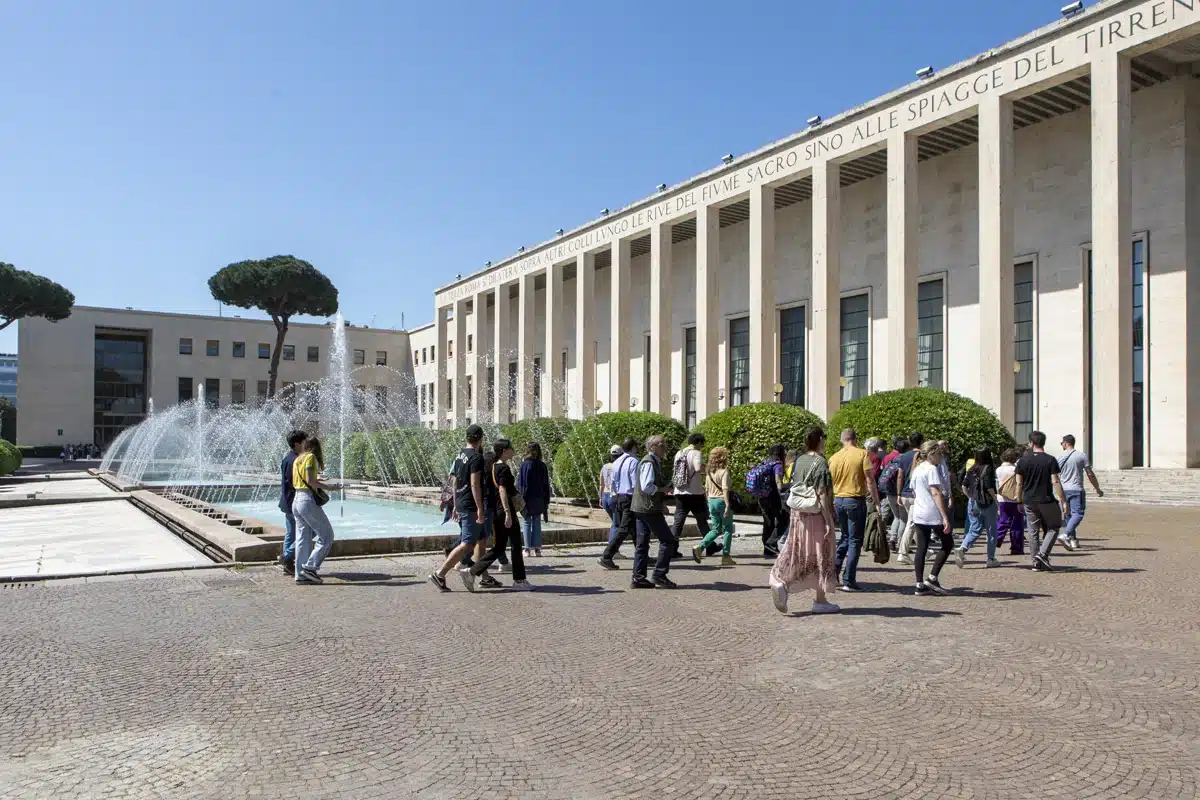
- Specialized Urban Tours lead participants through thematic neighborhood explorations, highlighting hidden layers of industrial archeology, contemporary design, and ancient heritage.
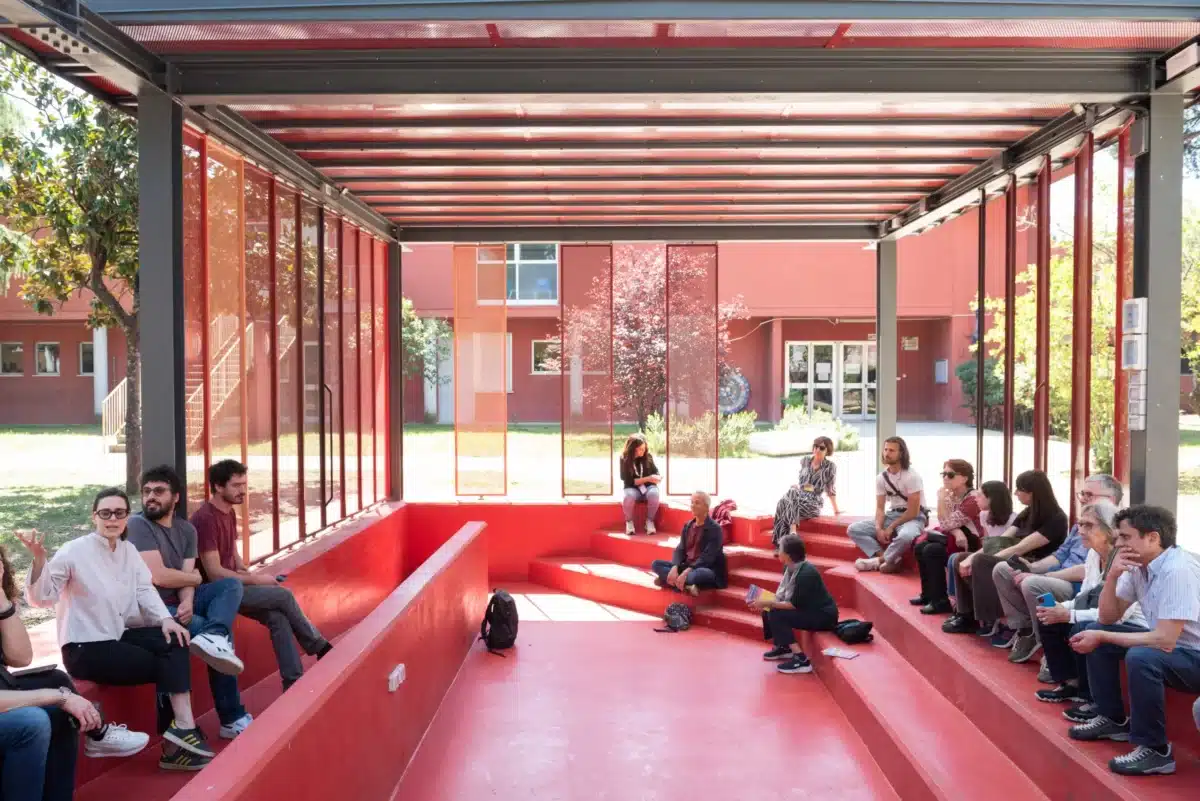
- Architectural Masterclasses and Expert Lectures present deep-dive discussions hosted by leading contemporary architects, structural engineers, and preservation historians.
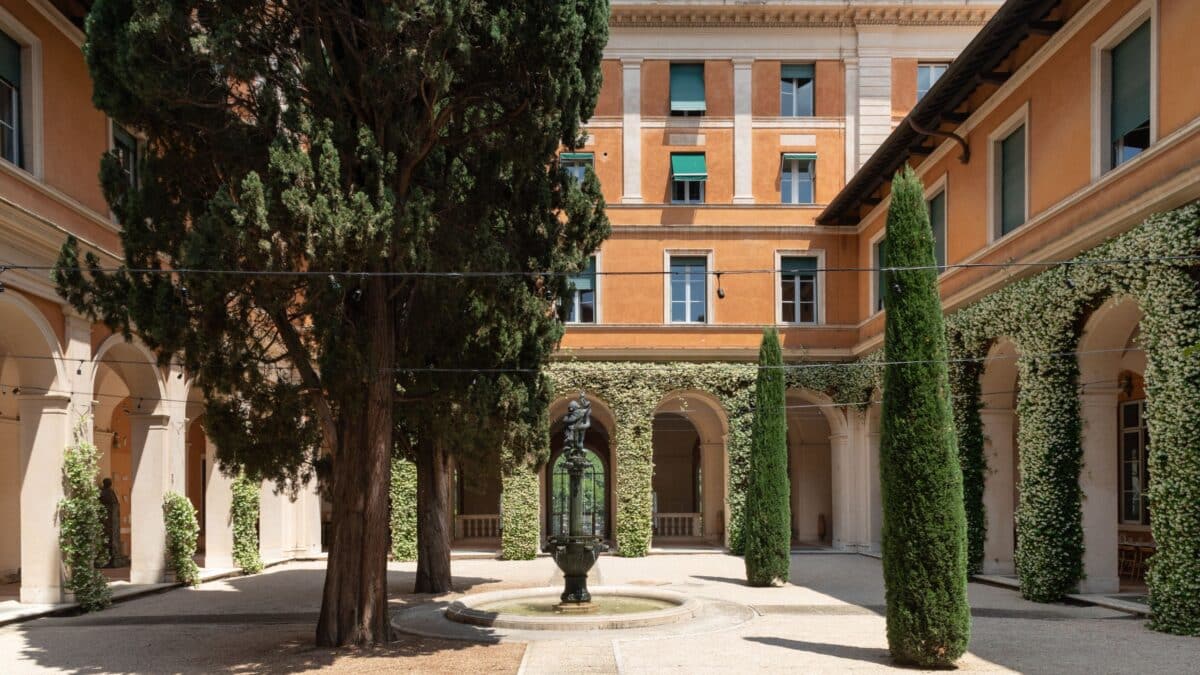
- Creative Public Installations animate historic courtyards and public squares with temporary structural artworks that challenge traditional spatial perceptions.
Why Attend
This event is ideal for professional architects, structural engineering students, urban historians, design lovers, and cultural explorers looking to experience Rome from an entirely fresh perspective. Attending provides a rare, once-a-year opportunity to step inside restricted historical and contemporary buildings that are normally closed to the general public.
Visitors benefit from expanding their spatial awareness, engaging in direct dialogues with leading creative professionals, and discovering the hidden structural layers that make Rome a living laboratory of design. The festival offers an intellectually stimulating yet entirely accessible environment that fosters a deep community-wide appreciation for architecture and shared urban heritage.
Date & Duration
- Event Date: May 2027 (Exact Dates TBD)
- Event Duration: A multi-day cultural celebration featuring continuous architectural openings and citywide urban tours
Visiting this event? Don’t miss out on these amazing activities and local experiences while you’re here.
Ticket Information
- How Tickets Are Sold: Free digital reservations can be made online through the official festival platform prior to specific site visits, alongside flexible walk-up options.
- Admission Type: Public admission applies universally across all standard site visits, guided tours, and specialized architectural events included in the official program.
- Ticket Pricing: Access to all participating properties, urban walks, and architectural presentations offers Free Admission for every attendee.
- Special Seating Options: Priority access queues and designated time-slot entry windows are managed digitally via personal participant passes for high-demand architectural sites.
- VIP Options: The festival maintains an egalitarian open-access model without paid VIP tiers, ensuring equal opportunity for all participants to explore every venue.
Venue / Location
- City and Country: Rome, Italy
- Venue Name: Various Historic Sites, Palazzos, and Modern Studios Across Rome
- Google Maps Address: Via di Bravetta, 200, 00164 Roma RM, Italy
Contact Information
- Email: info@openhouseroma.org
- Phone Number: +39 06 0606
- Official Website: https://openhouseroma.org/
Accommodation Options
Securing lodging in Rome during the vibrant spring architectural festival season requires careful planning as history enthusiasts and design tourists gather in the capital. Visitors can find charming boutique guesthouses near Trastevere or comfortable hotels close to major metro arteries, ensuring seamless transit between widely dispersed historical sites.
Booking accommodations well in advance guarantees proximity to central transit hubs, allowing participants to maximize their daily exploration schedules. Many local hospitality partners appreciate the cultural influx, providing comfortable sanctuaries to rest after intensive days of walking through ancient and modern architectural wonders.
Getting There
- Nearest Airport: Leonardo da Vinci-Fiumicino Airport and Ciampino Airport serve as the primary international aviation gateways with direct train and shuttle links to the city center.
- Nearest Train/Metro Station: Roma Termini and Roma Tiburtina railway stations provide major intercity rail connections integrated directly with the underground metro network.
- Bus Routes or Public Transport Options: Comprehensive ATAC bus, tram, and metro networks operate frequent schedules connecting all historic neighborhoods and participating festival venues across the city.
- Parking Availability: Public underground garages and peripheral park-and-ride facilities are available for visitors arriving by vehicle outside restricted traffic zones.
- Directions by Car: Accessible via major national motorways including the A1 Autostrada del Sole and the Grande Raccordo Anulare orbital ring road, following downtown directional signage.
Dining Recommendations
Breakfast Recommendations:
- Roscioli Caffè Pasticceria for exceptional artisan pastries and rich espresso in the historic center
- Regoli Pasticceria for legendary traditional maritozzi filled with sweet whipped cream near the Esquilino
- Caffè Sciascia for classic Roman coffee culture and delicate morning baked goods
Lunch Recommendations:
- Da Enzo al 29 for authentic Roman trattoria classics nestled in the heart of Trastevere
- Flavio al Velavevodetto for traditional pasta dishes served right against an ancient Monte Testaccio backdrop
- Roscioli Salumeria con Cucina for high-end gourmet dining and exceptional cured meat selections
Dinner Recommendations:
- Armando al Pantheon for historic family-run Roman cuisine just steps away from the iconic monument
- Trattoria Pennestri for contemporary takes on traditional regional comfort food in the vibrant Ostiense district
- Per Me Giulio Terrinoni for an elevated modern seafood gastronomic experience in central Rome
Local Specialties to Try:
- Cacio e Pepe creamy pasta tossed with rich pecorino romano cheese and sharp black pepper
- Supplì crispy fried rice croquettes stuffed with savory meat ragù and melting mozzarella
- Carciofi alla Giudia traditional Jewish-style deep-fried artichokes characterized by a perfectly crisp texture
What is this event?
Open House Roma is an acclaimed annual cultural festival dedicated to celebrating architecture, urban design, and civic participation throughout the capital of Italy. It opens the doors of hundreds of historically significant and structurally innovative buildings to the general public for free exploration.
By uniting expert volunteers, institutions, and curious citizens, the event fosters an interactive dialogue about the past, present, and future of Rome’s built environment. It transforms the entire metropolitan landscape into an open-air classroom where everyone can experience extraordinary spatial design firsthand.
Why is it popular?
The event achieves massive popularity through its rare ability to grant free public access to hidden architectural treasures that remain locked most of the year. Participants love the unique opportunity to step inside exclusive private palazzos and visionary modern complexes guided by knowledgeable design experts.
Furthermore, its inclusive ethos welcoming everyone to explore the city without financial barriers creates a powerful sense of shared civic pride. The dynamic combination of expert storytelling, stunning photography backdrops, and urban discovery captivates thousands of eager culture enthusiasts annually.
Tips before you go
- Register on the official website ahead of time to secure digital entry slots for high-demand architectural sites and popular guided tours.
- Wear comfortable walking shoes because exploring diverse multi-level historic structures and ancient cobblestone streets requires strong physical endurance.
- Check the digital schedule regularly through your smartphone to track real-time venue updates and open-line access policies.
- Plan your daily routes by grouping nearby participating locations together to minimize transit times across the sprawling city layout.
- Carry a portable device charger to manage your digital access passes and document your architectural discoveries seamlessly.
Tips for First-Time Visitors
- Familiarize yourself with Rome’s efficient public transit network to effortlessly transition between historic center monuments and outer district projects.
- Take full advantage of the volunteer-led explanations at each venue to understand the deep historical context and structural innovations of the spaces.
- Utilize the flexible walk-up option for select open locations if you prefer a spontaneous itinerary without rigid advance reservations.
- Allocate time outside of scheduled tours simply to wander through Rome’s diverse neighborhoods and observe the contrasting architectural eras.
- Engage directly with festival volunteers and fellow attendees to discover hidden architectural gems that might not be on your initial itinerary.
Attendee Experiences
- Stepping inside a stunning private modernist apartment in the historical center revealed breathtaking views and brilliant interior spatial concepts.
- The engaging volunteer descriptions at ancient industrial retrofits provided a fascinating perspective on how Rome continuously reinvents its built fabric.
- Exploring lesser-known architectural corners of the outer districts completely transformed my appreciation for the city’s modern civic design.
Video
Location
FAQ
What are the main dates for the Open House Roma event?
The festival takes place during the month of Spring, with exact dates to be announced by the organizing committee. Visitors can monitor the official platform for schedule releases and upcoming program details. Advance preparation ensures participants stay fully informed about all upcoming cultural windows.
Where are the primary architectural sites and guided tours hosted?
Venues are distributed widely across Rome, spanning from the ancient historic center out to vibrant modern suburban districts. These locations include private palazzos, governmental offices, and contemporary design studios. Navigational ease across the city allows guests to experience multiple diverse architectural stops throughout the day.
How can visitors secure entry to participating buildings and expert tours?
Visits can be reserved online through the official platform using simple digital registration profiles. Securing bookings ahead of time guarantees entry slots for the most sought-after architectural masterpieces. Flexible walk-up options also exist for select properties to accommodate spontaneous exploration.
Is public transportation convenient for getting around the festival venues?
Rome features an extensive network of metro lines, trams, and buses connecting all major neighborhoods and historical sites. Public transit simplifies cross-city travel when moving rapidly between distant architectural installations. Clear digital navigation tools help visitors traverse the municipal transit grid efficiently.
What special cultural focus is highlighted during this annual edition?
The festival places a primary emphasis on civic engagement, architectural preservation, and sustainable urban transformation. Special thematic routes and expert lectures explore how modern design interacts with ancient history. Audiences gain profound insights into the ongoing evolution of Rome's unique built environment.

Leave a Reply