

Concert Series and Orchestral Performances
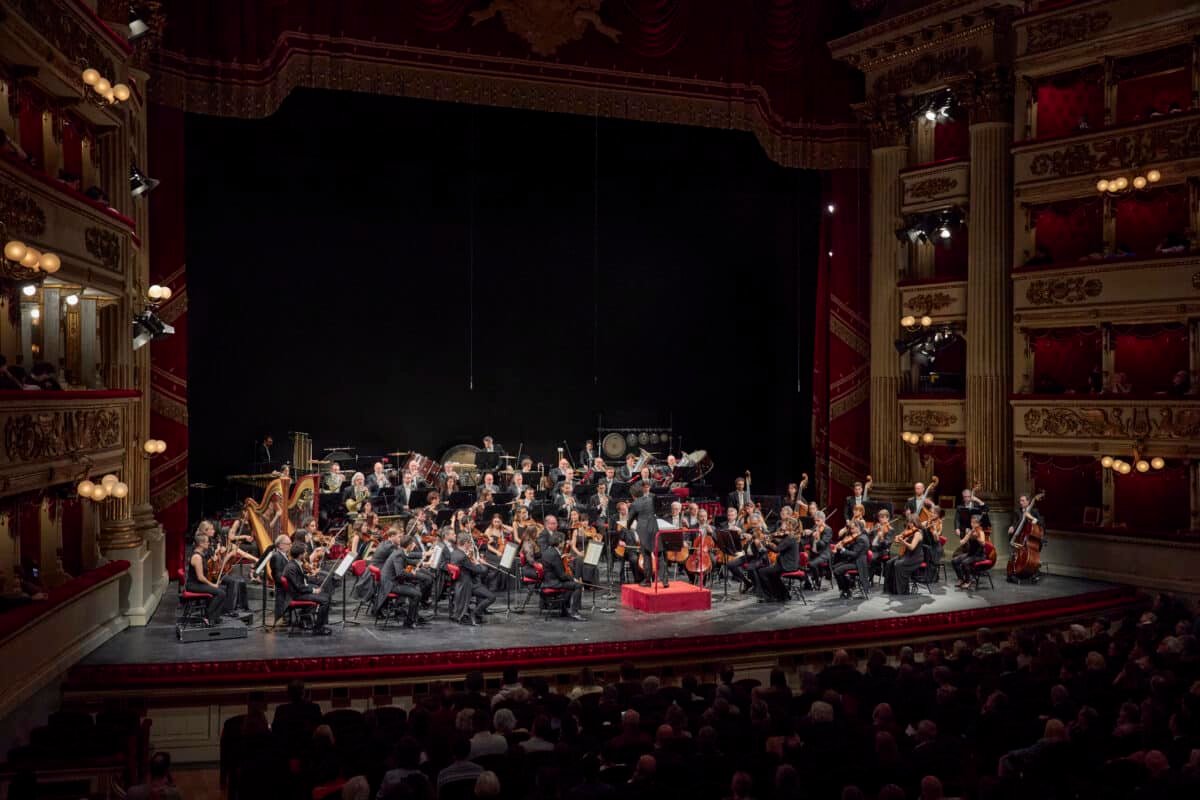
The orchestral core of the festival features ambitious symphonic programs executed by renowned national and international ensembles, delivering powerful interpretations of monumental modern scores. These large-scale concerts juxtapose canonical twentieth-century orchestrations with provocative new symphonic writing, testing the acoustic limits of historic auditoriums. Audiences can experience expansive repertoires that highlight the evolving dynamics between massive orchestral forces and subtle electronic augmentations, curated under the direction of leading contemporary conductors.
Chamber music series run parallel to the orchestral showcases, offering intimate settings for complex instrumental dialogue and hyper-detailed score realization. These smaller ensembles allow listeners to appreciate the intricate textures of contemporary writing, from microtonal string arrangements to complex wind configurations. Each concert is meticulously planned to ensure that spatial acoustics enhance the intricate structural layers inherent in modern chamber compositions, providing an uncompromised listening environment.
Collaborative programming with major Italian symphonic institutions guarantees performances of exceptional technical caliber and interpretive depth throughout the festival schedule. These partnerships enable the realization of massive technical requirements demanded by radical post-war and twenty-first-century masterpieces. The curated series continuously strives to balance historical context with raw sonic impact, ensuring every concert contributes meaningfully to the overarching thematic narrative of the season.
Enjoy Your Event Stress-Free with Italy Travelo
Whether you're traveling for a world-famous festival, live concert, cultural celebration, or business event, Italy Travelo helps simplify every step of your journey. Our team provides personalized travel assistance, allowing you to focus on creating lasting memories.
- Opening symphonic concert combining historical masterpieces with contemporary Italian repertoire
- Specialized chamber music presentations featuring internationally acclaimed string quartets
- Large-scale choral and orchestral collaborations exploring sacred and secular modern themes
- Monographic artist spotlights dedicated to defining figures of post-war musical thought
- Immersive spatial audio concerts utilizing multi-channel speaker distribution arrays
- Late-night experimental listening sessions focusing on micro-sound and ambient structures
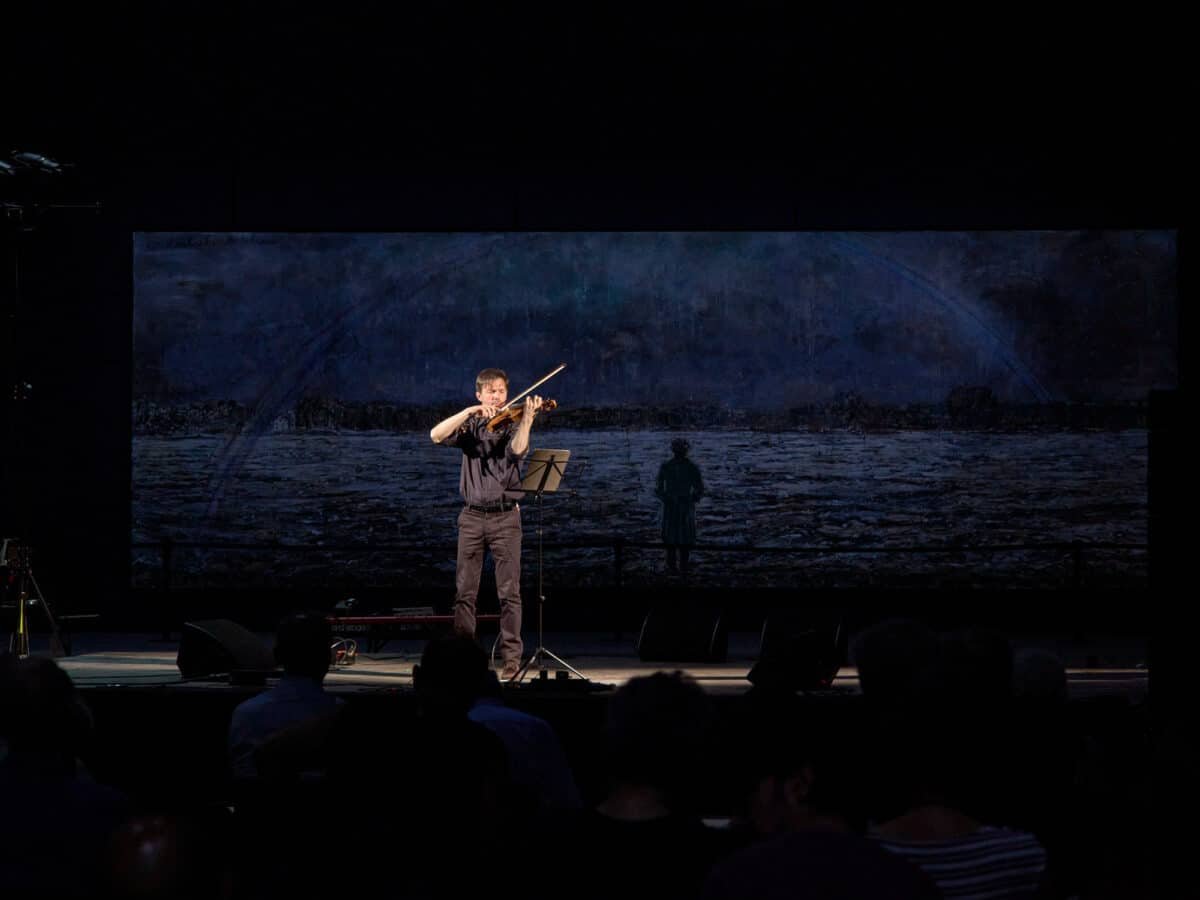
- Interdisciplinary concert formats pairing live instrumentation with real-time video art
- Youth orchestra mentorship showcases highlighting upcoming generation performers
- Contemporary concerto performances featuring leading international guest soloists
- Closing symphonic gala celebrating milestone anniversaries of seminal modern compositions
International Composer Commissions and Premieres
A foundational pillar of Milano Musica is its active commitment to commissioning ambitious new works from both established international masters and emerging compositional voices. These newly minted pieces receive their world or Italian premieres during the festival, providing a vital platform for cutting-edge creative output. By investing directly in the creation of fresh repertoire, the festival ensures the continuous growth and revitalization of contemporary musical art forms on a global scale.
The commissioning process emphasizes artistic freedom, encouraging composers to push the boundaries of structural form, instrumentation, and acoustic spatialization. These world premieres are treated as landmark cultural events, supported by extensive rehearsal periods and close collaboration between the creators and executing performers. This rigorous approach guarantees that complex scores are brought to life with absolute fidelity, fulfilling the rigorous artistic intentions behind each newly penned composition.
Premiere events are frequently accompanied by introductory composer talks, score analysis sessions, and detailed program notes that illuminate the creative genesis of the work. This educational scaffolding helps audiences decode complex contemporary idioms, transforming unfamiliar sonic territories into engaging intellectual journeys. Through these initiatives, Milano Musica cements its status as an essential incubator for the future of global contemporary music creation.
Event Programme
- Event Date: April 2027 – June 2027 (Dates TBD)
- Event Duration: Multi-week seasonal music festival spanning several weeks across the spring period
Visiting this event? Don’t miss out on these amazing activities and local experiences while you’re here.
Electronic Music and Sound Art Laboratories
Exploration of electronic music, tape manipulation, and computer-assisted composition remains a core focus, driven by dedicated sound art laboratories and technical residencies. These sessions investigate the intersection of acoustic instruments with real-time digital processing, spatial audio projection, and synthesized timbres. Partnering with elite technological institutes, the festival provides creators with state-of-the-art hardware and software environments to realize unprecedented acoustic visions.
Sound installations placed in unconventional architectural spaces transform everyday environments into reactive audio-visual ecosystems throughout the festival duration. Artists utilize multi-speaker arrays, custom transducers, and environmental sensors to construct responsive sound sculptures that engage casual passersby and dedicated listeners alike. These installations challenge the traditional boundaries of the concert hall, bringing experimental sound art directly into the public urban fabric.
Laboratory workshops also offer specialized training for technicians and sound engineers, focusing on the rigorous demands of spatial sound diffusion and live electronic mixing. By nurturing technical expertise alongside artistic vision, Milano Musica ensures that complex electronic components are executed with pristine clarity. This dedication to sonic fidelity elevates electronic music from a novelty to an essential, highly refined component of the contemporary classical paradigm.
- Advanced electronic music composition and live processing seminars
- Multi-channel spatial audio mixing workshops utilizing cutting-edge diffusion software
- Custom hardware design and sensor integration sessions for interactive sound art
- Public sound installations situated in iconic architectural landmarks across Milan
- Analog synthesizer restoration and historical electronic instrument preservation clinics
- Live coding and algorithmic composition performance demonstrations
- Acoustic ecology and field recording listening sessions exploring urban soundscapes
- Collaborative prototyping labs pairing sound artists with software engineers
Featured Historical Legacy and Monographic Focus
Each festival edition dedicates substantial programming to a monographic focus, honoring the historical legacy of pivotal composers who permanently altered the course of musical history. These deep-dive retrospectives trace the artistic lineage of a singular master, examining their early breakthroughs, mature masterworks, and lasting influence on subsequent generations. By placing historical giants in direct dialogue with contemporary peers, the festival illuminates the continuous thread of musical evolution.
Extensive musicological research underpins these monographic tributes, often unearthing rarely performed archival scores, early sketches, and forgotten chamber pieces. These retrospective concerts provide rare opportunities for audiences to experience complete stylistic arcs rather than isolated canonical hits. Comprehensive program books and curated listening guides accompany these historical retrospectives, offering deep contextual analysis for scholars and enthusiastic concertgoers.
The exploration of historical legacy also extends to schools of thought and geographical movements that defined specific eras of twentieth-century modernism. Panel discussions and specialized lecture series dissect the socio-political contexts that birthed these radical sonic revolutions. This reflective component ensures that the festival honors its roots while continuously pushing forward into uncharted artistic territories.
Entry & Tickets
- How Tickets Are Sold: Tickets are sold online through the official Vivaticket platform, via the Milano Musica box office, and directly at venue ticket windows subject to availability on the day of the performance.
- Admission Type: Standard ticketed entry for major orchestral events and chamber concerts, alongside selected free public events that require prior online seat reservation.
- Ticket Pricing: Ticket prices range from a minimum of $5.50 for specialized single-seat workshop entries up to a maximum of $44.00 for primary theatre stalls and main series concert events.
- Special Seating Options: Concession pricing tiers are available for designated student attendees, younger audiences under age thirty-five, and older patrons over age sixty-five across participating venues.
- VIP Options: Special subscriber packages and supporter carnets are offered, providing designated seating allocations in primary stalls or premium box sections along with complimentary festival program materials.
Partner Performance Spaces and Iconic Milan Venues
The festival utilizes a diverse array of partner performance spaces, ranging from world-renowned opera houses to stark industrial relics and sacred architectural marvels. This multi-venue strategy ensures that every musical work is paired with an environment that complements its acoustic and aesthetic requirements. From grand theatrical stages to intimate chapel settings, the architectural variety enhances the overall sensory immersion of the audience.
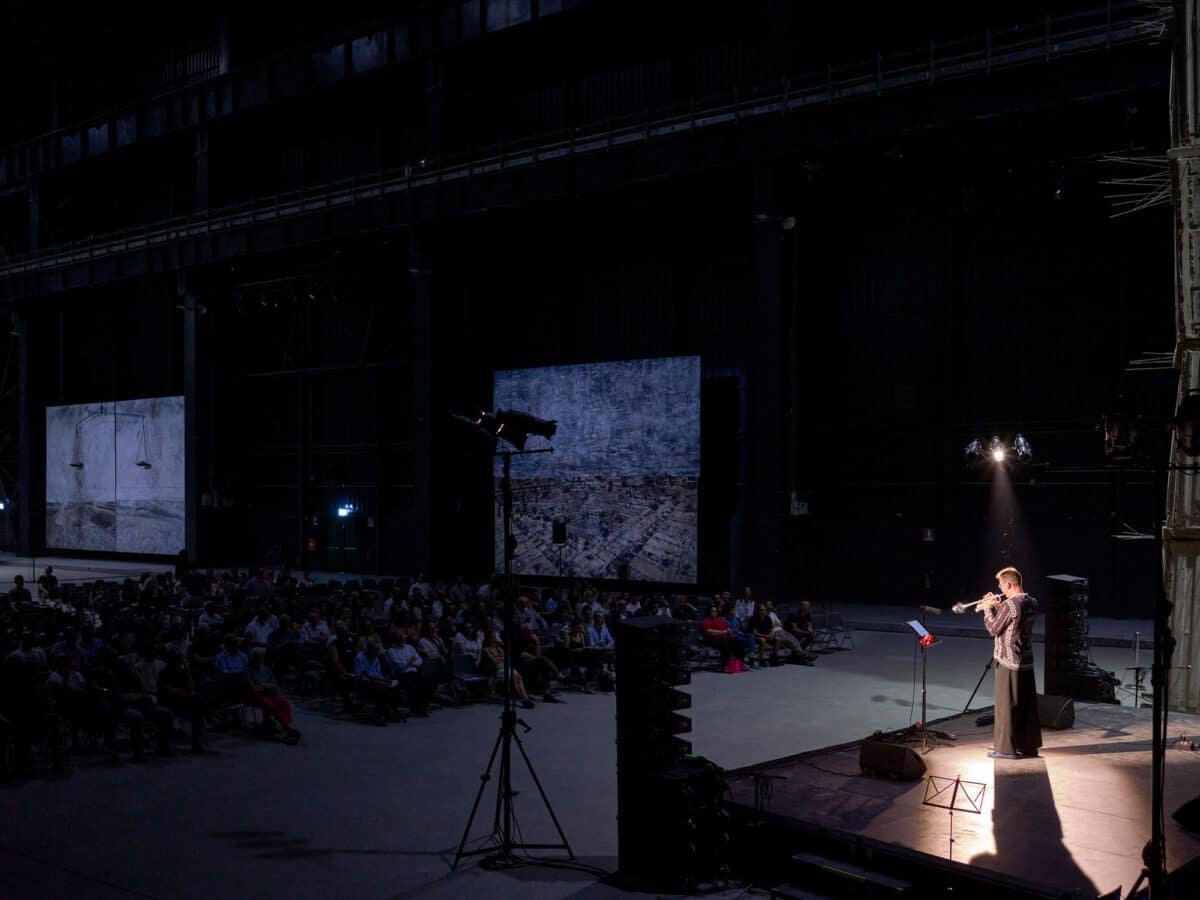
Venues like Teatro alla Scala provide a prestigious backdrop for monumental symphonic events, while alternative spaces like avant-garde digital centers and post-industrial complexes host cutting-edge electronics. This deliberate architectural pairing transforms the city map into an interactive cultural trail, encouraging audiences to explore diverse neighborhoods and architectural styles. Each location is chosen for its unique acoustic properties and historical resonance within the cultural identity of Milan.
Logistical coordination across multiple sites requires meticulous planning to ensure seamless artist transport, equipment calibration, and audience accessibility. The integration of public transit guidance and clear directional signage helps attendees navigate easily between morning academic panels, afternoon chamber concerts, and evening symphonic galas. This city-wide embrace turns the entirety of Milan into a living, breathing festival canvas.
- Teatro alla Scala serving as the primary grand stage for major orchestral galas
- Historic city churches offering resonant, reverberant acoustics for sacred and vocal polyphony
- Dedicated modern art institutions hosting experimental electronic sound installations
- Intimate municipal theaters housing specialized contemporary chamber music series
- Industrial heritage spaces converted into expansive multi-media performance arenas
- University lecture halls accommodating academic symposia and musicological panels
- Specialized digital culture centers showcasing algorithmic art and multimedia projects
- Architectural landmarks providing unique open-air acoustic staging opportunities
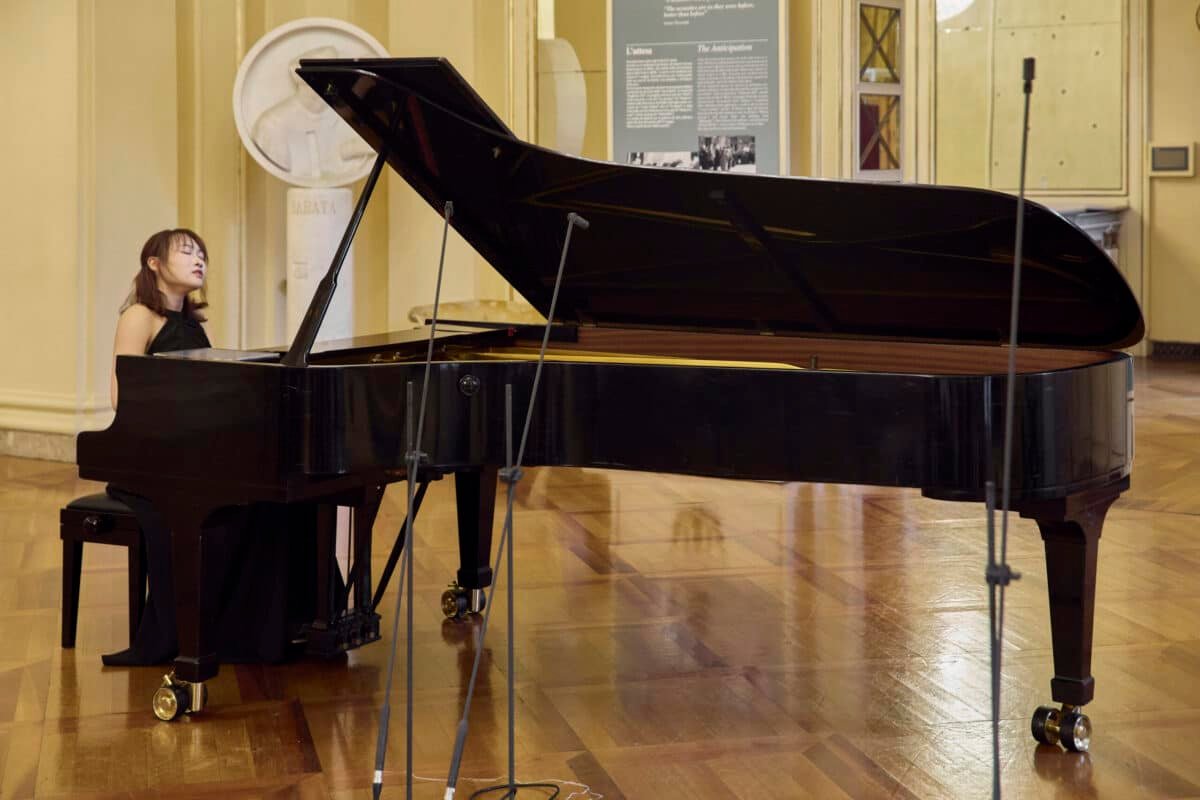
- Public museum foyers utilized for morning showcase concert series
Educational Projects and Youth Engagement Initiatives
Cultivating the next generation of listeners and cultural participants is achieved through dedicated educational projects and youth engagement initiatives tailored for diverse age groups. These programs feature specially curated interactive concerts, family-oriented musical drama productions, and school outreach workshops designed to demystify contemporary sound. By engaging children and teenagers early, the festival fosters lifelong appreciation for creative experimentation and artistic curiosity.
Collaborations with local schools and youth groups allow students to interact directly with visiting composers and performers through hands-on creative workshops. Participants learn the basics of sound creation, rhythm, and listening awareness, often contributing to collective musical pieces showcased during youth-oriented festival events. These initiatives emphasize that contemporary music is an accessible, dynamic, and emotionally resonant art form for all ages.
Special reduced ticketing tiers and dedicated youth programs ensure financial barriers are minimized for students and young families wishing to attend festival events. Educational packs and guided listening guides are distributed to participating schools, enabling teachers to prepare their classrooms before attending live performances. Through these structured outreach efforts, Milano Musica actively invests in building an informed, enthusiastic future audience base.
Getting to the Event
- City and Country: Milan, Italy
- Venue Name: Teatro alla Scala and various cultural spaces across Milan
- Google Maps Address: Piazza della Scala, 20121 Milano MI, Italy
Festival Overview and Contemporary Vision
Milano Musica stands as a preeminent international institution dedicated to the dissemination, promotion, and profound exploration of contemporary classical music and twentieth-century masterworks. Established to bridge historical repertoire with cutting-edge sonic experimentation, the festival transforms the cultural landscape of Milan into a vibrant hub for groundbreaking musical thought. Every season invites audiences to engage with rigorous artistic curation that highlights the evolution of modern sound, fostering an environment where historical legacy directly informs the avant-garde paths of tomorrow.
The contemporary vision of the festival centers on creating immersive listening experiences that challenge traditional perceptions of acoustic space and compositional boundaries. By platforming daring conceptual frameworks and diverse stylistic expressions, Milano Musica bridges local Italian artistic excellence with global avant-garde movements. Through extensive multidisciplinary collaborations involving visual arts, spatial design, and digital media, the organization redefines how contemporary musical performance interacts with modern society, intellectual discourse, and architectural heritage.
Academic Residencies and Masterclasses
Educational enrichment forms a vital component of the festival ecosystem, anchored by rigorous academic residencies and specialized masterclasses led by master composers. Young instrumentalists, conductors, and composers gather in Milan from around the world to participate in intensive workshops focused on the interpretation of contemporary scores. These sessions provide an invaluable bridge between formal academic study and professional performance standards under expert mentorship.
Participants work directly with resident artists and visiting international soloists, receiving granular feedback on technical execution, expressive nuance, and stylistic authenticity. The mentorship model prioritizes direct, hands-on collaboration, allowing young professionals to absorb decades of specialized performance practice. This direct transmission of knowledge ensures the preservation and evolving mastery of complex contemporary performance techniques for future generations.
Public auditing of masterclasses is widely encouraged, offering curious listeners a rare window into the meticulous preparation required to mount avant-garde masterworks. These academic modules foster a supportive community of practice, where peer-to-peer exchange and critical dialogue flourish. Ultimately, these residencies cultivate a new wave of ambassadors dedicated to championing challenging contemporary repertoire across international stages.
- Intensive instrumental masterclasses focusing on extended techniques for strings and woodwinds
- Composition seminars led by internationally renowned guest creator figures
- Conducting workshops dedicated to managing complex metric modulation and mixed meter scores
- Professional development sessions addressing career management in the contemporary arts sector
- Analytical score study groups examining foundational masterworks of the twentieth century
- Collaborative reading sessions pairing student composers with professional chamber ensembles
- Interactive feedback forums evaluating new performance methodologies and notation practices
- Open-air public presentation workshops showcasing residency project outcomes
Collaborative International Ensembles and Soloists
The international profile of Milano Musica is underscored by its curation of world-class collaborative ensembles and visionary solo artists renowned for specialized contemporary performance. These visiting groups bring unique stylistic perspectives from across the globe, introducing Italian audiences to distinct regional approaches to modern composition. The cross-pollination of international performance traditions enriches the domestic cultural ecosystem immeasurably.
Collaborative projects frequently pair international guest soloists with resident Italian ensembles, creating unique ad-hoc super-groups designed for specific festival commissions. These high-level artistic exchanges foster enduring professional networks and inspire future international co-productions. The rigorous rehearsal process ensures that complex, multi-national ensembles achieve a unified, cohesive interpretation on stage.
Master soloists specializing in rare instruments or unorthodox performance techniques find a welcoming home within the festival program. Whether presenting microtonal piano literature, extended percussion configurations, or custom-built electro-acoustic devices, these performers expand the perceived boundaries of instrumental capability. Their virtuosic presentations challenge and inspire both local audiences and visiting musical scholars.
- Renowned international string quartets specializing in complex twentieth-century repertoire
- Specialized contemporary music ensembles traveling from across Europe and the Americas
- Virtuoso solo instrumentalists focusing on microtonal and extended technique mastery
- Collaborative cross-border performance projects uniting Italian and foreign artists
- Guest percussion ensembles utilizing massive multi-instrument setups surrounding audiences
- Vocal soloists trained in contemporary theatre and extended phonetic expression
- Specialized early music revivalists bridging historical instruments with modern idioms
- International guest conductors leading premier Italian symphonic institutions
Guide
- Email: info@milanomusica.org
- Phone Number: 02 67 39 78 50
- Website: https://www.milanomusica.org/
Cultural Symposia and Musicological Roundtables
Intellectual discourse is championed through a series of cultural symposia and musicological roundtables featuring leading thinkers, philosophers, historians, and composers. These academic panels dissect the broader cultural, sociological, and philosophical implications of contemporary artistic trends. Scholars debate the evolving definition of musical modernism, the impact of technology on human listening habits, and the socio-political responsibilities of modern creators.
Roundtable discussions encourage active debate and audience participation, breaking down the traditional wall between academic theory and practical listening experience. Transcripts and audio recordings of these symposia are preserved for educational archives, contributing valuable literature to the field of modern musicology. These sessions provide vital intellectual context that enriches the emotional and aesthetic impact of the festival concert schedule.
International guest speakers bring diverse global perspectives to the debates, examining how contemporary music intersects with global cultural shifts and digital transformations. This rigorous academic framing distinguishes Milano Musica not merely as a concert series, but as a comprehensive center for advanced musicological thought and critical reflection. The symposia ensure that every artistic choice is backed by deep intellectual rigor and historical awareness.
Festival Publications and Multimedia Archives
Preservation and dissemination of festival outcomes are secured through comprehensive publishing initiatives and rich multimedia archive development. Each season sees the release of detailed festival catalogs, scholarly monographs, and essays documenting the conceptual foundations of the programmed works. These publications serve as enduring historical records of the festival’s ongoing contribution to contemporary music history.
The multimedia archive records live performances, symposium debates, and composer interviews, creating an accessible digital repository for researchers, students, and global enthusiasts. Audio-visual documentation is curated to meet the highest professional standards, ensuring that complex spatial audio and intricate staging are captured accurately. This digital legacy extends the impact of the festival far beyond its physical dates and geographic boundaries.
Distribution partnerships with international broadcasters and academic databases ensure these archival materials reach a worldwide audience of scholars and cultural institutions. By maintaining an open, comprehensive historical record, Milano Musica safeguards the ephemeral magic of live performance for future analytical study. These publications and archives stand as a testament to decades of unwavering dedication to avant-garde musical excellence.
Location
FAQ
What is the primary artistic focus of the festival?
The festival centers on contemporary classical music, showcasing pioneering twentieth-century masterpieces alongside world premieres. It bridges historical avant-garde movements with cutting-edge modern compositions through intensive curation.
Where do the festival concerts and events take place?
Events are hosted across iconic Milanese venues, including Teatro alla Scala, historic churches, and modern cultural spaces. This multi-site approach pairs each musical performance with an acoustically and architecturally suitable environment.
How can attendees access educational talks and academic symposia?
Academic panels, masterclasses, and musicological roundtables are open to the public, offering deep contextual insights. Many sessions allow audience participation and auditing to foster open intellectual exchange.
Are there resources available for audience members new to contemporary music?
Comprehensive program guides, introductory composer talks, and educational notes are provided for all major concerts. These resources help listeners decode complex modern idioms and understand the creative genesis of the works.
How are international collaborations integrated into the seasonal schedule?
The festival actively invites renowned global ensembles, soloists, and guest conductors to perform alongside Italian institutions. These cross-border partnerships foster rich artistic exchanges and showcase diverse international performance traditions.

Leave a Reply