
What to expect in 2027
Maremetraggio Festival, now presented as ShorTS International Film Festival, will return to Trieste in 2027 with a programme focused on short films, emerging filmmakers, international cinema and new forms of audiovisual storytelling. The festival has developed into a broad short-film event combining competitive sections with special programmes, filmmaker encounters, youth activities and immersive cinema.
The festival’s established programme includes international short films, Italian productions, environmental cinema, very short films, children’s and teenagers’ selections, virtual reality experiences and special feature-film presentations. This makes the event suitable for audiences interested in both traditional short filmmaking and experimental audiovisual formats.
The 2027 edition is expected to continue the festival’s international outlook while maintaining its strong connection with Trieste and the wider Adriatic cultural region. The festival also traditionally combines cinema with discussions, masterclasses, awards and activities designed for younger audiences.
Enjoy Your Event Stress-Free with Italy Travelo
Whether you're traveling for a world-famous festival, live concert, cultural celebration, or business event, Italy Travelo helps simplify every step of your journey. Our team provides personalized travel assistance, allowing you to focus on creating lasting memories.
The final 2027 selection, guest list and programme will be announced by the festival organization. Visitors should consult the official festival website for confirmed programme information.
Festival dates
Maremetraggio Festival 2027 is planned for June to July 2027, with the exact dates still to be announced.
The festival traditionally runs as a multi-day programme, allowing audiences to attend competitive screenings, special events, filmmaker encounters, children’s programmes and immersive experiences.
The final opening and closing dates, individual screening times and daily programme will be published by the organizers once the 2027 edition has been finalized.
Visiting this event? Don’t miss out on these amazing activities and local experiences while you’re here.
Venues & festival locations
Maremetraggio Festival uses several cultural, cinema and outdoor locations around Trieste.
Recent editions have included:
- Teatro Miela
- Giardino Pubblico
- Sala Xenia
- Casa del Cinema
- Kinemax in Gorizia for selected regional activities
- Other cultural and public spaces connected with festival events
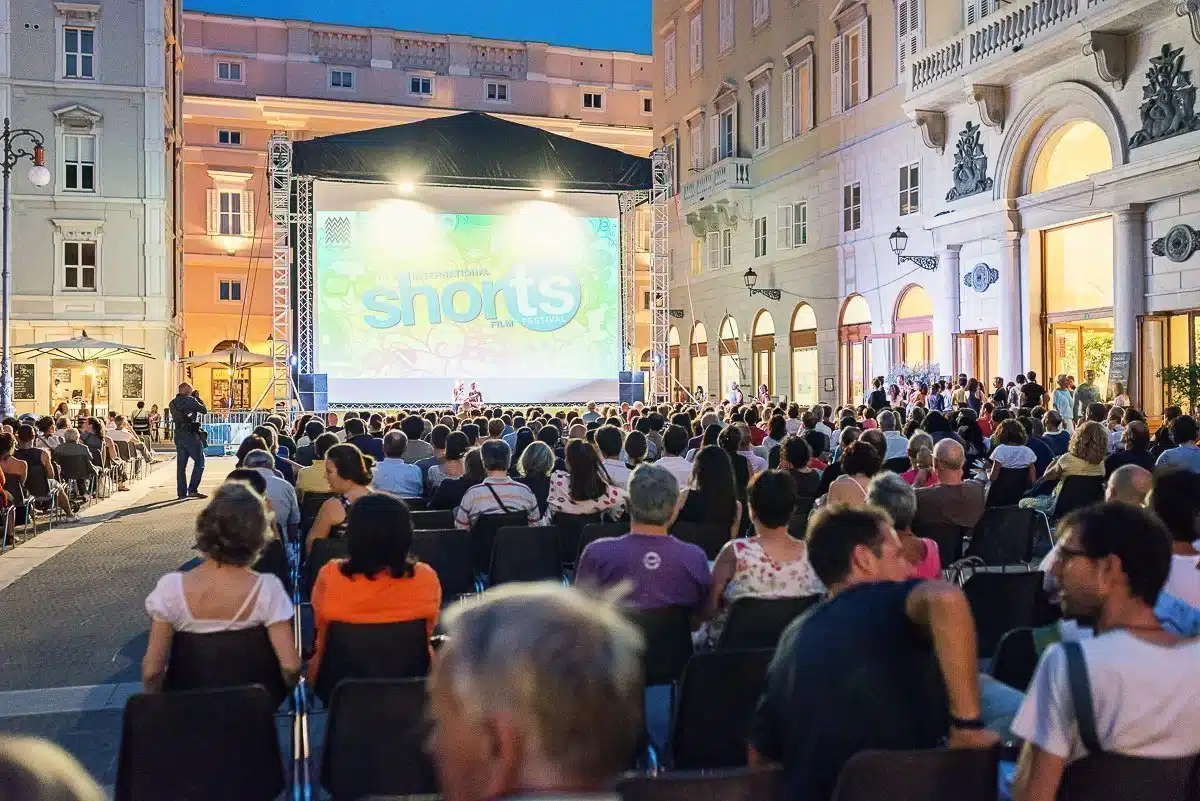
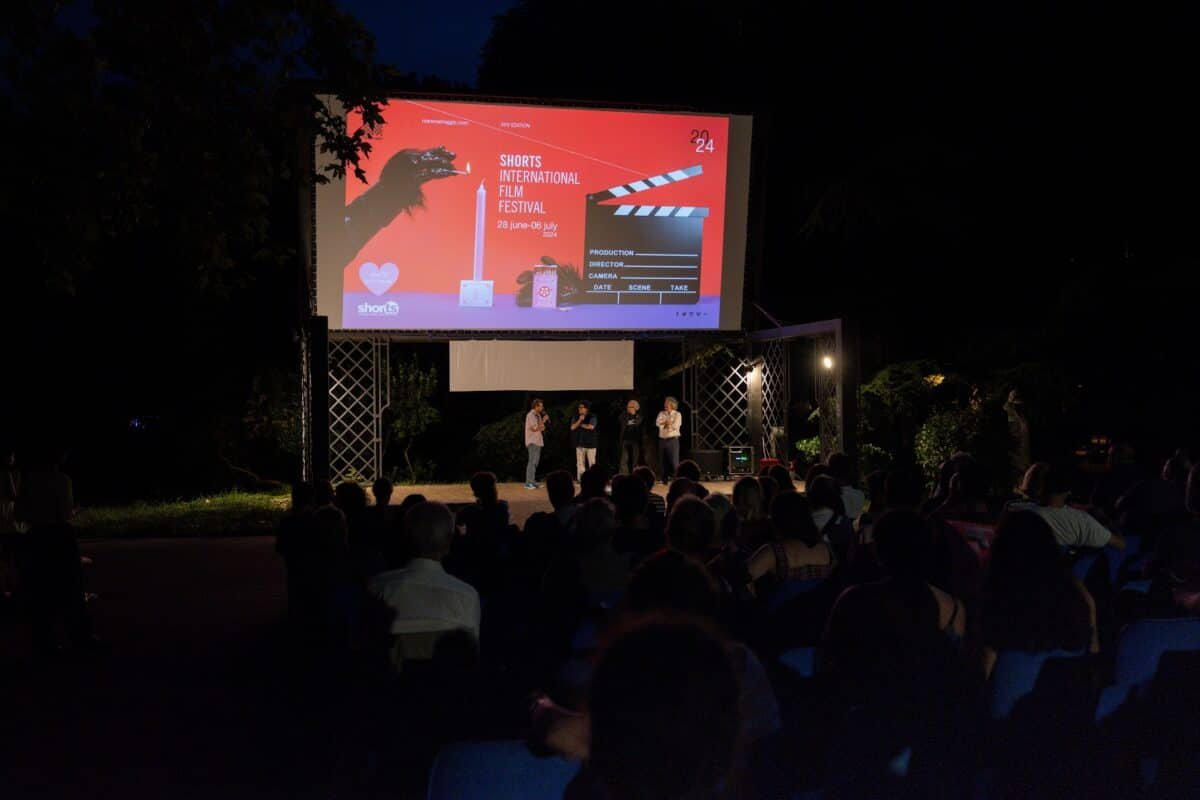
Teatro Miela is an important festival location for masterclasses, special screenings, feature-film presentations and dedicated programme sections. The Giardino Pubblico has been used for open-air evening screenings and major festival ceremonies. Sala Xenia hosts immersive VR experiences and other activities.
The festival’s use of different locations allows visitors to experience cinema in both conventional theatres and outdoor public spaces. The final 2027 venue allocation will be confirmed with the official programme.
Full programme
The 2027 programme is expected to build on the established ShorTS International Film Festival structure.
The main programme can include:
- Maremetraggio international short-film competition
- ShorTS Express
- Italia in ShorTS
- Eco-ShorTS
- Shorter Kids’n’Teens
- ShorTS Immersive
- Shorter Kids and Teens activities
- EFA Shorts
- Special feature-film presentations
- Focus programmes
- Retrospectives and tributes
- Masterclasses
- Filmmaker meetings
- Professional workshops
- Development and pitching activities
- Outdoor screenings
- Special events and award ceremonies
The festival’s competition structure has included international shorts, very short films, Italian productions, environmentally themed works, youth selections and virtual reality films.
The programme also extends beyond competitions. Previous editions have included feature films, talks, masterclasses, special focus programmes and events exploring the relationship between cinema and other creative disciplines.
Featured films & premieres
The individual films selected for the 2027 edition have not yet been announced.
The main Maremetraggio competition traditionally provides an international showcase of short films from different countries and cinematic traditions. Works can include fiction, animation, documentary and experimental filmmaking.
Italia in ShorTS focuses specifically on Italian short films and has previously included animation, documentary, fiction and experimental cinema. Eco-ShorTS provides a dedicated space for works dealing with environmental themes.
Previous programmes have also included EFA Shorts, special feature-film screenings and national or international focus sections. Visitors can therefore expect the final selection to combine emerging short-film talent with specially curated cinema presentations.
Directors, actors & guests
The 2027 guest list has not yet been announced.
Maremetraggio traditionally welcomes directors, actors, screenwriters, producers and other cinema professionals for public meetings, masterclasses, presentations and screenings.
The festival also presents individual awards recognizing established and emerging figures in cinema. Previous editions have included the Premio Prospettiva and Premio Interprete del Presente, alongside masterclasses connected with invited cinema personalities.
Guest appearances are often connected with specific screenings or special events, so visitors interested in meeting filmmakers should check the official daily schedule once the 2027 programme is published.
Screening schedule
The detailed 2027 screening schedule has not yet been released.
Based on previous editions, the programme can include afternoon activities at Teatro Miela, evening screenings at the Giardino Pubblico, immersive sessions at Sala Xenia and special events at other locations.
A typical festival day can combine children’s or professional activities during the afternoon with competitive short-film programmes and special screenings in the evening.
Once the official programme is released, visitors should check each film’s venue and screening time carefully because different sections may operate simultaneously at separate locations.
Ticket types & accreditation
The 2027 ticketing arrangements have not yet been announced.
Previous editions have used different admission arrangements depending on the event. Some screenings and public programmes may be free, while certain special events or reserved experiences can require advance booking or a ticket.
ShorTS Immersive, for example, has previously required visitors to reserve sessions for VR experiences.
Professional participants, filmmakers, press representatives and invited guests can have separate accreditation or access arrangements. The festival will publish the 2027 ticketing and accreditation procedures when they are available.
Because no confirmed 2027 admission prices have been published, no unsupported ticket amount should be presented as a confirmed price.
Industry & professional access
Maremetraggio provides opportunities for filmmakers and audiovisual professionals through competitions, professional meetings, development activities and workshops.
The festival has an established ShorTS Development & Pitching Training programme designed to support screenwriters and directors developing short-film projects. Previous editions have involved international projects and professional development activities.
Professional activities can be relevant to:
- Directors
- Screenwriters
- Producers
- Actors
- Film critics
- Journalists
- Distributors
- Film students
- Festival professionals
- Audiovisual organizations
- Emerging filmmakers
Film submissions are managed through the festival’s official application process, with selected filmmakers contacted by the festival secretariat and required to provide the requested materials.
Red carpet & special events
Maremetraggio combines film screenings with live events, awards, masterclasses and public encounters.
The Giardino Pubblico has traditionally provided a major outdoor setting for evening screenings and festival ceremonies. In previous editions, the awards ceremony for the short-film competitions has been held there, followed by a special focus programme.
Special events can include:
- Opening events
- Award ceremonies
- Masterclasses
- Actor and director encounters
- Feature-film presentations
- Focus programmes
- EFA Shorts
- VR experiences
- Outdoor screenings
- Cinema and music events
- Professional panels
- Youth cinema activities
The festival can also use special city locations to connect cinema with Trieste’s cultural environment.
Festival rules
Filmmakers and participants must follow the official festival regulations covering eligibility, submissions, screening materials and participation.
The established rules require submitted films to follow the official online application procedure. Selected filmmakers must provide the materials requested by the festival within the deadlines communicated by the organization.
Important rules include:
- Film entries must comply with the relevant competition requirements.
- Selected filmmakers must provide the requested screening and promotional materials.
- The festival determines the official screening schedule.
- Selection is made by the festival’s artistic direction.
- Competition films may be considered for jury and audience awards.
- Participation implies acceptance of the official festival regulations.
- The festival may modify or add awards and special mentions.
The final 2027 regulations should be consulted for the exact submission requirements and deadlines.
How to get there
Trieste is located in northeastern Italy near the Slovenian border and is well connected by rail and road.
Trieste Centrale railway station is the main rail gateway and provides connections with other Italian cities and international destinations. From the station, visitors can continue into the city centre using local buses, taxis or walking routes.
Trieste Airport is located outside the city and provides an additional arrival option for visitors travelling by air. Airport connections can be continued by train, bus, taxi or private transfer.
Many festival venues are located within the central urban area, making it practical to combine walking with local public transportation.
Public transport & parking
Public transportation is useful for moving between the railway station, city centre and festival locations.
Several central venues can be reached on foot, particularly for visitors staying around the city centre. This can be convenient when attending consecutive screenings at nearby locations.
Visitors travelling by car should consider the availability of parking around individual venues before attending evening programmes. Central Trieste can become busy during major cultural events, and some streets may have restricted access or limited parking.
The festival’s final 2027 programme should be checked for any temporary transport arrangements or venue-specific parking information.
Accommodation areas
Visitors can choose accommodation in central Trieste or in neighbourhoods with convenient connections to the festival venues.
Useful areas include:
- Trieste city centre
- Borgo Teresiano
- San Giacomo
- Barriera Vecchia
- Cavana
- Near Trieste Centrale railway station
- Waterfront and historic centre areas
Staying near the city centre is particularly convenient for festival visitors because several cultural venues and restaurants can be reached on foot.
Visitors attending evening outdoor screenings may also prefer accommodation within easy walking distance of the central festival locations.
Food & dining
Trieste provides a distinctive food culture influenced by Italian, Central European and Adriatic traditions.
Visitors can explore traditional dishes, seafood restaurants, cafés, bakeries and historic coffee houses between festival screenings.
The city centre and areas around Cavana, Piazza Unità d’Italia and the waterfront provide numerous choices for meals and refreshments.
For visitors following a busy screening schedule, cafés and casual restaurants can be useful for shorter breaks between programme sessions, while a longer evening can be reserved for exploring Trieste’s local cuisine after the day’s screenings.
Accessibility
Accessibility arrangements can vary between individual festival venues, so visitors with specific requirements should confirm facilities directly with the festival or venue before attending.
Because the programme operates across theatres, outdoor spaces, cultural centres and other locations, entrances, seating arrangements and accessible facilities may differ from one venue to another.
Visitors requiring wheelchair access, accessible seating or assistance should contact the festival organization before attending so that suitable arrangements can be confirmed.
The final 2027 accessibility information should be checked once the complete programme and venue schedule are published.
Best screenings to attend
The Maremetraggio international competition is a central choice for visitors interested in discovering new short-film talent from around the world.
Italia in ShorTS is particularly relevant for audiences interested in contemporary Italian short filmmaking, while Eco-ShorTS offers a focused selection of films exploring environmental themes.
ShorTS Express is suited to audiences interested in very short films, while Shorter Kids’n’Teens provides programming specifically created for younger viewers. ShorTS Immersive offers a different experience through virtual reality and immersive audiovisual storytelling.
Special feature-film presentations, EFA Shorts, masterclasses and filmmaker encounters can also be useful choices for visitors wanting to experience areas of the festival beyond the main competition.
Previous year’s highlights
Recent editions have featured a substantial international short-film programme alongside specialized competitions and audience programmes.
The established competition structure has included Maremetraggio, ShorTS Express, Italia in ShorTS, Eco-ShorTS, Shorter Kids’n’Teens and ShorTS Immersive, with additional sections and special programmes developing from year to year.
Previous programming has included international short films from Europe, Asia, the Americas, the Middle East and other regions, alongside Italian productions and dedicated environmental and youth selections.
The festival has also presented special feature films, EFA selections, masterclasses and filmmaker events. In one recent edition, the programme included a focus on Lebanon, an EFA Shorts selection, special events connected with cinema and music, and immersive VR experiences.
The festival’s development activities have also expanded its professional dimension, with ShorTS Development & Pitching Training supporting emerging screenwriters and directors working on international short-film projects.
Video
Location
FAQ
What types of films are eligible for submission to the festival?
The festival accepts international short films including narrative, documentary, animation, and experimental works completed within the past year. Submissions must adhere to specific maximum runtime limits defined by festival programmers in the official competition guidelines.
How can filmmakers submit their short film projects?
Creators can submit their films digitally through the official festival website using online entry forms during the open submission window. Submissions are entirely free of charge to encourage diverse global participation without financial barriers for emerging artists.
Are there specialized programs designed for younger audiences?
The festival features dedicated youth programs including animated short blocks, interactive filmmaking workshops, and a youth jury panel. These events foster media literacy and artistic appreciation in a safe, engaging environment for children and teenagers.
Where are the primary screening venues located in the city?
Screenings take place across prominent cultural hubs in Trieste, including the Casa del Cinema and the historic Public Gardens. Additional indoor and open-air sessions are hosted in partner venues distributed throughout the city center.
How do accredited members of the press access festival resources?
Accredited journalists utilize dedicated media lounges equipped with high-speed internet, digital press kits, and daily schedule bulletins. The central press desk also assists with scheduling interviews with visiting filmmakers and festival jurors.

Leave a Reply