

What to expect in 2027
Life After Oil International Film Festival 2027 is expected to bring international cinema focused on environmental issues, human rights, sustainability, climate, natural resources and the relationship between people and the planet. The festival combines feature films, medium-length films and short films with discussions, workshops, educational activities and cultural events.
The festival was created to go beyond simply presenting environmental problems. Its stated objective is to use cinema to raise awareness of the consequences of fossil-fuel exploitation and resource scarcity while also encouraging attention to possible alternatives and sustainable approaches. Recent editions have presented films dealing with environmental protection, human rights, energy, water, migration, social justice and other global issues.
Although the festival organisation is based in Sassari, recent editions have been held primarily in Villanovaforru, Sardinia. The organisation’s official address is in Sassari, while the latest published festival programme identifies Villanovaforru as the festival location.
Enjoy Your Event Stress-Free with Italy Travelo
Whether you're traveling for a world-famous festival, live concert, cultural celebration, or business event, Italy Travelo helps simplify every step of your journey. Our team provides personalized travel assistance, allowing you to focus on creating lasting memories.
Festival dates
Festival period: June 2027 (Dates TBD)
The exact 2027 festival schedule has not yet been announced. The latest published editions have taken place in June, with the programme combining several days of film screenings, guest meetings, workshops, discussions and associated cultural activities.
Visitors should consult the official programme when released for the confirmed screening calendar, venues, guest appearances and special events.
Visiting this event? Don’t miss out on these amazing activities and local experiences while you’re here.
Venues & festival locations
Villanovaforru: Recent editions have been centred on Villanovaforru in the Province of South Sardinia. The town has hosted the main festival programme, screenings and associated activities.
Festival cultural spaces: Screenings and meetings are organised through local cultural and community venues, allowing the festival to connect international cinema with the local Sardinian community.
Sassari: Sassari remains important as the administrative base of Life After Oil Associazione Culturale. The official organisation address is Via Pettenadu 21, Sassari.
Regional locations: Earlier editions have also taken place in other Sardinian towns, including Ottana, Santa Teresa Gallura, Martis, Stintino and Cagliari, demonstrating the festival’s wider regional network.
Full programme
The 2027 programme has not yet been announced, but the festival’s established format provides several recurring programme areas.
Environmental cinema: Films examining climate change, pollution, fossil fuels, natural resources, biodiversity, environmental damage and sustainable alternatives form the core of the festival.
Human rights cinema: Feature films, medium-length films and shorts can address migration, social justice, inequality, conflict, discrimination and other human-rights subjects.
World Panorama: The festival has previously presented a World Panorama award for films offering international perspectives on environmental and social questions.
Short-film competitions: Environmental and human-rights short films have been important competitive categories, alongside animation and experimental cinema.
Feature and medium-length films: The programme also includes longer documentaries and narrative films, with dedicated awards recognising environmental and human-rights productions.
Workshops and educational projects: Previous editions have included school projects, workshops and filmmaking activities designed to connect young people with cinema and environmental subjects.
Meetings and discussions: Filmmakers, guests and audiences can participate in discussions and in-depth conversations connected with the themes of the selected films.
Featured films & premieres
The 2027 film selection has not yet been announced. Life After Oil focuses strongly on documentary and socially engaged cinema, while its competition structure also accommodates fiction, animation, experimental and other forms of audiovisual storytelling.
Previous programmes have featured films addressing environmental crises, human rights, energy, water, migration, ecological preservation and social conditions. The festival’s awards have included categories for environmental short films, human-rights short films, environmental feature films, human-rights feature and medium-length films, animation and experimental cinema.
The final 2027 catalogue will establish the participating films, countries of production, directors, running times, premiere status and competition sections.
Directors, actors & guests
Life After Oil regularly brings filmmakers, documentary directors, producers, environmental specialists, cultural figures and other guests into the festival programme. Recent festival materials describe discussions and shared activities with filmmakers and guests throughout the event.
Previous festival juries have included international film professionals such as filmmaker Niccolò Bruna and Till Dietsche, director of the CINEMARE International Ocean Film Festival Kiel. Their participation reflects the festival’s connections with international environmental and documentary film networks.
The confirmed 2027 directors, actors, filmmakers, jury members and special guests will be announced with the official programme.
Screening schedule
The 2027 screening timetable has not yet been released. Based on previous editions, screenings are arranged around competitive and non-competitive selections, with additional meetings and cultural activities scheduled throughout the festival.
The programme can include feature films, medium-length films and short films divided into environmental, human-rights, animation, experimental and international selections.
Visitors should check the final programme for individual film titles, screening locations, guest appearances, discussions and special presentations.
Ticket types & accreditation
General admission: Recent official festival catalogues have stated that admission is free, making the standard public ticket price $0.
Public screenings: Festival screenings are generally intended for public access, subject to venue capacity and the arrangements announced for each edition.
Festival accreditation: Specific 2027 accreditation arrangements have not yet been published. Professionals, filmmakers, journalists and cultural organisations should check the official festival information when the new programme is released.
Special activities: Workshops, school projects and other limited-capacity activities may have their own registration requirements even when general festival admission remains free.
Industry & professional access
Life After Oil provides professional opportunities through meetings with directors, filmmakers, environmental specialists, cultural organisations and other guests. These activities create space for discussion around both filmmaking and the environmental and social issues presented in the programme.
Filmmaker meetings: Directors and guests can participate in discussions following screenings and in-depth conversations with audiences.
Networking: The festival connects filmmakers with cultural organisations and environmental networks, supporting exchanges between cinema professionals and organisations working on sustainability and human rights.
Educational activity: Previous editions have included workshops and school projects where participants developed short films and explored environmental and social themes through filmmaking.
International connections: The festival has collaborated with international environmental film festivals and organisations, including CINEMARE International Ocean Film Festival Kiel and the Green Film Network.
Red carpet & special events
Life After Oil is primarily a thematic film festival rather than a conventional commercial red-carpet event. Its special events focus more heavily on filmmakers, environmental subjects, cultural discussion and community participation.
Opening activities: The festival programme can combine opening screenings with introductions, guest participation and cultural presentations.
Filmmaker meetings: Directors and guests can meet audiences and discuss the subjects and production of their films.
Workshops: Educational workshops and school projects have been part of the festival’s wider programme.
Cultural events: Previous editions have included music, entertainment, literature and sports-related side events alongside the film programme.
Awards: The closing programme can include the presentation of awards and special mentions across the festival’s competitive categories.
Festival rules
The official 2027 regulations should be consulted for the definitive submission requirements. Life After Oil’s competition structure has historically included short films, medium-length films and feature films across environmental, human-rights, animation, experimental and international categories.
Competition categories: Previous editions have awarded films for environmental subjects, human rights, animation, experimental filmmaking and World Panorama selections.
Film selection: Films are selected by the festival’s artistic and organisational structures according to the applicable annual regulations.
Juries: Competitive awards are evaluated by juries made up of filmmakers and other cinema or cultural professionals. Previous juries have included international environmental-film specialists.
Acceptance: Participation in the festival has historically required acceptance of the official regulations, with the festival management retaining authority over matters not specifically covered by the rules.
How to get there
By air: Sassari is served by the wider northwest Sardinia transport network, with Alghero Airport being the most useful international airport for reaching the Sassari area.
From Sassari: Visitors staying in Sassari can travel toward Villanovaforru by road using regional routes across Sardinia.
By car: A rental car is a practical option for visitors attending the festival because recent editions have been held outside Sardinia’s largest cities.
From Cagliari: Cagliari provides another major airport and transport gateway. Visitors can travel north toward Villanovaforru by road.
Public transport & parking
Regional buses: Sardinia’s regional bus network provides connections between major towns and smaller communities, although connections to Villanovaforru can require changes depending on the starting point.
Train: Rail services can be useful for reaching larger Sardinian transport hubs, after which visitors can continue by regional bus or taxi.
Taxi: Taxi and private transfer services can provide a more direct option for visitors travelling to Villanovaforru from larger transport centres.
Parking: Visitors travelling by car can use available public parking around Villanovaforru and the individual festival venues. Availability may become more limited around popular evening screenings and special events.
Accommodation areas
Villanovaforru: Staying in Villanovaforru provides the most direct access to the festival programme and is convenient for visitors attending several events.
Sassari: Sassari offers a wider range of hotels, restaurants and urban services and is suitable for visitors who want to combine the festival with a stay in northern Sardinia.
Cagliari: Cagliari provides extensive accommodation options and is useful for visitors arriving through the island’s southern transport network.
Oristano: Oristano is another useful base for exploring central-western Sardinia and travelling toward Villanovaforru.
Marmilla area: Visitors interested in rural Sardinia and local cultural tourism can consider accommodation in smaller towns around the Marmilla region.
Food & dining
The festival takes place in Sardinia, where visitors can combine cinema with the island’s traditional cuisine and local food culture.
Sardinian specialities: Local dishes can include pane carasau, culurgiones, malloreddus, pecorino cheese, seadas and traditional meat or vegetable preparations.
Local products: The surrounding region is known for agricultural and artisanal products, giving visitors opportunities to experience Sardinian food outside the festival programme.
Restaurants: Villanovaforru and nearby towns provide local dining options, while Sassari, Oristano and Cagliari offer a wider choice of restaurants and cafés.
Festival gatherings: Previous editions have included shared cultural and social moments alongside the screenings and guest activities, creating opportunities for visitors and filmmakers to meet informally.
Accessibility
Life After Oil aims to connect cinema with broad public participation, including educational activities, community programmes and cultural events. Previous editions have also received institutional support related to disability and inclusion.
Because the festival can use different community and cultural venues, accessibility conditions may vary between individual locations. Visitors with mobility or other access requirements should check the arrangements for their chosen venue before attending.
The rural setting of Villanovaforru may also mean that transport and accommodation accessibility should be considered when planning a visit.
Best screenings to attend
Environmental competition: A central choice for audiences interested in climate change, ecological protection, energy, pollution and the future of natural resources.
Human rights competition: Suitable for viewers looking for films addressing migration, equality, conflict, social justice and other human-rights themes.
Feature films: Longer documentary and narrative works provide more extended examinations of environmental and social issues.
Animation: The animation category offers a different visual approach to environmental and social storytelling and has been recognised as a dedicated festival award category.
World Panorama: This section provides an international perspective on environmental and human-rights cinema and has previously been recognised with a dedicated festival award.
Award screenings: The closing award programme is useful for visitors who want to see the festival’s competitive results and celebrate the selected filmmakers.
Previous year’s highlights
The most recently published festival edition continued Life After Oil’s established focus on environmental and human-rights cinema. The programme combined competitive and non-competitive screenings with meetings involving filmmakers and guests.
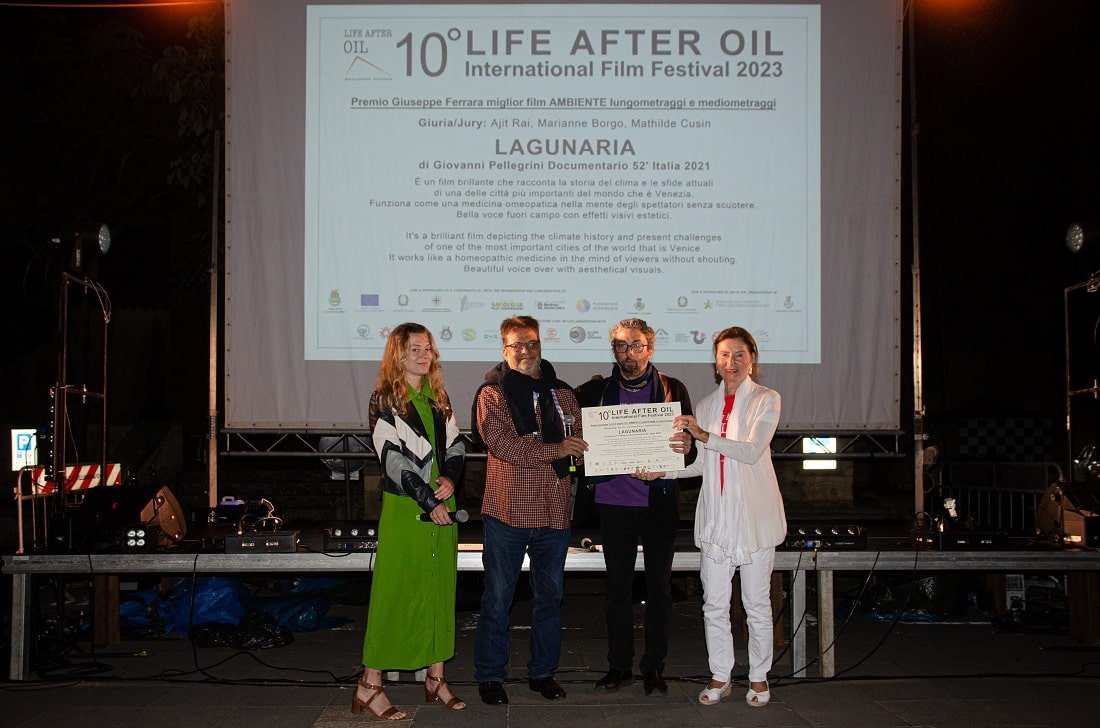
The festival’s award structure included the Giuseppe Ferrara Award for feature films, the Environmental Short Film Award, the Valentina Pedicini Award for human-rights short films, the Best Animation Award and the World Panorama Award.
The festival also maintained its educational dimension through school courses and workshops. Its wider programme has historically included music, entertainment, literature and sports-related side events in addition to cinema.
The organisation’s long-term history also shows a changing Sardinian location network, with previous editions taking place in Villanovaforru, Ottana, Santa Teresa Gallura, Martis, Stintino and Cagliari.
Official tickets & accreditation
Public admission: Recent official festival material lists admission as free, so the standard public ticket price is $0.
2027 ticket information: No separate 2027 paid ticket structure has been announced. Visitors should check the official programme for any registration requirements attached to individual screenings, workshops or special activities.
Professional access: Filmmakers, journalists, cultural professionals and other industry participants should consult the official festival organisation for the 2027 accreditation procedure.
Festival contact: info@lifeafteroil.org
Festival organisation: LIFE AFTER OIL Associazione Culturale, Via Pettenadu 21, 07100 Sassari, Sardinia, Italy. The organisation’s official tax identification number is CF 92134980900.
Video
Location
FAQ
What is the primary theme of the festival?
The festival focuses entirely on independent cinema exploring environmental issues, human rights, and the crucial transition away from fossil fuels. It brings international attention to ecological justice through powerful documentaries, fiction, and animated shorts.
Where do the evening film screenings take place?
Screenings are hosted across historic public squares, open-air arenas, and cultural spaces located throughout the city of Sassari. This unique setup allows audiences to enjoy films under the summer night sky in a relaxed communal environment.
How can independent directors submit their films?
Filmmakers can submit their completed short or feature-length projects online through official festival submission partners like FilmFreeway and Festhome. Submissions must adhere to the published category guidelines and seasonal deadlines.
Are international films shown with English subtitles?
All non-English language films selected for competition or panorama screenings are presented with English subtitles to ensure global accessibility. Panel discussions and industry masterclasses also feature bilingual support or English translation.
Can local school groups participate in the festival events?
Special educational screenings, youth workshops, and media literacy programs are organized specifically to engage students and academic institutions. These sessions are designed to foster environmental awareness and cinematic appreciation among younger generations.

Leave a Reply