
Overview
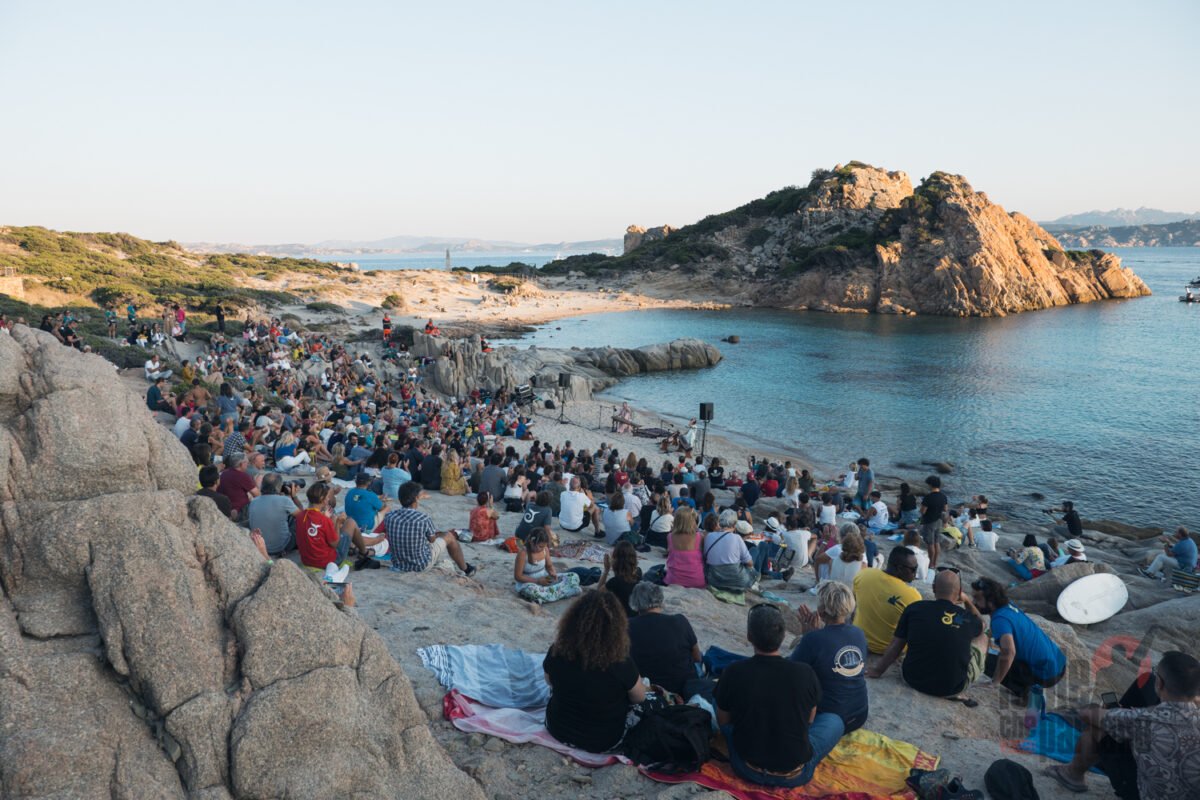
Isole che Parlano, translated as Islands That Speak or Talking Islands, is an international multidisciplinary cultural festival held in Palau and across the Gallura region of northern Sardinia. Founded by brothers Paolo and Nanni Angeli, the festival has grown over three decades into one of the most respected avant-garde and traditional culture events in the Mediterranean, celebrated for its ability to weave together past and present, landscape and culture, tradition and innovation.
The festival is not confined to a single venue. It unfolds between coast and hinterland, between countryside and urban center, connecting the different souls of neighboring communities and territories. Main locations include Palau, La Maddalena, Arzachena, and Luogosanto, with events taking place in open-air archaeological sites, beaches, historic centers, museums, libraries, and rural landscapes. This itinerant nature allows visitors to explore the unique cultural heritage of Gallura while experiencing world-class artistic programming.
Structured around four core sections, the festival offers a holistic cultural experience. Isole che Parlano di Musica presents contemporary avant-garde movements alongside traditional Sardinian music, Isole che Parlano di Fotografia showcases international photojournalism and social documentary, Isole che Parlano ai Bambini offers creative workshops for children and families, and Isole che Parlano di Sapori celebrates local food and wine traditions through tastings and culinary encounters. Together, these sections create a continuous dialogue between islands, communities, and artistic languages.
Enjoy Your Event Stress-Free with Italy Travelo
Whether you're traveling for a world-famous festival, live concert, cultural celebration, or business event, Italy Travelo helps simplify every step of your journey. Our team provides personalized travel assistance, allowing you to focus on creating lasting memories.
Cultural Significance & Origins
Origins in Gallura: The festival was created to give voice to islands, not only geographical islands but also cultural islands, isolated communities with distinct languages, music, and traditions. Born in Palau, a town facing the La Maddalena archipelago, the project sought to connect Sardinia with other Mediterranean islands and beyond, fostering cultural exchange rooted in respect for local identity.
Dialogue Between Tradition and Avant-Garde: At its heart, Isole che Parlano explores how ancient traditions can speak to contemporary creation. Traditional Sardinian cantu a tenore, launeddas, and pastoral chants are presented alongside experimental jazz, electronic music, and improvised music from international scenes. This juxtaposition reveals common roots and shared futures, showing that innovation often emerges from deep listening to tradition.
Ecological and Social Awareness: The festival is deeply connected to landscape. Events are held at archaeological sites, granite quarries, cork oak forests, and coastal areas that highlight the environmental richness of Gallura. Programming often addresses themes of sustainability, island ecology, and the relationship between humans and nature, reinforcing the idea that culture is inseparable from territory.
International Recognition: Over the years, the festival has become part of the EFFE network, Europe’s label for remarkable festivals, and has hosted artists from across continents. Its commitment to artistic quality, community engagement, and cultural research has made it a model for how small communities can create internationally relevant cultural projects without losing local authenticity.
Traditions, Rituals & Customs
Sardinian Musical Traditions: Central to the festival’s identity is the presentation of Gallurese and broader Sardinian musical heritage. This includes polyphonic singing, traditional dance music, and instruments crafted by local artisans. Performances often take place in contexts that recall their original social function, such as village squares or rural churches, preserving their ritual meaning.
Community Gathering: In Gallura, festivals have traditionally been moments of communal gathering, sharing food, stories, and music after seasonal work. Isole che Parlano revives this custom by creating informal spaces where audiences, artists, and locals meet, share meals, and participate in collective listening experiences that extend beyond formal concerts.
Storytelling and Oral History: The spoken-word and literature strand continues Sardinia’s strong oral tradition. Meetings with authors, poets, and cultural thinkers are held in small venues, emphasizing listening and dialogue rather than formal lecture, echoing ancient practices of storytelling around the fire.
Ritual of Place: Many events begin with a walk or guided visit to archaeological sites such as the Tomba dei Giganti or nuraghi, integrating the ritual of exploring territory with artistic experience. This practice connects contemporary audiences with ancient inhabitants of the same landscape, reinforcing continuity.
What to Expect at the Festival
Immersive Multidisciplinary Program: Expect a week-long program filled with original events, concerts at sunset on beaches, late-night improvisations in historic centers, photo exhibitions in museums, and intimate performances in courtyards. The schedule balances large-scale open-air concerts with small, participatory workshops.
Photography and Visual Arts: The photography section is a core component, highlighting photojournalism, social documentary, and educational photography projects with international guest photographers. Exhibitions are curated to provoke reflection on social and environmental issues, often displayed in unconventional spaces such as former quarries or waterfront warehouses.
Children and Family Activities: The children’s program invites young participants to explore sound design, sculpture, percussion, and Sardinian archaeology through hands-on workshops. Activities include building simple instruments, exploring granite landscapes, and guided visits to archaeological sites, designed to foster creativity and connection to heritage.
Flavors and Tastings: Throughout the festival, visitors can enjoy tastings of local wines, including Vermentino di Gallura, traditional dishes such as zuppa gallurese, and artisanal products made from myrtle, honey, and local grains. These tastings are often paired with musical performances, creating a multisensory experience of Gallura.
Date & Schedule
Event Dates: September 2027 (Dates TBD)
Schedule Structure: The full program will be announced on the official website. Typically, the festival unfolds over approximately nine days, beginning in Palau and then moving across neighboring towns including La Maddalena, Arzachena, and Luogosanto. Days include morning workshops for children, afternoon photography exhibitions and literature meetings, and evening concerts at sunset in coastal and inland locations. Detailed timings, venues, and artist lineups will be published closer to the event.
Visiting this event? Don’t miss out on these amazing activities and local experiences while you’re here.
Main Events & Programme
Music – Isole che Parlano di Musica: The main musical program presents international avant-garde artists alongside traditional Sardinian musicians. Expect concerts ranging from solo improvisations to large ensembles, with genres spanning contemporary jazz, experimental electronic, world music, and traditional Sardinian vocal and instrumental traditions. Performances are often site-specific, composed for the acoustic properties of churches, beaches, or granite formations.
Photography – Isole che Parlano di Fotografia: Curated exhibitions featuring award-winning photojournalism and documentary projects are displayed throughout Palau and partner towns. Previous editions have included educational photography projects involving local schools, portfolio reviews, and talks with photographers about social engagement through images.
Children – Isole che Parlano ai Bambini: Creative workshops invite children and families to explore sound, sculpture, percussion, and archaeology. Activities include building instruments from natural materials, rhythm workshops, and guided explorations of archaeological sites such as the Li Mizzani necropolis, fostering intergenerational learning.
Literature and Dialogue: Spoken word events include meetings, readings, and discussion panels with authors, poets, and cultural thinkers, often held in libraries and smaller venues to encourage intimate exchange. Topics range from island literatures to environmental writing and oral history.
Traditional Dress, Arts & Crafts
Gallurese Craft Heritage: While not a costume festival, Isole che Parlano incorporates local craftsmanship into its visual identity and workshops. Traditional weaving, basket making using local rush, and cork crafting are demonstrated by artisans from Gallura. Cork oak, abundant in the region, is used to create objects that blend functionality and art.
Granite and Stone Work: The landscape of Gallura is defined by granite, and local stonemasons continue traditions of working this difficult material. Workshops and installations often feature dry stone walling techniques and sculptural work that reflects the geological character of the territory.
Textile Arts: Traditional Sardinian textiles, characterized by geometric patterns and natural dyes, are presented through exhibitions and small markets during the festival. These textiles, once part of dowries and daily life, are now reinterpreted by contemporary designers who collaborate with weavers to keep techniques alive.
Photographic Craft: The photography section emphasizes analogue processes and darkroom techniques alongside digital practices, with workshops on film development and printing that highlight the materiality of image-making as a craft.
Traditional Food & Local Specialties
Gallurese Cuisine: The flavors section celebrates the distinct cuisine of Gallura, which blends pastoral and maritime influences. Signature dishes include zuppa gallurese, a hearty bread and cheese soup baked with broth, and li pulilgioni, sweet and savory ravioli filled with fresh cheese and mint.
Local Products: Tastings feature Vermentino di Gallura DOCG, the only DOCG wine in Sardinia, known for its mineral freshness, as well as Cannonau, honey from strawberry tree and asphodel, myrtle liqueur, and artisanal breads made from ancient grains.
Artisanal Production: Many tastings are hosted by small producers who explain traditional methods of cheese making, honey harvesting, and bread baking. These encounters emphasize slow food principles and the connection between landscape, seasonality, and flavor.
Communal Eating: Food events are designed as communal experiences, with long tables set in squares or countryside settings where visitors, artists, and locals share meals, reinforcing the festival’s ethos of dialogue and hospitality.
Location & Festival Areas
Palau – Main Hub: Palau is a coastal town facing the La Maddalena archipelago, serving as the main base for the festival. Its harbor, beaches, and historic center host concerts, exhibitions, and tastings. The town’s proximity to both sea and interior makes it ideal for exploring diverse festival locations.
La Maddalena Archipelago: Events on the islands of La Maddalena offer stunning coastal settings with crystal-clear waters and granite rocks. Concerts at sunset on beaches and in historic forts provide unforgettable natural stages.
Arzachena and Luogosanto: Inland towns in Gallura host events in archaeological sites, rural churches, and countryside landscapes. Arzachena is known for its nuragic sites and granite formations, while Luogosanto offers spiritual and natural settings connected to hermitage traditions.
Site-Specific Venues: Additional venues include cork oak forests, granite quarries, vineyards, and urban courtyards, each chosen for acoustic and aesthetic qualities that enhance specific performances. The festival map guides visitors between these diverse souls of the territory.
Getting to the Festival
By Air: The nearest airports are Olbia Costa Smeralda, approximately forty minutes from Palau, and Alghero Fertilia. Both airports offer connections to major Italian and European cities, with car rental and bus services to Gallura.
By Sea: Ferries from mainland Italy to Olbia and Golfo Aranci operate regularly, allowing visitors to bring cars. From Olbia port, Palau is easily reachable by car or bus.
By Car: Palau is accessible via the SS125 and SP14 roads from Olbia. Parking is available in designated areas during festival events, though public transport and shared rides are encouraged due to limited space in historic centers.
Local Transport: During the festival, shuttle services connect Palau with La Maddalena, Arzachena, and Luogosanto. Local buses operated by ARST provide regular connections, and many venues are walkable within each town.
Where to Stay Nearby
Palau Hotels and Residences: Palau offers a range of accommodations from seaside hotels to family-run bed and breakfasts and holiday residences. Staying in Palau provides easy access to evening concerts and harbor views.
La Maddalena Accommodations: For those wanting island atmosphere, La Maddalena offers boutique hotels and apartments overlooking the archipelago, ideal for combining festival attendance with beach time.
Agriturismi in Gallura Interior: Inland agriturismi surrounded by cork oak forests and granite landscapes provide tranquil stays with authentic Gallurese hospitality, home-cooked meals, and opportunities to experience rural life.
Arzachena and Costa Smeralda Area: The wider Costa Smeralda area offers luxury resorts and more affordable guesthouses, with good connections to festival venues and additional attractions such as archaeological sites and hiking trails.
What Visitors Can Participate In
Hands-On Music Workshops: Visitors can join rhythm and improvisation workshops led by festival musicians, exploring percussion, voice, and listening practices. These sessions are open to all levels and emphasize collective creation rather than technical mastery.
Photography Walks: Guided photography walks through Palau, coastal trails, and archaeological sites invite participants to document landscape and community, with feedback sessions led by exhibiting photographers.
Children and Family Labs: Families can participate together in creative labs that involve building instruments from natural materials, sculpting with clay, and exploring sound in nature, fostering intergenerational creativity.
Tasting and Cooking Experiences: Food workshops allow visitors to learn traditional recipes such as zuppa gallurese or cheese making, often ending with communal meals that celebrate local flavors and hospitality.
Things to Do Before or After the Festival
Explore La Maddalena National Park: Take boat tours to explore the archipelago’s islands, with opportunities for swimming, snorkeling, and hiking on trails that offer panoramic views of granite islands and turquoise waters.
Archaeological Tours: Visit Gallura’s rich archaeological heritage, including the Li Mizzani Giants Tomb, Li Lolghi, and numerous nuraghi that date back thousands of years, often the setting for festival events.
Hiking in Gallura: Trails through cork oak forests, granite mountains such as Monte Limbara, and coastal paths provide excellent hiking opportunities that connect visitors to the landscape that inspires the festival.
Cultural Visits: Explore nearby towns such as Tempio Pausania with its granite architecture, or visit museums dedicated to Gallurese culture, wine, and cork production to deepen understanding of local traditions.
Local Food & Restaurants
Palau Seafood Restaurants: Harbor restaurants specialize in fresh seafood, including sea urchins, octopus, and fish caught daily by local fishermen. Dishes are often paired with Vermentino di Gallura for a perfect maritime experience.
Agriturismi and Traditional Trattorias: Inland restaurants serve pastoral cuisine featuring lamb, pork, pecorino cheese, and homemade pasta, often produced on-site. These establishments provide authentic farm-to-table dining in rustic settings.
Wine Bars and Enotecas: Enotecas in Palau and Arzachena offer extensive selections of Sardinian wines, including Vermentino, Cannonau, and Carignano, with knowledgeable staff who explain terroir and production methods.
Cafes and Bakeries: Local cafes serve Sardinian sweets such as seadas, papassini, and almond pastries, alongside excellent coffee, ideal for breakfast or afternoon breaks between festival events.
Ticket Information & Access
Free and Ticketed Events: Many events, including photography exhibitions, literature meetings, and some outdoor concerts, are free and open to the public, reflecting the festival’s commitment to accessibility. Larger evening concerts and special tastings may require tickets.
Pricing Based on Previous Editions: Where tickets are required, prices from previous editions have ranged from $12 to $25 for evening concerts, $8 to $15 for workshops and tastings, and $30 to $50 for combined day passes covering multiple events. Children’s workshops are often free or offered at reduced rates around $5.
Registration for Workshops: Participation in hands-on workshops requires advance registration via email or through the festival website, as spaces are limited to ensure quality interaction. Early booking is recommended, especially for popular music and photography labs.
Access and Inclusivity: Venues are selected to be as accessible as possible, with information on accessibility provided for each location. The festival strives to keep costs low to ensure broad community participation.
Official Event Information
Event Name: Isole che Parlano 2027 – Palau, Italy
Official Website: https://www.isolecheparlano.it/
Contact Email: laboratori@isolecheparlano.it for workshops and educational activities
Artistic Direction: Paolo and Nanni Angeli
Locations: Palau, La Maddalena, Arzachena, Luogosanto in Gallura, northern Sardinia
Organizational Support: Supported by local municipalities, Delphina Hotels and Resorts, and cultural partners across Sardinia
Network: Part of EFFE – Europe for Festivals, Festivals for Europe
Video
Location
FAQ
What does Isole che Parlano mean and what is the main idea behind the festival?
Isole che Parlano translates to Islands That Speak, referring to both geographical islands and cultural islands, communities with distinct traditions that have stories to share. The main idea is to create a dialogue between tradition and avant-garde, between local Gallurese culture and international artistic expressions, using music, photography, and food as languages of connection. The festival treats landscape itself as a speaker, hosting events in places where history, nature, and community intersect.
Do I need to be an expert in avant-garde music to enjoy the concerts?
No expertise is required, as the festival is designed to be accessible and immersive for all audiences, with many free outdoor concerts in beautiful natural settings. Programs include explanations, guided listening, and informal encounters with musicians that help newcomers approach experimental sounds. The juxtaposition with traditional Sardinian music provides familiar entry points, making avant-garde expressions more approachable through contrast and dialogue.
Can children participate and are there activities suitable for families?
Children are central to the festival through the dedicated section Isole che Parlano ai Bambini, which offers creative workshops in sound, sculpture, percussion, and archaeology. Activities are designed for families to participate together, including guided visits to archaeological sites and hands-on labs that encourage exploration and creativity. Many events are free and scheduled during daytime hours to accommodate family rhythms.
How can I move between different festival locations such as Palau and La Maddalena?
The festival provides shuttle services connecting main towns, and local public transport operated by ARST connects Palau with surrounding areas. Ferries run frequently between Palau and La Maddalena, offering scenic crossings that are part of the experience. Many venues within each town are walkable, and the festival program includes detailed maps and transport information to help visitors plan their itineraries.
What kind of food experiences are included and are they suitable for vegetarians?
Food experiences focus on Gallurese and Sardinian traditions, including tastings of Vermentino wine, pecorino cheese, honey, and dishes such as zuppa gallurese and handmade pasta. Many offerings are naturally vegetarian, featuring vegetables, cheeses, breads, and sweets, with options clearly indicated during tastings. The communal meal format allows visitors to discuss ingredients and production methods directly with local producers, enhancing appreciation for local food culture.

Leave a Reply