



Festival Heritage and Urban Rebirth
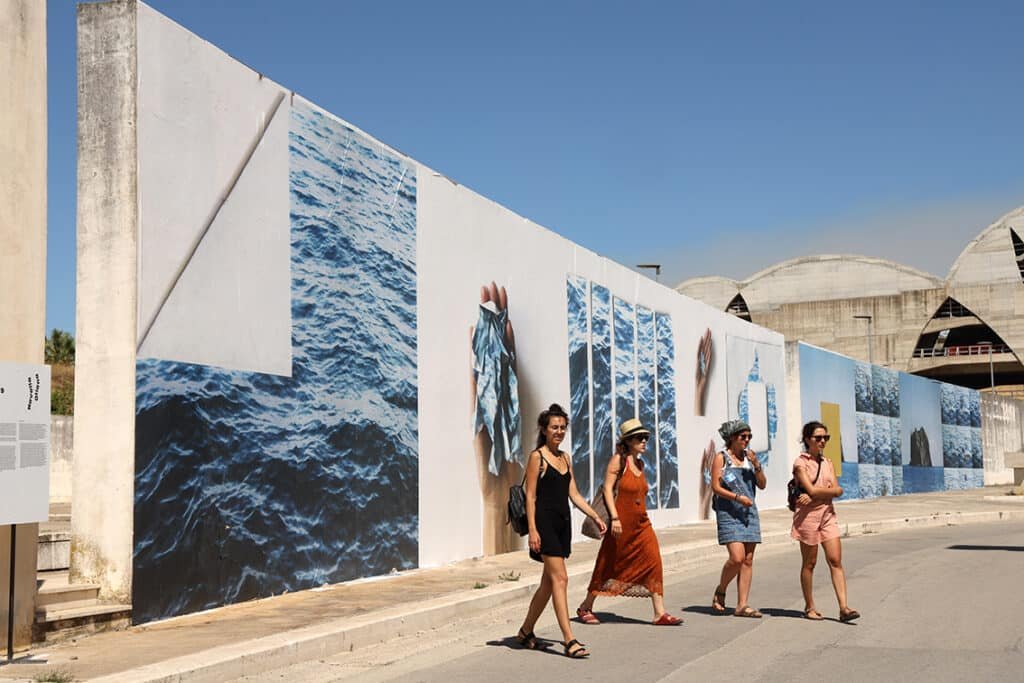
The Gibellina PhotoRoad Festival stands as an extraordinary milestone in contemporary visual culture, proudly holding the title of Italy’s first and only open-air and site-specific international photography festival. Born out of the catastrophic Belice earthquake that completely reshaped the region, the event unfolds across the avant-garde urban landscape of Gibellina Nuova—a town reborn through the visionary patronage of visionary artists and architects. By turning an entire city into a massive open-air museum, the festival merges photographic storytelling with a profound narrative of social, architectural, and cultural rebirth.
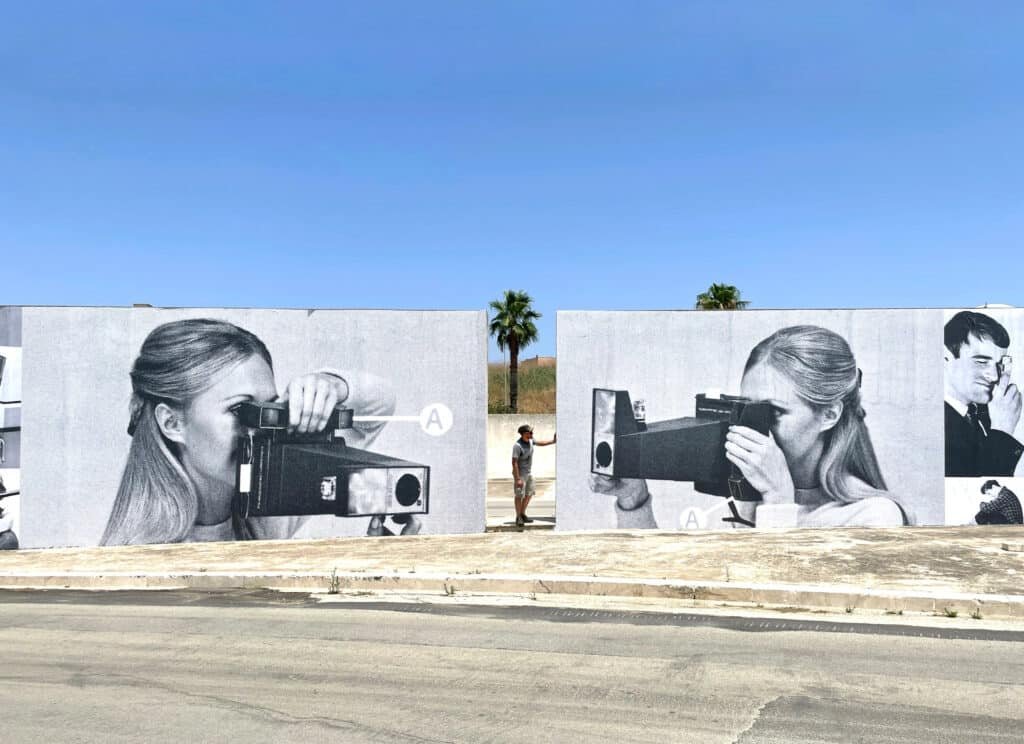
The fundamental philosophy of the festival revolves around breaking down the traditional white-cube museum barrier, placing powerful imagery directly onto building facades, public squares, and monumental ruins. This unconventional approach invites residents and international travelers alike to experience art as an organic part of daily civic life. Through site-specific installations, photographs are custom-tailored to interact directly with the peculiar geometry, stark concrete structures, and monumental sculptures that define the town’s unique identity.
Furthermore, the festival serves as a vital bridge connecting Sicily to the global artistic community, fostering cross-cultural dialogues and creative experiments. It continually challenges established conventions of how photography is consumed, proving that public spaces can become dynamic incubators for critical thought and emotional resonance. Ultimately, attending the festival offers an unforgettable journey into the heart of modern artistic resilience and visionary urban planning.
Enjoy Your Event Stress-Free with Italy Travelo
Whether you're traveling for a world-famous festival, live concert, cultural celebration, or business event, Italy Travelo helps simplify every step of your journey. Our team provides personalized travel assistance, allowing you to focus on creating lasting memories.
Open-Air and Site-Specific Photography Exhibitions
- Facade Projections: Massive photographic works pasted onto towering residential and civic concrete walls across the urban grid.
- Piazza Installations: Free-standing structural displays erected in open public squares to optimize natural daylight viewing.
- Ruins Interventions: Carefully curated photographic works integrated into historical architectural skeletons and earthquake remnants.
- Urban Courtyard Galleries: Hidden residential courtyards temporarily converted into intimate, sheltered open-air exhibition spaces.
- Alleyway Panorama Series: Narrow pedestrian pathways lined with narrative photo stories flowing organically through the town.
- Scaffolding Exhibition Walls: Custom industrial frameworks supporting large-scale prints along major municipal thoroughfares.
- Park and Garden Displays: Environmental photography installations nestled seamlessly among green civic parks and public flora.
- Nighttime Illuminated Showcases: Backlit frames and strategic lighting arrays transforming daytime art into striking nocturnal spectacles.
- Municipal Building Wraps: Historic civic architecture adorned with monumental banner photographs celebrating global human stories.
- Ephemeral Street Installations: Temporary site-specific experiments designed to dissolve gracefully back into the urban environment.
Large-Format Projections and Architectural Installations
The festival transforms the striking brutalist architecture of Gibellina Nuova into a breathtaking canvas through monumental nighttime projections and structural light art. Towering concrete facades, expansive civic plazas, and iconic public monuments become living screens displaying high-definition photographic series after sunset. These immersive nighttime presentations merge contemporary visual storytelling with architectural grandeur, creating an awe-inspiring atmosphere that captivates evening spectators.
Complementing the digital projections, international installation artists construct site-specific physical structures that interact dynamically with the town’s unique spatial geometry. These installations challenge viewers to reconsider the relationship between space, memory, and visual representation within an open-air environment. Technical production teams work continuously behind the scenes to ensure seamless projection mapping and structural safety across diverse urban locations.
- Digital Mapping Displays: High-powered laser projectors casting complex photographic narratives onto massive curved concrete surfaces.
- Monumental Structural Frames: Custom architectural scaffolding units built to anchor large-format imagery across open plazas.
- Interactive Light Tracers: Sensor-activated illumination systems that respond subtly to pedestrian movement near art installations.
- Ambient Sound Integration: Immersive audio soundscapes synchronized precisely with nighttime visual projection sequences.
- Reflective Water Surface Projections: Water basin installations mirroring projected photographic works across public reflecting pools.
- Colonnade Light Corridors: Historic concrete porticoes illuminated with rhythmic sequences of historical and contemporary portraits.
- Rooftop Sky Beams: Conceptual light art installations projecting luminous vertical pillars into the Sicilian night sky.
- Temporary Pavilion Structures: Specially engineered modular pavilions designed to house complex multi-media projection art.
Event Programme
- Event Date: Summer to Autumn (Dates TBD)
- Event Duration: Several weeks of immersive open-air photography exhibitions, site-specific installations, and cultural symposia
Visiting this event? Don’t miss out on these amazing activities and local experiences while you’re here.
Curatorial Masterclasses, Artist Talks, and Workshops
The festival serves as a premier educational hub, hosting intensive masterclasses and open dialogues led by world-renowned photographers, critics, and curators. These academic sessions provide emerging artists and passionate enthusiasts with deep insights into the evolving nature of visual storytelling, curation ethics, and modern media production. Participants engage directly with industry leaders, examining how independent projects transition from concept to public exhibition.
Alongside structured masterclasses, daily public artist talks offer an intimate look behind the scenes of major international photo series. Creators discuss their fieldwork challenges, ethical responsibilities, and technical methodologies in front of engaged audiences. This vibrant exchange of ideas fosters a supportive community of learning, ensuring that the festival actively nurtures the next generation of global visual storytellers.
Official Juries and Photography Awards
- The Grand Festival Jury: A distinguished panel of international curators, museum directors, and master photographers evaluating official entries.
- Excellence in Site-Specific Art: Prestigious awards recognizing projects that achieve the most harmonious dialogue with local urban architecture.
- Best Documentary Series Honor: Specialized accolades celebrating profound journalistic depth, ethical rigor, and human storytelling.
- The Emerging Voice Prize: Career-accelerating recognitions granted to exceptional young artists demonstrating bold visual innovation.
- Critical Acclaim Plaques: Honorary distinctions awarded by visiting international press syndicates covering the festival.
- Public Choice Accolades: Popular voting honors reflecting the favorite physical installations chosen by festival attendees.
- Lifetime Achievement Honors: Special tributes dedicated to legendary masters who have profoundly shaped global photographic history.
- Innovation in Media Awards: Prizes celebrating experimental techniques combining photography with digital or sculptural elements.
- Curatorial Excellence Recognition: Commendations given to exceptional collaborative exhibition design and thematic coherence.
- Local Heritage Tribute Prizes: Special awards honoring visual works that capture the poignant memory and spirit of Sicily.
Entry & Tickets
- How Tickets Are Sold: General access passes and guided tour bookings are managed online via the official festival platform and at onsite information kiosks located throughout the town.
- Admission Type: Free Admission for all outdoor public squares, architectural installations, open-air street exhibitions, and general urban spaces.
- Ticket Pricing: Ticket pricing ranges from a minimum of Free Admission for general outdoor exhibitions up to a maximum of $32.70 for exclusive curatorial masterclasses and portfolio review sessions.
- Special Seating Options: Open-air public seating benches are positioned across the exhibition squares on a first-come, first-served basis, alongside designated accessible viewing areas for visitors with mobility impairments.
- VIP Options: VIP cultural accreditations feature front-row reserved access at artist talks, private curator-led exhibition walkthroughs, and invitations to exclusive opening night gatherings.
Contemporary Art Museum and Cultural Venues
- MAC Museo d’Arte Contemporanea: The prestigious local modern art museum hosting major indoor retrospective photography exhibitions.
- Fondazione Orestiadi Spaces: Historic institutional galleries within the Baglio di Stefano showcasing archival collections and avant-garde art.
- Civic Auditorium Stages: Multipurpose indoor halls equipped for formal symposia, keynote lectures, and film screenings.
- Open-Air Amphitheater Venues: Concrete performance spaces hosting large-scale evening gatherings, award ceremonies, and live music.
- Historic Town Hall Galleries: Municipal exhibition rooms displaying civic photography archives and municipal planning blueprints.
- Library Media Hubs: Quiet research spaces offering comprehensive art catalogs, photography monographs, and digital archives.
- Artist Studio Residencies: Dedicated workspaces provided for visiting international creators developing site-specific projects.
- Pop-Up Media Centers: Fully equipped press rooms supporting visiting journalists, bloggers, and international media crews.
- Experimental Project Spaces: Alternative indoor rooms dedicated to fringe video art and conceptual multimedia installations.
- Permanent Sculpture Gardens: Landscaped outdoor museum grounds featuring monumental permanent art pieces by global masters.
- Educational Workshop Studios: Specialized indoor classrooms designed for hands-on youth photography and printing labs.
- Architectural Archive Rooms: Secure storage facilities housing historical documentation related to the post-earthquake reconstruction.
Youth Programs and Educational Photography Labs
The festival maintains a strong commitment to community education by offering specialized photography labs and creative workshops tailored specifically for children and teenagers. Led by professional educators and resident artists, these programs introduce young participants to the fundamentals of visual composition, storytelling, and digital capture. By engaging directly with art in their hometown, local youth develop a profound sense of civic pride and cultural ownership.
Complementing the youth labs, collaborative school projects integrate photography into regional curricula, encouraging students to document their own neighborhoods and daily lives. Final student works are often exhibited in dedicated public spaces alongside professional international artists, validating their creative voices. This forward-looking educational focus ensures that the festival leaves a lasting, positive cultural footprint on the community.
Getting to the Event
- City and Country: Gibellina, Italy
- Venue Name: Historic Streets and Open-Air Spaces of Gibellina Nuova
- Google Maps Address: Piazza XV Gennaio 1968, 91024 Gibellina TP, Italy
International Photography Competitions and Open Calls
- Global Talent Open Call: A prestigious international submission window welcoming conceptual, documentary, and artistic photography projects worldwide.
- Site-Specific Project Grants: Specialized funding awards dedicated to artists proposing unique works tailored exclusively for Gibellina’s architecture.
- Emerging Photographer Showcases: Competitive categories designed to launch and promote the careers of promising under-35 visual artists.
- Digital Portfolio Submissions: Streamlined online entry portals handling thousands of global entries evaluated through blind judging rounds.
- Thematic Curated Sprints: Rapid-fire photography challenges focusing on pressing contemporary social and environmental issues.
- Finalist Exhibition Berths: Guaranteed physical display spaces awarded to top competition finalists within the official festival circuit.
- Publication Prize Packages: Comprehensive book-publishing contracts awarded to category-winning conceptual photography projects.
- Residency Invitation Awards: Fully funded local stay packages allowing winners to produce new work directly inside the Belice valley.
- Public Choice Voting Portals: Digital voting systems enabling global audiences to select their favorite submitted online photo series.
Belice Valley Landscapes and Urban Spaces
The geographic setting of the festival places participants within the evocative and historically layered landscape of the Belice Valley in western Sicily. Rolling agricultural hills, ancient olive groves, and striking modern architecture create a powerful visual contrast that deeply influences the festival’s aesthetic character. This unique rural-urban matrix provides a profound context for exploring themes of displacement, memory, and reconstruction.
Radiating outward from Gibellina Nuova, surrounding historic zones and abandoned seismic ruins offer hauntingly beautiful exploration routes for adventurous travelers. These landscapes carry the scars of the 1968 earthquake, standing alongside monumental works of modern land art like Alberto Burri’s legendary Cretto. Urban planners and festival organizers coordinate closely to preserve these sensitive historical sites while welcoming respectful streams of cultural tourism.
Furthermore, the proximity of rural agricultural estates and local artisan communities allows festival-goers to experience authentic Sicilian traditions during breaks in the art schedule. Clear directional signage and mapped walking trails guide visitors safely through the sprawling valley terrain. This harmonious blend of dramatic landscape preservation and avant-garde culture defines the unique geographical soul of the event.
Artist Guided Tours and Portfolio Reviews
- Curator-Led Walking Tours: Expert-guided daily excursions exploring the hidden meanings and technical backstories of major open-air installations.
- One-on-One Portfolio Reviews: Intimate professional sessions where emerging photographers receive direct career feedback from international experts.
- Artist-Led Master Walks: Exclusive tours where creators walk attendees through their own site-specific installations in the town.
- Behind-the-Scenes Access Passes: Specialized tours granting entry into production zones, artist studios, and archival exhibition rooms.
- Night Projection Walks: Guided evening excursions highlighting large-format architectural projections across the dark city grid.
- Tactile Accessibility Tours: Specialized sensory tours designed to make open-air photography accessible to visually impaired visitors.
- Multilingual Translation Guides: Professional translation services accompanying international visitor groups along major exhibition trails.
- Student Group Mentorships: Structured educational walk-throughs tailored specifically for visiting university fine art classes.
Guide
- Email: info@gibellinaphotoroadfestival.com
- Phone Number: +39 0924 67844
- Website: https://gibellinaphotoroadfestival.com/
International Partnerships and Cultural Residencies
The Gibellina PhotoRoad Festival thrives on a vast network of international institutional partnerships, collaborating closely with foreign cultural institutes, embassies, and global art foundations. These strategic alliances facilitate the cross-border exchange of artists, curators, and ideas, ensuring the festival maintains a truly world-class artistic standard. Through joint programming and shared resources, the event amplifies its global reach and cultural impact year after year.
At the heart of this international network lies the festival’s prestigious artist residency program, which invites international photographers to live and work within Gibellina for extended periods. During their stay, resident artists immerse themselves in the local community, absorbing the unique cultural fabric of the Belice Valley to produce original, site-specific works. These newly commissioned projects debut at subsequent festival editions, enriching the town’s permanent contemporary art collection.
Furthermore, these partnerships extend into global touring exhibitions, allowing works commissioned in Gibellina to travel to partner museums and festivals across Europe and beyond. This ongoing circulation of art extends the lifespan of festival productions and solidifies Gibellina’s reputation as a vital global epicenter for contemporary photography. By fostering enduring international cooperation, the festival builds lasting bridges across cultures through the universal language of the lens.
Public Debates and Visual Arts Symposia
- Keynote Panel Discussions: Intellectual forums exploring the intersection of public space, photography, and modern socio-political landscapes.
- Ethics in Journalism Debates: Critical roundtables addressing truth, digital manipulation, and responsibility in contemporary photojournalism.
- Urban Regeneration Forums: Academic presentations analyzing how art and architecture successfully revitalize post-disaster communities.
- Curatorial Practice Symposia: Industry discussions focusing on the future of open-air exhibitions versus traditional museum models.
- Open Audience Q and A Sessions: Interactive community dialogues allowing everyday citizens to question visiting artists and cultural leaders.
- Book Launch Panels: Presentations celebrating new photographic monographs published by prominent international authors and artists.
Video
Location
FAQ
What is the primary concept behind the Gibellina PhotoRoad Festival?
The festival is Italy's first open-air and site-specific photography event, turning the reconstructed town of Gibellina into a massive outdoor museum. It merges contemporary visual art with avant-garde urban architecture and monumental ruins to tell powerful human stories. The event redefines traditional exhibition spaces by placing large-format photography directly onto public buildings and streetscapes.
Where are the primary exhibitions, installations, and events hosted?
Most major activities take place across the public squares, streets, and historic contemporary art venues of Gibellina Nuova in Sicily, Italy. Key locations include the MAC Museo d'Arte Contemporanea, outdoor architectural facades, and the Fondazione Orestiadi cultural spaces. Visitors can easily navigate between all open-air and indoor exhibition zones entirely on foot.
How can visitors participate in the masterclasses and guided tours?
Attendees can secure spots for specialized curatorial masterclasses, portfolio reviews, and expert-led guided tours online via the official festival web platform. Certain professional sessions require advance booking due to limited participant capacities and high global demand. Detailed schedules and registration links are published weeks prior to the opening date.
Are there family-friendly activities available for children and parents?
The festival offers a wide variety of engaging educational programs designed for families, including interactive youth photography labs and creative workshops. Younger visitors especially enjoy exploring the large-scale outdoor installations, open-air projections, and student art exhibitions. These inclusive events ensure an entertaining and educational experience for all age groups visiting the town.
How can travelers reach the town of Gibellina for the festival?
Travelers can arrive via regional transport connections, including flights into Palermo airport followed by rental car or bus transit along the A29 motorway. Dedicated parking areas and local transit options are established on the outskirts of Gibellina Nuova to accommodate arriving motorists. Clear directional signage guides all incoming visitors toward the main pedestrian exhibition zones and information hubs.

Leave a Reply