

-
April 14, 2027
Event date:
-
April 17, 2027
Event end:
What to expect
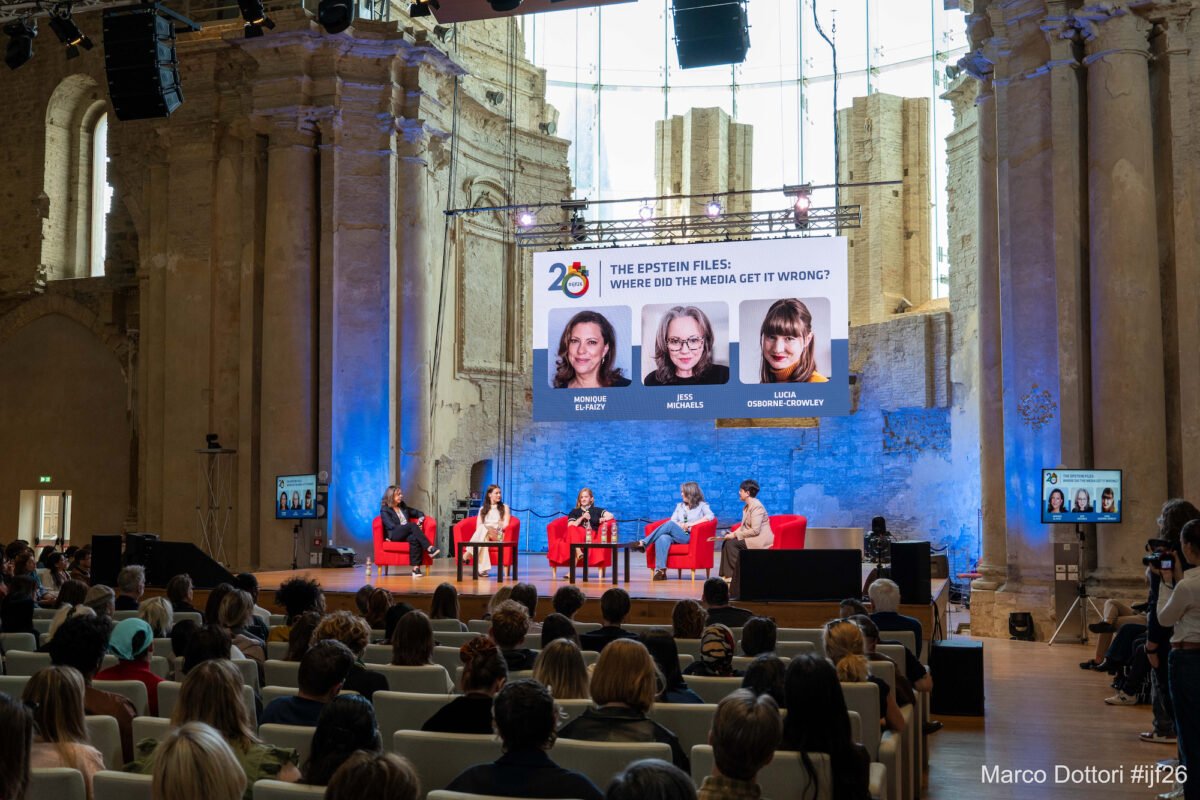
Festival Internazionale del Giornalismo 2027 – Perugia, Italy, known internationally as the International Journalism Festival, is the biggest annual media event in Europe and one of the most influential journalism gatherings in the world. Held every year in the stunning historic center of Perugia, a hilltop city in central Italy about one hundred miles north of Rome, the festival is an open invitation to interact with the best of world journalism. It is entirely free and open to the public, without tickets and without registration, offering an informal, accessible and highly participatory environment that has been described as the Edinburgh Fringe for journalists.
Visitors can expect five chock-a-block days of media practitioners, NGOs, scholars, students and innovators gathering for more than two hundred fifty to three hundred panels, workshops, interviews, documentary screenings and social events. The program fills Perugia’s theaters, frescoed medieval guildhalls, elegant hotels, noble palazzi and thirteenth-century churches with leading figures from news agencies such as The Washington Post, The Guardian, Google, CNN, BBC, New York Times, Reuters and many more. Every event is free, offers English and Italian translations, and is live-streamed on the festival homepage and available on demand, extending access to a global audience.
The festival elevates new voices and demands diversity on all panels. It is known for its independence from media organizations, maintained by founders and directors Arianna Ciccone and Christopher Potter since its foundation, and for its ability to address the most urgent issues shaping the industry, including AI in journalism, investigative reporting, press freedom, climate science on social media, data journalism and the ongoing metamorphosis of journalism. For journalism students, freelancers, editors and media leaders alike, it is the go-to media event worldwide for learning, innovation and networking.
Enjoy Your Event Stress-Free with Italy Travelo
Whether you're traveling for a world-famous festival, live concert, cultural celebration, or business event, Italy Travelo helps simplify every step of your journey. Our team provides personalized travel assistance, allowing you to focus on creating lasting memories.
Festival dates
Official Dates: April 14–17, 2027
Schedule Framework: The festival traditionally takes place over four to five full days, from Wednesday through Sunday, with events running continuously from morning until evening across the historic center. The English-language part of the program is typically concentrated on Thursday, Friday and Saturday. All sessions are free entry without registration, simply arrive at venues and attend sessions of choice. Live-streaming and on-demand viewing are available on the official website https://www.festivaldelgiornalismo.com/ and on the festival YouTube channel. Airport transfers by bus from Rome Fiumicino airport and Perugia International Airport to Perugia town center are traditionally available for festival attendees. Final detailed schedule will be published on the official website.
Visiting this event? Don’t miss out on these amazing activities and local experiences while you’re here.
Venues & festival locations
City-Wide Campus: All venues are situated in the stunning setting of the historic town center of Perugia, within walking distance of each other. The festival transforms the city into a large open newsroom.
Sala dei Notari: Located in Palazzo dei Priori, this is the most beautiful and largest hall, with frescoed medieval guildhall atmosphere, hosting keynote sessions and major panels. It is considered the preferred location among festival venues.
Morlacchi Theatre: The Teatro Morlacchi hosts main stage interviews, documentary screenings and high-profile conversations.
Palazzo Murena: Located in Piazza dell’Università, this historic palace hosts panels and workshops.
Sala del Dottorato and Centro Servizi G. Alessi: Located in Via Mazzini area, these venues host panels on future of news, data journalism and academic sessions.
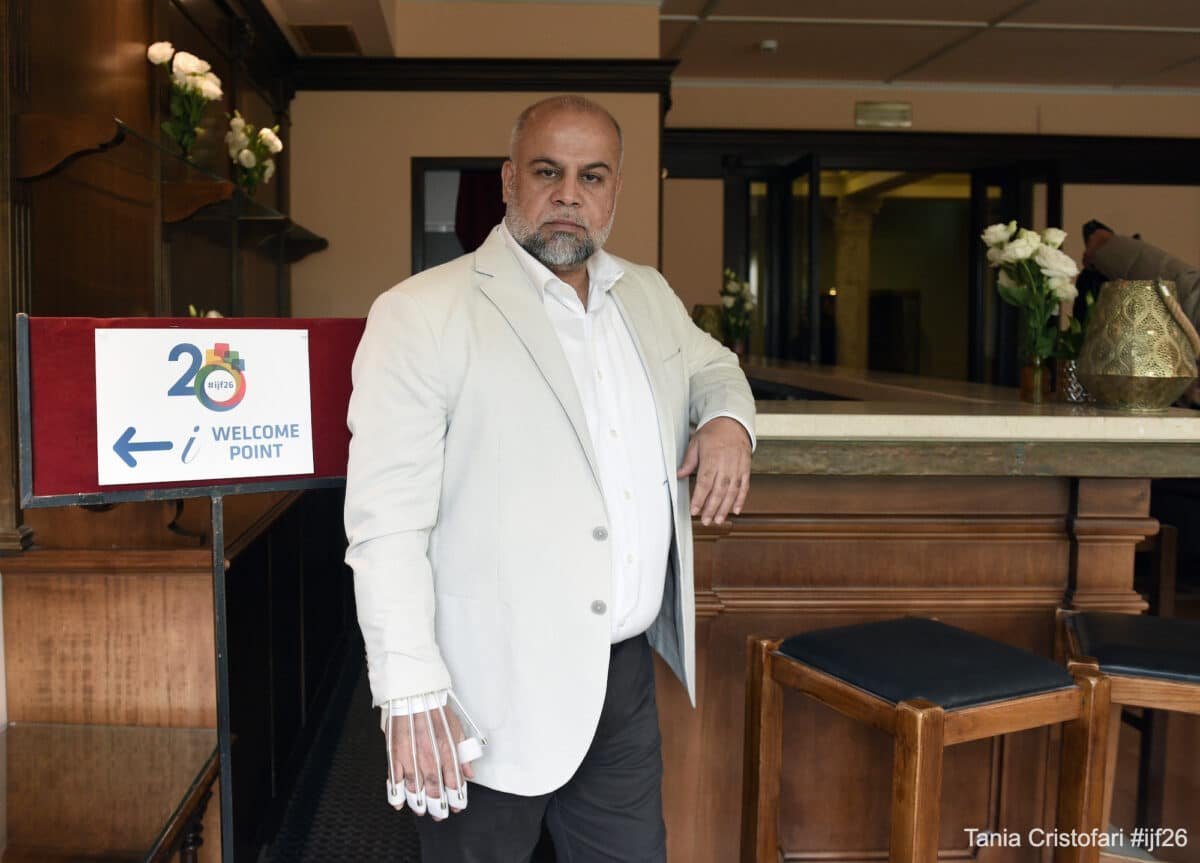
Brufani Palace Hotel – IJF Central: Central Perugia’s finest hotel serves as IJF Central, hosting networking events, meetings and informal gatherings. The hotel lobby and terraces become a hub for editors and innovators.
Other Palazzi: Additional venues include Sala dei Notari, Church of San Francesco, Hotel Sina Brufani, Palazzo dei Priori and other gothic public palaces and thirteenth-century churches, each contributing to the unique atmosphere.
Full programme
Scale and Scope: The full programme includes over two hundred to three hundred sessions with five hundred to six hundred speakers from around the world. The program includes panel discussions, workshops, interviews, documentary screenings, book presentations and networking events.
Daily Structure: Events run Wednesday through Sunday, from early morning to late evening. Mornings feature workshops and training sessions. Midday offers panel discussions and interviews. Afternoons include documentary screenings and data journalism labs. Evenings host social events and informal meetups.
Language: All events offer English and Italian translations, with interpretation provided as necessary. Meetings are held in English or Italian and live-streamed.
School of Data Journalism: Since 2012, Open Knowledge and European Journalism Centre have run the School of Data Journalism track, introducing data journalism to beginners through panels and workshops.
Live and On-Demand: All events are broadcast live on the festival homepage and available on demand, allowing remote participation for those unable to travel to Perugia.
Featured films & premieres
Documentary Focus: The festival regularly features documentary screenings and premieres that explore journalism, press freedom, investigative reporting and media in society.
Investigative Documentaries: Premieres include films on climate science communication, impact editing, social media influence and the state of free press, often followed by Q&A with directors and journalists.
Impact Editor Screenings: The festival explores new roles such as impact editor and why newsrooms need them, with screenings illustrating best practices.
Student and Independent Films: Emerging journalists and students present short documentaries and investigative pieces, providing a platform for new voices.
Awards and Recognition: Since foundation, several prizes including A Story Still to Tell Award and Paola Biocca International Reportage Award have been awarded by journalism students and media professionals, often linked to screenings.
Directors, actors & guests
Founder Directors: The festival was established by founders Arianna Ciccone and Christopher Potter, who continue to serve as festival directors, overseeing all aspects without an advisory board, maintaining independence from media companies.
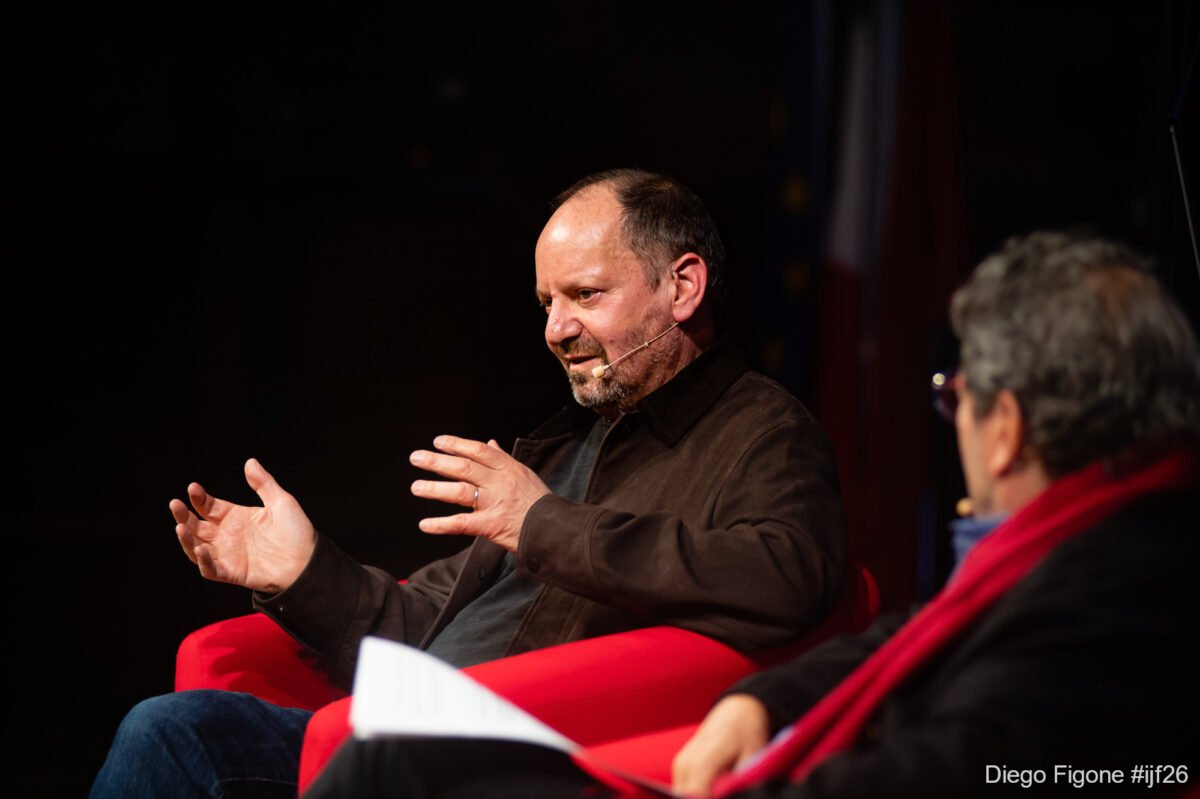
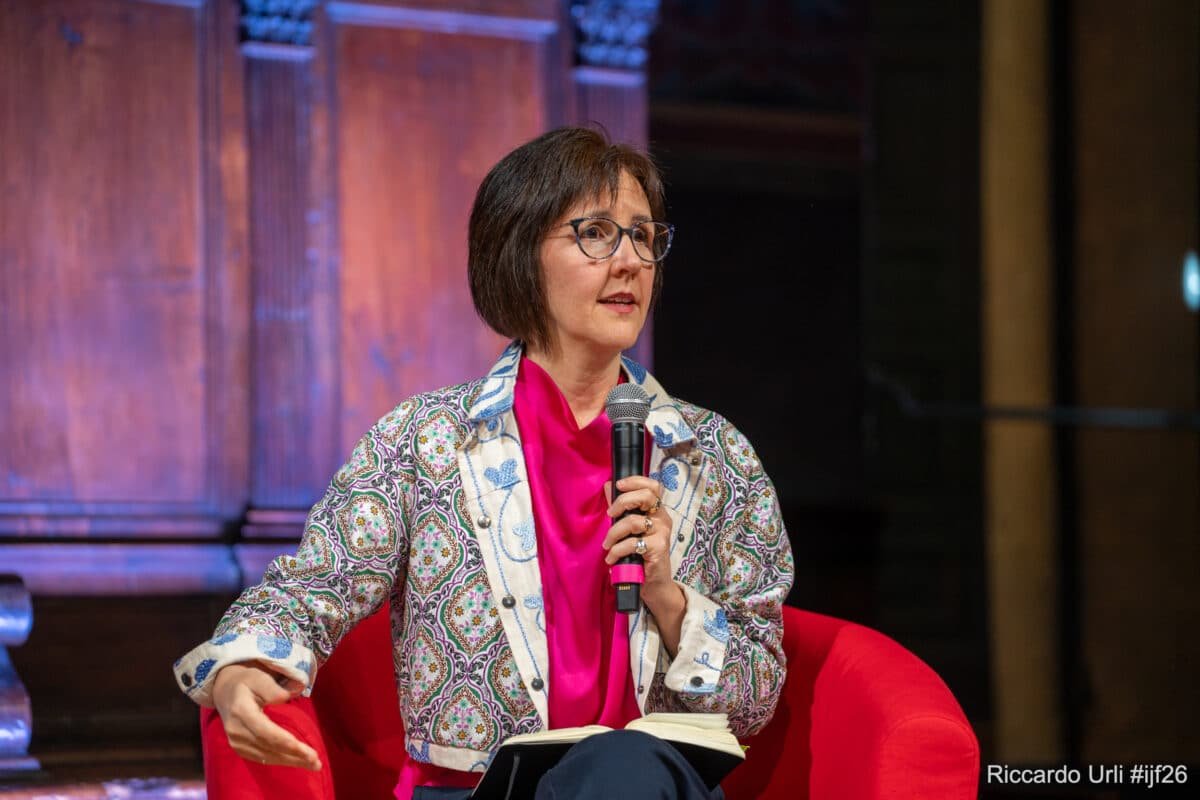
Journalism Leaders: Guests include leading figures from global news organizations, editors, investigative journalists, media innovators, photographers, professors and intellectuals. Previous editions have hosted Nobel laureate Maria Ressa, journalists from Washington Post, Guardian, CNN, and representatives from Google, Amazon and other technology platforms.
Diversity and New Voices: The festival has a policy of demanding diversity on all panels and elevating new voices, ensuring representation from different regions, genders and backgrounds. More than one hundred volunteers, students and aspiring journalists from nineteen countries participate in over three hundred events.
Cross-Sector Guests: Beyond journalists, guests include NGO leaders, scholars, data scientists, climate scientists and media agencies, fostering interdisciplinary dialogue.
Screening schedule
Integration: Screenings are integrated into the daily program alongside panels and workshops, typically scheduled in Morlacchi Theatre and other palazzi.
Timing: Documentary screenings are usually scheduled in late morning and afternoon slots, with evening slots reserved for premiere screenings followed by discussions.
Access: All screenings are free entry, no registration required, simply arrive at venue. Due to popularity, early arrival is recommended.
Live Streaming: Screenings and related discussions are live-streamed on the festival website and YouTube channel, with on-demand access after the festival.
Ticket types & accreditation
Free Entry Policy: The festival is completely free of charge for any journalist who wants to attend. No registration or tickets required. All sessions are free entry for all attendees, without any need for registration.
No Ticket Model: Unlike traditional festivals, there are no day tickets, subscriptions or passes. The open accessibility is a distinctive feature that ensures equal access for students, freelancers and senior editors.
Supporter Funding: The festival is funded through corporate sponsors, philanthropic supporters such as Craig Newmark Philanthropies, Google, Amazon, UniCredit and others, and through crowdfunding when needed, rather than ticket revenue. Previous revenue models included sponsorships of approximately USD 430,000.
Optional Services: While entry is free, optional paid services include airport transfer buses from Rome Fiumicino and Perugia International airports to town center and back, previously priced at approximately USD 32 one way per person for festival attendees.
Industry & professional access
Open Professional Access: The festival is an open invitation for journalists at all stages, from students to senior editors, providing free access to keynotes, workshops, panels and discussions on media in society.
Networking Hub: IJF Central at Brufani Palace Hotel and other venues serve as informal networking hubs where media practitioners gather for five chock-a-block days.
Professional Development: The School of Data Journalism, investigative journalism workshops, and sessions on AI in journalism provide professional training.
Media and NGO Participation: Media agencies, NGOs and technology companies participate as speakers and partners, not as gatekeepers, preserving editorial independence.
Volunteer Program: Each year more than one hundred volunteers, students and aspiring journalists support the organization, gaining direct access to industry leaders.
Red carpet & special events
No Traditional Red Carpet: The festival does not have a traditional film festival red carpet, but its special events create a similar celebratory atmosphere in historic venues.
Opening and Social Events: Special events include opening ceremonies in historic halls, evening social gatherings at Brufani Palace, and informal meetups at Sandri’s pastry shop on Perugia’s main street, a favorite meeting point.
Award Ceremonies: Presentation of journalism awards such as A Story Still to Tell Award and Paola Biocca International Reportage Award during special ceremonies.
Live Broadcast Events: Special live-streamed keynotes featuring high-profile guests that attract global online audiences.
Community Dinners: Informal dinners and gatherings where journalists from around the world exchange experiences in the relaxed Umbrian setting.
Festival rules
Free and Open Rule: The core rule is that all events are free entry without registration. Simply arrive and attend.
First Come First Served: Seating is on a first come first served basis due to limited capacity in historic halls. Early arrival is strongly recommended for popular sessions.
Respect for Venues: Many venues are thirteenth-century churches and frescoed medieval guildhalls. Visitors are asked to respect historic interiors, avoid food and drink in halls and follow staff instructions.
No Recording Restrictions for Official Stream: Official live-streaming is provided by organizers. Personal recording may be restricted in some sessions at speaker request.
Language Respect: Attendees are asked to use provided translation headsets respectfully and return them after sessions.
Code of Conduct: The festival demands diversity, respect and inclusive behavior on all panels and in all venues, maintaining a safe space for open dialogue.
How to get there
Location: Perugia is located in central Italy, about one hundred miles north of Rome, in the Umbria region, built on a hilltop with panoramic views.
By Air: Nearest major airport is Rome Fiumicino. Festival traditionally provides bus service from Rome Fiumicino airport and Perugia International Airport to Perugia town center and back. Perugia San Francesco d’Assisi – Umbria International Airport is closer but with fewer flights.
By Train: Perugia is connected by train to Rome, Florence and other major cities. From Perugia main station, take the Minimetrò people mover to the historic center.
By Car: Driving to Perugia is possible via A1 motorway, but parking in historic center is limited and restricted. Use parking outside center and continue by Minimetrò or bus.
On Foot: Once in historic center, all venues are walkable within five to fifteen minutes. The city is best explored on foot, with cobblestone streets and medieval architecture.
Public transport & parking
Minimetrò: The automated Minimetrò connects Pian di Massiano parking area and main station to the historic center in a few minutes, ideal for reaching festival venues.
Buses: Local buses operated by Umbria Mobilità serve the city and connect to surrounding areas. Bus service for airport transfers during festival period is available for attendees.
Parking: Recommended parking areas include Pian di Massiano, Piazza Partigiani and other lots outside historic center. Historic center is largely limited traffic zone. Festival attendees are encouraged to use Minimetrò and walk.
Accessibility Transport: Public transport is accessible, but historic center streets are steep and cobblestoned. Assistance is available at main parking and Minimetrò stations.
Accommodation areas
Historic Center – Around Corso Vannucci: Staying near Corso Vannucci, Piazza IV Novembre and Brufani area puts you within walking distance of all venues. Boutique hotels, historic palazzi and B&Bs in this area have previously ranged from USD 120 to USD 300 per night during festival period. Ideal for networking as many journalists stay centrally.
University Area – Around Piazza dell’Università: Area near Palazzo Murena and university offers affordable guesthouses and student housing, with prices previously from USD 70 to USD 150 per night.
Station Area – Fontivegge: Area near main station offers modern hotels and business hotels with good transport links via Minimetrò, prices previously from USD 80 to USD 180 per night.
Budget Options: Hostels and budget B&Bs are available outside historic center, with dorm beds previously from USD 30 to USD 60 per night. Early booking is essential as city fills during festival with almost fifty thousand attendees in peak years.
Alternative Stays: Many attendees stay in agriturismos in Umbrian countryside surrounding Perugia and commute by bus or car to parking areas.
Food & dining
Umbrian Cuisine: Perugia offers rich Umbrian cuisine, including truffles, handmade pasta such as umbricelli, porchetta and lentils from nearby Castelluccio.
Historic Cafes and Pastry Shops: Sandri’s pastry shop on Corso Vannucci is a legendary meeting point for festival attendees, serving coffee, pastries and chocolate. Historic cafes around Piazza IV Novembre offer aperitivo and light meals.
Trattorias and Restaurants: Family-run trattorias serve local specialties with prices previously ranging from USD 18 to USD 40 per person for a full meal. Many restaurants offer English menus during festival period.
Street Food and Quick Bites: Street food vendors and cafes offer panini, pizza slices and focaccia for quick lunches between sessions, with prices previously from USD 4 to USD 9.
Networking Dinners: Many informal networking dinners are organized by attendees in restaurants around historic center, creating opportunities to continue discussions beyond panels.
Accessibility
Venue Accessibility: Main venues such as Morlacchi Theatre, Sala dei Notari and Brufani Palace are accessible, although some medieval buildings have steps and limited elevator access due to historic architecture. Staff provide assistance.
Translation Accessibility: All sessions offer English and Italian translations with headsets, ensuring access for international attendees.
Free Access: The free entry policy ensures economic accessibility for all journalists regardless of budget, removing financial barriers that often limit access to professional conferences.
Online Accessibility: Live-streaming and on-demand availability on festival website and YouTube channel ensure access for those unable to travel, with thousands of remote participants.
Support: For specific accessibility needs, visitors are advised to contact organizers in advance via official website.
Best screenings to attend
Opening Keynote Screenings: Opening day keynotes in Sala dei Notari featuring Nobel laureates and leading editors are among the most anticipated events.
Data Journalism Track: Sessions of School of Data Journalism run by Open Knowledge and European Journalism Centre are highly recommended for beginners and professionals seeking practical skills.
Investigative Journalism Panels: Panels featuring investigative journalists from around the world discussing pressing issues such as press freedom in Gaza, climate reporting and AI in newsrooms.
Documentary Premieres in Morlacchi Theatre: Evening documentary screenings followed by Q&A with directors provide deep dives into journalistic stories.
Social and Networking Events at Brufani: Informal gatherings at Brufani Palace Hotel where spontaneous discussions and collaborations emerge, considered among best experiences for networking.
Previous year’s highlights
Scale and Impact: Recent editions have featured almost fifty thousand attendees, over three hundred events, more than five hundred speakers and one hundred volunteers from nineteen countries, confirming status as largest annual media event in Europe.
Focus on Press Freedom: Previous programs have amplified voices shedding light on dire situations in conflict zones, with speakers choosing to highlight press freedom issues.
AI and Innovation Focus: The twentieth edition focused on key issues shaping industry, including AI in journalism, with panels exploring how major international agencies are organizing themselves to play a role in future of news.
Institutional Partnerships: Participation from University of Genoa, INFN, and other research institutions for science communication sessions, plus partnerships with supporters such as Craig Newmark Philanthropies, Google and UniCredit.
Community Spirit: The festival maintained its distinctive open accessibility, with no registration required, free entry, live-streaming for global audience and strong volunteer community that has supported the event since foundation by Arianna Ciccone and Christopher Potter.
Official tickets & accreditation
Official Website: https://www.festivaldelgiornalismo.com/
Access Model: All IJF sessions are free entry for all attendees, without any need for registration or tickets. Simply arrive at venues and attend sessions of choice.
Media Accreditation: No formal accreditation required for entry, but journalists and media agencies can register on website for updates and networking information.
Live Streaming: All events are broadcast live on homepage of official website and available on demand on festival YouTube channel.
Support and Information: Information about program, venues and services is available on official website. For specific inquiries, contact organizers through website contact form.
Important Note: For final program, venue map and live-streaming schedule for 2027, please consult official website https://www.festivaldelgiornalismo.com/
Video
Location
FAQ
Do I need to buy tickets or register in advance for the festival?
No registration or tickets are required for any session. The festival operates on a completely open accessibility model where all sessions are free entry for all attendees. You simply arrive at the venues in the historic center and attend sessions of your choice on a first come first served basis. This distinctive feature ensures equal access for journalism students, freelancers and senior editors without financial or bureaucratic barriers.
Where do the events take place and how do I move between venues?
All venues are situated in the stunning setting of the historic town center of Perugia, within walking distance of each other, including Sala dei Notari, Morlacchi Theatre, Palazzo Murena and Brufani Palace Hotel. The city-wide campus includes thirteenth-century churches, frescoed medieval guildhalls, elegant hotels and noble palazzi. You can easily walk between venues in five to fifteen minutes, making it possible to attend multiple panels in one day.
Is the program available in English and can I watch online if I cannot travel?
Every event offers English and Italian translations with interpretation provided as necessary, and meetings are held in English or Italian. All events are broadcast live on the festival homepage and available on demand on the YouTube channel. This live-streaming and on-demand system ensures global access for journalists unable to travel to Perugia, extending the festival’s reach far beyond the historic center.
What makes this festival different from other journalism conferences?
The festival is widely regarded as the biggest annual media event in Europe and is distinguished by its complete independence from media organizations, its free and open model without tickets or registration, and its demand for diversity on all panels. It elevates new voices, maintains an informal atmosphere where high-profile editors mingle with students, and fills an entire historic city with debate rather than confining events to a single convention center.
Can students, freelancers and non-journalists attend and what support is available?
Yes, the festival attracts journalists and journalism students as well as scholars and media agencies, and is open to anyone interested in journalism, communication and media. Students and aspiring journalists can participate as attendees or volunteers, gaining direct access to leading figures. Airport transfer buses from Rome Fiumicino and Perugia airports are traditionally available, and the free entry policy ensures that cost does not prevent participation.

Leave a Reply