



What to expect
Festival della Scienza 2027 – Genoa, Italy is one of Europe’s most important events for the diffusion of scientific culture, an annual festival that transforms the entire historic center of Genoa into a large, distributed laboratory of ideas, experiments and dialogue. Launched as a non-profit initiative combining hundreds of initiatives and events designed to fulfill and stimulate the interest of visitors of all ages and all levels of knowledge, the festival today brings together hundreds of scientists, researchers, popularizers, authors, artists and institutions in more than thirty locations across the city.
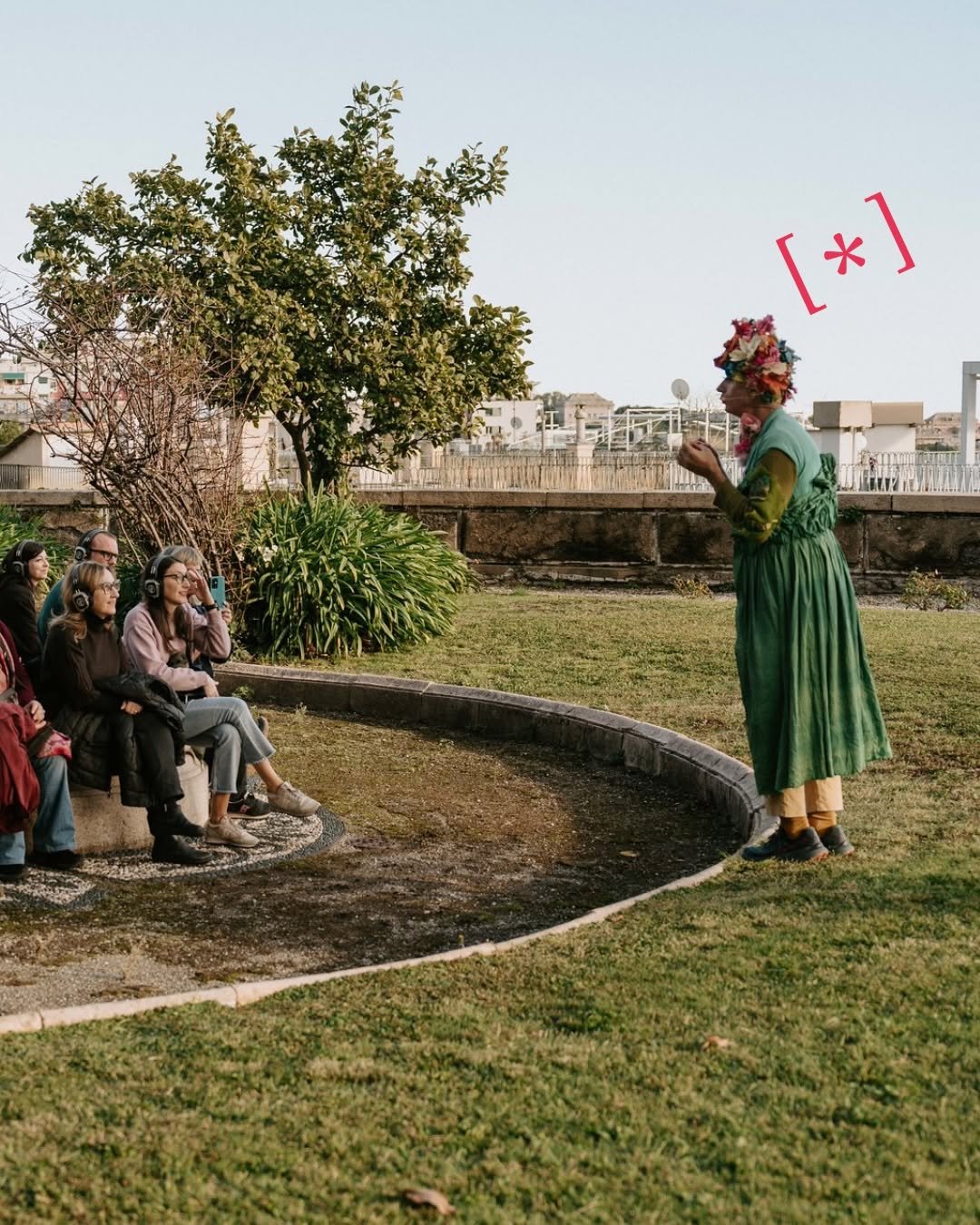
Visitors can expect an immersive and cross-disciplinary experience that goes far beyond a traditional conference. The program includes exhibitions and installations, hands-on laboratories, conferences and round tables, shows combining art and science, guided tours behind the scenes, and special projects curated by major national research institutions such as INFN, CNR, INGV, IIT and the University of Genoa. The atmosphere is that of a city-wide celebration where science leaves laboratories and universities to meet the public in palaces, museums, libraries and squares.
The festival caters to a wide spectrum of audiences, from school classes to families, from university students to professionals and curious citizens. Every year the Science Festival opens with a big event representing the meeting point between art and science, setting the tone for days of intense exploration. The event is also known for its strong educational vocation, with thousands of students involved through dedicated school tickets and teachers’ programs, and for its international outlook, with foreign guests and collaborations with European research ecosystems such as RAISE Liguria.
Enjoy Your Event Stress-Free with Italy Travelo
Whether you're traveling for a world-famous festival, live concert, cultural celebration, or business event, Italy Travelo helps simplify every step of your journey. Our team provides personalized travel assistance, allowing you to focus on creating lasting memories.
Event dates
Official Dates: October–November 2027 (Dates TBD)
Schedule Framework: The festival traditionally runs for eleven to twelve days, including two weekends, with daily opening from morning until late evening. Venues open from around 09:00 to 19:00 for exhibitions and laboratories, while conferences and special evening events are scheduled in the Sala del Maggior Consiglio, Sala del Minor Consiglio and other halls of Palazzo Ducale until late evening. Reservations are recommended and are charged a small fee. The exact calendar of conferences, exhibitions and special events for 2027 will be published on the official website https://www.festivalscienza.it/
Visiting this event? Don’t miss out on these amazing activities and local experiences while you’re here.
Venue & conference site
Main Hub – Palazzo Ducale: The central venue is Palazzo Ducale in Piazza Matteotti 9, Genoa. Its Piano Nobile, Loggiato Maggiore, Sala del Maggior Consiglio, Sala del Minor Consiglio, Sala delle Donne, Munizioniere and Cisterne host the majority of conferences, exhibitions and installations. The Cortile Maggiore hosts the main ticket office and infopoint. Palazzo Ducale is the symbolic heart of Genoese political history and today the largest cultural center of the city.
Distributed City Campus: The festival uses more than thirty locations in the historic center chosen as stages for the event. These include Palazzo Rosso and the Strada Nuova Museums, the Natural History Museum, the University Library, the Botanical Garden, Palazzo della Borsa – Sala delle Grida, Teatro della Tosse, the De Amicis Library, the Righi Astronomical Observatory and the Acquarium, the largest aquarium in Europe designed by Renzo Piano.
Exhibition Areas: Major exhibitions such as The Revolution in a Quantum – From the Sun to the Atom, Other Worlds – Exoplanets starring in the Asimov Award, and installations dedicated to gravitational waves and particle detectors are traditionally staged in the Munizioniere, Loggiato Maggiore and adjacent halls.
Services: All main venues are equipped with infopoints, bookshops, and spaces for informal meetings. The festival is designed as a walkable campus, with most venues within ten to fifteen minutes of each other on foot.
Full scientific programme
Overview: The full scientific programme combines hundreds of events, carefully curated by the Scientific Committee chaired by leading researchers. The program is structured to balance depth and accessibility, with formats ranging from highly specialized lectures to interactive events for families.
Core Components: The program includes opening and closing ceremonies, keynote lectures, thematic conferences, exhibitions and installations, interactive laboratories, workshops for schools, shows and performances, behind-the-scenes guided tours to discover previews of exhibitions, and special projects dedicated to emerging technologies.
Daily Structure: Each day offers a mix of morning sessions for schools and researchers, afternoon sessions open to the general public, and evening sessions dedicated to big public questions, such as hydrogen propulsion, science for peace, space archaeology, artificial intelligence and climate. The INFN, INGV, CNR and EGO collaborations ensure a strong presence of physics, astrophysics, geophysics and life sciences.
Online Platform: All festival subscriptions include access to the platform www.festivalscienza.online, where selected events from current and previous editions are available for streaming for a year, extending the live experience beyond the physical venues.
Key speakers & experts
Interdisciplinary Faculty: The festival invites a wide faculty of scientists, researchers, philosophers, historians, writers and artists. Past editions have welcomed Nobel laureates, astrophysicists, chemists, neuroscientists, climate scientists, science communicators and authors who bridge science and society.
Institutional Voices: Speakers include representatives from INFN Genoa Division, University of Genoa, CNR institutes such as IMATI and IAS, IIT Rehab Technologies, INGV and EGO – European Gravitational Observatory, as well as program managers from RAISE ecosystem working on emerging technologies and shared knowledge.
Science Communication Leaders: The program values science communicators and authors who can translate complex topics for broad audiences, including chemists and science writers involved in the Asimov Award, which rewards the best popular science books as judged by high school students.
Emerging Researchers: A distinctive feature is the presence of young researchers and PhD students who present their work in accessible formats and engage directly with the public in laboratories and meet-the-researcher sessions, fostering direct dialogue between generations.
Research & scientific topics
Core Research Areas: The festival covers all major domains of contemporary research, including particle physics and quanta, astrophysics and exoplanets, gravitational waves and the Einstein Telescope project, hydrogen propulsion and energy transition, marine biology and oceanography, neuroscience and emotions, artificial intelligence and robotics, climate and geosciences.
Cross-Cutting Themes: Each edition develops a unifying theme that connects different disciplines. Previous themes have included Beyond, Exploration, Frontiers, Discovery, Time and other broad concepts that allow exploration of time from evolution of species to physics and climate, of space from Big Bang echo to exoplanets, and of society from scientific diplomacy to science for peace.
Applied Science: Topics such as the physics of coffee and wine explored through the popular initiative Sapori di Scienza, molecular gastronomy, science of materials, and technologies for rehabilitation illustrate how basic research translates into everyday life.
Societal Impact: The program includes round tables organized by the Ministry of Foreign Affairs on scientific diplomacy, hydrogen, space archaeology and internationalization of research, as well as sessions on science and ethics, science and art, and science for sustainable development.
Sessions, presentations & panels
Conference Format: Sessions take place in halls such as Sala del Maggior Consiglio, Sala del Minor Consiglio, Sala delle Donne and Palazzo della Borsa. Formats include keynote lectures of sixty to ninety minutes, panel discussions with three to five experts moderated by journalists, and dialogues between scientists and philosophers.
Presentation Types: Presentations include research updates from large collaborations such as Einstein Telescope, exhibition lectures linked to installations, book presentations connected to the Asimov Award, and project presentations from RAISE Spokes covering enabling technologies, rehabilitation technologies, environmental monitoring and social innovation.
Travel Emotions and Brain: Special thematic tracks such as Travel Emotions organized by Braincircle Italia explore maps of love in the brain, social neuroscience of development and psychiatry, connecting neuroscience with human experience.
Public Participation: Many sessions include Q&A, live polling and live broadcast, allowing both on-site and online audiences to interact. Some events are marked as free events and do not require a ticket beyond reservation.
Workshops & demonstrations
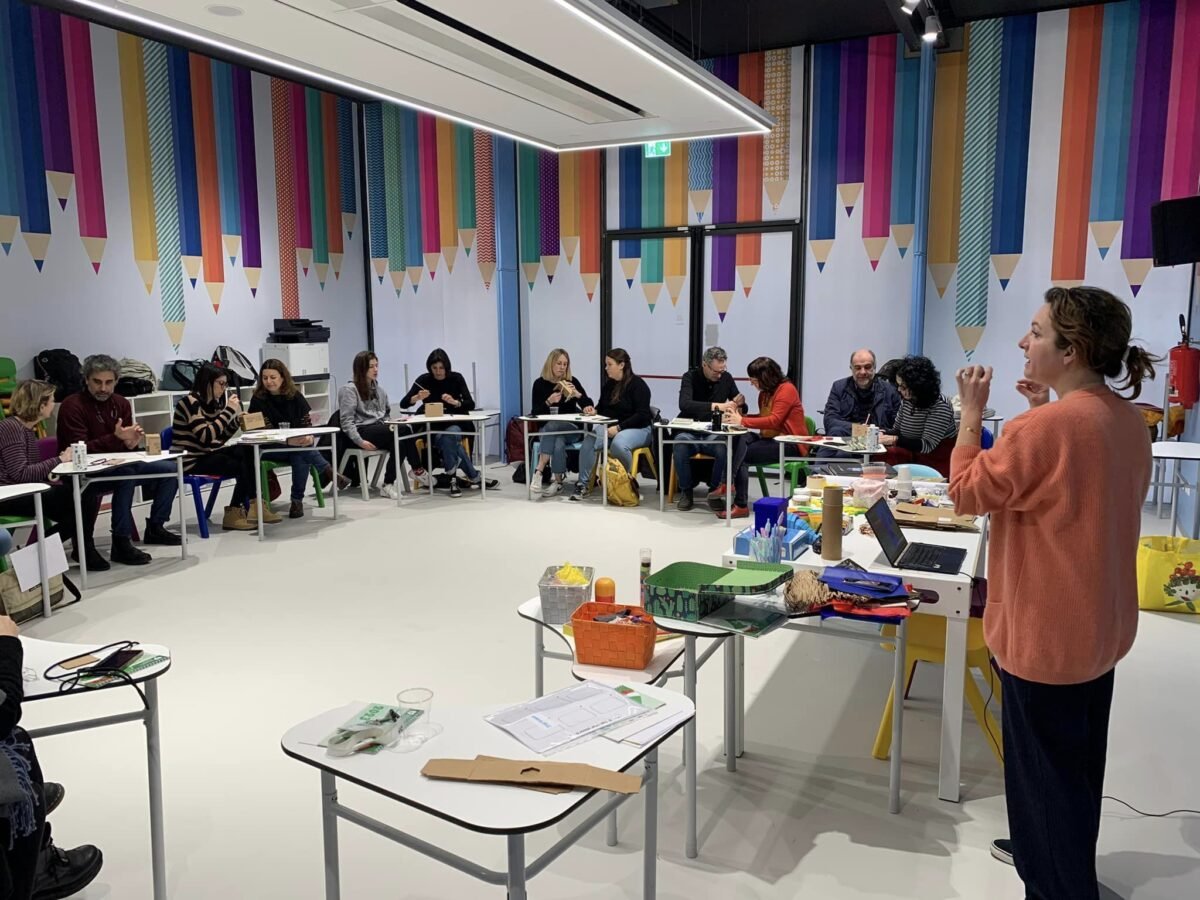
Interactive Laboratories: A hallmark of the festival is the large number of hands-on workshops and demonstrations. These include workshops on particle detectors for participants from fourteen years old organized by INFN Genoa Division, robotics competitions where students show their talent in building competing robots, and scientific game rooms where visitors can test their knowledge.
School Labs: Dedicated laboratories for school groups are held in Palazzo Ducale and other venues, with activities designed for different age groups. School tickets allow students to participate in both face-to-face and online programs.
Behind the Scenes Tours: Guided tours behind the scenes offer previews of exhibitions and interactive workshops, curated by the festival team, allowing visitors to understand how science exhibitions are built and how researchers work.
Exhibitions as Demonstrations: Installations such as The Revolution in a Quantum and Einstein Telescope – Approaching the Echo of the Big Bang combine exhibition and live demonstration, with researchers present to explain experiments and answer questions.
Registration & ticket types
Ticket Policy: Tickets and reservations can be purchased online on the official website https://www.festivalscienza.it/ and through the call center at +39 010 893 4340. The ticket office is active in Cortile Maggiore in Palazzo Ducale, but the public is encouraged to prefer online purchase. Reservations, which are recommended for most events, are charged.
Main Ticket Types Based on Previous Editions Converted to USD:
Day Ticket: Allows access to all events of a specific day. Full price approximately USD 14. Reduced price for specific categories approximately USD 12. Very reduced price for young visitors approximately USD 10.
Young Day Ticket: Reserved for under eighteen and university students. Price approximately USD 10.
Evening Ticket: Allows access to all events of a specific day from late afternoon onwards. Full price approximately USD 10.
Festival Subscription: Valid for every day and all festival events and includes use of broadcast events on the online platform. Standard full subscription approximately USD 23. Reduced subscription approximately USD 20. Very reduced subscription approximately USD 13.
Bonus Subscription: Includes free reservations for the season ticket holder. Price approximately USD 33.
Live Streaming Subscription: For online viewing only, price approximately USD 11.
School Ticket: Reserved for students participating in the school project. Price approximately USD 10 per student and equivalent to a standard entry, allowing enjoyment of the entire festival both face-to-face and online. Accompanying teacher subscription is free. One free ticket for teachers every twenty five paying students.
Children Policy: For children zero to five years old, admission is free.
Group Policy: For groups, one full ticket free every twenty paying people. Discounted ticket packages are available in bundles from USD 270 for twenty five daily tickets to approximately USD 1080 for one hundred five daily tickets.
Final pricing for 2027 will be published by organizers. All USD prices are conversions from Euro prices of previous editions.
Professional & industry access
Professional Categories: The festival offers dedicated access for teachers, researchers, university staff, journalists and science communicators. Teacher cards allow individual use of the entire festival program, both face-to-face and online, for its duration.
Industry Involvement: Professionals from research institutions, technology companies, publishing houses focused on science popularization and educational technology providers participate as speakers, exhibitors and sponsors.
Accreditation: Press and media accreditation is available through the official website. More than two thousand scientists and thousands of journalists have participated across previous editions, creating a strong professional community.
Institutional Support: The festival is supported by the University of Genoa, Municipality of Genoa, Liguria Region, Ministry of Foreign Affairs and International Cooperation, INFN, CNR and other national bodies, ensuring high-level professional participation.
Exhibitors & pharmaceutical companies
Exhibition Model: The festival is not a traditional commercial fair but includes exhibition areas curated by research institutions and cultural partners. Exhibitors include INFN, CNR, INGV, IIT, University of Genoa, Acquario di Genova, Galata Sea Museum, and technology companies involved in RAISE ecosystem.
Science and Industry Dialogue: Pharmaceutical and biomedical companies participate through educational exhibits and conferences on health, neuroscience, rehabilitation technologies and life sciences, rather than through direct product sales. Focus is on research dissemination and public engagement.
Related Attractions Benefits: Holders of festival tickets benefit from discounts at partner cultural facilities such as Genoa Aquarium, Galata Sea Museum, City of Children, Biosphere and Bigo elevator, with discounts ranging from approximately USD 1 to USD 3 when showing a festival ticket. Student groups with festival tickets also receive discounts.
Innovation Showcase: Companies working on hydrogen propulsion, gravitational wave detection technologies, particle detectors, robotics and AI showcase prototypes and interactive demos, often in collaboration with university labs.
Networking & professional meetings
Formal Networking: The festival organizes program manager meetings, such as those introduced by RAISE Programme Manager and Chair of the Scientific Committee, where Spokes present challenges and results, fostering cross-disciplinary collaboration among five research Spokes.
Informal Meeting Points: Palazzo Ducale courtyards, the Mentelocale Bar Bistrot in Palazzo della Borsa and other cafes serve as informal networking hubs where researchers, teachers, students and public can meet between sessions.
School and University Network: Integrated tourist packages for schools combine festival pass, overnight stay and entry to Aquarium, encouraging national school networks to meet in Genoa. Teachers benefit from dedicated meetings and free subscriptions.
International Dimension: Events organized by the Foreign Ministry and international research organizations promote scientific diplomacy, internationalization of research and innovation systems, and create networking opportunities for foreign researchers working in Italy.
Event rules & accreditation
Reservation Obligation: For most events, reservation is mandatory in addition to ticket purchase. Reservation fee is approximately USD 1 per event. Visitors are advised to book online in advance, as popular events sell out quickly.
Access Rules: Daily tickets are valid until midnight on day of issue. Subscription tickets are valid for the entire duration. Access to free events is subject to availability and may still require reservation.
School Groups: School groups must book through the dedicated school project channel. One accompanying teacher per twenty five students receives free entry. School tickets are valid for both on-site and online programs.
Behavior and Safety: Food and drink are not allowed in historic halls. Photography may be restricted during some conferences. Visitors are required to follow staff instructions and respect exhibition materials, especially in interactive laboratories with delicate instruments.
Accreditation: Press, photographers and professional operators must apply for accreditation via the official website. Accreditation provides access to press conferences, opening events and dedicated working spaces.
How to get there
Location Overview: The main venue Palazzo Ducale is located in Piazza Matteotti 9, in the heart of Genoa historic center, a UNESCO World Heritage area.
By Train: Genoa has two main stations, Genova Piazza Principe and Genova Brignole, both served by high-speed and regional trains. From Piazza Principe, Palazzo Ducale is about fifteen minutes on foot or a short bus ride. From Brignole, it is about ten minutes on foot through the historic center.
By Air: Genoa Cristoforo Colombo Airport is about seven kilometers from the center, connected by Volabus shuttle to Brignole station. Other nearby airports are Milan Malpensa, Milan Linate and Pisa, all connected by train to Genoa.
By Car: Driving in the historic center is restricted. Visitors arriving by car should use parking facilities outside the center and continue by public transport or on foot. The historic center is a limited traffic zone.
On Foot: Once in the historic center, all festival venues are walkable. The festival encourages walking to discover the city between events, including the Rolli Palaces, the old port and the characteristic caruggi alleyways.
Public transport & parking
Urban Transport: Genoa urban transport system includes buses, metro, funiculars and elevators. A combined daily ticket for festival and urban transport is traditionally available. The metro line connects Brignole to Certosa, with stations at De Ferrari and Darsena close to Palazzo Ducale.
Buses: Several bus lines stop near Piazza De Ferrari and Piazza Matteotti, a few minutes walk from Palazzo Ducale. Night bus services are available during festival period.
Parking: Recommended parking areas include Park at Brignole, Park at Piazza Principe, Park at Porto Antico and Park at Acquarium. From these parks, the center can be reached by metro, bus or on foot. Street parking in the historic center is extremely limited and subject to time restrictions.
Special Festival Transport: During the festival, information about transport is provided at infopoints. The combined festival and transport ticket offers convenient access to both events and public mobility.
Accommodation areas
Historic Center – Around Palazzo Ducale and Via XX Settembre: Staying near Palazzo Ducale puts you within walking distance of most venues. Boutique hotels, historic palazzi and B&Bs in this area have previously ranged from USD 110 to USD 280 per night for a double room. Ideal for those who want to attend evening events.
Old Town – Caruggi and Porto Antico: The medieval old town offers atmospheric guesthouses and boutique hotels close to the Aquarium and Galata Museum. Prices have previously ranged from USD 80 to USD 190 per night. Suitable for families combining science festival with tourism.
Brignole and Foce: Area near Brignole station offers good transport connections, modern hotels and business hotels. Prices have previously ranged from USD 90 to USD 200 per night. Convenient for those arriving by train.
Principe and Castelletto: Hillside areas accessible by funiculars and elevators offer panoramic views of the city and port. Prices have previously ranged from USD 85 to USD 180 per night. Quieter environment after festival hours.
Budget Options: Hostels and budget hotels are available near both main stations and in the historic center, with dorm beds previously from USD 28 to USD 55 per night and private rooms from USD 60 to USD 110.
Early booking is strongly recommended, as the festival coincides with autumn cultural season and Rolli Days heritage weekends.
Accessibility
Physical Accessibility: Palazzo Ducale is largely accessible with elevators and ramps connecting different floors. Some historic rooms such as Cisterne may have limited accessibility due to architectural constraints. Staff provide assistance and alternative routes.
Sensory Accessibility: Many conferences are amplified and some are live broadcast, improving access for those with hearing difficulties. The online platform provides additional access for those unable to attend in person.
Family Accessibility: The festival is family-friendly, with activities designed for children from zero to five years free admission and special laboratories for young visitors. Strollers are allowed in most venues, with designated parking areas in crowded halls.
Inclusive Communication: Materials are available in Italian and English for many events. Infopoints provide information about accessible routes, toilets and rest areas.
Support: Visitors with specific needs are advised to contact organizers in advance via info@festivalscienza.it or +39 010 893 4340 to arrange support and reserved seating.
Previous year’s highlights
Program Scale: Recent editions have featured hundreds of events across more than thirty venues, with strong participation from national research institutions and international guests. The program included major exhibitions, particle detector workshops, Einstein Telescope project presentations and discussions on exoplanets and other worlds.
Flagship Exhibitions: Highlights included exhibitions such as The Revolution in a Quantum – From the Sun to the Atom curated by INFN, immersive installations in the Loggiato Maggiore, and special installations combining art and science for the opening event.
Thematic Conferences: Flagship conferences included Other Worlds – Exoplanets starring in the Asimov Award with chemists, astrophysicists and INFN researchers, presentations on approaching the echo of the Big Bang, conferences on the future under the mountain about gravitational wave telescopes and candidate sites, and sessions on travel emotions and maps of love in the brain organized with psychiatrists and neuroscientists.
Community Impact: The festival recorded high participation from schools, with thousands of students attending laboratories and conferences, and strong engagement on the online platform where events remain available for a year. The behind-the-scenes guided tours were particularly popular, offering a preview of interactive workshops and exhibitions.
City Involvement: The entire city participated, with special discounts linking festival tickets to Aquarium, Galata Sea Museum, City of Children, Biosphere and Bigo elevator, encouraging visitors to combine science with discovery of Genoa heritage.
Official registration
Official Channels: Registration, ticket purchase and reservations are managed exclusively through official channels.
Website: https://www.festivalscienza.it/
Email: info@festivalscienza.it
Phone: +39 010 893 4340 – Call center for tickets and reservations
Ticket Office: Cortile Maggiore, Palazzo Ducale, Piazza Matteotti 9, Genoa. Open during festival period with extended hours. Infopoint inside Palazzo Ducale open from 09:00 to 19:00 Monday to Friday and 09:30 to 19:00 on Sundays and public holidays during festival period.
Booking Procedure: Tickets can be purchased online on the official website at prices indicated, or at the infopoint. Reservations for individual events are recommended and charged separately. For school groups, dedicated booking procedures are available via the school project section of the website. All festival subscriptions include subscription to the online platform www.festivalscienza.online where selected events are displayed for a year.
For final program, ticket prices and reservations for 2027, please consult the official website.
Video
Location
FAQ
Do I need to book events in advance or can I just show up with a ticket?
All visitors need both a valid ticket and a reservation for most events, because historic halls have limited seating and high demand. Reservations are charged a small fee and should be made online on the official website as soon as the program is published. The public is encouraged to prefer online booking, although a ticket office is available in Cortile Maggiore for assistance.
Where do the events take place and is it possible to walk between venues?
The main hub is Palazzo Ducale in Piazza Matteotti, but the festival is distributed across more than thirty locations in the historic center, including museums, libraries, theaters and the aquarium. All venues are within walking distance of each other, typically ten to fifteen minutes on foot, making it possible to attend multiple events in different locations on the same day.
Is the festival suitable for children, families and visitors without scientific background?
Yes, the festival is explicitly designed to fulfill and stimulate the interest of visitors of all ages and all levels of knowledge. It offers interactive laboratories, scientific game rooms, robot competitions, behind-the-scenes tours and shows that are accessible to families and school groups. Children up to five years old have free admission and many events are designed to be engaging for non-specialists.
What is included in the festival subscription and online access?
Standard subscriptions are valid for every day and all festival events and also include use of broadcast events on the online platform. All festival subscriptions include a subscription to the platform www.festivalscienza.online where selected events of current and previous editions are displayed for a year, allowing remote access. A separate live streaming subscription is also available for those who cannot attend in person.
How can schools participate and what support is available for teachers?
Schools can participate through the dedicated school project, which offers a school ticket per student that allows enjoyment of the entire festival both face-to-face and online, plus free subscription for accompanying teachers. The festival provides integrated tourist packages for schools that include festival pass, overnight stay and entry to the aquarium. Teachers can access dedicated meetings, teaching materials and free teacher cards that are valid for the entire program.

Leave a Reply