
Historical Origins and Cultural Roots
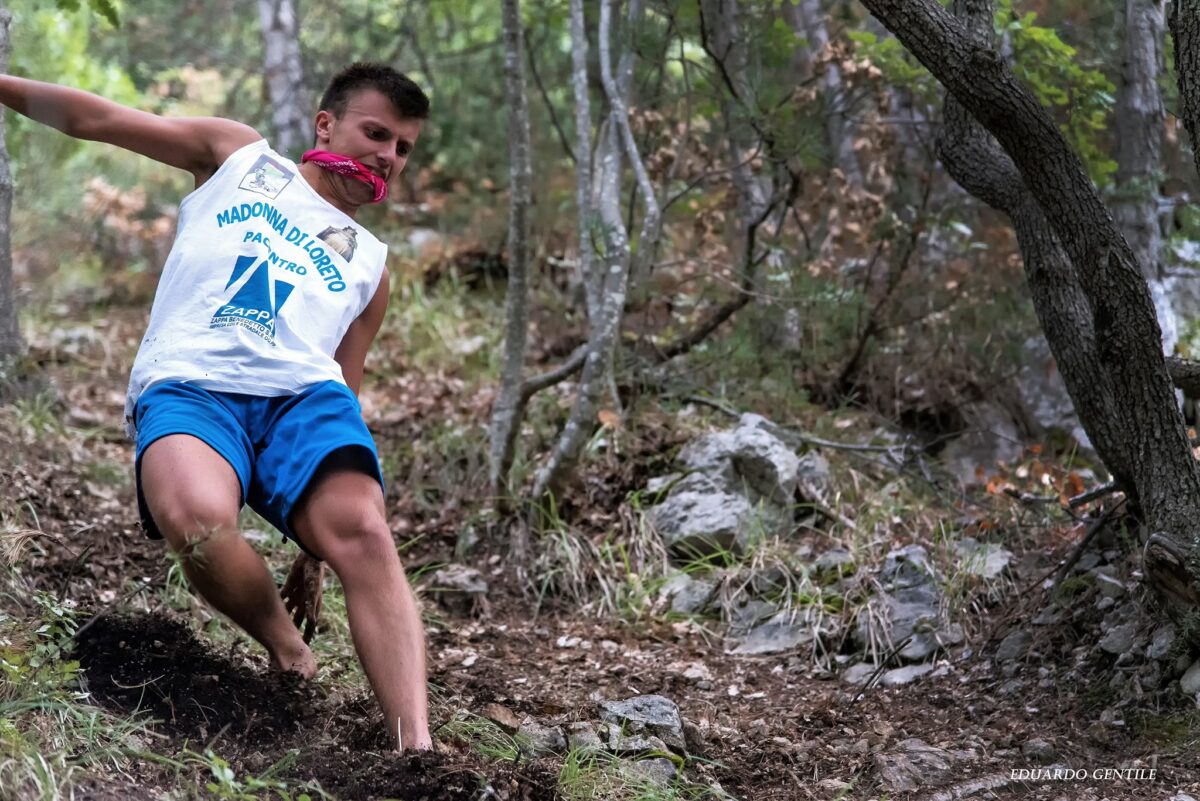
The legendary Corsa degli Zingari stands as one of the most compelling and deeply rooted historical traditions in the Apennine region, tracing its origins back more than five centuries. Rooted in the ancient social fabric of Pacentro, the event commemorates a unique blend of agrarian gratitude, spiritual devotion, and raw human endurance passed down through unbroken generations. Historical documents suggest that the practice originated as an offering of absolute dedication, where local participants demonstrated their physical resilience and faith through a demanding barefoot sprint across rugged terrain.
Over the centuries, this remarkable ritual has evolved from a localized test of endurance into a powerful symbol of communal identity and cultural preservation for the entire Abruzzo region. Elders and local historians meticulously guard the rules and customs surrounding the event, ensuring that every element remains faithful to the authentic historical blueprint. By maintaining these ancient observances, the community protects an invaluable piece of intangible European heritage from the homogenizing effects of modern cultural shifts.
The festival also serves as an essential annual gathering for descendants of Pacentro who return from all over the world to reconnect with their ancestral roots. Streets lined with medieval stone architecture echo with stories of past races, legendary runners, and familial sacrifices that shaped the modern character of the village. This profound sense of continuity transforms the contemporary festival into a living bridge connecting the medieval past directly with the vibrant cultural present.
Enjoy Your Event Stress-Free with Italy Travelo
Whether you're traveling for a world-famous festival, live concert, cultural celebration, or business event, Italy Travelo helps simplify every step of your journey. Our team provides personalized travel assistance, allowing you to focus on creating lasting memories.
Religious Devotion to the Madonna di Loreto
The spiritual heart of the festival beats in honor of the Madonna di Loreto, anchoring the physical competitions and secular celebrations in deep religious devotion. Days before the main events commence, the community engages in solemn prayer, traditional novena services, and devotional rosary walks through the historic alleyways of the village. Pilgrims and participants gather inside the sacred sanctuary to seek spiritual protection, divine guidance, and blessings for the grueling trials ahead.
The climax of this sacred observance occurs when the venerated statue of the Virgin Mary is carried in a solemn, slow-paced procession through the winding cobblestone streets. Choral hymns sung in traditional regional dialects reverberate against ancient stone walls, creating an atmosphere of intense spiritual reflection and communal reverence. This sacred bond between the people of Pacentro and their protector provides the underlying moral framework that elevates the festival far beyond a simple athletic contest.
Event Programme
- Event Date: September 2027 (Dates TBD)
- Event Duration: Multi-day historical and cultural heritage festival celebrating centuries-old Abruzzese traditions
Visiting this event? Don’t miss out on these amazing activities and local experiences while you’re here.
Global Heritage Preservation and Intangible Status
The sustained international recognition of the Corsa degli Zingari highlights its profound importance as a priceless asset of global intangible cultural heritage. By safeguarding a ritual that combines elements of extreme physical challenge, religious devotion, and rural folklore, the community of Pacentro serves as a model for cultural preservation. Scholars and heritage organizations study the festival to understand how ancient traditions can remain vibrant and meaningful in the contemporary world without losing their core authenticity.
Efforts to secure broader institutional protections ensure that future generations will continue to inherit the knowledge, crafts, and social bonds that animate the festival today. This global perspective elevates a localized village tradition into an inspiring testament to human diversity, resilience, and shared history. Through continued documentation, international exchange, and passionate local stewardship, the festival secures its permanent place in the cultural memory of humanity.
Entry & Tickets
- How Tickets Are Sold: Available as Free Admission for all public viewings, religious processions, cultural parades, and standard outdoor race spectator areas without requiring advance online purchasing.
- Admission Type: Open-access public admission welcoming local residents, cultural enthusiasts, and international travelers to experience the historic village festivities together.
- Ticket Pricing: Free Admission across all general public viewing zones, open-air concerts, historical parades, and traditional race observation points.
- Special Seating Options: Open public standing spaces along the historic medieval streets, village squares, and designated natural hillside viewing tiers overlooking the mountain race routes.
- VIP Options: Community-hosted hospitality areas providing priority access to organized cultural symposia, guided heritage tours, and reserved seating for evening musical performances.
Abruzzese Gastronomy and Local Wine Highlights
- Autochthonous Culinary Delights: Local food stalls serve authentic mountain recipes, including hearty sheep meat stews, handmade maccheroni alla chitarra, and rustic pecorino cheeses.
- Montepulciano d’Abruzzo Showcases: Regional winemakers offer tastings of robust, full-bodied red wines produced from hillside vineyards thriving in the mineral-rich mountain soil.
- Traditional Pastry Traditions: Bakers prepare sweet delicacies such as confetti di Sulmona and crispy pizzelle waffles flavored with anise and honey.
- Open-Air Street Banquets: Long communal tables are set up in the main village squares, allowing residents and travelers to dine together under festive string lights.
- Saffron Infusions: Master cooks utilize local Navelli saffron to enrich traditional soups and risotto dishes with golden color and distinct earthy aromas.
- Cured Meats Masterclasses: Local butchers display artisanal air-dried sausages, wild boar prosciuttos, and ventricina salumi crafted using ancient curing methods.
- Organic Agricultural Markets: Small-scale regional farmers sell organic legumes, wild mountain berries, truffle-infused oils, and seasonal forest mushrooms.
Community Identity, Rituals, and Brotherhood
The festival functions as the ultimate reaffirmation of community identity, binding the citizens of Pacentro together through shared memories, mutual support, and collective pride. Months of voluntary preparation go into organizing the infrastructure, managing logistics, and decorating the stone facades of houses with colorful banners and floral arrangements. This massive collective effort relies entirely on the selfless dedication of local associations, confraternities, and individual volunteers who view the festival as an extension of their own homes.
Throughout the multi-day event, traditional rituals reinforce social cohesion and erase generational divides, welcoming outsiders into an atmosphere of genuine fraternal warmth. Elders share oral histories with wide-eyed youngsters while communal meals and shared prayers dissolve social barriers, fostering a profound sense of belonging. This unbreakable social glue ensures that the village remains resilient in the face of modern demographic challenges and rural depopulation.
Ultimately, the brotherhood forged during the Corsa degli Zingari extends far beyond the borders of Pacentro, creating lasting bonds with visitors from around the globe. The shared emotional intensity of witnessing the barefoot race and participating in evening celebrations creates a deep, empathetic connection between locals and international guests. Travelers leave not merely as spectators, but as adopted members of an extended cultural family that treasures human resilience and historical continuity.
Getting to the Event
- City and Country: Pacentro, Italy
- Venue Name: Historic Village Center and Piazza Umberto I
- Google Maps Address: Piazza Umberto I, 67030 Pacentro AQ, Italy
The Barefoot Rocky Race and Course Route
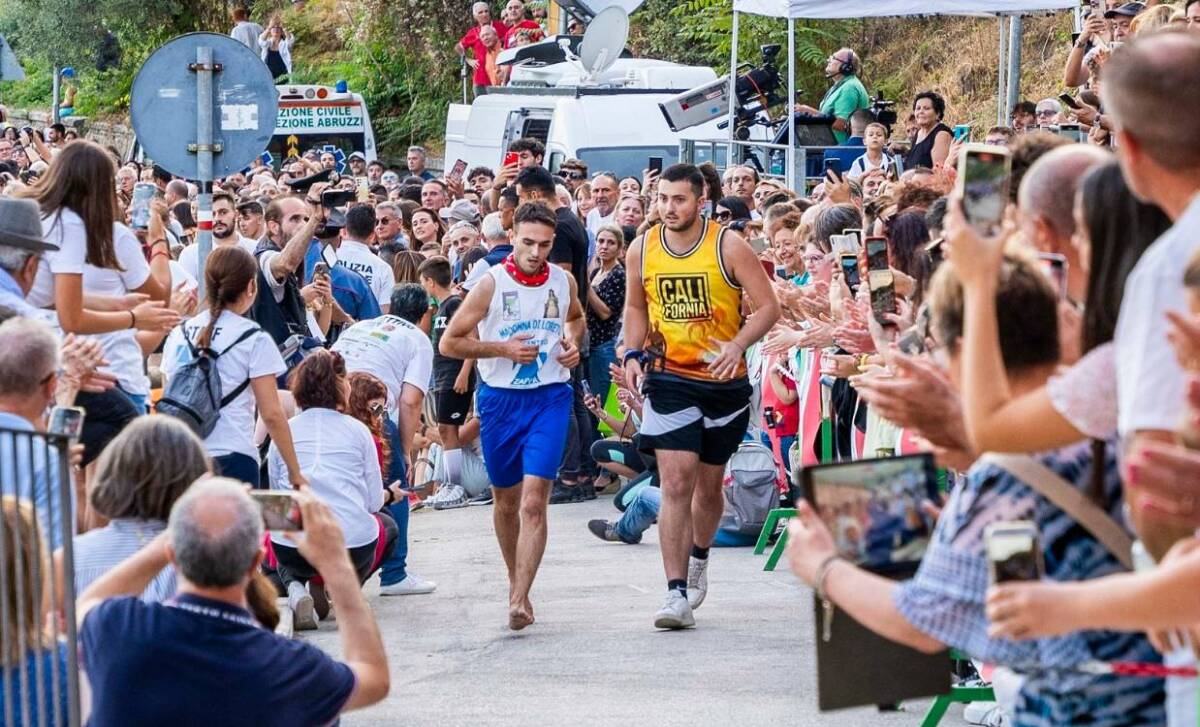
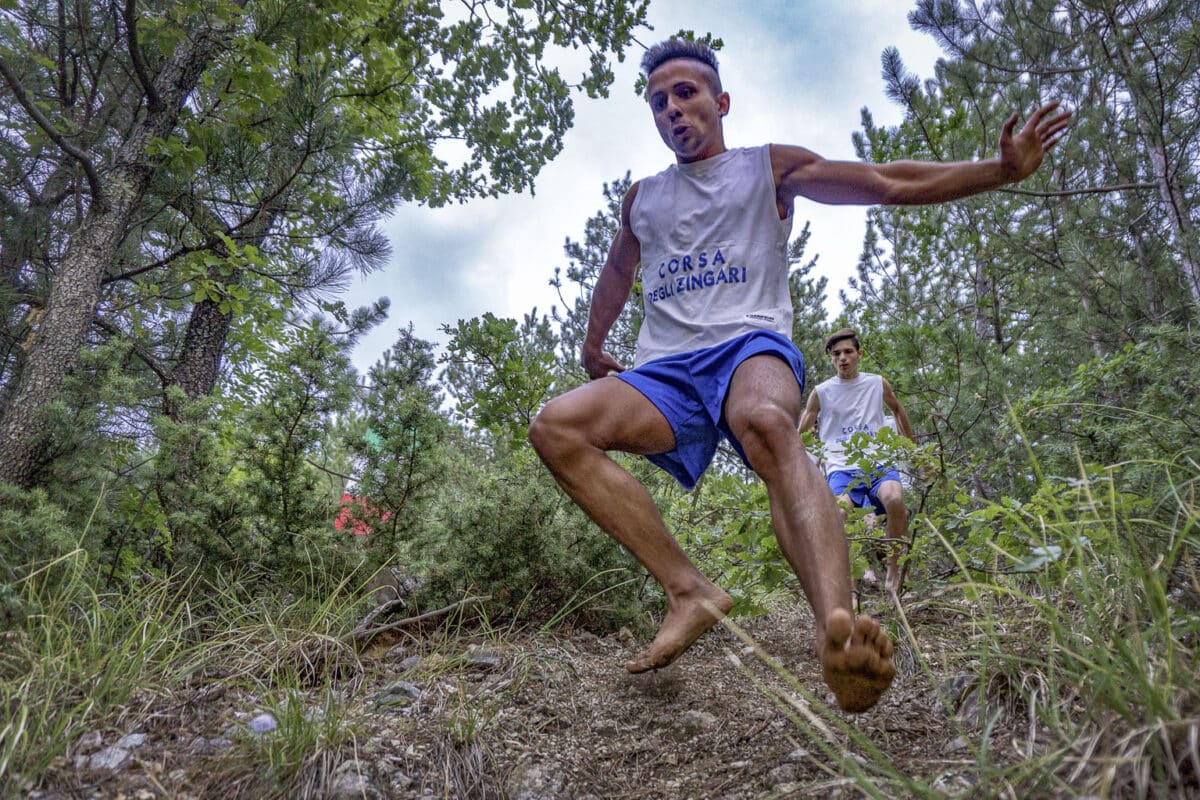
- Barefoot Tradition: Competitors must complete the entire demanding journey running completely barefoot across unforgiving terrain as a symbolic act of penance and devotion.
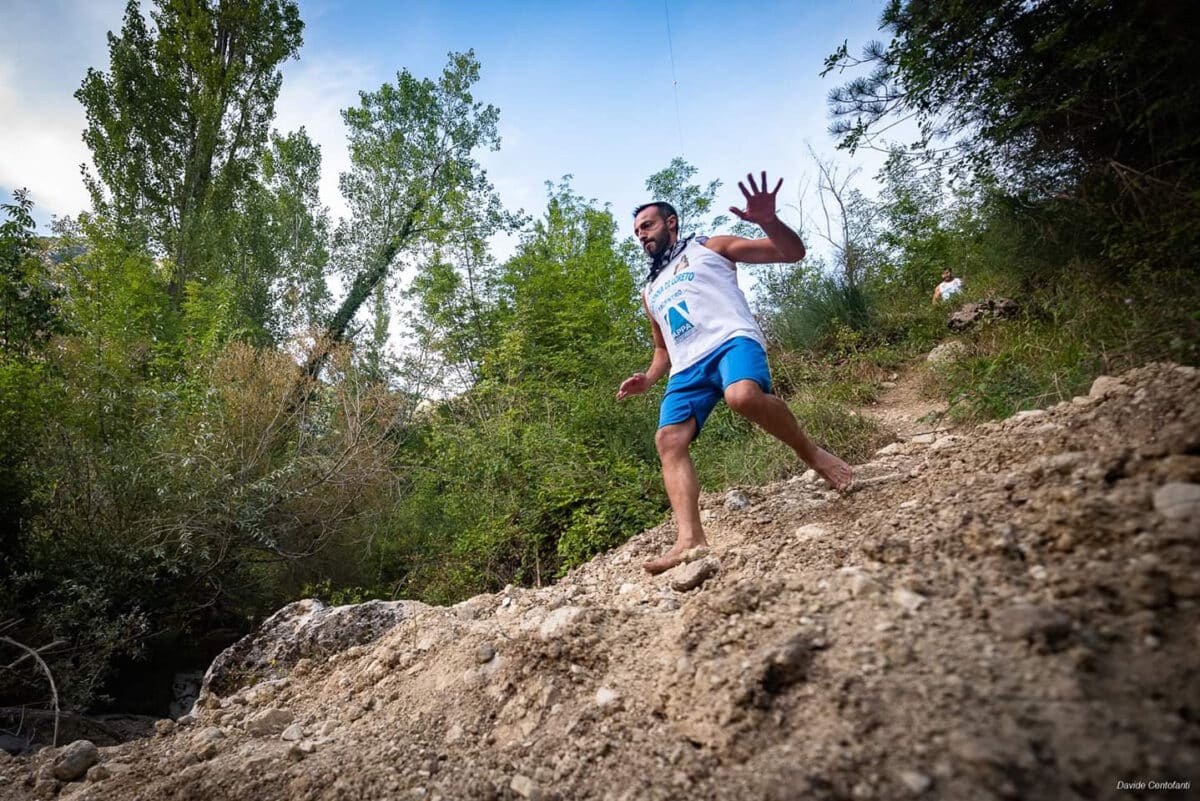
- Steep Mountain Descent: The course begins high on the rocky slopes of the Majella mountain foothills, plunging steeply downward toward the valley floor.
- Treacherous River Crossing: Runners must navigate a fast-flowing, ice-cold mountain stream at the base of the ravine before tackling the final uphill climb.
- Historic Finish Line: The race concludes dramatically at the threshold of the Church of the Madonna di Loreto, where the winner collapses in exhaustion and triumph.
- Rugged Terrain Challenges: Participants face sharp limestone rocks, thorn bushes, loose gravel, and steep dirt paths that demand extreme agility and pain tolerance.
- Rigorous Qualification Rules: Competitors must maintain ancestral or residency ties to the local community, preserving the insular and fiercely authentic nature of the race.
- Intense Spectator Support: Thousands of passionate onlookers line the cliffs and canyon edges, shouting encouragement and tracking every stride of the courageous runners.
- Rigid Safety Protocols: Medical teams and mountain rescue specialists are strategically stationed along every mile of the gorge to provide immediate emergency assistance.
- Spiritual Antecedents: Before stepping up to the starting line, every runner receives a solemn blessing from local clergy members inside the sanctuary.
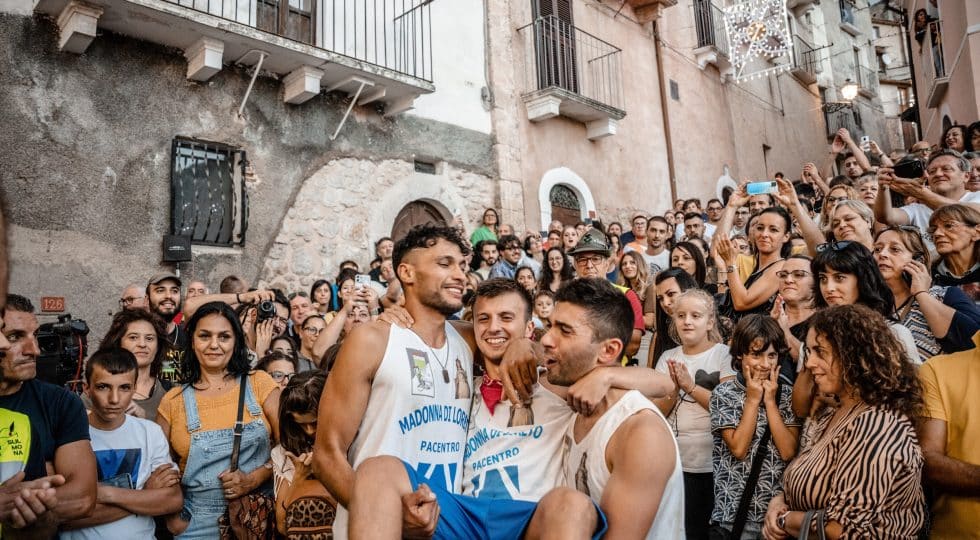
- Triumphant Reception: The victorious runner is hoisted onto the shoulders of cheering townspeople and carried through the illuminated streets in absolute jubilation.
The Trail degli Zingari Mountain Running Experience
- Modern Athletic Integration: The newly established competitive trail running event expands the festival’s athletic scope, drawing professional trail runners from across Europe.
- Challenging Distance Categories: Competitors can choose between an intensive 25-kilometer long course and an equally demanding 16-kilometer short trail variant.
- Majella Park Backdrops: The running routes wind directly through the protected wilderness areas of the Majella National Park, showcasing pristine alpine ecosystems.
- Technical Elevation Gains: Participants conquer grueling vertical climbs, rocky ridge lines, and steep forest switchbacks that test endurance limits.
- Eco-Friendly Racing Standards: The organization enforces strict Leave-No-Trace policies to protect the fragile flora and fauna of the natural park landscape.
- Professional Timing Chips: Advanced digital tracking systems record split times and final finishes for all competing runners across both distance categories.
- Hydration and Fuel Stations: Well-stocked support checkpoints staffed by volunteers provide water, mineral salts, and local energy snacks along the paths.
- Medals and Finisher Recognition: Every athlete who successfully crosses the finish line receives a commemorative carved wooden medal crafted by regional artisans.
Corsa degli Zingarelli Youth Heritage Event
The dedicated youth running event ensures that the crucial physical and cultural traditions of the village are safely handed down to the next generation of residents. Designed specifically for children and adolescents, this shorter, controlled version of the ancestral race takes place under the watchful eyes of experienced mentors and medical staff. Young participants train for weeks, learning not only the physical techniques required to navigate the rough ground safely but also the profound cultural values underpinning the event.
Cheers echo through the medieval squares as the young runners demonstrate incredible heart, determination, and community spirit while charging toward the finish line. This nurturing environment builds deep bonds of camaraderie among the youth, instilling a lasting sense of pride in their local heritage and collective identity. By celebrating the children’s efforts with equal enthusiasm, the festival guarantees that its historic flame will continue burning brightly for decades to come.
Guide
- Email: info@corsadeglizingari.it
- Phone Number: +39 0864 44117
- Website: https://corsadeglizingari.it/
Traditional Costume Parades and Folkloric Music
- Vibrant Historic Attire: Participants and local residents don meticulously tailored historical garments reflecting rural Abruzzese fashion from past centuries.
- Acoustic Folk Ensembles: Traveling musicians play traditional wooden flutes, diatonic accordions, and tambourines, filling the medieval alleys with lively melodies.
- Choreographed Group Dances: Performers execute traditional circle dances like the Saltarello, inviting spectators to join the rhythmic movement in the streets.
- Handmade Textile Details: Costumes feature intricate hand-embroidered patterns, heavy wool shawls, velvet vests, and traditional lace head coverings.
- Ceremonial Flag Throwers: Expert flag-wavers perform synchronized aerial displays using brightly colored banners emblazoned with historical municipal crests.
- Evening Concert Series: Prominent Italian pop singers and regional folk artists perform live nightly concerts on expansive outdoor stages in Via Roma.
- Spontaneous Street Jam Sessions: Local instrumentalists and visiting folk troupes gather spontaneously on stone steps for improvised acoustic sessions late into the night.
- Choral Polyphony Performances: Local church choirs present haunting, unaccompanied vocal arrangements passed down through oral tradition over generations.
- Theatrical Interludes: Open-air theatrical troupes stage historical dramas and comedic sketches depicting legendary episodes from local village folklore.
Artisan Markets and Medieval Craft Exhibitions
- Master Woodcarvers: Skilled local craftsmen demonstrate intricate wood-shaping techniques, crafting traditional kitchen utensils, decorative objects, and musical instruments.
- Wrought Iron Forging: Blacksmiths set up temporary mobile hearths in public squares, hammering glowing red iron into traditional tools and artistic hardware.
- Traditional Pottery Displays: Ceramic artists showcase hand-glazed earthenware water jugs and decorative plates adorned with rustic Abruzzese motifs.
- Lace-Making Demonstrations: Elderly female artisans preserve delicate bobbin lace techniques, working meticulously on complex textile patterns in public view.
- Leather Craft Workshops: Artisans display custom-tooled leather belts, rustic sheaths, and durable footwear reminiscent of historical pastoral gear.
- Antiquarian Book Stalls: Specialized vendors offer rare historical texts, maps, and photographic collections documenting the architectural evolution of the region.
- Handmade Souvenir Bazaars: Visitors can purchase authentic artisanal crafts, organic preserves, and commemorative festival memorabilia directly from local creators.
- Stone Sculpture Exhibits: Local stone sculptors present polished marble and limestone carvings inspired by the dramatic topography of the nearby mountains.
Awards Ceremony and Historical Prize Traditions
The formal awards ceremony serves as a prestigious public acknowledgment of athletic excellence, courage, and steadfast dedication to cultural preservation. Dignitaries, celebrity guests, and municipal leaders gather on illuminated stages to present traditional prizes and commemorative plaques to the triumphant runners. Historically, the primary prize for the winning runner consisted of a length of fine cloth used to tailor a new suit, a tradition symbolized today through honorary trophies and symbolic gifts.
Applause from thousands of spectators fills the medieval piazza as each participant in the youth and adult races receives recognition for their physical efforts. These emotional award presentations highlight the core values of sportsmanship, humility, and perseverance that define the spirit of the historic competition. The evening festivities conclude with celebratory fireworks lighting up the ancient castle towers, marking the successful culmination of months of community planning.
Documentary Screenings and Cultural Symposia
- Historical Film Showcases: Specialized screenings feature archival documentary footage capturing decades of past festival celebrations and runner interviews.
- Anthropological Panel Discussions: Academic experts and cultural historians analyze the sociological significance of barefoot rituals in Mediterranean folk history.
- Photographic Exhibitions: Gallery walls display striking large-format prints highlighting the dramatic facial expressions, dust, and raw emotion of the runners.
- Open-Air Lecture Series: Visiting researchers discuss the preservation of endangered intangible heritage and rural traditions within modern European societies.
- Interactive Q&A Sessions: Attendees can engage directly with veteran runners, event organizers, and cultural anthropologists to ask questions about local customs.
- Multilingual Educational Guides: Informative pamphlets and digital archives provide deep historical context for international visitors seeking deeper understanding.
Majella National Park Nature and Visitor Integration
- Pristine Wilderness Access: The festival acts as a major gateway for exploring the rich biodiversity and protected trails of the Majella National Park.
- Guided Nature Excursions: Expert park naturalists lead educational hiking tours focusing on local endemic flora, beech forests, and wildlife tracking.
- Geological Interpretive Walks: Visitors learn about the dramatic karst topography, deep river canyons, and ancient tectonic formations shaping the regional landscape.
- Flora and Fauna Spotting: Outdoor enthusiasts have opportunities to observe rare alpine birds, wild orchids, and native Apennine chamois in their natural habitat.
- Sustainable Tourism Seminars: Informative workshops educate travelers on minimizing environmental impact while exploring fragile mountain ecosystems and rural trails.
- Integrated Shuttle Services: Organized transit options connect peripheral parking zones smoothly with park entry points and the pedestrian village center.
- Outdoor Safety Briefings: Mountain rescue teams provide essential tips on weather preparedness, proper footwear, and safe navigation for independent hikers.
- Camping and Eco-Lodge Networks: Designated green camping areas and local eco-friendly accommodations welcome outdoor travelers seeking immersive nature stays.
- Junior Ranger Programs: Environmental education stations engage children with fun, interactive nature games and wildlife conservation quizzes.
- Scenic Photography Overlooks: Designated viewing platforms offer breathtaking panoramic vistas stretching across the verdant Peligna Valley and surrounding peaks.
Video
Location
FAQ
What is the primary significance of runners completing the course completely barefoot?
Running without shoes serves as a powerful penitential act of deep devotion and humility dedicated to the Madonna di Loreto. It mirrors the severe physical hardships endured by ancestors and tests the absolute resilience and determination of each participant. This challenging tradition highlights the raw, unfiltered connection between the modern runner and the historic roots of the community.
How are participants selected to compete in the traditional barefoot mountain race?
Competitors must prove direct genealogical lineage or long-term residential ties to the historic hill town of Pacentro. This strict qualification rule protects the insular authenticity and ancestral integrity of the centuries-old village competition. Consequently, it ensures that only those tied directly to the local heritage take part in the challenging gorge descent.
What can visitors expect from the various musical performances and evening entertainment?
Attendees are treated to vibrant live concerts featuring prominent Italian pop musicians, traditional acoustic folk ensembles, and regional choral groups. The historic streets come alive with spontaneous jam sessions, traditional dancing, and theatrical performances staged against medieval backdrops. These diverse spectacles offer an immersive celebration of Abruzzese culture well into the warm autumn nights.
How does the festival incorporate the natural surroundings of the Majella National Park?
The multi-day program features guided wilderness excursions, geological interpretive walks, and expert-led nature hikes through protected alpine ecosystems. Outdoor enthusiasts can explore deep canyons, pristine beech forests, and scenic overlooks while learning about regional wildlife conservation. These eco-friendly activities seamlessly connect the cultural celebrations with the breathtaking natural topography of the surrounding mountains.
What kind of culinary offerings and local delicacies can attendees sample during the event?
Visitors can explore bustling street markets offering authentic rural Abruzzese dishes like handmade pasta, pecorino cheeses, and hearty meat stews. Local agricultural producers host tastings of robust regional red wines, artisanal cured meats, and traditional pastries flavored with honey and anise. These communal food experiences celebrate the rich agricultural bounty and generational culinary heritage of the Italian countryside.

Leave a Reply