



The Historical Roots and 1182 Foundation Charters
The historical roots of the festival trace back deep into the medieval annals of the Marche region, representing a brilliant window into centuries-old traditions. Archival documents explicitly highlight that the civic celebrations originated as a solemn processional act dedicated to the patron saint. Over successive generations, this deep religious devotion fused seamlessly with secular pageantry, creating an unmatched cultural legacy that survives vigorously in modern times.
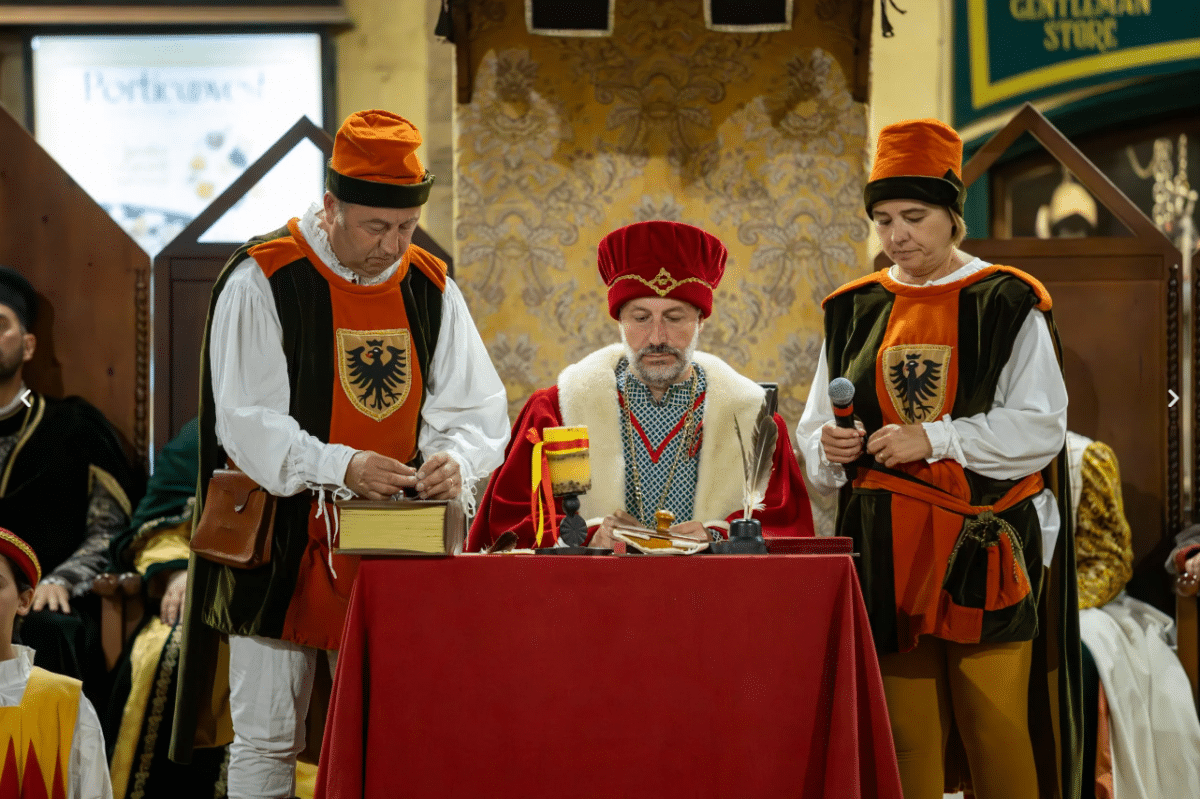
Foundational charters dating back to the late twelfth century provide indisputable written evidence of the ancient nature of these festivities. Neighboring castles and allied districts pledged annual tributes and ceremonial banners to honor the Assumption of the Virgin Mary, establishing an unbreakable bond. These early administrative texts outline the earliest iterations of civic duties, laying down the structural framework that modern organizers faithfully recreate today.
Scholars and historians study these foundational manuscripts to understand the complex socio-political dynamics of medieval Italian city-states. The documents reveal how civic pride and religious duty were inextricably linked under the governance of local authorities. Preserved in pristine archives, these charters serve as the beating heart of the festival, ensuring that every modern enactment remains strictly authentic to its origins.
Enjoy Your Event Stress-Free with Italy Travelo
Whether you're traveling for a world-famous festival, live concert, cultural celebration, or business event, Italy Travelo helps simplify every step of your journey. Our team provides personalized travel assistance, allowing you to focus on creating lasting memories.
- The earliest written mention of the foundational processional tribute dates officially back to the year 1182.
- Neighboring villages and subordinate municipalities were historically mandated to deliver yearly symbolic palios.
- The ancient Statuta Firmanorum codified the intricate rules and social structure of the civic celebration in 1382.
- Devotion to Santa Maria Assunta in Cielo served as both a spiritual anchor and a political statement.
- Master artisans and historic guilds originally financed and protected the grandeur of the early processions.
- Illuminated manuscripts from the fifteenth century visually capture the vivid colors and scale of the historic parades.
- The festival stands recognized as the absolute oldest historical horse race and reenactment event across Italy.
- Archival recovery projects continually unearth forgotten ledger notes detailing medieval costume expenses and rules.
- Local historians collaborate closely with universities to authenticate every single script, banner, and garment used.
- The historical continuity bridges the gap between modern spectators and the glorious medieval municipal era.
The Ten Contrade and Fierce Neighborhood Rivalries
The urban landscape of Fermo is uniquely divided into ten distinct districts known as contrade, which form the competitive foundation of the festival. Six of these historical entities reside directly within the medieval city walls, while the remaining four represent outer suburban territories. Each contrada operates under its own distinct leadership structure, complete with dedicated assemblies, administrative officers, and passionate community members.
Neighborhood rivalries run exceptionally deep, turning the weeks of the festival into an intense arena of community pride and athletic competition. Residents dedicate entire months to preparing elaborate costumes, rehearsing musical numbers, and training their athletes for the various games. These fierce rivalries are characterized by a healthy mix of historical animosity, passionate chanting, and an unyielding desire to claim ultimate victory.
The colors, coats of arms, and mottos of each contrada define their unique identity and are proudly displayed throughout the urban quarters. From the historic center alleys to the modern outskirts, neighborhood loyalty is passed down from generation to generation like an heirloom. Winning the coveted annual prize brings immense prestige, community bragging rights, and a profound sense of historical vindication to the victorious district.
- The ten participating contrade consist of six historic inner districts and four outer territorial zones.
- Each individual contrada is governed by a dedicated prior who oversees administrative and ceremonial duties.
- Distinct heraldic colors and symbolic coats of arms visually separate each neighborhood during events.
- Fierce historical rivalries motivate participants to invest countless hours into festival preparation.
- Community taverns open during the festival weeks, serving traditional local food and fostering unity.
- Youth groups and children within each contrada train rigorously to participate in junior category events.
- Neighborhood pride turns the city streets into vibrant patchworks of flags, banners, and decorations.
- Strategic alliances and historic feuds between districts heavily influence the atmosphere of the games.
- Winning the draped banner transforms the victorious neighborhood into a site of non-stop celebration.
Schedule & Programme
- Event Date: August 2027 (Dates TBD)
- Event Duration: Multi-week cultural and historical festival spanning several weeks leading up to mid-August
Visiting this event? Don’t miss out on these amazing activities and local experiences while you’re here.
The Palio Bareback Horse Race at Girfalco
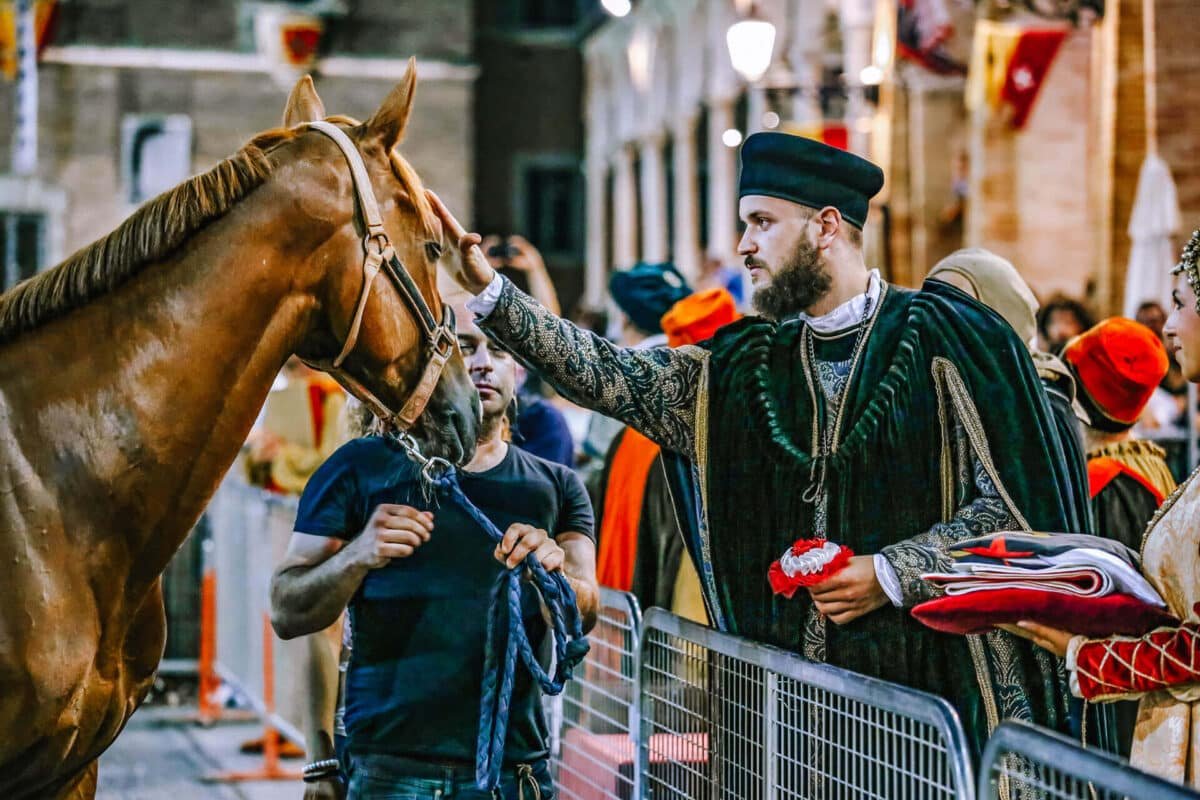
The climax of the festival centers around the thrilling bareback horse race, widely known simply as the Palio, held atop the Girfalco hill. Bold jockeys ride their horses completely bareback along a demanding, steep dirt track stretching across the scenic park grounds. The raw speed, physical intensity, and high stakes make this traditional race an electrifying experience for every spectator packed into the viewing enclosures.
Months of careful preparation precede the race, including the official assignment ceremony where horses are randomly drawn for each contrada. Jockeys must forge an immediate bond with their assigned mounts, balancing agility, control, and fearless determination under intense pressure. Safety protocols and veterinary checks are rigorously enforced to ensure the absolute well-being of the animals throughout all training and racing phases.
When the starting signal echoes across the hilltop, the crowd erupts into thunderous cheers as the horses thunder down the stretch. Victory is measured by fractions of a second, and crossing the finish line first secures eternal glory for the winning district. The triumphant contrada receives the painted silk banner, sparking emotional celebrations that continue deep into the Mediterranean night.
- The bareback horse race takes place on the scenic and historic Girfalco hilltop.
- Jockeys ride without saddles, requiring exceptional balance, skill, and physical endurance.
- Horses are officially assigned to the competing contrade via a public ceremonial drawing.
- Strict veterinary regulations protect the health and safety of every participating animal.
- The grueling dirt track tests both the stamina of the horses and the bravery of the riders.
- Thousands of passionate spectators pack the hillside viewing areas to watch the historic showdown.
- The winning contrada is awarded the prestigious painted silk banner as a symbol of supremacy.
- Post-race celebrations feature emotional singing, banner waving, and communal street banquets.
Admission
- How Tickets Are Sold: Tickets can be purchased in person at designated physical box offices including Fermo Museums, local partner tobacco shops, and the open-air theater box office, as well as on-site during event days.
- Admission Type: General admission and seated tickets are available for specific main events, historical parades, and the grand horse race competitions.
- Ticket Pricing: Ticket pricing ranges from a minimum of $7.00 for reduced entries up to a maximum of $14.00 for full-price standard grandstand seating options.
- Special Seating Options: Designated sector seating areas along the main historical pathways and race tracks provide optimal viewing angles for spectators and families.
- VIP Options: Special reserved viewing zones and hospitality packages offer premium sights of the Renaissance processions and ceremonial rituals.
Traditional Marche Banquets and Contrada Taverns
Culinary heritage takes center stage as traditional neighborhood taverns, known as hostarie, open their doors throughout the festival weeks. Food lovers can sample authentic local Marche recipes, including handmade pastas, spit-roasted meats, savory stuffed olives, and regional wines. These pop-up taverns recreate the communal feasting atmosphere of medieval times, welcoming locals and travelers alike.
Long communal wooden tables encourage lively conversations, laughter, and shared joy among people from diverse backgrounds. Costumed hosts and hostesses serve hearty dishes prepared from age-old secret recipes handed down through local families. The scent of roasting herbs and wood smoke drifts through the historic alleyways every single evening.
Beyond the pop-up taverns, formal historic banquets bring together civic leaders and nobility for multi-course Renaissance feasts. Entertainment during these dinners includes minstrel music, theatrical sketches, and poetic recitations matching historical accounts. These culinary gatherings ensure that the sense of taste and hospitality remains as rich as the visual elements of the festival.
- Temporary neighborhood taverns open across historical squares to serve authentic local cuisine.
- Menus feature traditional Marche specialties such as handmade pasta and local grilled meats.
- Communal wooden seating fosters a warm, social environment for visitors and residents.
- Recipes used in the kitchens follow strict historical regional culinary traditions.
- Regional wines from local hills complement the hearty dishes served each evening.
- Costumed waiting staff enhance the immersive medieval dining experience for guests.
- Formal historic banquets feature multi-course Renaissance menus for special ticket holders.
- Minstrel performances and acoustic troubadour music accompany the evening feasting activities.
Travel & Getting There
- City and Country: Fermo, Italy
- Venue Name: Historic Center of Fermo, Piazza del Popolo, and Girfalco Park
- Google Maps Address: Piazza del Popolo, 63822 Fermo FM, Italy
The Grand Historic Corteo Storico and Renaissance Costumes
The grand historical procession, known locally as the Corteo Storico, stands as one of the most visually stunning spectacles in all of Europe. Over a thousand participants dressed meticulously in hand-sewn Renaissance costumes march through the ancient streets. Nobles, knights, ladies, musicians, and civic authorities recreate a living tapestry of the city’s golden age with astonishing attention to historical detail.
Tailors and historical researchers spend countless hours studying Renaissance paintings, portraits, and tailoring guides to ensure complete authenticity. Fabrics such as heavy brocade, rich velvet, silk, and intricate lace are utilized to construct garments that mirror those worn by elite aristocracy. Every feather, metal buckle, embroidered emblem, and leather boot is crafted using traditional techniques passed down through generations.
As the procession winds its way from the lower churches up to the majestic cathedral square, the sound of marching drums fills the air. Spectators line the medieval stone pathways, completely immersed in an atmosphere that feels entirely detached from the modern world. This grand parade is not merely a costume display, but a synchronized chronological journey through the political and cultural hierarchy of Renaissance society.
- More than a thousand costumed characters participate in the grand historical procession.
- Costumes are meticulously crafted based on authentic Renaissance portraits and tailoring records.
- Luxurious fabrics like velvet, silk, and gold brocade dominate the wardrobe design.
- The parade route follows historic paths leading from lower gates to the hilltop cathedral.
- Noble lords, ladies-in-waiting, knights, and magistrates walk in strict accordance with historical rank.
- Artisan guilds display their traditional trade banners and professional emblems during the march.
- Specialized committees inspect every garment prior to the event to guarantee strict historical accuracy.
- The visual spectacle offers photographers and art lovers an unparalleled living museum experience.
- Elaborate floats and symbolic carts towed through the streets depict mythological and civic triumphs.
- Torches and lanterns illuminate the evening segments of the parade, creating a magical glow.
- The procession concludes with a formal assembly of all municipal and district authorities together.
The Ancient Tirassecco Crossbow Tournament
Ancient missile arts come alive during the festival through the traditional Tirassecco and archery tournaments hosted by the contrade. Skilled marksmen representing their respective neighborhoods test their steady hands and sharp focus using historical replica weapons. These competitions mirror the defensive military training required of citizens during medieval times when urban defense relied heavily on archery mastery.
The tournament grounds echo with intense concentration as archers draw their heavy wooden bows and take aim at distant targets. Spectators hold their breath as each arrow flies through the air, measuring scores with precision to determine individual and team rankings. Winning the archery trophy brings immense honor to the sharpshooter’s district, rivaling the prestige of the main horse race.
Historical accuracy remains paramount, with judges verifying that all equipment strictly matches documented medieval specifications and materials. Archers train year-round in local practice fields, perfecting their posture, breathing, and release techniques for this single annual showcase. The event highlights the martial sportsmanship that historically complemented the religious and civic aspects of the ancient festival.
- Archery competitions test the traditional marksmanship skills of representatives from each contrada.
- Participants use authentic replica weapons constructed according to historical medieval designs.
- Tournaments take place on designated historic fields and scenic park viewing locations.
- Judges strictly inspect all bows, strings, and arrows to ensure compliance with event rules.
- Scoring requires pinpoint precision as archers target distant bullseyes under competitive pressure.
- Dedicated training clubs operate within the neighborhoods throughout the entire year.
- Trophies awarded for archery excellence carry deep historical prestige among the districts.
- The competition format encourages camaraderie and mutual respect among rival marksmen.
- Spectator zones allow close viewing of the mental focus required for successful shooting.
- Historical narration educates the audience on the military history behind medieval archery units.
- Winners are celebrated alongside the jockeys during the ultimate festival victory ceremonies.
- The event successfully preserves ancient tactical traditions for modern educational appreciation.
Festival Guide
- Email: info@cavalcatadellassunta.it
- Phone Number: +39.0734.466714
- Website: https://cavalcatadellassunta.it/
Offering of the Candles and Cathedral Blessing Rituals
Deep spiritual devotion anchors the secular festivities through solemn religious rituals, most notably the traditional offering of the candles. Representatives from all ten contrade march into the metropolitan cathedral carrying massive, ornately decorated wax candles as a tribute to the patron saint. This ritual mirrors the exact devotional acts recorded in medieval church archives from nearly a thousand years ago.
The cathedral fills with solemn chants, ancient liturgical music, and the warm glow of flickering candlelight during the evening services. Church officials, dressed in elaborate vestments, bless the silk palio banner that will later be awarded to the winning district. This sacred blessing sanctifies the competitive spirit, reminding participants that the festival fundamentally honors the Assumption of the Virgin Mary.
The following morning features a grand pontifical mass attended by civic leaders, prior representatives, and costumed delegations in full regalia. Jockeys also gather on the cathedral churchyard to receive individual blessings and have their racing jackets blessed by clergy. These profound religious traditions maintain the unbroken spiritual thread linking modern festival-goers with their medieval ancestors.
- The offering of the candles is a sacred ritual dating back to early medieval church customs.
- Large, elaborately decorated wax tapers are carried into the cathedral by district representatives.
- High-ranking clergy members officiate solemn evening prayer services and liturgical readings.
- The official silk palio banner receives a formal blessing upon the cathedral altar.
- Pontifical morning masses bring together municipal authorities and costumed historical delegations.
- Jockeys and team leaders gather on the church steps for personalized spiritual blessings.
- Ancient choral music and Gregorian chants echo through the stone vaults of the sanctuary.
- The rituals reinforce the core religious purpose underlying the entire historical festival.
- Incense and candlelight create a deeply atmospheric environment for all attendees present.
- The blend of faith and civic pageantry defines the unique cultural identity of Fermo.
Marching Drummers, Flag-Throwers, and Herald Pageantry
Dynamic acoustic and visual displays fill the city streets through the expert performances of marching drummers and acrobatic flag-throwers. Squads of young athletes toss vibrant silk flags high into the air, executing complex choreography synchronized to booming drumbeats. Their precise timing and athletic dexterity create breathtaking patterns that captivate audiences in every public square.
The sound of marching drums serves as the auditory heartbeat of the festival, announcing the arrival of parades and competitions. Dedicated trophy competitions, such as the Golden Rooster and Banner in the Wind events, allow musical and flag-waving squads to compete fiercely for independent glory. Drummers utilize traditional snare techniques to produce thunderous rhythms that echo off ancient stone walls.
Heralds dressed in striking tunics read official proclamations aloud at historic street corners, setting a regal tone for the proceedings. These performances demand years of rigorous athletic training, teamwork, and absolute coordination among team members. The colorful spectacle of spinning flags against medieval architectural backdrops provides unforgettable imagery for festival visitors.
- Acrobatic flag-throwers execute complex aerial routines with vibrant silk district banners.
- Marching drum squads provide the powerful acoustic rhythm that guides the historic parades.
- Special competitive tournaments evaluate the technical skill of musicians and flag-wavers.
- Heralds deliver official festival proclamations dressed in authentic medieval court attire.
- Performers train year-round to master difficult catching and tossing choreography patterns.
- Costumes worn by the musical groups feature contrasting contrada colors and heraldic emblems.
- Public squares transform into open-air stages for spontaneous and scheduled musical showcases.
- The rhythmic drumming builds intense excitement right before the start of major races.
- Youth academies teach traditional drumming and flag techniques to the next generation.
Video
Location
FAQ
What is the primary historical significance of the Cavalcata dell'Assunta festival?
The festival represents the oldest documented historical reenactment and civic horse race across Italy, rooted in ancient traditions. Archival records verify that its foundational processional tributes date back uninterruptedly to the late twelfth century. It successfully preserves medieval municipal customs, religious devotion, and community identity to this modern day.
How are the competing neighborhoods or contrade structured during the event?
Fermo is divided into ten distinct contrade, comprising six historic center districts and four outer suburban territories. Each neighborhood operates under an elected leader known as a prior and maintains its own unique heraldic colors. These districts compete fiercely in games, pageantry, and athletic events throughout the multi-week celebration.
What activities take place during the grand historic procession?
Over a thousand participants clad in meticulous hand-sewn Renaissance costumes march through the ancient stone streets. Noble lords, ladies, musicians, heralds, and artisan guilds recreate the chronological hierarchy of the city's golden age. The procession moves from lower historical checkpoints up to the hilltop cathedral square in stunning visual splendor.
Can visitors experience traditional local food during the festival weeks?
Visitors can enjoy authentic regional culinary heritage through pop-up neighborhood taverns operating across the city squares. These taverns serve traditional Marche dishes, handmade pasta, local grilled meats, and regional wines in communal settings. Formal historic banquets also recreate multi-course Renaissance dining experiences complete with minstrel music.
What safety and regulatory measures govern the bareback horse race?
The climax bareback horse race held on the Girfalco hill is strictly regulated by comprehensive animal welfare protocols. Independent veterinary teams conduct thorough medical examinations on every participating horse before and after training sessions. Jockeys and track layouts also undergo rigorous safety checks to ensure a secure and fair competition.

Leave a Reply