
-
November 11, 2026
Event date:
-
November 15, 2026
Event end:
What to expect in 2026
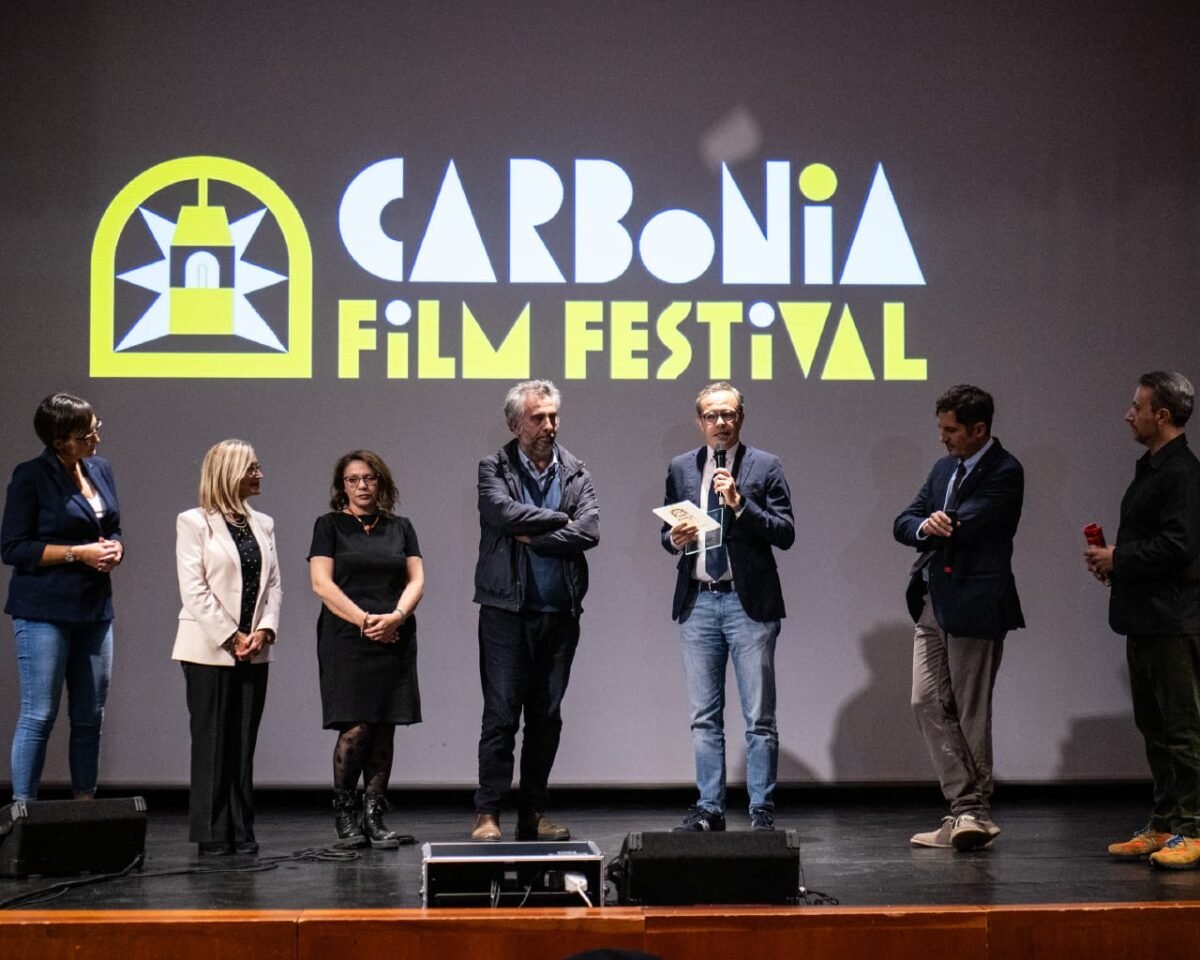
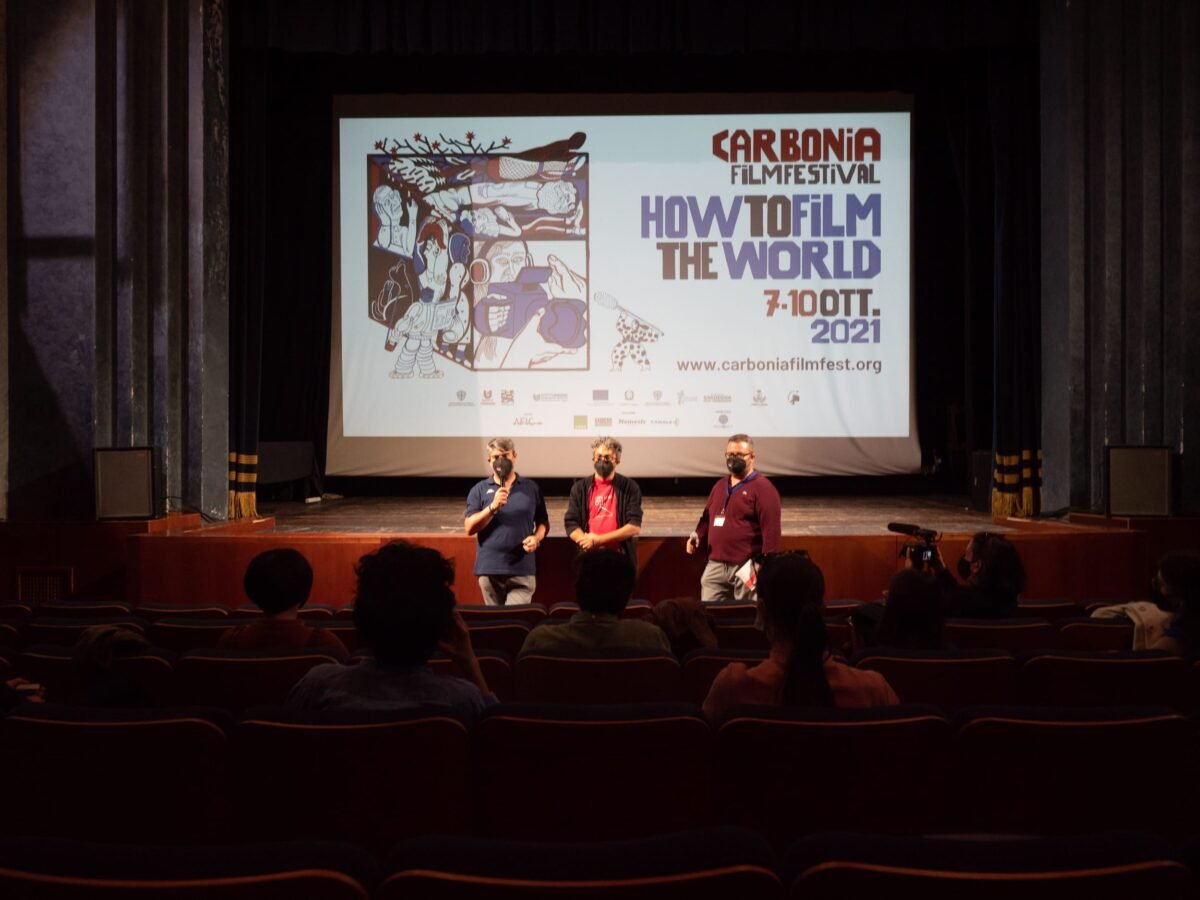
Carbonia Film Festival 2026 will bring five days of cinema, meetings and new visions to Carbonia in Sardinia. The festival has developed from the earlier Mediterraneo Film Festival and, since becoming Carbonia Film Festival in 2016, has combined an international film competition with special events, masterclasses, workshops, panels, school screenings, concerts and exhibitions.
The festival is closely connected with the Fabbrica del Cinema, a cultural and educational project of Società Umanitaria and CSC Carbonia focused on audiovisual heritage, cinema education and new documentary and fiction languages. Its programme regularly connects contemporary cinema with the social, cultural and industrial history of Carbonia and the Sulcis-Iglesiente area.
The 2026 edition is scheduled to continue this approach with screenings, meetings and special activities. The complete 2026 programme has not yet been published, so individual films, guests and screening times should be treated as pending official announcement.
Enjoy Your Event Stress-Free with Italy Travelo
Whether you're traveling for a world-famous festival, live concert, cultural celebration, or business event, Italy Travelo helps simplify every step of your journey. Our team provides personalized travel assistance, allowing you to focus on creating lasting memories.
Festival dates
Carbonia Film Festival 2026 will take place from November 11–15, 2026, in Carbonia, Sardinia, Italy. The official festival website currently confirms the five-day edition.
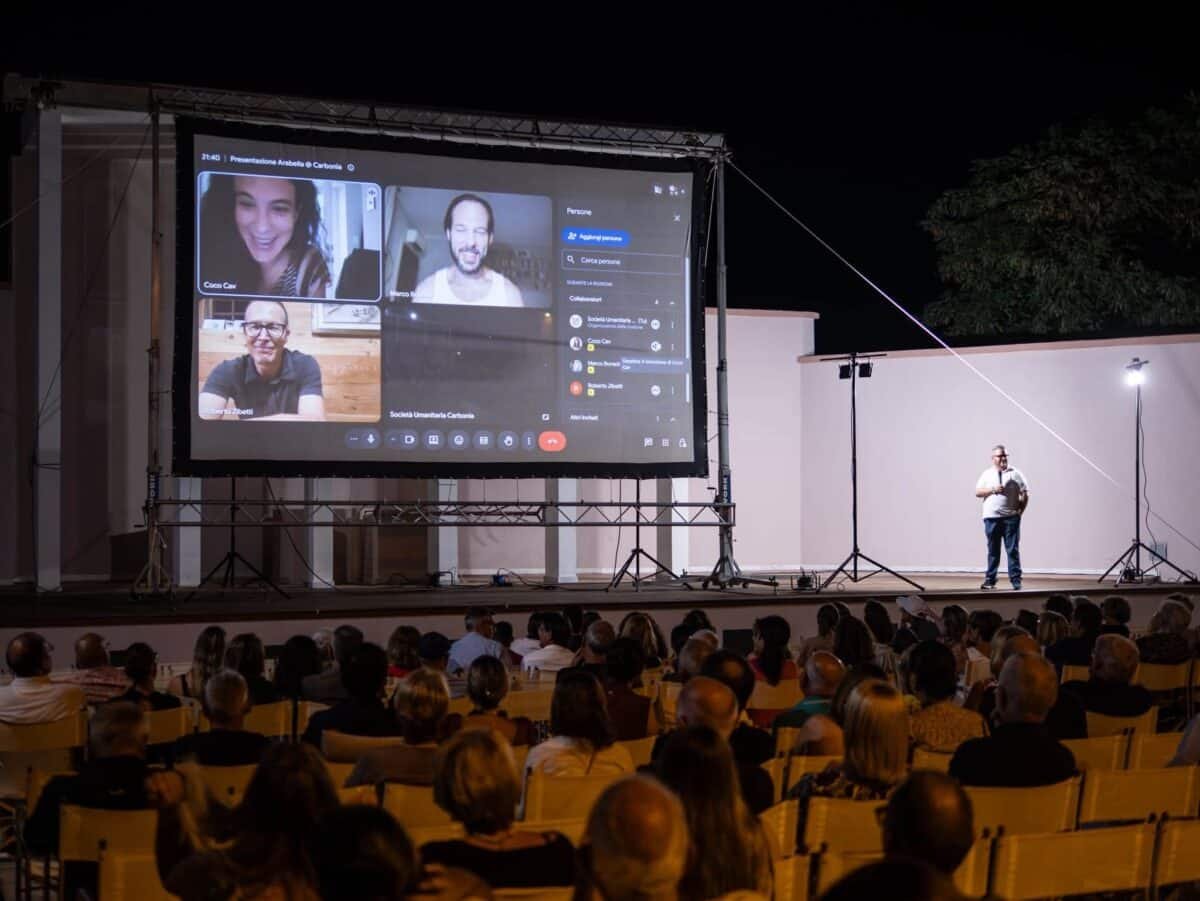
The festival also traditionally presents a summer preview connected with its outdoor cinema programme. In 2026, an advance screening of Carolina Cavalli’s Il Rapimento di Arabella was presented at the Arena Mirastelle del Cine-Teatro Centrale, with free admission and a meeting with the director.
Visiting this event? Don’t miss out on these amazing activities and local experiences while you’re here.
Venues & festival locations
The Cine-Teatro Centrale in Piazza Roma is one of the principal public cinema locations in Carbonia and has hosted major festival screenings and meetings. Its outdoor Arena Mirastelle is also used for summer cinema activities and festival previews.
The Fabbrica del Cinema is another central festival hub. Its Sala Fabio Masala has hosted screenings, masterclasses, meetings and professional activities during previous editions.
Other locations and festival-related spaces can include:
- Piazza Roma and the Arena Mirastelle
- Fabbrica del Cinema
- Sala Fabio Masala
- Cultural spaces around Carbonia
- Outdoor locations used for special events
- Locations connected with the Grande Miniera di Serbariu and the city’s industrial heritage
The precise 2026 venue allocation will be confirmed through the official programme.
Full programme
The 2026 programme is expected to combine the festival’s international competition with a broad selection of cultural and educational activities.
Recent editions have included:
- International feature-film competitions
- Short films and documentary cinema
- Italian cinema
- Sardinian cinema and filmmakers
- International guest presentations
- Special screenings
- Masterclasses
- Workshops
- School screenings
- Carbonia Cinema Giovani activities
- Cinema and territory projects
- Panels and public conversations
- Music events and concerts
- Exhibitions and audiovisual installations
- Archive and memory projects
- Special outdoor screenings
The festival’s current programme page is organised across five festival days, although the individual 2026 programme entries are not yet fully available.
Featured films & premieres
The 2026 film selection has not yet been officially announced. The festival’s recent programming provides a useful indication of the range of cinema audiences can expect, with contemporary Italian and international films, documentaries, short films and works connected to Sardinian culture.
The 2025 edition included films such as Paternal Leave, Le bambine, Le città di pianura, Testa o croce?, Orfeo, La valle dei sorrisi, Gli uccelli del Monte Qaf, Il castello indistruttibile, Su cane est su miu, Erika, Farah and Oplà.
The festival also presented Mnemotheque, an immersive audiovisual installation by Giorgio Ferrero using family-film archives from Carbonia and the regional project La tua memoria è la nostra storia.
The 2026 catalogue should identify the official competition titles, premieres, special screenings and films accompanied by filmmakers or cast members.
Directors, actors & guests
Carbonia Film Festival has a long record of inviting filmmakers, actors, producers, artists and cultural professionals to meet audiences. The official festival archive lists past guests including Laurent Cantet, Claire Simon, Alexander Nanau, Jacopo Quadri, Milad Tangshir, Francesco Costabile, Alessandro Cassigoli, Casey Kauffman, Federica Di Giacomo, Soudade Kaadan, Paolo Pisanu, Salvatore Mereu and many other directors.
Actors who have appeared at the festival over the years include Massimiliano Caiazzo, Dominique Donnarumma, Alessandro Borghi, Vinicio Marchioni, Valentina Carnelutti, Riccardo Scamarcio, Valerio Mastandrea, Isabella Ragonese, Claudia Gerini and Ivano Marescotti.
The 2025 edition featured guests including Firouzeh Khosrovani, Alissa Jung, Letizia Dessì, Giorgio Ferrero, Salvatore Mereu, Giulia Camba, Romana Maggiora Vergano, Pierpaolo Capovilla, Luca Vergoni, Gianluca Matarrese and others.
The 2026 guest list will be published as the programme is finalised.
Screening schedule
The detailed 2026 screening schedule has not yet been released.
The festival normally distributes screenings across several days, with daytime activities including school programmes, masterclasses and professional meetings and evening sessions dedicated to feature films, special screenings and public events.
Previous schedules have included films followed by director or cast discussions, dedicated Sardinian cinema sections and screenings at both the Cine-Teatro Centrale and Fabbrica del Cinema.
Once published, the official schedule should provide:
- Film title
- Screening time
- Venue
- Competition or programme section
- Guest information
- Meeting or Q&A details
- Special-event information
Ticket types & accreditation
The festival has generally emphasised accessible public cinema programming, with many activities offered free of charge or through free reservation. For example, the 2026 summer preview of Il Rapimento di Arabella was officially listed with free admission.
Previous festival programming has also used free tickets for selected screenings when venue capacity required controlled admission. A previous Piano Piano screening, for example, required visitors to collect a free ticket from the Cine-Teatro Centrale box office.
For the 2026 main festival, a definitive public ticketing structure has not yet been announced. No reliable paid ticket price is currently available to convert into USD.
Potential access categories may include:
- General public admission
- Free or reservation-based screenings
- Free tickets for selected high-demand events
- School and youth participation
- Festival guest accreditation
- Professional accreditation
Industry & professional access
Professional development has been part of Carbonia Film Festival since its international programme was established. The festival has organised masterclasses, workshops and meetings for filmmakers, students, young professionals and audiences interested in audiovisual production.
The Carbonia Cinema Giovani programme has provided training opportunities for emerging filmmakers. Earlier editions included workshops and filmmaking residencies developed with partners such as Fondazione Sardegna Film Commission and UCCA.
The festival has also previously hosted masterclasses with established professionals such as director Claire Simon, editor Jacopo Quadri and festival director Francesco Giai Via.
The 2026 professional programme and accreditation procedure have not yet been published.
Red carpet & special events
Carbonia Film Festival is not primarily a celebrity red-carpet event; its identity is centred on auteur cinema, social themes, international perspectives, local filmmaking and dialogue with audiences.
Special events can nevertheless include opening and closing celebrations, guest presentations, concerts, exhibitions, immersive installations and screenings accompanied by filmmakers and actors.
The 2025 edition concluded with a special performance by Francesco Bianconi, accompanied by pianist Alberto Bazzoli, combining music and conversation with the festival’s artistic director.
The festival has also used artistic projects to create lasting connections with the city. In 2025, illustrator and artist Camilla Falsini created a permanent mural on a school building as part of the festival’s visual identity and community legacy.
Festival rules
Carbonia Film Festival’s international competition is supported by additional programmes covering special events, educational cinema, workshops and professional activities. The competition and submission requirements are governed by edition-specific regulations.
Recent programming has included feature films, documentaries, short films and works from emerging filmmakers. The festival also gives particular attention to cinema connected with Sardinia and the Sulcis-Iglesiente territory.
The Carbonia Cinema Giovani activities provide a separate educational pathway for young filmmakers and students, while school screenings introduce younger audiences to documentary and fiction cinema.
Filmmakers planning to submit work for 2026 should consult the official regulations for eligibility, premiere conditions, technical requirements, submission deadlines and screening rights.
How to get there
Carbonia is located in southwestern Sardinia in the Sulcis-Iglesiente area.
The principal international gateway is Cagliari Elmas Airport, approximately an hour by road from Carbonia depending on traffic and route.
Visitors arriving from Cagliari can travel southwest by road toward Carbonia. Rental cars are useful for visitors who also want to explore the surrounding Sulcis area, while regional public transport provides an alternative for travellers staying within the main towns.
Carbonia’s festival venues are concentrated around the city centre and can generally be combined with walking once visitors arrive in the main festival area.
Public transport & parking
Carbonia is served by regional bus connections linking it with Cagliari and other towns in southern Sardinia.
The city’s railway station provides rail connections toward Cagliari and other parts of the Sardinian network, although visitors should check current services before travelling because schedules can vary.
For drivers, central Carbonia provides street parking and public parking areas around the main cultural venues. On busy festival evenings, arriving early is advisable, particularly when popular films or guest appearances are scheduled.
For outdoor events at the Arena Mirastelle and other locations, visitors should follow the specific access instructions published with the event.
Accommodation areas
Staying in central Carbonia is convenient for festival visitors because many activities take place around Piazza Roma and the central cultural facilities.
Useful accommodation areas include:
- Carbonia city centre for convenient access to festival venues
- Near Piazza Roma for walking access to the Cine-Teatro Centrale
- Serbariu for visitors interested in the mining heritage area
- Iglesias for a wider choice of accommodation and dining
- Sant’Antioco for visitors combining the festival with coastal tourism
- Portoscuso for visitors who want to stay near the coast
Visitors staying outside Carbonia should consider renting a car, especially if they plan to attend evening screenings or explore the wider Sulcis-Iglesiente region.
Food & dining
Carbonia has a selection of Sardinian restaurants, pizzerias, cafés, bakeries and casual dining venues around the historic centre and main residential areas.
Visitors can use the festival as an opportunity to sample local Sardinian cuisine, including culurgiones, malloreddus, fregola, pane carasau, local cheeses, cured meats and seafood from the surrounding Sulcis coast.
For a wider choice of restaurants, visitors can also consider nearby Iglesias, Sant’Antioco and coastal towns.
The festival’s central locations make it practical to combine afternoon screenings with an evening meal before returning for later cinema or special events.
Accessibility
The festival works through established cultural venues in Carbonia, including the Cine-Teatro Centrale and Fabbrica del Cinema. Accessibility can vary according to the individual venue and event configuration.
Visitors who require wheelchair access, accessible seating or other assistance should contact the festival in advance so that arrangements can be confirmed for the specific screening or activity.
School, youth and community participation is an important part of the festival’s work, and its educational programmes are designed to broaden access to cinema and audiovisual culture.
The 2026 programme should provide more detailed accessibility information once the individual venues and events are confirmed.
Best screenings to attend
The best screenings depend on whether visitors are primarily interested in international cinema, Italian filmmaking, Sardinian stories or meetings with filmmakers.
For contemporary Italian cinema: Look for the main competition and new Italian feature films, which form a central part of the festival’s programme.
For Sardinian cinema: Follow the dedicated Sardinian projects and films by filmmakers connected with the island. These programmes often provide a strong connection between cinema, landscape, memory and local communities.
For documentary cinema: Documentary and socially engaged films are particularly well represented within the festival’s history and programming.
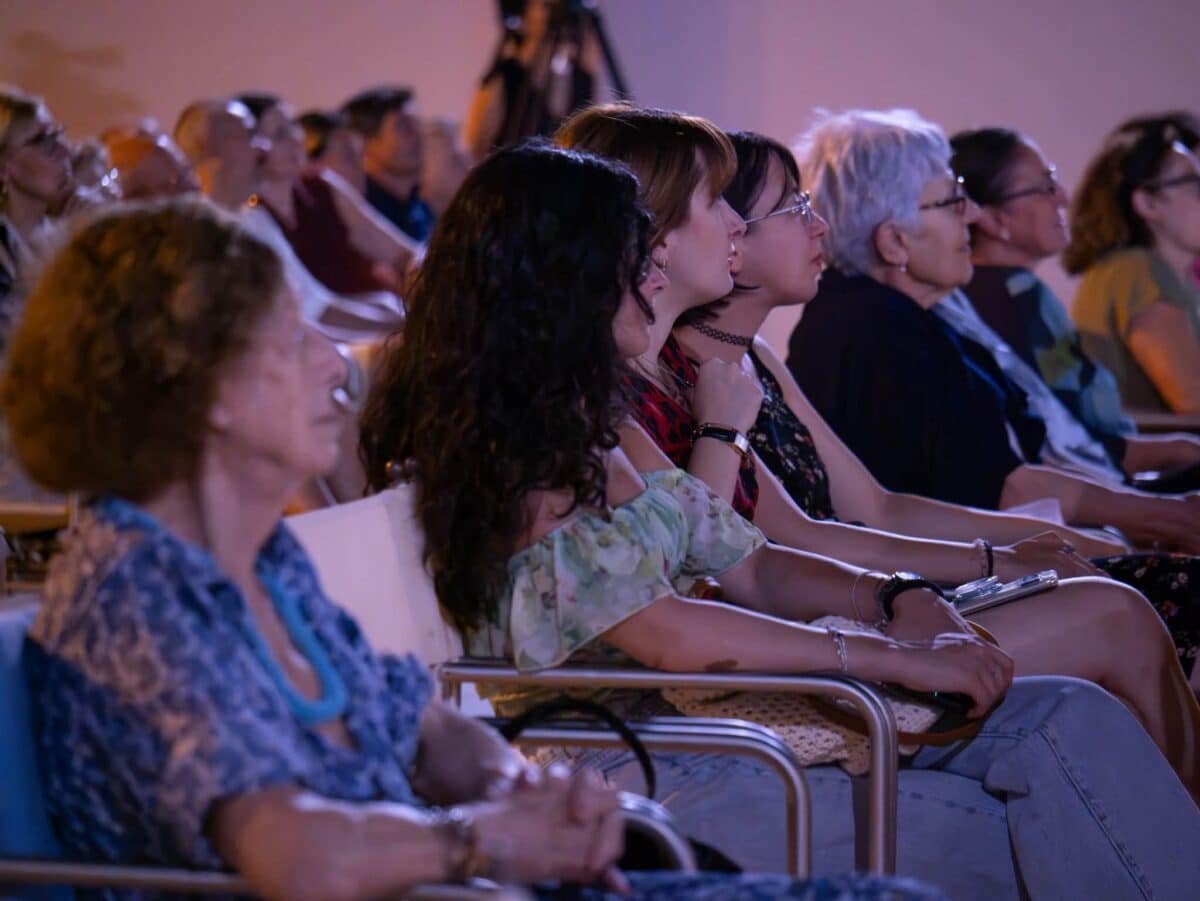
For filmmaker discussions: Choose screenings followed by meetings with directors, actors or producers to experience the festival’s conversational side.
For younger audiences: Carbonia Cinema Giovani and school-oriented activities provide dedicated opportunities for students and emerging filmmakers.
Previous year’s highlights
The 2025 edition marked the festival’s tenth edition and presented an international programme combining competition films, special events, guests and audiovisual installations.
The main competition included five films: Orfeo by Virgilio Villoresi, Paternal Leave by Alissa Jung, Le bambine by Nicole and Valentina Bertani, Le città di pianura by Francesco Sossai and Testa o croce? by Alessio Rigo De Righi and Matteo Zoppis. The audience selected the winner of the CFF10 public award, while the Carbonia Cinema Giovani programme had its own youth award.
International filmmaker Firouzeh Khosrovani was a major guest, with Radiograph of a Family and Gli uccelli del Monte Qaf presented alongside opportunities for audience discussion.
Other notable guests included Alissa Jung, Romana Maggiora Vergano, Pierpaolo Capovilla, Luca Vergoni, Gianluca Matarrese, Salvatore Mereu, Giulia Camba and other Sardinian and Italian filmmakers.
The festival also presented Mnemotheque, an immersive installation by Giorgio Ferrero built from audiovisual memories of Carbonia, while Camilla Falsini created a permanent mural for the city.
Official tickets & accreditation
The official Carbonia Film Festival website is the primary source for the 2026 programme, public access information, tickets, reservations and accreditation.
The festival currently confirms the November 11–15, 2026 edition but has not yet published a complete 2026 ticketing and accreditation schedule.
Festival phone: +39 0781 671527
Festival email: info@carboniafilmfest.org
Festival organisation: Società Umanitaria – CSC Carbonia, Grande Miniera di Serbariu, 09013 Carbonia, Italy
Home Post Evento
Location
FAQ
What is the official policy regarding professional photography equipment inside the festival arenas?
Professional cameras with detachable telephoto lenses and video recording gear require prior press accreditation approval issued by the media office. Standard pocket digital cameras and modern smartphones are fully permitted for capturing personal memories during performances. Flash photography is strictly discouraged near the front barrier zones as it can distract performing artists on stage.
Are campfires and open flames permitted within the Catton Park campground areas?
Open campfires, ground-level fire pits, and unauthorized solid-fuel burning devices are strictly prohibited across all camping fields for safety reasons. Attendees may use raised, self-contained gas camping stoves equipped with certified safety valves for cooking food. All cooking equipment must be operated at a safe distance from tent canvas and flammable materials.
What medical assistance services are available on site in case of an emergency?
Fully equipped medical response centers staffed by certified emergency doctors and paramedics operate 24 hours a day throughout the weekend. Smaller first aid posts are also stationed strategically inside the campground lanes and arena perimeters for rapid minor injury treatment. Attendees can alert any security guard, steward, or staff member to summon immediate medical assistance to their exact location.
Can I bring my own food and alcoholic beverages into the main arena stages?
Personal food items and soft drinks in plastic bottles are allowed inside the general campground areas but are restricted at the main arena entry gates. Alcoholic beverages purchased outside the licensed bars cannot be brought into the main arena performance spaces due to licensing laws. A wide variety of affordable food traders and licensed bars operate continuously within the arena grounds.
What provisions are in place for charging mobile phones and electronic devices?
Secure mobile phone charging hubs operating on solar and generator power are located conveniently within the main marketplace and campground sectors. Visitors can purchase multi-day charging passes or rent portable battery power banks to keep their communication devices active throughout the event. Staff members at the information kiosks can also direct visitors to emergency charging outlets if required.

Leave a Reply