
Qué esperar
Salerno’s international festival of cinema, literature, performing art and music: Linea d’Ombra Festival is an international film and audiovisual festival conceived and promoted by SalernoInFestival Association Ente del Terzo Settore, supported by the Ministry of Culture, the Campania Region and the Municipality of Salerno. The first edition, called SalernoFilmFestival, was held from January 25–28, 1996, produced by the Municipality of Salerno and the Giffoni Film Festival, as natural evolution of a section of Giffoni Film Festival entitled Padri e Figli and collecting inheritance of a previous section entitled problems of young people in contemporary filmmaking by Domenico Meccoli. Since then it has grown into an event characterized by strong youth focus and cross-disciplinary programming.
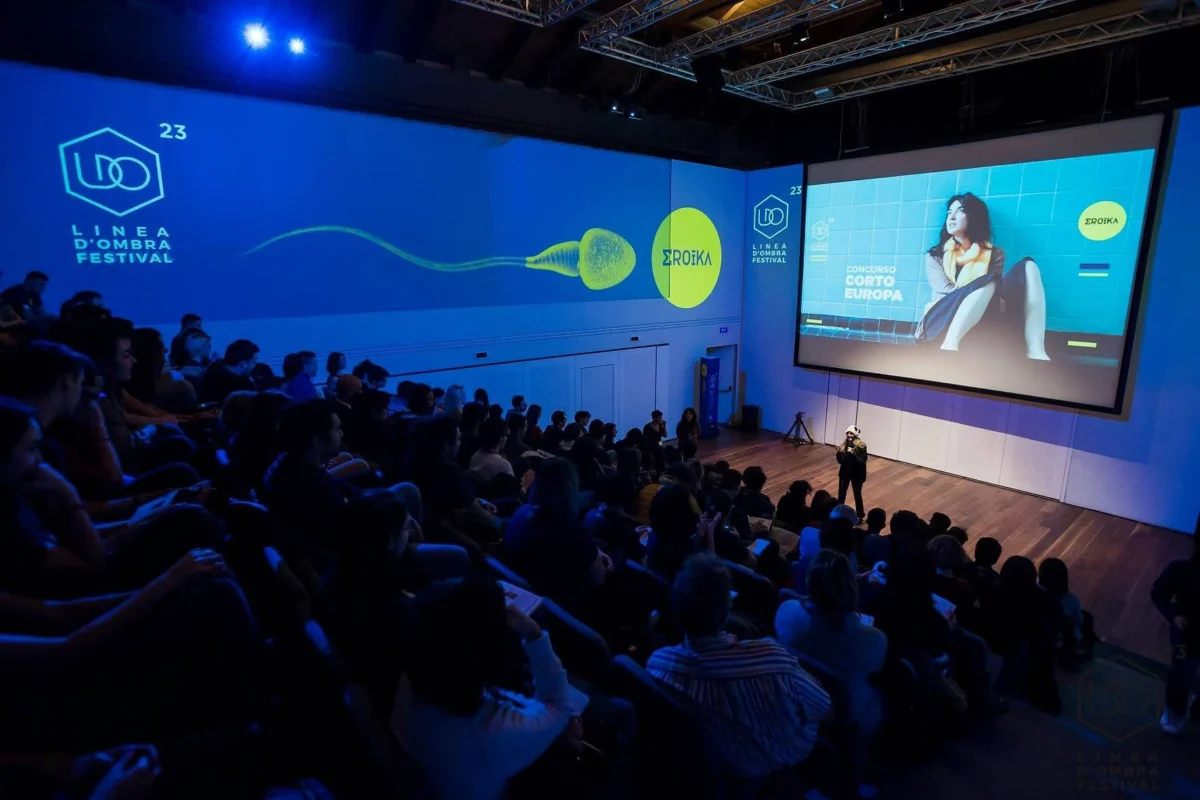
A next-gen platform for festival lovers: Linea d’Ombra is described as a next-gen platform for festival lovers, with competitive sections dedicated to European shorts, vertical cinema, animation and youth culture. The festival aims to publicize independent, innovative audiovisual works that reflect contemporary youth issues, social transformations and new languages. Events take place in historic venues in Salerno’s centre, creating an intimate urban festival where screenings, literature meetings, performing art and music intersect.
International scope with local roots: Supported with contributions from public and private entities, associations, foundations and sponsors, the festival maintains strong ties with Giffoni heritage while asserting its own identity as Festival Culture Giovani. It combines film screenings with literary presentations, live performances and music events, transforming Salerno into a laboratory for young creativity.
Disfruta de tu evento sin estrés con Italy Travelo
Tanto si viajas para un festival de fama mundial, concierto en vivo, celebración cultural o evento de negocios, Italy Travelo te ayuda a simplificar cada paso de tu viaje. Nuestro equipo ofrece asistencia personalizada para viajar, permitiéndote centrarte en crear recuerdos duraderos.
Fechas del festival
Festival window: Noviembre de 2027 (Fechas por determinar)
Duración: Six days of screenings and events, typically running from early to mid-month, with daytime industry meetings and evening public screenings.
Historical timeline: The festival has evolved from a January event in 1996 to an autumn festival, with recent editions held from late October to mid-November, reflecting its adaptation to academic calendar and cultural tourism.
¿Vas a visitar este evento? No te pierdas estas increíbles actividades y experiencias locales mientras estés aquí.
Sedes y lugares del festival
Sala Pier Paolo Pasolini: The main venue is Sala Pier Paolo Pasolini, the historic art-house cinema in Salerno, located in the city centre, equipped with digital projection and hosting competition screenings, special events and award ceremonies. This venue is listed as primary location for the XXXI edition.
Diffuse city venues: Additional venues include municipal halls, cultural centers, libraries and outdoor spaces in Salerno’s historic centre and waterfront, such as Teatro Verdi, Palazzo di Città and university halls, which host literature meetings, performing art shows and music concerts.
Salerno historic centre: The festival leverages Salerno’s medieval streets, Lungomare and cultural institutions, creating a walkable circuit where audiences move between screenings and collateral events, with bars and restaurants serving as informal meeting points.
Giffoni connection and regional network: As natural evolution of Giffoni Film Festival section, the festival maintains collaborations with Giffoni and other Campania cultural institutions, extending screenings to nearby towns and schools.
Programa completo
Competition sections: The program includes multiple competitive sections: CortoEuropa for short films in digital format with maximum duration 20 minutes produced in Europe in two-year period, VedoVerticale for short films of any genre with maximum duration 5 minutes conceived and made in 9:16 vertical format, animation section for animated short films made with different techniques up to 20 minutes, and other sections for youth culture and experimental works.
Screenings and Q&As: Selected films are screened in digital format, followed by Q&As with directors, critics and youth jury members. Screenings are curated to highlight European production and innovative languages.
Literature, performing art and music: As festival of cinema, literature, performing art and music, the program includes book presentations, theater performances, dance shows and concerts that complement film screenings and address themes of youth culture.
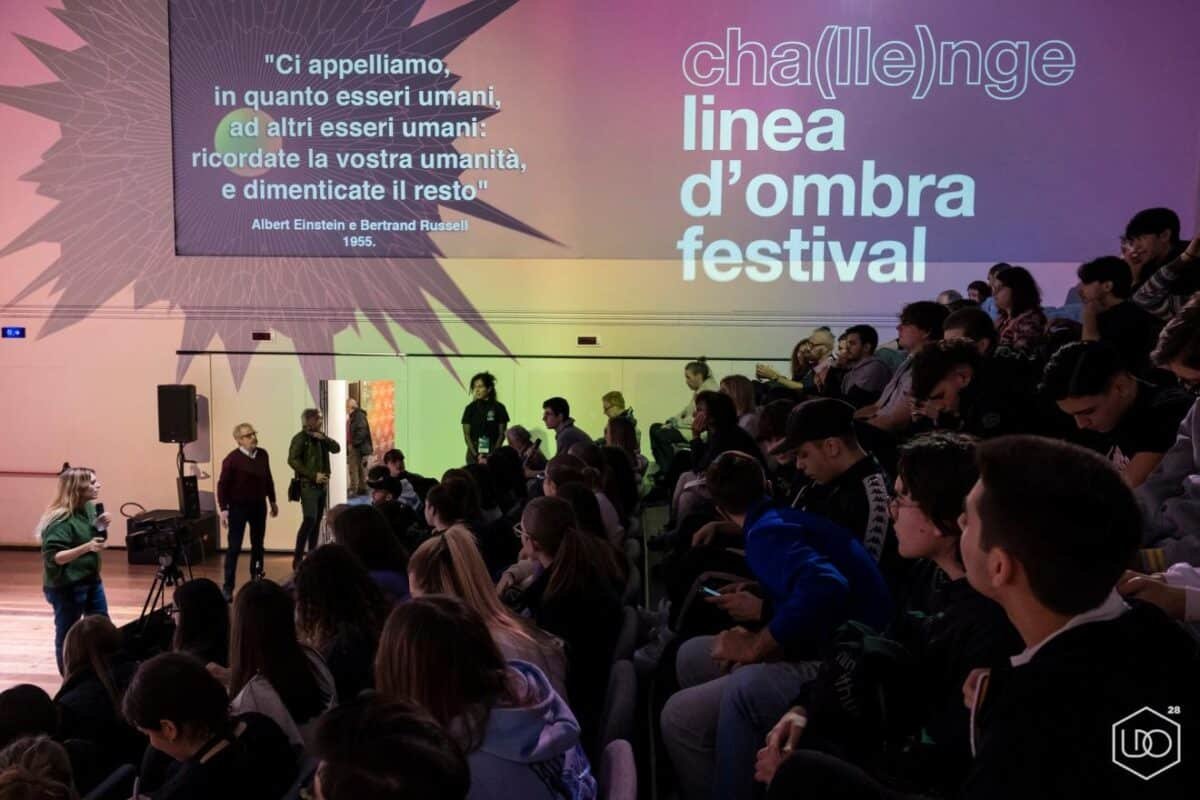
Workshops and educational events: Workshops for schools, masterclasses with filmmakers and meetings with authors provide educational opportunities, with focus on media literacy and creative production for young audiences.
Películas destacadas y estrenos
European short film panorama: Featured films include short films in digital format up to 20 minutes produced in Europe, showcasing diverse genres, from fiction to documentary, animation and experimental, with emphasis on youth perspectives and contemporary social issues.
Vertical cinema innovation: VedoVerticale section showcases vertical films up to 5 minutes, exploring new aesthetic possibilities of smartphone cinema and social media storytelling, reflecting festival’s next-gen orientation.
Animation and youth culture: Animated short films made with different techniques up to 20 minutes highlight innovative visual storytelling, while youth culture sections address problems of young people in contemporary filmmaking, continuing the legacy of original Giffoni section.
Premieres and special screenings: Many films have their Italian premiere at Linea d’Ombra, with special screenings of works that have previously screened at other European festivals, offering audiences early access to emerging European talent.
Directores, actores e invitados
Emerging European directors: Guests include emerging directors from across Europe who attend screenings and participate in Q&As, often presenting their first or second short films and engaging with youth jury.
Youth jury and critics: A youth jury composed of students and young cinephiles evaluates competition sections, while professional juries of journalists and film experts award prizes for best short, best animation and special mentions.
Literary and performing artists: Authors, performers and musicians participate in collateral events, presenting books, theater pieces and concerts that intersect with film themes, creating interdisciplinary dialogue.
Giffoni heritage guests: Filmmakers and cultural operators linked to Giffoni Film Festival heritage regularly attend, reinforcing historical connection and providing mentorship for young participants.
Calendario de proyecciones
Daily structure: Screenings are typically scheduled in afternoon and evening blocks, with two to three competition programs per day at Sala Pier Paolo Pasolini, each including introduction and Q&A.
Thematic blocks: Screenings are grouped by competition section, such as CortoEuropa, VedoVerticale and animation, allowing audiences to follow specific interests across multiple days.
Literature and performance slots: Morning and early afternoon slots are often reserved for literature meetings, workshops and performing art shows, while prime evening slots feature main competition screenings and special events.
Ceremonia de entrega de premios: Final day includes awards ceremony with prizes for best films in each section, followed by closing film and celebration in historic centre.
Tipos de entradas y acreditaciones
Paying entrance: Based on official listings, entrance is paying, with ticket price for screenings at Sala Pier Paolo Pasolini at approximately $6.50 USD to $8.67 USD per screening, based on previous editions listing similar arthouse cinema rates. Online purchase may include small commission.
Free events and collateral screenings: Many collateral events, including literature meetings, performing art shows and some outdoor screenings, offer free entry, open to public without ticket.
Festival pass and accreditation: Festival pass covering all screenings has been offered in past editions at approximately $32.52 USD to $43.40 USD, providing savings for dedicated attendees. Press and professional accreditation is available for journalists, filmmakers and students.
Submission fees: For filmmakers submitting works, entry fees vary by section and deadline, typically ranging from approximately $10.85 USD to $32.52 USD, reflecting standard practice for covering selection costs.
Acceso para empresas y profesionales
SalernoInFestival association: The organizing association acts as industry hub, connecting independent filmmakers with Municipality of Salerno, Campania Region and Ministry of Culture for funding and distribution advice.
European networking: As international festival of cinema and audiovisual, Linea d’Ombra facilitates networking between European filmmakers, distributors and festival programmers, with focus on short film circulation.
Educational partnerships: Partnerships with schools, universities and Giffoni Film Festival provide educational screenings and masterclasses for students, fostering next generation of filmmakers and critics.
Funding and support: Support from public and private entities, associations, foundations and sponsors provides funding for organizational costs, awards and guest hospitality.
Alfombra roja y eventos especiales
Urban red carpet: Instead of traditional red carpet, the festival’s red carpet is the streets of Salerno’s historic centre, where guests walk among audience members, creating democratic and intimate atmosphere.
Actos de inauguración y clausura: Opening night includes presentation of program, jury and guests, followed by first competition screening. Closing night features awards ceremony and closing film, often followed by informal gathering.
Literature and music events: Special events include book presentations, theater performances and concerts that complement film screenings and address themes of youth culture and contemporary society.
Vertical cinema showcases: Special showcases of VedoVerticale vertical films explore new formats and social media aesthetics, often accompanied by live music or performances.
Normas del festival
Eligibility and format: Films must be in digital format with maximum duration 20 minutes for CortoEuropa and similar sections, 5 minutes for VedoVerticale, produced within two-year period for European sections. Films must address themes relevant to youth culture and contemporary society.
Submission and selection: Films are selected by selection committee appointed by festival, with decisions final. Maximum of 20 digital short films may be selected per section. Submission implies acceptance of regulations and authorization for screening during event.
Copyright and promotional use: Participants authorize use of photographs and excerpts up to three minutes for press and promotional purposes. Screening and music copyright remain author’s responsibility.
Conduct and respect: Audience must respect venue rules, silence mobile phones during screenings, avoid recording without permission and follow staff instructions for safety in historic venues.
Cómo llegar
En tren: Salerno railway station is served by high-speed and regional trains from Naples, Rome, Florence and Milan. From station, Sala Pier Paolo Pasolini and other venues are reachable by bus or 15-minute walk through historic centre.
En autobús: BusItalia Campania and Sita Sud operate urban and extra-urban lines connecting Salerno, nearby towns and festival venues, with frequent services during festival period.
En coche: Salerno is accessible via A3 motorway with exits at Salerno and Salerno Centro. Parking areas are available near historic centre, with paid parking and limited traffic zones to consider.
Por aire: Nearest airports are Naples Capodichino and Salerno Costa d’Amalfi, both offering bus and train connections to Salerno, with Naples airport connected via direct bus to Salerno in approximately one hour.
Transporte público y aparcamiento
Local public transport: BusItalia Campania buses provide comprehensive coverage of Salerno city, with tickets available at automatic machines, tobacco shops and via mobility apps. Festival period sees increased frequency to handle visitors.
Parking facilities: Public parking near historic centre includes multi-storey garages such as Parcheggio Piazza della Concordia, Parcheggio Via Vinciprova and street parking along Lungomare, with reserved spaces for visitors with reduced mobility near venues.
Sustainable mobility: Organizers encourage use of public transport, bicycles and walking, especially for historic centre where vehicle access is limited. Bike racks are available near main venues.
Information points: Festival information points at Sala Pier Paolo Pasolini provide maps and assistance for navigating between venues, with clear signage and volunteer support during screening hours.
Zonas de alojamiento
City centre and Lungomare: Hotels, B&Bs and guesthouses in Salerno’s historic centre and along Lungomare offer convenient access to Sala Pier Paolo Pasolini and other venues, often within walking distance. Many offer views of sea and easy access to cultural attractions.
Near station and outskirts: Hotels near railway station and in outskirts provide affordable alternatives with easy bus connections to venues. This area includes budget hotels and hostels.
Amalfi Coast and cultural tourism: Staying in Salerno allows visitors to combine festival with excursions to Amalfi Coast, Paestum and Cilento, making festival part of broader cultural tourism experience.
Consejos para reservar: Due to high demand during autumn cultural season, early booking is recommended. Partner hotels often include shuttle services and breakfast options.
Gastronomía y restaurantes
Historic centre dining: Restaurants, trattorias and osterias in Salerno’s historic centre serve Campanian cuisine, including pizza, mozzarella, fresh seafood and local wines, with many offering outdoor seating during festival period.
Festival aperitifs and bars: Bars and cafes near Sala Pier Paolo Pasolini host festival aperitifs where filmmakers and audiences meet informally, with local wines and cicchetti providing relaxed networking environment.
Quick bites: Pizzerias, sandwich shops and bakery outlets near venues provide fast options between afternoon and evening screenings.
Accommodation dining: Hotels with restaurants offer breakfast and half-board options, convenient for attendees watching multiple films per day.
Accesibilidad
Accesibilidad del recinto: Sala Pier Paolo Pasolini is equipped with ground-floor access, designated spaces for wheelchair users and accessible restrooms. Staff are available to assist with entry and seating.
Hearing and visual support: Screenings include Italian and English subtitles as per festival requirements, and printed programs provide detailed synopses. Upon request, staff can provide orientation for visually impaired visitors.
Inclusive ticketing: Reduced price tickets and free entry for carers can be arranged at box office with advance reservation, ensuring economic accessibility.
Contact and support: Visitors requiring specific assistance are advised to contact organizers in advance via info@lineadombrafestival.it or phone +39 375 588 7146 to arrange support. Official website https://www.lineadombrafestival.it/ provides detailed information.
Las mejores proyecciones a las que asistir
CortoEuropa competition: Main European short film competition offers best overview of contemporary European short cinema, with diverse genres and emerging talent present for Q&As.
VedoVerticale vertical cinema: Innovative vertical film section showcases new aesthetic possibilities of smartphone cinema, ideal for discovering cutting-edge storytelling formats.
Animation and youth culture: Animation section and youth culture screenings provide creative and educational experience, with films addressing contemporary youth issues.
Award-winning films and closing night: Screenings of award-winning films and closing night ceremony provide culmination of festival, with jury prizes and audience awards highlighting best works.
Aspectos destacados de años anteriores
XXXI edition and expanded program: The XXXI edition held from early to mid-month featured six days of screenings at Sala Pier Paolo Pasolini and other venues, with expanded program including CortoEuropa, VedoVerticale and animation sections.
Youth engagement and Giffoni heritage: Festival maintained strong youth focus, with youth jury, school workshops and literature meetings that reflected its origins as evolution of Giffoni section on fathers and sons and problems of young people in contemporary filmmaking.
Diffuse city events: Collateral events in historic centre, including book presentations, theater performances and music concerts, transformed Salerno into laboratory for young creativity, with free entry events attracting diverse audiences.
Community impact: Support from Municipality of Salerno, Ministry of Culture and Campania Region reinforced festival’s role as cultural hub for Campania, connecting local audiences with European filmmakers and fostering next generation of cinephiles.
Entradas oficiales y acreditaciones
Official channels: Tickets are sold through Sala Pier Paolo Pasolini box office, official website https://www.lineadombrafestival.it/ and at venue one hour before screenings. For information, contact info@lineadombrafestival.it or call +39 375 588 7146.
Pricing reference: While final pricing for upcoming edition will be confirmed closer to event, reference pricing from previous editions converted to USD is as follows: single screening ticket approximately $6.50 USD to $8.67 USD, festival pass approximately $32.52 USD to $43.40 USD, free collateral events $0.00 USD, submission fees approximately $10.85 USD to $32.52 USD.
Accreditation process: Filmmakers, press and students can request accreditation via official website, providing proof of activity. Approval is communicated via email with instructions for collecting badges at Sala Pier Paolo Pasolini.
Vídeo
Ubicación
Preguntas frecuentes
Is Linea d’Ombra Festival focused only on short films?
The festival is primarily dedicated to short films with maximum duration 20 minutes for European sections and 5 minutes for vertical cinema, but also includes literature, performing art and music events that complement film screenings. As international festival of cinema, literature, performing art and music, it offers multidisciplinary program where short films are core but not exclusive, with book presentations, theater and concerts addressing youth culture and contemporary society.
How can I submit a film and what are the requirements?
Films must be in digital format with maximum duration 20 minutes for CortoEuropa, 5 minutes for VedoVerticale, produced within two-year period for European sections, and address themes relevant to youth culture. Submissions are made via FilmFreeway and Festhome platforms with entry fees varying by section and deadline, with selection by committee appointed by festival and maximum of 20 films selected per section.
Do I need to buy tickets in advance and what does paying entrance mean?
Screenings at Sala Pier Paolo Pasolini have paying entrance, meaning tickets are sold at box office, online and at venue one hour before screening, priced at approximately $6.50 USD to $8.67 USD per screening, with festival passes available. Many collateral events including literature meetings and performing art shows offer free entry without ticket, so advance purchase is recommended for popular competition screenings but not required for free events.
Can I meet directors and participate in Q&A sessions?
Yes, most competition screenings include Q&As with directors present, with informal discussions that often continue in bars and restaurants after screenings, as historic centre setting encourages proximity between guests and audience. Youth jury and professional juries also participate in discussions, and workshops for schools provide additional opportunities for direct dialogue with filmmakers and authors.
What is the best way to experience the festival beyond screenings?
Beyond evening screenings at Sala Pier Paolo Pasolini, you should attend literature meetings, theater performances and music concerts in historic centre venues, participate in workshops for schools and explore Salerno’s medieval streets and Lungomare. Combining cinema with book presentations, performing art and culinary experiences in Campanian restaurants transforms festival into holistic cultural experience where young creativity and contemporary society intersect.

Deja una respuesta