
-
1 de mayo de 2027
Fecha del evento:
-
4 de mayo de 2027
Final del evento:
Resumen
Festa di Sant’Efisio is Sardinia’s largest, most spectacular, and most deeply felt religious and cultural festival, a four-day pilgrimage that transforms Cagliari and the southwestern coast into a living theatre of faith, color, and tradition. Held annually in honor of Saint Efisio, martyr and protector of the city, the festival is not a reenactment for tourists but the continuous renewal of a solemn vow made by the municipality of Cagliari during the devastating plague of the mid seventeenth century, celebrated uninterrupted since sixteen fifty seven.
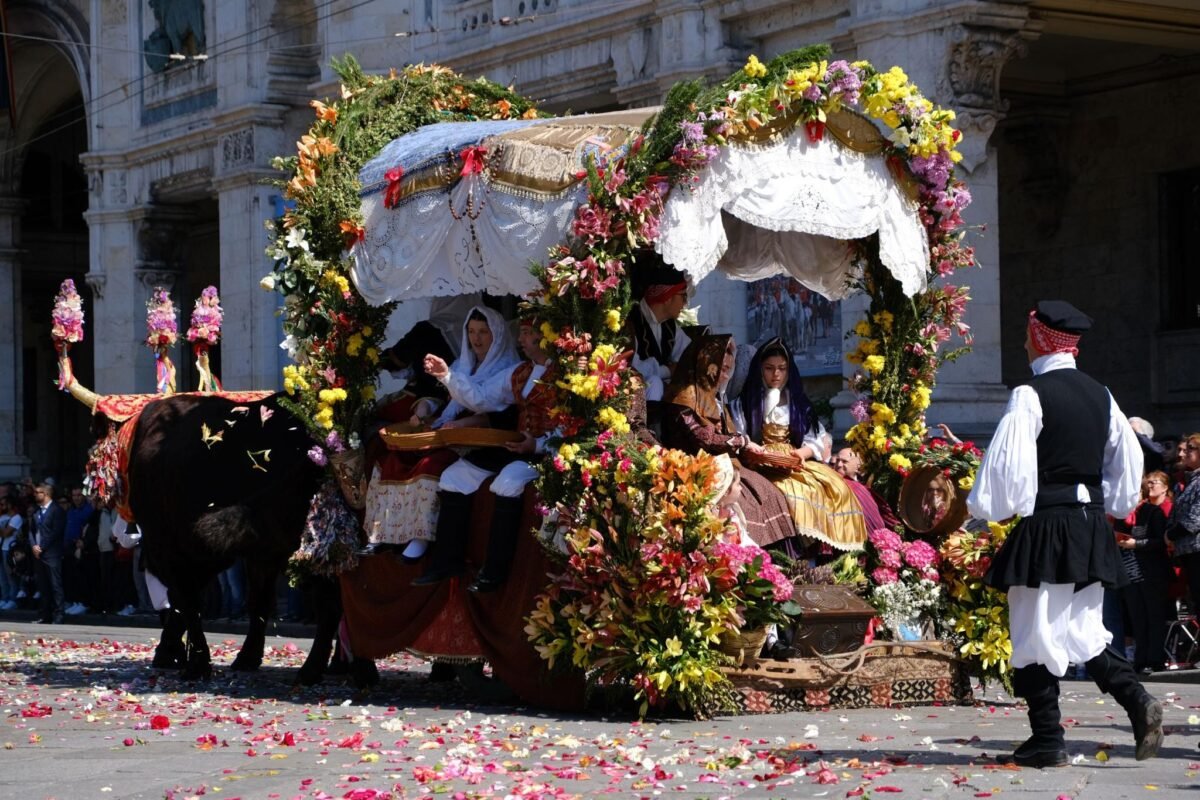
The heart of the event is the procession that carries the simulacrum of the saint from his church in the historic Stampace district to the beach at Nora in Pula, where he was martyred in three hundred three AD under Diocletian, and back again. The statue travels on an eighteenth-century golden chariot pulled by oxen adorned with flowers, preceded and followed by thousands of participants from every corner of Sardinia. The journey covers more than sixty kilometers on foot over four days, accompanied by prayers, songs, the sound of launeddas, and an extraordinary display of traditional dress.
For visitors, the festival offers an unparalleled glimpse into Sardinian identity, where sacred devotion, civic pride, agricultural heritage, and artisanal craftsmanship converge. The streets of Cagliari become a river of color as traccas, ox-drawn carts decorated with carpets, flowers, and ancient utensils, parade alongside devotees in traditional costumes, knights on horseback, militiamen, and the Guardiania, creating one of the most photographed and emotionally powerful events in the Mediterranean.
Disfruta de tu evento sin estrés con Italy Travelo
Tanto si viajas para un festival de fama mundial, concierto en vivo, celebración cultural o evento de negocios, Italy Travelo te ayuda a simplificar cada paso de tu viaje. Nuestro equipo ofrece asistencia personalizada para viajar, permitiéndote centrarte en crear recuerdos duraderos.
Cultural Significance & Origins
The Vow of Sixteen Fifty Two: The festival originates from a solemn rating preserved in the Historical Archives of Cagliari, in which the municipality invoked the intercession of Saint Efisio to end a plague that had killed half the population. The first victim was Archbishop Don Bernardo De La Cabra, and the city had become a mass grave. The vow pledged to celebrate every year and perpetually a feast in honor of the saint if the city were spared.
End of the Plague: Tradition holds that Saint Efisio appeared to the Viceroy and requested the procession in order to lift the illness. By sixteen fifty six, the plague had ended, and from sixteen fifty seven the municipality began fulfilling its promise with a solemn ceremony. The procession has been repeated every year since, making it over three hundred sixty editions of continuous devotion.
Saint Efisio the Martyr: Saint Efisio was a pagan officer serving Diocletian who converted to Christianity and was beheaded in Nora for his faith. His martyrdom site at the beach remains a sacred destination. The festival therefore connects Cagliari to its ancient Roman past and to Nora, one of Sardinia’s most important archaeological sites.
Collective Vow, Not Folklore: Scholars emphasize that the Festa di Sant’Efisio is not decorative folklore but a collective vow with deep juridical and spiritual meaning. The Mayor carries the Golden Fleece chain granted by the Spanish king to the Grandees of the Kingdom, symbolizing civic authority renewing the promise. The city does not merely remember a historical event, it actively renews a contract between community, saint, and territory.
Traditions, Rituals & Customs
Traccas Parade: The procession opens with the parade of traccas, traditional festively decorated wagons pulled by enormous oxen. These carts overflow with ancient utensils from traditional daily life, carpets, embroidered textiles, and flowers, representing towns of the Cagliari area. Each tracca tells a story of rural life, with families proudly displaying heirlooms passed down through generations.
Golden Chariot and Oxen: The statue of Saint Efisio is carried on a golden chariot from the eighteenth century, also drawn by oxen adorned with flowers and ribbons. The oxen themselves are dressed for the occasion, with decorated horns and harnesses. The sight of the gleaming chariot moving through streets lined with devotees is the most anticipated moment for pilgrims.
Launeddas and Traditional Music: People playing launeddas, an ancient Sardinian woodwind instrument made of three reed pipes, accompany the procession. The instrument’s hypnotic, continuous sound, produced by circular breathing, creates a sacred soundscape that has accompanied Sardinian rituals for millennia. Drums and traditional chants also mark the rhythm of the pilgrimage.
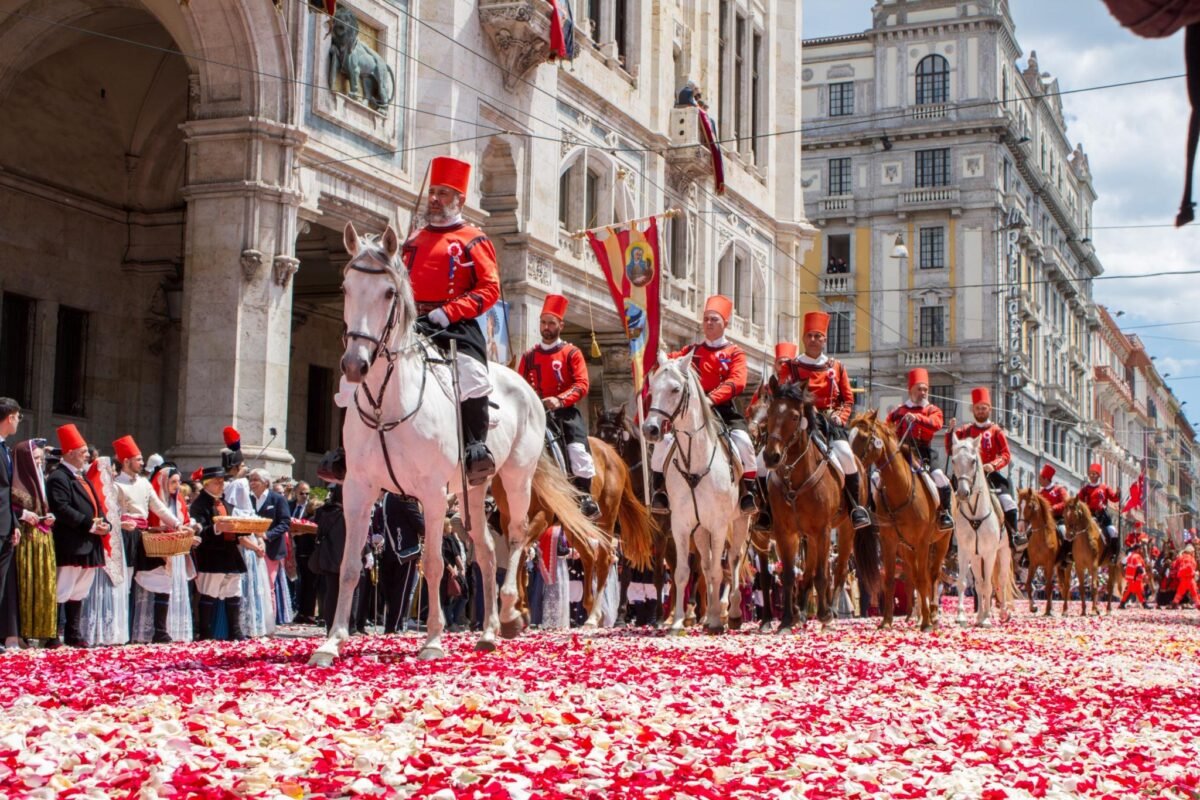
Costumed Devotees and Knights: More than three thousand five hundred people from various regions walk behind the oxen, wearing traditional costumes from every town and village of the island, followed by three hundred riders divided into Campidanesi, Miliziani, and Guardiania. The Militiamen in nineteenth-century uniforms and the Honour Guard leading the saint create a chivalric, ceremonial order that recalls Spanish and Savoyard influences.
What to Expect at the Festival
Four Days of Pilgrimage: Expect a festival that unfolds over multiple stages, beginning with vibrant urban procession in Cagliari and transitioning into rural pilgrimage through Villa San Pietro, Pula, and finally Nora, before returning. The atmosphere shifts from festive city celebration to contemplative countryside devotion, offering different emotional registers each day.
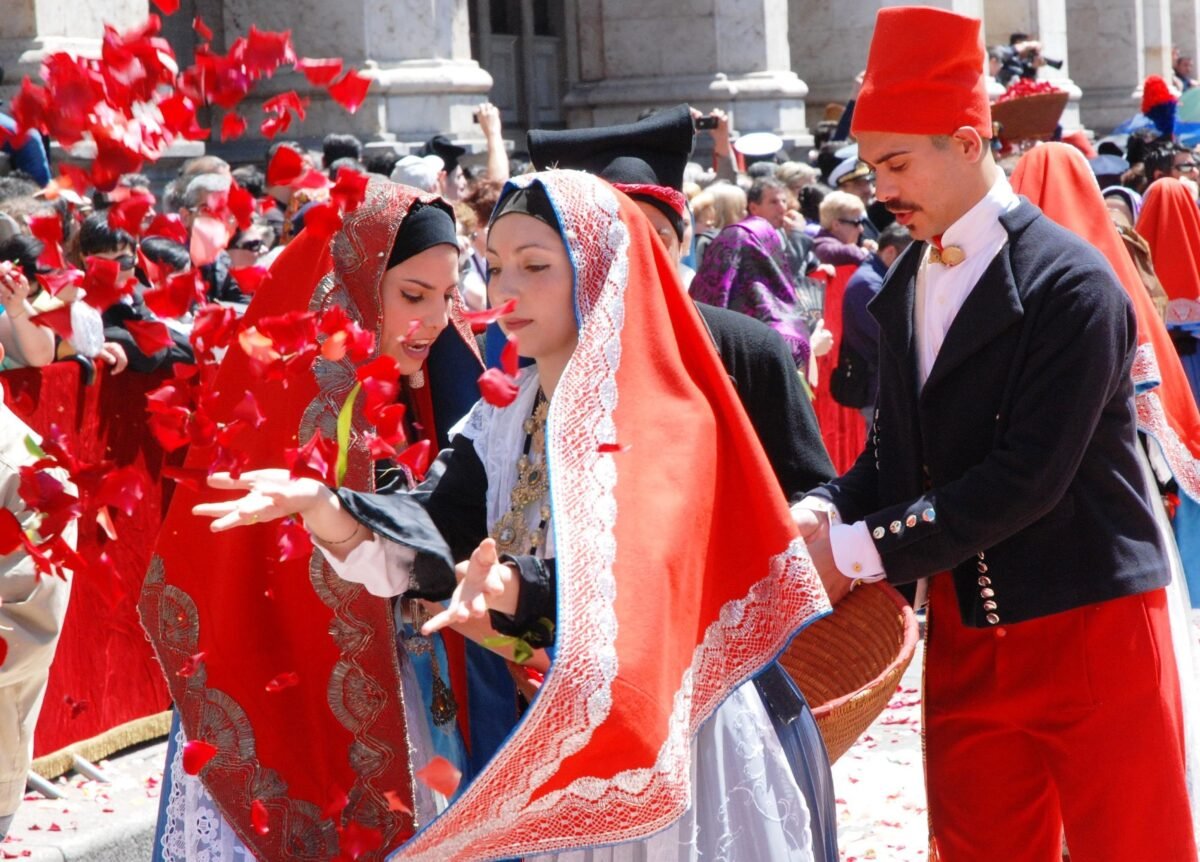
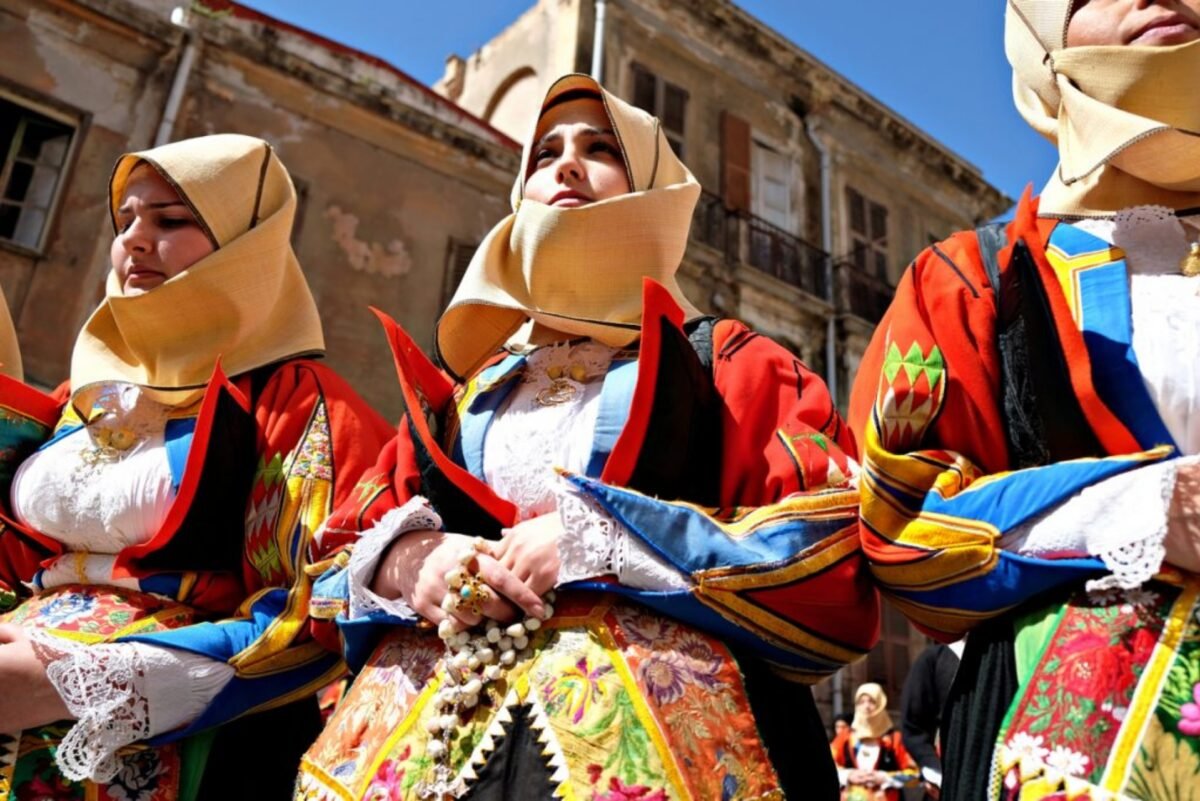
Extraordinary Traditional Dress: Sardinian traditional dress is among the most varied and richly decorated in Italy. Expect to see elaborate women’s costumes with intricate embroidery, lace, and gold filigree jewelry, and men’s costumes with velvet doublets, white linen shirts, and berets. Each village’s costume is distinct, allowing you to read geographic origin through textile patterns.
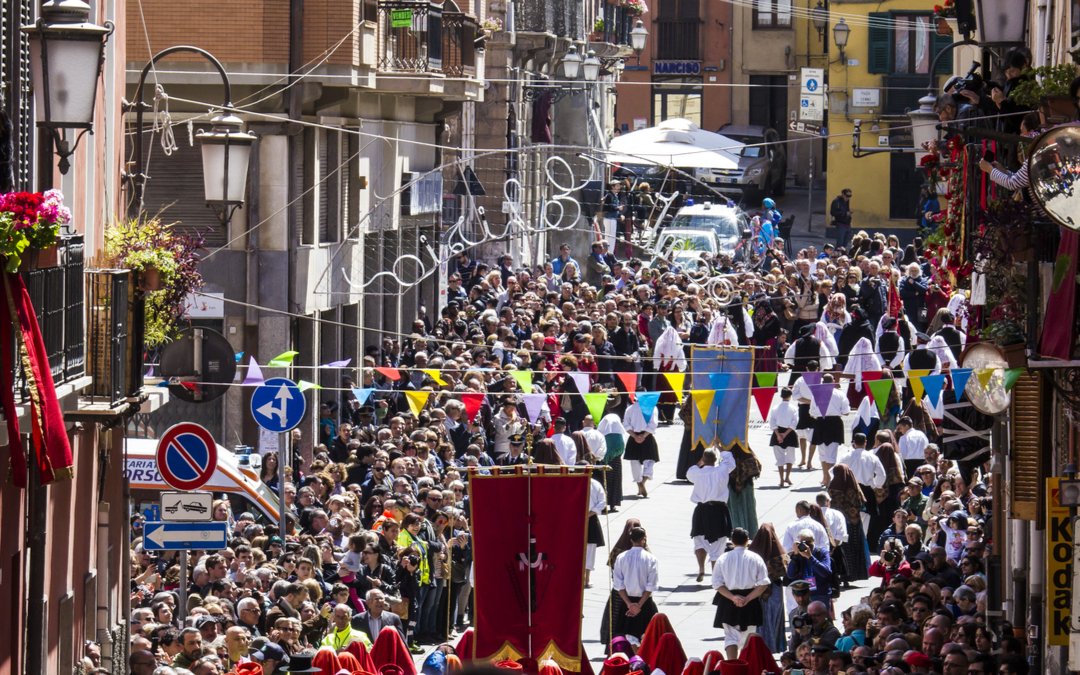
Mass Participation: The festival involves the entire island, with people arriving from every region. The procession itself lasts over two hours in Cagliari alone, with thousands more lining streets, balconies, and squares. Bells and sirens greet the saint as he travels through streets to the Town Hall, creating a powerful civic moment.
Spiritual and Secular Blend: While deeply religious, the festival also includes secular elements such as markets, food stalls, and cultural meetings. The devotion is palpable, with many pilgrims walking barefoot, praying aloud, and weeping as the saint passes, yet the atmosphere remains welcoming and inclusive for visitors of all backgrounds.
Fecha y calendario
Fechas de eventos: May 1–4, 2027
Detailed Schedule:
May 1: Morning opening with traccas parade, followed by procession of devotees in traditional costumes, knights, militiamen, and Guardiania through historic center of Cagliari. Golden carriage of Sant’Efisio pulled by oxen departs from Church of Stampace, travels through streets to Town Hall, greeted by bells and sirens, then begins pilgrimage south.
May 2: Procession continues through Villa San Pietro and Pula, with stops for blessings and community gatherings, arriving in Nora in the afternoon. Religious ceremonies at Church of Sant’Efisio in Nora and beach of martyrdom.
May 3: Day of prayer and vigil in Nora, with religious services, community meals, and traditional music at martyrdom site. Devotees maintain watch over statue.
May 4: Return journey from Nora to Cagliari, with procession retracing route and final arrival and dissolution rites at Church of Stampace, fulfilling vow. Detailed times to be confirmed on official website.
¿Vas a visitar este evento? No te pierdas estas increíbles actividades y experiencias locales mientras estés aquí.
Main Events & Programme
Opening Procession in Cagliari: The most spectacular event is the grand parade in Cagliari, where traccas open the procession, followed by thousands in costume, horses, and finally the saint’s chariot. The parade moves along Via Roma and historic districts, with spectators crowding every available space.
Pilgrimage to Nora: The second major phase is the pilgrimage itself, a walking journey of over sixty kilometers that traverses coastal wetlands, agricultural fields, and archaeological sites. Pilgrims accompany the saint on foot, maintaining prayer and song throughout, with stops in villages that host the procession with hospitality.
Religious Ceremonies in Nora: At Nora, the site of martyrdom, solemn masses, blessings of the sea, and vigils are held. The small Romanesque church dedicated to Sant’Efisio becomes a focal point for devotion, with the beach nearby serving as a symbolic place of martyrdom and purification.
Return and Dissolution Rites: The return to Cagliari includes final ceremonies where the municipality formally dissolves the vow for that year, having fulfilled its promise. The statue is returned to its church in Stampace with emotional farewell, marking completion of another year of devotion.
Traditional Dress, Arts & Crafts
Sardinian Costume Heritage: Traditional dress is the festival’s visual masterpiece. Women’s costumes feature richly embroidered bodices, pleated skirts, aprons with lace, and elaborate headdresses indicating marital status and village origin. Men’s costumes include the characteristic berretto, white shirt, vest, and long trousers with leather gaiters. Gold filigree jewelry, especially the Sardinian button and coral necklaces, completes the ensembles.
Traccas Decoration Art: The decoration of traccas is a folk art in itself, involving weaving of carpets, arrangement of copper utensils, ceramic vessels, and agricultural tools. Families spend months preparing carts, with competition for most authentic and beautiful decoration adding pride and creativity.
Launeddas Craftsmanship: Launeddas instruments are handcrafted from river cane and reed, requiring years of apprenticeship to master both construction and playing technique involving circular breathing. Artisans who make launeddas are highly respected, preserving an instrument that UNESCO recognizes as intangible heritage.
Embroideries and Textiles: Exhibitions during festival period showcase Sardinian embroidery techniques such as punto a giorno and filet, as well as weaving of orbace, a thick woolen fabric. These crafts are demonstrated in markets and cultural centers around Stampace and Castello districts.
Traditional Food & Local Specialties
Festival Foods: During Festa, street vendors and family gatherings feature traditional Cagliari foods such as culurgiones, Sardinian potato and cheese ravioli with mint, malloreddus pasta with sausage, and porceddu, slow-roasted suckling pig. Sweets include pardulas, ricotta and saffron pastries, and seadas with honey.
Rural Traditions of Traccas Towns: Towns represented by traccas bring their own specialties, such as breads baked in wood ovens, pecorino cheeses aged in caves, and cured meats such as mustela. These products reflect agricultural diversity of Campidano plain and surrounding hills.
Nora and Coastal Cuisine: In Pula and Nora, coastal cuisine dominates, with fregola with seafood, bottarga, and fresh fish grilled over open fires. Fishermen offer blessings of boats and share traditional fishing techniques during festival days.
Wine and Spirits: Local wines include Cannonau, Vermentino, and Monica di Sardegna, served alongside myrtle liqueur and acquavite. Tastings are often paired with explanations of viticulture in Sardinia’s diverse terroirs.
Location & Festival Areas
Church of Sant’Efisio in Stampace: The starting and ending point, located in historic Stampace district, one of Cagliari’s four historic quarters. The church houses the statue throughout the year and becomes pilgrimage center during festival.
Historic Center and Via Roma: The main parade route passes through Cagliari’s historic center, including Corso Vittorio Emanuele, Piazza Yenne, and the wide boulevard of Via Roma facing the harbor, where grandstands are erected and crowds gather.
Pilgrimage Route: The route follows ancient roads southward through Santa Gilla lagoon, Capoterra, Villa San Pietro, and Pula, traversing wetlands rich with flamingos and archaeological sites, before reaching Nora.
Nora Archaeological Site: The destination is the archaeological area of Nora, with Roman ruins, early Christian church, and beach where saint was martyred. The small church of Sant’Efisio in Nora serves as spiritual heart of pilgrimage’s middle days.
Getting to the Festival
By Air: Cagliari Elmas Airport is the main gateway, with flights from major Italian and European cities. From airport, regular buses and trains connect to city center in approximately fifteen minutes. During festival days, extra shuttle services operate to Stampace and Via Roma.
By Sea: Ferries from mainland Italy to Cagliari port operate regularly, allowing visitors to bring cars. The port is within walking distance of historic center and parade route, making ferry arrival convenient.
By Train and Bus: Cagliari is connected by regional trains to other Sardinian towns, though most pilgrims travel by car or bus to join procession. ARST and CTM buses operate enhanced services during festival, with special routes to Nora and Pula.
On Foot Within City: Historic center is compact and best explored on foot. During procession, many streets are closed to traffic, creating pedestrian zones. Comfortable shoes are essential due to cobblestones and long standing times.
Dónde alojarse cerca
Historic Center – Stampace and Marina: Staying in Stampace, Marina, or Castello districts offers immediate proximity to procession and church. Boutique hotels in restored historic buildings provide charm, with rates during festival from $120 to $280 per night due to high demand.
Poetto Beach Area: Hotels along Poetto beach offer seaside relaxation combined with easy bus access to city center. This area is ideal for visitors wanting to combine festival with beach time, with rates from $100 to $220.
Pula and Nora Area: For those wanting to experience pilgrimage destination, accommodations in Pula and surrounding coast offer agriturismi and resort hotels near archaeological site, ideal for middle days of festival, with rates from $90 to $200.
Early Booking Essential: Accommodation during Festa sells out months in advance, especially in historic center. Many visitors book a year ahead, and some hotels require minimum stays during festival period.
What Visitors Can Participate In
Joining the Procession: While formal roles in costume are reserved for registered participants from Sardinian towns, visitors can walk behind the procession as pilgrims, following the saint’s chariot on foot for portions of the route. This participatory pilgrimage is open to all and deeply moving.
Blessing Ceremonies: Attend blessing ceremonies at churches along route, where priests bless pilgrims, horses, and oxen. Visitors can receive blessings and participate in prayers, regardless of faith background, as festival welcomes respectful observers.
Traditional Music Workshops: During festival week, cultural associations offer workshops in launeddas, traditional dance, and Sardinian singing, where visitors can learn basic techniques and understand cultural context of instruments and dances.
Traccas Preparation: Some communities invite visitors to help decorate traccas, learning about arrangement of utensils, textiles, and flowers, providing hands-on appreciation for folk art and rural heritage.
Things to Do Before or After the Festival
Explore Cagliari’s Historic Districts: Visit Castello with its towers and museums, including National Archaeological Museum with Nuragic bronzes, and Bastione di Saint Remy offering panoramic views over city and lagoon.
Archaeological Sites: Beyond Nora, visit Tharros, Barumini Nuragic complex UNESCO site, and Roman amphitheater in Cagliari to deepen understanding of Sardinia’s layered history from Nuragic to Roman to medieval periods.
Nature Excursions: Explore Molentargius lagoon with pink flamingos, hike to Sella del Diavolo promontory overlooking Poetto beach, or take boat tours to see coastline and caves.
Culinary Tours: Join cooking classes to learn how to make culurgiones and other Sardinian specialties, visit markets such as San Benedetto, one of Italy’s largest covered markets, and tour wineries in surrounding countryside.
Local Food & Restaurants
Historic Center Trattorias: Trattorias in Stampace and Marina serve authentic Cagliari cuisine, including fregola with clams, grilled fish, and meat dishes with cannonau reduction. Restaurants around Piazza Yenne and Corso Vittorio are lively during festival with outdoor tables.
Seafood Restaurants at Poetto: Along Poetto beach, seafood restaurants specialize in fresh catch, offering crudo, grilled fish, and lobster Catalan style, with views over Gulf of Angels.
Agriturismi in Hinterland: Inland agriturismi near Capoterra and Pula offer farm-to-table experiences with home-raised meats, cheeses, and vegetables, providing authentic rural dining that connects to traccas traditions.
Street Food and Markets: During festival, street food stalls appear offering porceddu sandwiches, seadas, and other Sardinian street foods, ideal for eating while watching processions.
Ticket Information & Access
Free Access: The Festa di Sant’Efisio is primarily a free religious procession open to all. No tickets are required to watch parades in streets or to join pilgrimage on foot. Grandstand seating along Via Roma may require tickets for reserved views.
Grandstand Tickets: Where grandstands are erected for main procession, tickets based on previous editions range from $15 to $35 per person for numbered seating. Tickets can be purchased via local tourist offices and official website. Many viewers watch free from sidewalks and balconies.
Guided Tours and Workshops: Special guided tours of churches, archaeological sites, and behind-the-scenes traccas preparation may have fees ranging from $20 to $50 including guide and transportation. Cooking classes and music workshops range from $30 to $70.
Donations and Offerings: As religious festival, voluntary offerings to church and participating communities are customary and support maintenance of statues, costumes, and oxen care.
Información oficial del evento
Event Name: Festa di Sant’Efisio 2027 – Italy
Página web oficial: https://santefisiomartire.it/ as text
Contact Email: info@santefisiomartire.it
Ubicación: Church of Sant’Efisio, Stampace, Cagliari, with pilgrimage to Nora, Pula, Sardinia
Organizador: Arciconfraternita di Sant’Efisio and Municipality of Cagliari
Tradition: Continuous since sixteen fifty seven, fulfilling vow of sixteen fifty two
UNESCO Context: Part of Sardinia’s intangible cultural heritage, recognized for historical and religious significance
Vídeo
Ubicación
Preguntas frecuentes
What is the vow that started the Festa di Sant'Efisio and why is it still renewed?
In sixteen fifty two, Cagliari faced a devastating plague that killed half its population, and municipality made solemn vow to Saint Efisio to celebrate feast every year perpetually if city were spared. The plague ended by sixteen fifty six, and since sixteen fifty seven city has fulfilled promise with procession from Cagliari to Nora and back. The vow is renewed annually because it is considered binding civic and spiritual contract, not merely historical reenactment.
Can visitors walk with the procession or is it only for Sardinians in costume?
Visitors can absolutely walk with procession as pilgrims behind main groups, following saint's golden chariot on foot for portions of route. While formal costume roles are reserved for registered participants from Sardinian towns who represent their communities, pilgrimage itself is open to all who wish to accompany saint. Walking portion offers profound experience of devotion and community, with many visitors reporting emotional connection despite not wearing traditional dress.
What are traccas and why are they so important to the festival?
Traccas are traditional ox-drawn carts decorated with carpets, embroidered textiles, copper utensils, and flowers, representing rural towns around Cagliari. Each cart displays authentic objects from daily rural life, preserving memory of agricultural heritage and family heirlooms. They open procession and are considered moving museums, with families spending months preparing decoration and competing for most authentic presentation.
Is photography allowed during religious processions and ceremonies?
Photography is generally allowed in public streets during parade, but respectful behavior is expected, especially during religious ceremonies and blessings. Flash photography inside churches and close-up photography of devotees praying should be avoided out of respect. Organizers request that visitors do not obstruct procession path for photos and follow instructions of volunteers to ensure safety and solemnity of pilgrimage.
How does the festival connect Cagliari and Nora and what happens at Nora?
The festival connects Cagliari, where saint's statue is housed, to Nora where he was martyred in three hundred three AD, covering over sixty kilometers on foot over four days. At Nora, religious ceremonies, vigils, blessings of sea, and community gatherings are held at small church dedicated to saint near beach of martyrdom. The site is both archaeological park with Roman ruins and sacred place where pilgrims maintain watch over statue before return journey to Cagliari.

Deja una respuesta