



-
13 de octubre de 2027
Fecha del evento:
-
15 de octubre de 2027
Final del evento:
Qué esperar en 2027
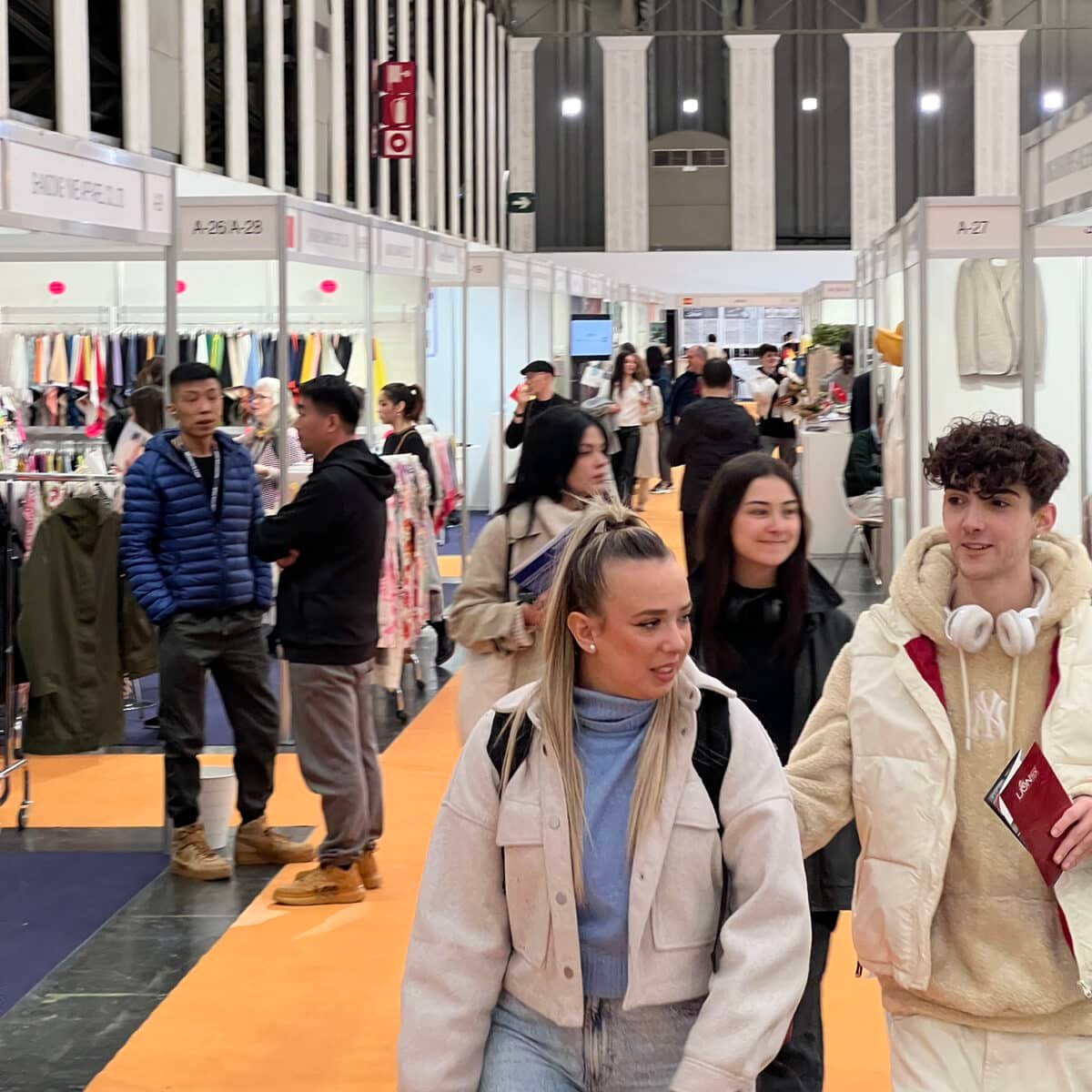
Florence Textile Expo 2027 is an international textile and fabric trade exhibition taking place at Stazione Leopolda in Florence, Italy. The 2027 edition is scheduled for October 13–15 and is designed primarily as a professional business-to-business meeting point connecting textile and garment manufacturers with buyers, fashion businesses, sourcing professionals and other industry participants. The official event describes its central purpose as helping buyers source fabrics and textile accessories directly from manufacturers.
Rather than functioning as a conventional consumer fashion week, Florence Textile Expo focuses on the supply side of the fashion and textile industry. The exhibition brings together manufacturers and suppliers working across fabrics, yarns, accessories, apparel, home textiles, tailoring materials and related products. The 2027 brochure lists areas including denim, silk, jacquard, woolen textiles, shirting, embroidery, prints, labels, trims, knit fabrics and sustainability.
The event’s location in Florence adds to its appeal for international fashion professionals. Florence is an established centre for Italian fashion, textiles, craftsmanship and design, while Tuscany has a long association with high-quality apparel and manufacturing.
Disfruta de tu evento sin estrés con Italy Travelo
Tanto si viajas para un festival de fama mundial, concierto en vivo, celebración cultural o evento de negocios, Italy Travelo te ayuda a simplificar cada paso de tu viaje. Nuestro equipo ofrece asistencia personalizada para viajar, permitiéndote centrarte en crear recuerdos duraderos.
Professional visitors can expect an exhibition environment centred on product discovery, supplier meetings, sourcing discussions and business networking. The expo is particularly relevant to fashion brands, apparel manufacturers, wholesalers, designers, purchasing teams, retailers and companies searching for new textile suppliers.
Fashion week dates
Florence Textile Expo 2027 will take place from Wednesday, October 13, through Friday, October 15, 2027, at Stazione Leopolda in Florence.
- October 13, 2027: 10:00 AM – 6:00 PM
- October 14, 2027: 10:00 AM – 6:00 PM
- October 15, 2027: 10:00 AM – 4:00 PM
The event runs for three days, providing professional visitors with several opportunities to arrange meetings, explore exhibition stands and compare textile suppliers.
Although this listing uses the requested “Fashion week dates” heading, Florence Textile Expo is more accurately described as an international textile and fabric trade exhibition. Its programme is focused on sourcing, manufacturing and professional industry connections rather than the traditional runway format associated with fashion weeks.
¿Vas a visitar este evento? No te pierdas estas increíbles actividades y experiencias locales mientras estés aquí.
Venues & show locations
The main venue for Florence Textile Expo 2027 is Stazione Leopolda.
Stazione Leopolda
Viale Fratelli Rosselli, 5
50144 Florence, Italy
Stazione Leopolda is a historic former railway station that has been transformed into a major exhibition and event venue. Its large indoor spaces are suitable for trade fairs, exhibitions, product presentations, industry meetings and professional networking.
The venue is located close to Florence’s historic centre and Santa Maria Novella railway station, making it practical for international visitors arriving by train or public transport.
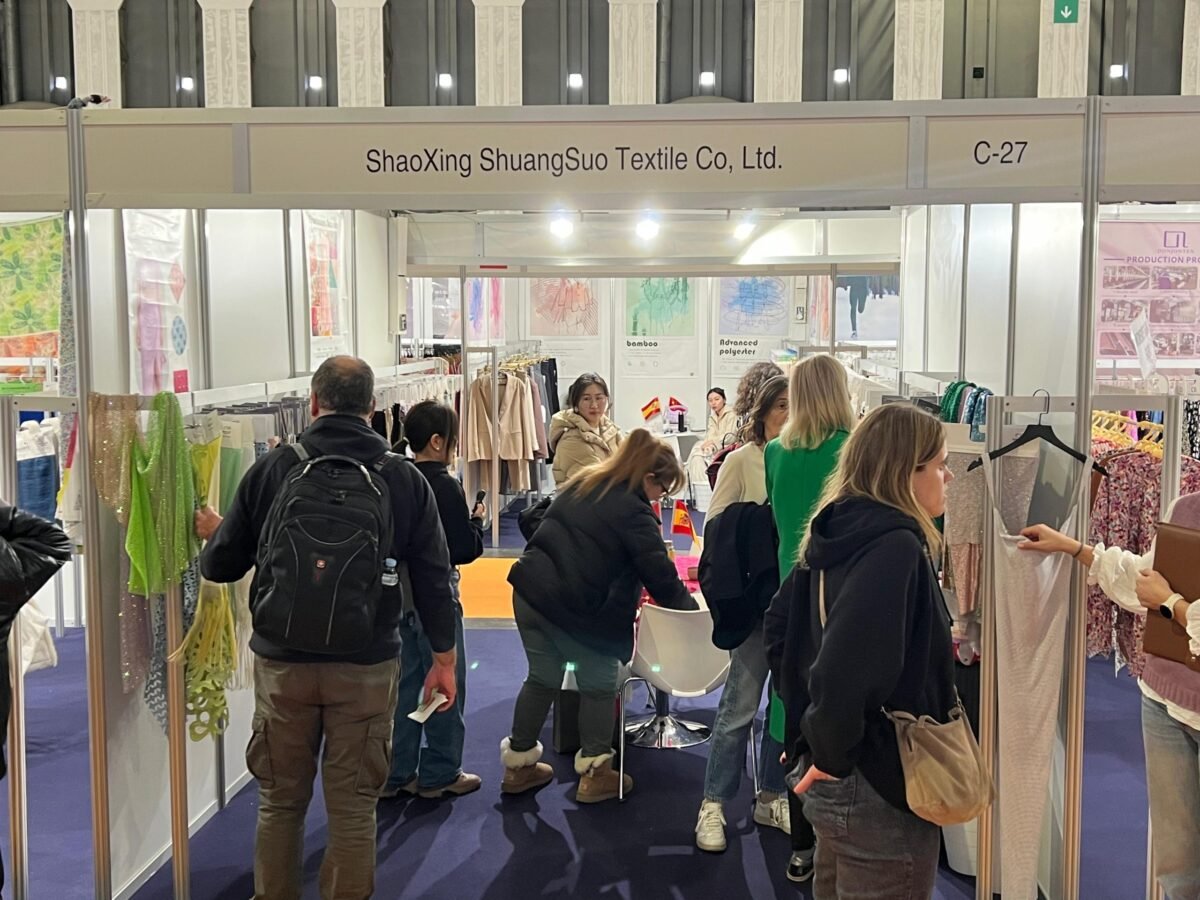
The exhibition site provides the space required for textile manufacturers and suppliers to display fabrics, yarns, accessories, garments and related products. Visitors can move between exhibitor areas while arranging business appointments and sourcing discussions.
Full fashion programme
The 2027 programme is centred on textile sourcing and professional exhibition activity rather than a conventional runway-based fashion-week programme. The exhibition covers a broad selection of textile, apparel and fashion-supply categories.
Key areas include:
- Fabrics and woven materials
- Knit fabrics
- Yarn and fibres
- Cotton
- Woolen textiles
- Silk
- Denim
- Shirting
- Jacquard
- Prints
- Embroidery
- Tailoring materials
- Trims
- Labels
- Textile accessories
- Home textiles
- Apparel and garments
- Sports-related textiles
- Sustainability-focused materials
The exhibition allows buyers to examine materials directly and establish contacts with manufacturers. Product sourcing can cover both finished textile materials and components required for garment production.
Sustainability is an important part of the published product range, making the event relevant to fashion companies researching recycled, certified and environmentally focused textile materials.
The professional nature of the expo also makes it useful for companies planning future collections. Designers and sourcing teams can compare materials, investigate production capabilities and identify potential suppliers.
Designers & fashion houses
Florence Textile Expo is not primarily organised around individual designers or major fashion houses presenting seasonal runway collections. Instead, its focus is the textile and garment supply chain.
Designers and fashion businesses can nevertheless use the expo as a sourcing environment. Visitors can investigate fabrics, yarns, trims, embroidery, denim, silk, shirting, jacquard, woolen materials and other components that can influence future fashion collections.
The exhibition is particularly relevant to:
- Independent fashion designers
- Clothing brands
- Apparel manufacturers
- Product development teams
- Textile sourcing managers
- Fashion retailers
- Private-label companies
- Garment exporters and importers
- Costume and tailoring businesses
The organiser’s professional focus means that supplier relationships and product development are more important than celebrity appearances or designer catwalks.
Runway shows & collections
A conventional runway programme has not been announced for Florence Textile Expo 2027. The event’s published format focuses on textile and garment manufacturers, product displays and professional buyer meetings rather than scheduled catwalk presentations.
Visitors should therefore approach the exhibition primarily as a sourcing and business event. Product samples, fabrics, accessories, garment materials and supplier collections form the central visual component of the show.
The absence of a conventional runway schedule does not mean fashion trends are absent. Textile suppliers can showcase materials intended for upcoming apparel collections, including knitwear, denim, shirting, silk, wool, jacquard, prints and sports textiles.
For designers, one of the most useful aspects of the exhibition is the opportunity to examine materials before incorporating them into future collections. Buyers can also discuss colours, compositions, production quantities, specifications and supplier capabilities directly with exhibitors.
Show schedule
The official 2027 visitor schedule confirms the exhibition’s daily opening hours, while a detailed hour-by-hour schedule of individual presentations has not been published.
The confirmed daily structure is:
- Wednesday, October 13: 10:00 AM – 6:00 PM
- Thursday, October 14: 10:00 AM – 6:00 PM
- Friday, October 15: 10:00 AM – 4:00 PM
Visitors should allow additional time for registration and meetings with exhibitors, particularly when attending as a buyer or sourcing professional.
The three-day format gives industry visitors flexibility to attend meetings and explore the exhibition at different times. Buyers with specific supplier targets should review the exhibitor information before travelling and arrange appointments where possible.
Ticket & invitation information
Entrance to Florence Textile Expo is free of charge with registration. The official visitor information allows professional attendees to register and obtain their electronic admission badge.
Visitor admission: $0
No paid public ticket tiers have been announced for the 2027 exhibition. The event is structured primarily for professional visitors working in or connected with textiles, fashion, apparel, sourcing, manufacturing and related business activities.
Visitors should complete the registration process before attending whenever possible. Online registration can help simplify entry and allow attendees to prepare their professional visit in advance.
Because this is a trade-oriented exhibition, visitors should be prepared to identify their professional role or business interests during registration if requested by the organiser.
VIP & industry access
Florence Textile Expo has a strong professional and business-to-business orientation. The exhibition connects textile and garment manufacturers with professional buyers and companies searching for new production and sourcing opportunities.
Industry participants can include:
- Professional buyers
- Textile manufacturers
- Apparel companies
- Fashion brands
- Wholesalers
- Garment producers
- Designers
- Importers and exporters
- Retail businesses
- Sourcing professionals
The exhibition can be useful for businesses looking to establish new supplier relationships, compare manufacturing capabilities or investigate new materials.
No separate paid VIP programme has been announced for the 2027 edition. The main distinction is the professional nature of the event and its focus on industry networking.
Fashion exhibitions & presentations
The main exhibition is the textile and fabric showcase itself. Product presentations can cover fabrics, yarns, apparel, accessories and other materials used throughout the fashion production process.
The 2027 product categories include yarn, fabrics, accessories, home textiles, labels, prints, knit fabrics, embroidery, denim, sustainability, cotton, tailoring, silk, jacquard, trims, woolen textiles, shirting and sports products.
This broad range allows visitors to compare different materials within one professional exhibition environment. Buyers can examine products intended for clothing production as well as specialist and home-textile applications.
The exhibition also provides an opportunity to investigate textile technologies and manufacturing solutions. Depending on the exhibitor, visitors may be able to discuss material specifications, production capabilities, custom development and supply requirements.
Brands & participating companies
The 2027 exhibitor programme includes manufacturers and suppliers from several international textile markets. The organiser’s participant information includes companies working across fabrics, yarn, accessories, apparel and textile-related products.
Published participants include Fashion Soar Import and Export Co., Ltd., Almer Tekstil, Alsteks Tekstil, Changzhou Sunlong Textile Technology, Dagesh Sourcing, Desen Kapitone, Dingxing Haberdashery, Dirice Tekstil, DK Industries, Dongguan Darwin Intelligent Technology, Dongguan VSCOO Garment, Double Sunday, Durush Kumaşçılık and Erdem Tekstil.
The international exhibitor mix reflects the global nature of textile manufacturing. Participating companies have included businesses connected with markets such as Türkiye, China, Pakistan, India, Bangladesh, Spain and other textile-producing regions.
Many exhibitors specialise in specific parts of the supply chain, including yarn, woven fabrics, knitted fabrics, denim, garment accessories, trims, apparel and textile technology.
The final participant list may continue to develop as the 2027 exhibition approaches, so visitors planning meetings with particular suppliers should check the official exhibitor information before travelling.
Street style & fashion events
Florence Textile Expo is not organised around the street-style culture associated with consumer fashion weeks in Milan, Paris or London. There is no confirmed 2027 street-style programme associated with the exhibition.
The Florence setting nevertheless places the event within an important Italian fashion and design environment. Visitors can combine their professional exhibition attendance with the city’s shopping districts, fashion businesses, design destinations and cultural attractions.
For industry professionals, informal networking is likely to be concentrated around exhibitor meetings and conversations between buyers, manufacturers, designers and sourcing specialists.
Visitors interested in Florence’s wider fashion scene can also explore the city’s retail streets and independent boutiques outside the exhibition hours.
Event rules & access
Florence Textile Expo is a professional exhibition rather than a general public fashion show. Visitors should complete registration and follow the organiser’s entry requirements.
Important access points include:
- Professional visitors should complete registration.
- The exhibition is primarily business-to-business.
- Visitors should follow registration and venue security procedures.
- Electronic admission badges may be used for entry.
- Exhibitor and visitor access may differ.
- Updated access requirements should be checked before travelling.
Visitors attending for supplier meetings should bring relevant business information and contact details. This can make discussions with exhibitors more productive, particularly for companies looking for manufacturing or sourcing partnerships.
The organiser may update access policies as the event approaches, so attendees should consult the official event information before the exhibition.
Cómo llegar
Stazione Leopolda is located at Viale Fratelli Rosselli 5 in Florence and is accessible by tram, bus, train, taxi and car.
En tren
Santa Maria Novella railway station is approximately one kilometre from Stazione Leopolda. Visitors can walk from the station, take a taxi or use local public transport.
The tram provides a convenient connection from the Santa Maria Novella area, with the Leopolda stop close to the exhibition venue.
Por aire
Florence Amerigo Vespucci Airport provides the city’s principal international air connection. Visitors can travel from the airport by tram or taxi.
A taxi journey to the Stazione Leopolda area can take around 20 minutes depending on traffic conditions.
En coche
Drivers approaching Florence via the A11 or A1 motorways can follow directions toward Florence and continue toward the Porta al Prato area.
Because Florence has restricted traffic areas, drivers should check current ZTL regulations and parking arrangements before entering the city.
Transporte público y aparcamiento
Public transport is a practical option for reaching Stazione Leopolda.
The Leopolda tram stop is close to the exhibition venue and connects the area with central Florence. Visitors arriving at Santa Maria Novella can use the tram from the surrounding Via Alamanni area.
Bus services also operate around the venue and Porta al Prato district, providing additional connections from different parts of Florence.
Visitors arriving by car can consider parking areas around:
- Porta al Prato
- Piazza Vittorio Veneto
- Ponte alla Vittoria
- Via il Prato
- Fortezza da Basso
- Piazza Stazione
Florence has a controlled traffic system, so drivers should pay close attention to signs indicating restricted areas. Entering a ZTL without the appropriate authorisation can result in penalties.
For international visitors unfamiliar with Florence’s road system, public transport or taxi services can be easier than driving into the central area.
Zonas de alojamiento
Visitors attending Florence Textile Expo can choose accommodation near Stazione Leopolda or in central Florence.
The Porta al Prato area is particularly convenient because it is close to the exhibition venue and provides public transport connections. Santa Maria Novella is another practical choice because the main railway station is nearby and offers connections throughout Florence and to other Italian cities.
Other suitable areas include:
- Santa Maria Novella
- Porta al Prato
- San Lorenzo
- Florence historic centre
- Santa Croce
- Santo Spirito
- Campo di Marte
Business visitors with several exhibitor meetings may prefer accommodation within walking distance or a short tram journey from Stazione Leopolda.
Visitors combining the exhibition with sightseeing may instead choose accommodation in the historic centre and use public transport to reach the exhibition each morning.
Accesibilidad
Stazione Leopolda is an accessible exhibition venue located within a historic former railway complex. Its large event spaces are designed to accommodate trade fairs, exhibitions and other major events.
Visitors with specific accessibility requirements should contact the organiser or venue before arrival to confirm accessible entrances, facilities and assistance arrangements for the 2027 exhibition.
Venue address: Stazione Leopolda, Viale Fratelli Rosselli 5, 50144 Florence, Italy
Venue telephone: +39 055 212622
Venue email: info@stazione-leopolda.com
The historic character of the building means that visitors with mobility requirements may benefit from confirming the most suitable route into the exhibition areas before their visit.
Previous season’s highlights
Previous editions of Florence Textile Expo have followed the same broad professional textile and apparel sourcing format, bringing manufacturers and buyers together in Florence.
Earlier editions have featured product groups including fabrics, knitted fabrics, apparel, garments, home textiles, yarn and accessories. International participation has included textile businesses connected with markets across Europe and Asia.
The organiser’s participant information has also highlighted companies specialising in cotton yarn, knitted fabrics, woven fabrics, denim, garment accessories, zippers, trims, recycled fibres and ready-to-wear products.
International participation is an important part of the exhibition’s identity. Previous exhibitor information has included businesses from countries such as Türkiye, China, India, Pakistan, Bangladesh, Spain, Japan, Egypt, Romania and the United Arab Emirates.
The 2027 edition continues this international sourcing approach, with published product categories covering fabrics, yarn, accessories, home textiles, labels, prints, knit fabrics, embroidery, denim, sustainability, cotton, tailoring, silk, jacquard, trims, woolen textiles, shirting and sports textiles.
For buyers and fashion businesses, the main value of previous editions has been the opportunity to discover suppliers and textile products within a concentrated professional exhibition environment.
Información oficial del evento
Florence Textile Expo 2027 is an international textile and fabric trade exhibition in Florence, Italy. The event is scheduled for October 13–15, 2027, at Stazione Leopolda and is primarily intended for professional visitors and business-to-business textile relationships.
Página web oficial: https://www.florencetextileexpo.com/
Lugar: Stazione Leopolda, Viale Fratelli Rosselli 5, 50144 Florence, Italy
Fechas: October 13–15, 2027
Visitor hours: October 13–14, 10:00 AM–6:00 PM; October 15, 10:00 AM–4:00 PM
Admisión: Free with registration, $0
Tipo de evento: International textile and fabric trade exhibition
Público: Professional buyers, manufacturers, apparel businesses, designers, retailers, wholesalers and other industry professionals
Main product groups: Fabrics, yarn, accessories, home textiles, labels, prints, knit fabrics, embroidery, denim, sustainability, cotton, tailoring, silk, jacquard, trims, woolen textiles, shirting and sports textiles
Visitors should check the official website before travelling for the latest exhibitor information, registration requirements, programme announcements, venue arrangements and any changes to access procedures.
Ubicación
Preguntas frecuentes
Who is eligible to register for attendance?
Participation is strictly restricted to verified trade professionals, textile manufacturers, fashion designers, and corporate buyers. General public visitors without professional credentials will not be permitted entry.
How do attendees complete their registration process?
Registration is handled entirely through the official web portal by submitting business details and credentials. Approved applicants receive a digital pass required for admission at the gates.
Are there lodging options located near the venue?
Numerous hotels, boutique properties, and partner accommodations are situated within convenient walking or short transit distance from Stazione Leopolda. Early booking through the official portal is strongly advised.
What language is primarily utilized during conference sessions?
While Italian serves as the host language for localized heritage events, professional translation support and English materials are standard. Multilingual assistants are positioned throughout the venue to aid international guests.
Can visitors purchase retail clothing items on-site?
The event focuses entirely on wholesale trade, business networking, and manufacturing contracts rather than direct retail sales or public shopping. Exhibitors display samples and negotiate bulk commercial agreements instead of conducting cash transactions.

Deja una respuesta