
무엇을 기대해야 할까요?
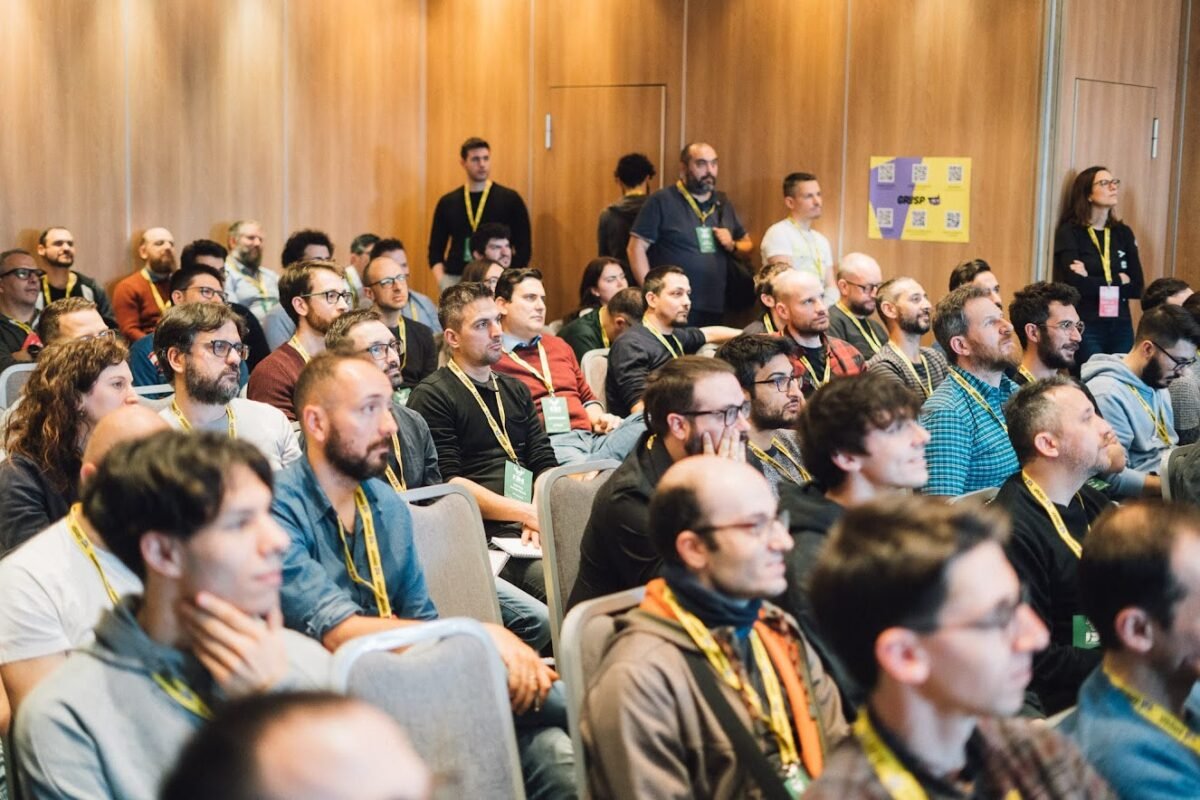
Angular Day is the Italian conference dedicated entirely to Angular and its ecosystem, organized by GrUSP, the team behind some of the most established developer conferences in Italy. Since its first edition, the event has become the reference point for frontend developers, architects, and engineering leaders who build large-scale applications with Angular. The format is intentionally focused and intense, with one full day dedicated to pure Angular content, ensuring that every talk is relevant to the framework and its modern evolution.
You can expect a community-driven, highly technical atmosphere at Hotel San Marco in Verona. Unlike broad frontend festivals that cover many frameworks superficially, Angular Day goes deep into Angular-specific challenges, from signals and standalone components to performance optimization, enterprise architecture, and migration strategies. The audience consists of senior frontend engineers, full-stack developers working with Angular, team leads, and CTOs who need to make informed decisions about scalability and maintainability.
The event combines expert talks selected through an open Call for Papers, live coding sessions, and extensive networking time. All sessions are delivered in English to welcome an international audience, with speakers coming from across Europe and beyond. The venue layout encourages continuous interaction, with coffee breaks, lunch, and sponsor areas integrated into the same foyer as the session halls. Whether you are working on a new greenfield project or maintaining a large enterprise codebase, you will leave with actionable patterns, updated knowledge of the Angular roadmap, and direct connections to maintainers and community leaders.
행사 일정
Event Month: November 2027
Event Status: 날짜는 추후
위치: 이탈리아 베로나
포맷: In-person at Hotel San Marco with live online streaming
Call for Papers Period: Typically opens in spring and closes in mid-July
The exact calendar days for the conference will be announced on the official website. All times will be scheduled in Central European Time.
이 행사에 참석하실 건가요? 이 멋진 활동과 지역 경험을 놓치지 마세요.
장소 및 행사 장소
장소 이름: 산 마르코 호텔
주소: Via Baldassarre Longhena, 42, 37138 Verona, Italy
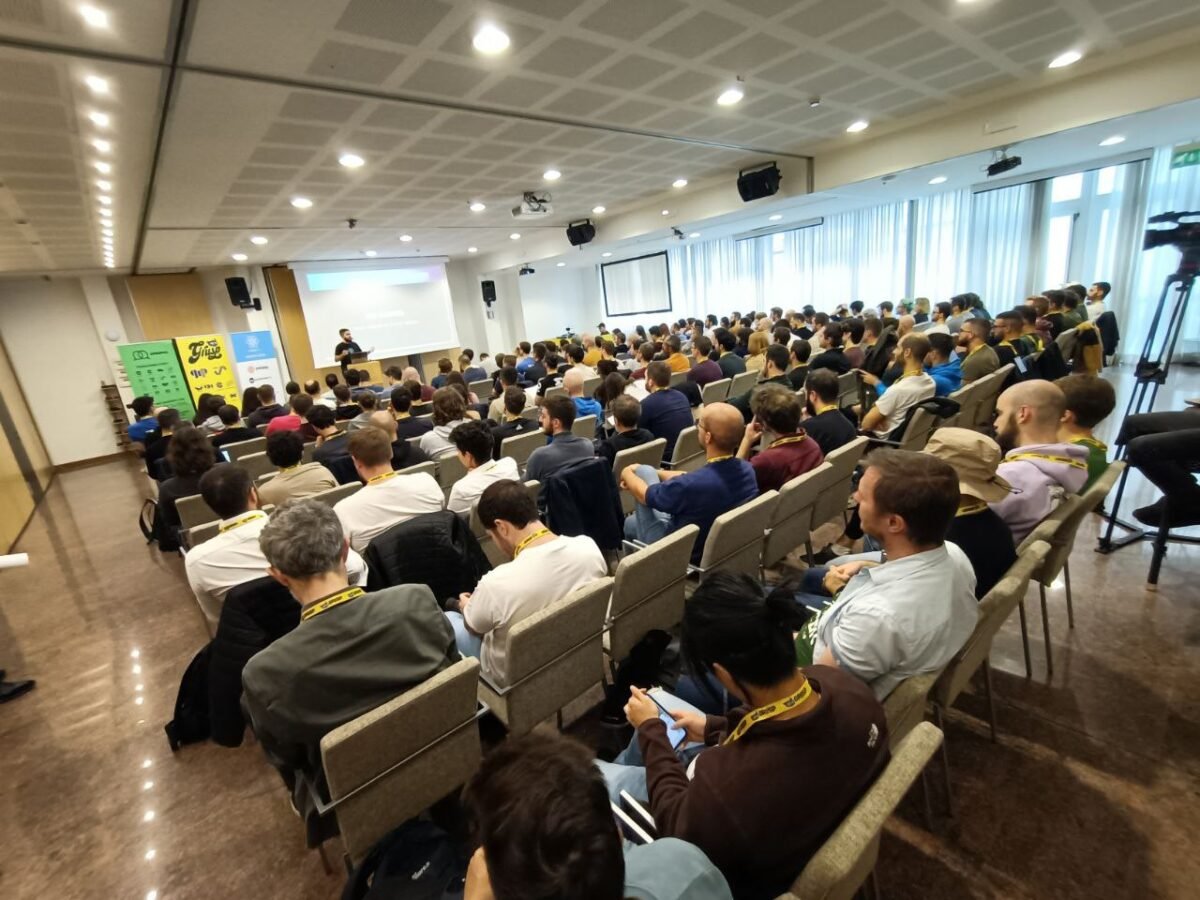
Hotel San Marco is the historic home of GrUSP conferences and has hosted Angular Day since its early editions. The venue offers a dedicated congress center with a large main auditorium for keynotes and headline talks, secondary rooms for parallel sessions when needed, a workshop area, a spacious exhibition and catering foyer, and an outdoor garden terrace used for networking breaks.
The site is designed for developer conferences. Each room is equipped with high-resolution projection, professional audio with multiple microphones, reliable high-speed Wi-Fi for live demos, and recording infrastructure. The exhibition foyer connects all rooms, meaning attendees can move between sessions, sponsor booths, coffee stations, and lunch without leaving the conference area. The hotel also provides on-site accommodation, a restaurant, a bar, and private parking, allowing attendees to stay and network within the same campus.
The layout supports both focused learning and informal exchange. Speaker corners are set up near the main hall for extended Q&A after talks, while quiet areas are available for attendees who need to work or rest between sessions.
풀 테크놀라 프로그램
The programme for Angular Day follows the proven GrUSP format that has made previous editions successful, with a single day packed with high-quality content and no filler tracks.
The day begins with registration and welcome coffee, followed by an opening keynote from a prominent figure in the Angular ecosystem. The keynote typically addresses the current state of Angular, major roadmap items, and the future direction of the framework in the context of modern web development. After the keynote, the schedule continues with a series of 40-minute talks including Q&A, selected through the Call for Papers process. These talks are organized to provide a logical progression from core framework features to advanced architectural topics.
Midday sessions focus on practical implementation, covering topics such as enterprise patterns, state management evolution, and tooling improvements. Afternoon sessions often include case studies from companies that run large Angular applications in production, sharing migration experiences, performance tuning results, and team organization lessons. The program also reserves time for panel discussions where speakers debate current controversies or best practices, such as the adoption of signals, the role of NgRx versus new alternatives, or strategies for incremental modernization.
The day concludes with a closing keynote and a final networking aperitivo. The full detailed programme with abstracts and speaker assignments is published on the official website once the Call for Papers is completed.
주요 연사 및 업계 리더
Angular Day is known for bringing together core contributors, Google Developer Experts, and senior engineers who work with Angular at scale. The lineup is curated through an open Call for Papers and direct invitations to ensure both technical depth and diversity of perspectives.
Expected speaker profiles for the upcoming edition include Angular team members and Google Developer Experts who can provide first-hand insight into the framework roadmap, maintainers of widely used libraries in the Angular ecosystem, senior frontend architects from large European product companies, and consultants who specialize in large-scale migrations and performance audits. Previous editions have featured engineers from major tech companies, authors of popular Angular books and courses, and leaders of open-source projects that extend Angular capabilities.
The selection criteria prioritize real-world experience over marketing presentations. Talks must include code, architecture diagrams, or measurable results. GrUSP also actively supports new voices through a scholarship and mentoring program that provides discounted or free tickets to under-represented groups and helps first-time speakers prepare their presentations. This combination ensures that attendees hear both from established authorities and from emerging community members with fresh ideas.
기술 분야 및 주제
Modern Angular Core: Standalone components, signals, control flow, deferrable views, hydration improvements, and new rendering features.
Architecture for Scale: Enterprise architecture patterns, micro frontends with Module Federation, monorepo management with Nx, domain-driven design for frontend, and modularization strategies.
State Management: Evolution of state management, from RxJS and NgRx to signals-based stores, best practices for data flow, and patterns for large applications.
Performance and Rendering: Change detection optimization, server-side rendering and hydration, partial hydration, performance budgets, lazy loading strategies, and Core Web Vitals improvement for Angular apps.
Tooling and Developer Experience: Angular CLI advancements, build optimization with esbuild and Vite, testing with Jest, Vitest, and Playwright, and linting and formatting at scale.
TypeScript and Quality: Advanced TypeScript patterns for Angular, strict mode adoption, refactoring strategies, and static analysis for large codebases.
Security and Accessibility: Secure coding for frontend applications, authentication flows with OAuth2 and OpenID Connect, Content Security Policy, and building accessible components.
Integration and Ecosystem: Integrating Angular with headless CMS, GraphQL, REST, and design systems, as well as interoperability with other libraries and platform features.
Team Practices: Migration strategies from legacy AngularJS or older Angular versions, upgrade automation, team onboarding, and maintainability metrics.
세션, 강연 및 발표
Sessions at Angular Day are structured to maximize learning and interaction within a single-day format. Each standard talk lasts 40 minutes including Q&A, which allows speakers to present a focused topic in depth while leaving time for audience questions. The program committee encourages speakers to include live code, real repository examples, and performance measurements rather than abstract slides.
Keynote sessions are longer and provide strategic context, often covering major framework releases, community direction, or lessons learned from building Angular at scale. Technical deep dives focus on specific subsystems, such as how the new signal-based reactivity system works under the hood, how to optimize change detection in complex component trees, or how to implement high-performance data grids.
Framework and ecosystem sessions cover practical patterns for building maintainable applications, such as structuring feature modules, managing dependencies, and implementing robust testing strategies. Case study presentations are particularly valued, as they share honest accounts of migration projects, including timelines, challenges, and measurable improvements in bundle size or load time.
All slides and code examples are collected and shared with attendees after the event, and session recordings are made available for on-demand viewing.
워크숍 및 시연
Workshops complement the conference day and provide hands-on, small-group learning opportunities. Workshops are typically half-day sessions limited to 25 to 30 participants to ensure direct interaction with the instructor.
Typical workshop topics include Advanced Angular Architecture, Mastering Signals and RxJS Interop, Performance Tuning for Large Applications, Testing Angular Applications at Scale, Building Design Systems with Angular, and Migrating to Standalone Components and Modern APIs. Participants work on prepared repositories with guided exercises that simulate real production scenarios. Instructors provide code reviews and answer project-specific questions during the session.
Live demonstrations in the exhibition area allow attendees to see profiling tools, build analyzers, and component libraries in action. Tool vendors and open-source maintainers offer direct assistance, helping attendees configure build pipelines, analyze bundle sizes, or set up testing environments. Workshop participation requires a laptop with Node.js, Angular CLI, and a code editor installed. Setup instructions are sent in advance to ensure smooth participation.
티켓 종류 및 등록
All prices are shown in USD excluding VAT unless stated, converted from official EUR pricing of previous GrUSP Angular events.
Early Bird In-Person Ticket: USD 216.00 + VAT
Includes access to all talks on the conference day, exhibition area, lunch, coffee breaks, evening aperitivo, and access to session recordings for 90 days. Limited quantity available until sold out.
Full Price In-Person Ticket: USD 324.00 + VAT
Includes same benefits as Early Bird ticket. This is the standard rate once Early Bird tickets are exhausted.
Online Live Ticket: USD 129.00 + VAT
Provides live streaming of all main track talks, interactive Q&A via chat, and on-demand access to all recorded talks for 90 days.
Workshop Ticket: USD 195.00 + VAT
Grants access to one half-day workshop, including workshop materials, coffee break, and a certificate of participation. Conference access is not included unless purchased as part of a combo.
Conference Plus Workshop Combo: USD 454.00 + VAT
Combines a Full Price In-Person Ticket with one workshop of choice at a discounted bundle rate.
Student and Community Scholarship Ticket: USD 43.00 + VAT or free via application
Available for students, individuals from under-represented groups, and those with financial need. Applications are reviewed by GrUSP and do not cover travel or accommodation.
Registration is handled exclusively through the official website. Invoices are issued by GrUSP APS with proper VAT handling for Italian, EU, and non-EU buyers. Group discounts for teams of five or more are available upon request.
스타트업 및 투자자 기회
Angular Day offers organic opportunities for startups and investors focused on frontend tooling and enterprise web applications. While the event is not a pitch conference, its attendee base includes CTOs, engineering managers, and founders of digital product companies and agencies, creating natural contexts for business conversations.
Startups building developer tools, component libraries, design system platforms, performance monitoring solutions, or testing tools can apply for a startup package that includes a small exhibition space in the community area at a reduced rate. This format is designed for conversations and product feedback rather than large booth presentations, making it ideal for early-stage companies seeking direct input from senior Angular developers.
For investors and corporate innovation teams, the conference provides access to technical decision makers who evaluate tooling and platforms. Startups are encouraged to submit technical talks about engineering challenges they have solved, which is viewed by the community as a more credible form of visibility than a sales pitch. Recruitment is another common use case, as many sponsors and startups use the event to meet experienced frontend talent.
전시업체 및 기술 기업
The exhibition area at Angular Day is curated to remain relevant and manageable. Rather than a large trade show floor, the expo is a single foyer that connects all session rooms, ensuring consistent traffic throughout the day.
Exhibitors typically include frontend tooling vendors, component library providers, testing and performance monitoring platforms, cloud and hosting providers specializing in frontend workloads, design system and UX consultancies, and training providers. Each exhibitor receives a branded space with a table, chairs, power, and Wi-Fi, plus access to a lead retrieval app that respects attendee privacy and requires explicit consent.
Community tables are provided free of charge to open-source projects, Angular user groups, and non-profit initiatives. These tables serve as meeting points for contributors and users to discuss roadmaps and contribution opportunities. Sponsorship packages are tiered to accommodate companies of different sizes, with clear limits on the number of sponsors per tier to maintain a balanced experience for attendees.
네트워킹 및 비즈니스 미팅
Networking at Angular Day is built into the schedule. Extended coffee breaks, a long lunch period, and an evening aperitivo provide ample time for conversations without missing sessions. The single-track nature of the main program means all attendees share the same schedule, which simplifies meeting coordination and ensures common topics for discussion.
A community Slack workspace is opened to ticket holders several weeks before the event and remains active afterward. Attendees use it to coordinate one-to-one meetings, share travel plans, discuss session topics, and continue technical debates. A dedicated meeting area with small tables is available in the exhibition foyer for pre-arranged business meetings and recruitment discussions.
Additional networking mechanisms include a physical and digital job board where companies can post openings and attendees can post availability, a speaker corner for extended Q&A after talks, and a community dinner held at a traditional restaurant in Verona. This dinner is open to speakers, sponsors, and attendees who purchase a ticket, providing a relaxed setting for deeper conversations beyond the venue.
행사 규칙 및 방문객 정보
행동 강령: All GrUSP events operate under a formal Code of Conduct that applies to attendees, speakers, sponsors, and staff. It prohibits harassment, discrimination, and unwelcome behavior and outlines clear reporting channels. Acceptance of the Code is required during registration.
배지 정책: Attendee badges must be worn visibly at all times within the venue. Badges contain a QR code used for check-in and lead retrieval and are non-transferable.
Recording Policy: The organizers arrange professional recording of all main track talks. Attendees may take photos for personal and social use but must not use flash during sessions and must respect speakers who request no recording. Recording of workshops by attendees is not permitted.
Security and Safety: The venue complies with Italian safety regulations. Emergency exits are clearly marked, and venue staff are available to provide first aid and assistance. A cloakroom is available for luggage and coats.
지속 가능성: Attendees are encouraged to use public transport and to bring reusable water bottles. Water dispensers are provided throughout the venue to reduce plastic waste.
언어: The entire conference, including talks, signage, and printed materials, is in English.
가는 방법
Hotel San Marco is located in the north-west area of Verona, outside the limited traffic zone, which makes it accessible by car while remaining close to the historic center.
자가용으로: From the A4 Milan-Venice motorway or the A22 Brenner-Verona motorway, take the Verona Nord exit and follow signs for Verona Centro. The hotel has its own signage on Via Longhena. On-site parking is available for a daily fee.
By Taxi: Taxis from the city center or from Verona Porta Nuova train station reach the venue in approximately 10 to 12 minutes depending on traffic. Official taxi ranks are located at Piazza Bra and at the train station.
항공편: The closest airport is Verona Valerio Catullo Airport, which is about 15 minutes by car or taxi from the venue. Other convenient airports include Milan Bergamo, Milan Malpensa, Venice Marco Polo, and Bologna Guglielmo Marconi, all connected to Verona by train or shuttle services.
기차 이용 시: Verona Porta Nuova is the main railway station on the high-speed Milan-Venice line and is well connected to major Italian cities and to Munich via the Brenner line. From the station, the venue can be reached by taxi or by local bus.
대중교통 및 주차
시내버스: ATV is the public transport operator in Verona. Several bus lines connect the train station and the historic center with the area around Via Longhena. Tickets can be purchased via the ATV app, at tobacconists, or on board with a surcharge. A single ticket costs approximately USD 1.60.
걷기 및 자전거 타기: The route from the historic center to the venue is pleasant and largely flat, following the Adige river for part of the way. Walking takes around 30 minutes. Verona has a bike-sharing system and is generally bike-friendly, with bike racks available near the venue.
Parking at the Venue: Hotel San Marco offers private paid parking for hotel guests and conference attendees. The daily rate is approximately USD 22.00, subject to availability. Spaces are limited, so early reservation is recommended.
City Center Parking: If you plan to visit the historic center after sessions, large paid parking facilities such as Parcheggio Centro, Parcheggio Arena, and Parcheggio Saba are available and connected to the center by shuttle or on foot.
Accessible Transport: Most city buses are low-floor and accessible. Accessible taxis can be booked in advance through Radiotaxi Verona.
숙박 구역
Accommodation in Verona ranges from budget options to boutique hotels, and early booking is recommended due to high tourist demand.
Venue Hotel: Hotel San Marco itself offers a limited number of rooms at a special conference rate, typically between USD 135.00 and USD 165.00 per night including breakfast. The code for this rate is provided after ticket purchase.
San Massimo and Borgo Milano Area: Immediately surrounding the venue, this residential area offers three-star hotels and bed and breakfasts within a short walk, with rates generally between USD 75.00 and USD 120.00 per night.
Historic Center: The Citta Antica area offers a wide selection of boutique hotels, four-star properties, and apartments, with rates from USD 140.00 to USD 250.00 per night. Staying here provides easy access to restaurants and sights in the evening.
Porta Nuova Station Area: This area is convenient for those arriving by train and offers business hotels in the range of USD 90.00 to USD 150.00 per night.
예산에 맞는 옵션: Hostels, guesthouses, and university-area accommodations are available from USD 45.00 per night, suitable for students and attendees on a tight budget.
접근성
Hotel San Marco is fully accessible. The building has step-free entrances, elevators serving all conference floors, and accessible restrooms on each level. All session rooms are reachable by elevator.
Reserved seating is available in all conference rooms for attendees with mobility needs, and staff can assist with navigation between rooms. The main auditorium is equipped with a hearing loop, and all speakers are required to use microphones. Slides and presentation materials can be made available in accessible formats upon request if attendees notify the organizers in advance.
Catering includes vegetarian, vegan, and gluten-free options, and dietary requirements can be indicated during registration. A quiet room is available for attendees who need a low-stimulation environment. Service animals are welcome in accordance with Italian law. Attendees with specific accessibility requirements are encouraged to contact the organizers ahead of time so that appropriate arrangements can be made.
전년도 하이라이트
The previous edition of Angular Day was held at Hotel San Marco in Verona and continued the tradition of the event as the leading Italian conference dedicated to Angular. The event gathered several hundred developers, architects, and engineering leaders from Italy and across Europe for a full day of technical content and community interaction.
The program featured a keynote on the state of Angular, deep dives into new framework features such as signals and standalone components, sessions on enterprise architecture and micro frontends, and practical case studies from companies running large Angular applications in production. Workshops held around the conference day covered advanced topics such as performance tuning and modern state management.
The exhibition area hosted tooling vendors and community projects, providing opportunities for hands-on demos and direct interaction with maintainers. Social events, including an evening aperitivo and a community dinner at a traditional Veronese restaurant, were highlighted by attendees as valuable for building lasting professional relationships. Feedback emphasized the high technical quality of talks, the welcoming atmosphere, and the excellent organization by the GrUSP volunteer team. Recordings and slides from previous years are available through the official website and the GrUSP YouTube channel.
공식 등록 및 티켓
Registration for Angular Day is managed exclusively through the official website.
공식 웹사이트: https://www.angularday.it/
연락처 이메일: angularday@grusp.org
장소: Hotel San Marco, Via Baldassarre Longhena, 42, 37138 Verona, Italy
Early Bird in-person tickets are typically priced around USD 216.00 plus VAT, Full Price in-person tickets around USD 324.00 plus VAT, Online Live tickets around USD 129.00 plus VAT, and workshop tickets around USD 195.00 plus VAT. Conference plus workshop combos are available at a bundled rate of approximately USD 454.00 plus VAT. These prices are based on previous editions and converted to USD, as current pricing has not been officially announced.
Upon successful registration, attendees receive a confirmation email with a QR code for check-in, an invoice, and instructions for joining the community Slack workspace. For group bookings or special invoicing requirements, contact the organizers directly via email.
비디오
위치
자주 묻는 질문
Is Angular Day suitable for developers who are new to Angular?
Yes, Angular Day welcomes all experience levels, although most content is targeted at intermediate to advanced developers. If you are relatively new to Angular, you will benefit from sessions that cover modern fundamentals, best practices, and migration approaches. The community is known for being welcoming and supportive, and the hallway track provides excellent opportunities to ask questions and get mentorship from experienced developers who work with Angular daily.
Will session recordings be available after the conference for later viewing?
Yes, all main track talks are professionally recorded and made available to ticket holders after the event. Recordings are usually published within two weeks of the conference and remain accessible on demand for ninety days. This allows attendees to catch up on sessions they missed and to revisit complex topics. Workshops are typically not recorded in order to encourage open interaction and hands-on experimentation.
Does the standard conference ticket include access to workshops?
No, workshops are sold separately from the standard conference ticket to keep class sizes small and interactive. The conference ticket includes access to all keynote and technical track talks, the exhibition area, catering, and session recordings. You can add a workshop during checkout or purchase a combined conference plus workshop bundle at a discounted rate that includes both the conference day and your chosen workshop.
What is the language of the conference and is there a Code of Conduct?
The entire conference is held in English, including all talks, question and answer sessions, signage, and printed materials, to accommodate the international audience. Angular Day enforces a formal Code of Conduct that applies to all attendees, speakers, sponsors, and staff to ensure a safe, inclusive, and harassment-free environment. Acceptance of the Code is required during registration and reporting channels are clearly communicated.
How can I apply to become a speaker or sponsor for Angular Day?
If you wish to speak, you can submit a proposal through the Call for Papers section on the official website, which typically opens in spring and remains open until mid-July. The program committee reviews submissions blind and provides mentoring for first-time speakers. For sponsorship opportunities, contact the GrUSP team via email to request the sponsorship prospectus with details on booth options and community packages.

답글 남기기