


À quoi s’attendre en 2027
FESCAAAL, the Festival of African, Asian and Latin American Cinema, is one of Italy’s longest-running film festivals dedicated specifically to the cinemas and cultures of Africa, Asia and Latin America. Founded in 1991 as the Festival of African Cinema, it adopted its current name in 2004 and has developed into an international platform for feature films, documentaries, short films, emerging filmmakers and intercultural cinema.
The 2027 edition will take place in March 2027 (Dates TBD) in Milan. The final programme, competition titles, guest list and screening timetable have not yet been announced.
FESCAAAL places particular attention on young filmmakers, new audiovisual languages and films that may have limited exposure to Italian audiences. Its programme brings together productions from Africa, Asia and Latin America while also including Italian and Italy-based filmmakers through the EXTR’A competition.
Profitez de votre événement sans stress avec Italy Travelo
Que vous voyagez pour un festival mondialement connu, un concert en direct, une célébration culturelle ou un événement professionnel, Italy Travelo vous aide à simplifier chaque étape de votre voyage. Notre équipe propose une assistance personnalisée aux voyages, vous permettant de vous concentrer sur la création de souvenirs durables.
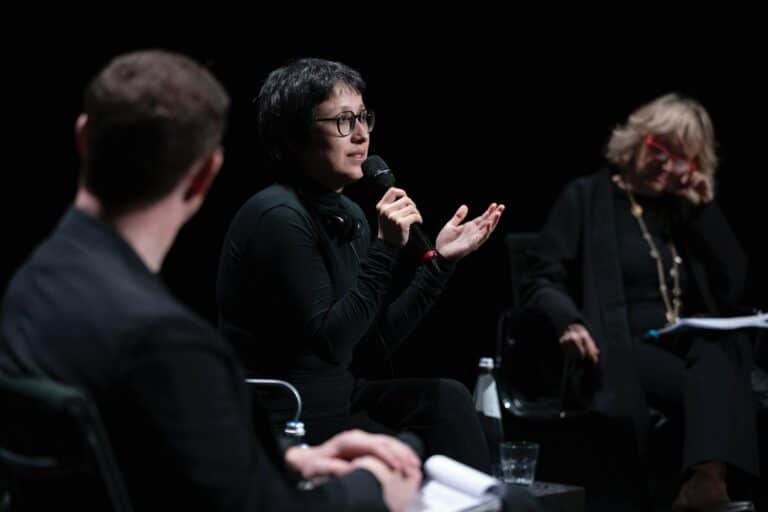
The festival combines cinema with meetings, round tables, educational activities, university programmes and community events. The Festival Center also provides a meeting point where audiences and guests can interact outside the screening rooms.
Recent editions have increasingly used a multi-venue format, extending screenings and cultural activities into different neighbourhoods, community cinemas and universities around Milan.
Dates des festivals
March 2027 (Dates TBD)
The exact 2027 festival dates have not yet been announced. FESCAAAL traditionally takes place during March and runs as a concentrated multi-day festival in Milan.
The programme generally includes daytime and evening screenings, filmmaker meetings, workshops, discussions and special events. The schedule is normally spread across several cinemas and cultural spaces rather than being confined to a single venue.
Visitors planning a trip should wait for the official 2027 calendar before arranging travel around particular films, premieres or guest appearances.
Vous visitez cet événement ? Ne manquez pas ces activités et expériences locales étonnantes pendant votre séjour.
Lieux et lieux de festival
FESCAAAL is a multi-venue festival with its main screenings taking place at established Milanese cinemas and cultural institutions.
Recent editions have used Cineteca Milano Arlecchino as one of the principal festival cinemas. The venue is centrally located near San Babila and has hosted feature-film competitions, documentaries, short films and special presentations.
Auditorium San Fedele is another important festival location, situated near Piazza San Fedele and the Duomo area. It has hosted screenings, meetings and festival activities.
Other locations can be added through the FESCAAAL Diffuso programme. Recent editions have taken selected screenings and activities to community cinemas, universities and different neighbourhoods of Milan.
Potential festival locations include:
- Cineteca Milano Arlecchino
- Auditorium San Fedele
- Cinema Godard at Fondazione Prada
- Biblioteca Morandini
- Cinema Teatro Cristallo
- Sala Argentia Cinema Teatro
- University locations
- Community cinemas participating in FESCAAAL Diffuso
The exact 2027 venue map should be checked when the official programme is published.
Programme complet
The complete 2027 programme has not yet been announced. FESCAAAL’s established structure provides a useful indication of the sections visitors can expect.
The principal competitive sections include the Windows on the World Feature Film Competition, the African Short Film Competition and EXTR’A Competition. The festival also presents Flash screenings, special and thematic sections, retrospectives and tribute programmes.
The programme can include:
- International feature-film competition
- African short-film competition
- EXTR’A competition
- Documentary screenings
- Flash special screenings
- Thematic film programmes
- Retrospectives
- Tributes
- Filmmaker Q&As
- Tables rondes
- Ateliers
- University screenings
- School programmes
- MiWorld Young Film Festival activities
- Festival Center activities
- Special cultural events
The educational programme is an important part of FESCAAAL. The MiWorld Young Film Festival is integrated into the wider festival and includes screenings, youth and teachers’ juries, meetings with directors, seminars and workshops.
University activities can also include screenings, meetings with filmmakers and training opportunities.
Zones d’hébergement
Milan offers a large range of hotels, serviced apartments, hostels and short-stay accommodation, making it possible to choose accommodation according to the festival venues you plan to visit.
Visitors attending screenings mainly around the city centre may consider accommodation near Duomo, San Babila, Brera, Porta Venezia or Milano Centrale.
The central area is particularly convenient because several festival venues can be reached by Metro or on foot. Staying near a Metro station can also make it easier to reach venues outside the historic centre.
Useful areas include:
- Duomo and San Babila
- Brera
- Cordusio
- Porta Venezia
- Cadorna
- Porta Romana
- Navigli
- Milano Centrale
Visitors attending FESCAAAL Diffuso events should check the location of individual activities before choosing accommodation, as the programme can extend beyond the main central venues.
Restauration et restauration
Milan provides an extensive selection of restaurants, cafés, bakeries, bars and international dining options around the festival locations.
The central venues are surrounded by restaurants and cafés, making it practical to have lunch or dinner between screenings.
Visitors interested in exploring Milanese cuisine can look for traditional dishes such as risotto alla milanese, cotoletta alla milanese and other Lombard specialities. Milan also has a large international food scene, which fits naturally with a festival celebrating African, Asian and Latin American cultures.
The Festival Center has also functioned as a meeting space for audiences and guests, with refreshments and social activities connected to the festival programme. Recent editions have included tea tastings and happy-hour style gatherings at the Festival Center.
Accessibilité
FESCAAAL uses several cinemas and cultural venues across Milan, so accessibility can differ between individual locations.
Major central venues such as Cineteca Milano Arlecchino and Auditorium San Fedele should be checked individually for accessible entrances, seating arrangements and facilities before attending.
The multi-venue format means visitors with mobility requirements should examine the location of each screening rather than assuming that accessibility arrangements are identical across the festival.
The festival’s educational activities also serve younger audiences, including school groups and university students.
Visitors requiring specific assistance should contact the festival office before attending and provide the details of the screening or venue they intend to visit.
Meilleures projections à laquelle assister
The 2027 film selection has not yet been announced, so individual film recommendations cannot be confirmed.
The Windows on the World Feature Film Competition is a central section for visitors interested in new feature-length fiction and documentary cinema from Africa, Asia and Latin America. The competition specifically focuses on recent productions and emerging directors.
The African Short Film Competition is another important programme for discovering new filmmakers. The section is dedicated to fiction and documentary shorts made by African directors and has a particular focus on emerging voices and new cinematic approaches.
EXTR’A is useful for visitors interested in multicultural Italy and films made by Italian or Italy-based directors dealing with Africa, Asia, Latin America, migration, integration and intercultural themes.
The Flash section can also be worth following because it presents significant premieres, recent works by established directors and films that have received recognition at major international festivals.
Faits marquants de l’année précédente
The most recent documented edition presented an extensive programme of films from Africa, Asia and Latin America, together with special screenings, filmmaker meetings, university activities and the FESCAAAL Diffuso programme.
One of the feature-film competition highlights was Yunan, directed by Ameer Fakher Eldin. The film received its Italian premiere at FESCAAAL in collaboration with Bif&st and Intramovies and featured Georges Khabbaz, Hanna Schygulla, Ali Suliman, Sibel Kekilli and Tom Wlaschiha.
The programme also included The Settlement by Mohamed Rashad, In the Summers by Alessandra Lacorazza and Transamazonia by Pia Marais. The latter was accompanied by a conversation with director Pia Marais and actress Helena Zengel at Cinema Godard of Fondazione Prada.
The festival also presented a tribute to Mexican director Alonso Ruizpalacios, including Güeros et Una película de policías.
FESCAAAL Diffuso expanded the festival beyond its principal venues through screenings and cultural activities in Milan neighbourhoods, community cinemas and universities.
Billets officiels et accréditation
The official FESCAAAL website is the primary source for 2027 tickets, passes, accreditation, film submissions and the complete programme.
Festival del Cinema Africano, d’Asia e America Latina
Previous festival rules state that public screenings are accessible through individual tickets or a festival pass, while discounted passes have been available for journalists, cultural associations, people over 65 and students. Meetings with filmmakers and guests have been free to attend.
For filmmakers and professionals, accreditation and participation arrangements should be checked through the official festival office once the 2027 regulations are published.
Festival contact
- Phone: +39 02 669 6258
- Email: festival@coeweb.org
- Website: FESCAAAL.org
- City: Milan, Italy
Films en vedette & premières
The 2027 film selection has not yet been announced.
FESCAAAL’s programme traditionally gives considerable importance to premieres, particularly within the Windows on the World competition and the Flash section. The festival describes Flash as a section for significant premieres, recent films by established directors and films recognised at major international festivals.
Previous editions have included Italian premieres such as Yunan, which was presented in the Windows on the World Feature Film Competition.
The festival also presents films that may be difficult to encounter through mainstream Italian cinema distribution, helping audiences discover cinema from regions and filmmaking communities across Africa, Asia and Latin America.
The final 2027 catalogue should identify each film’s country of production, director, running time, language, subtitles, competition section and premiere status.
Réalisateurs, acteurs et invités
FESCAAAL regularly invites directors, actors, producers and other film professionals to Milan for screenings, Q&A sessions and discussions.
The presence of filmmakers from Africa, Asia and Latin America is an important part of the festival’s professional and cultural mission. The organisers specifically describe these encounters as opportunities for professional exchange with Italian and European film-sector participants.
Recent programmes have included directors such as Ameer Fakher Eldin, Pia Marais, Mohamed Rashad and Alessandra Lacorazza.
The festival has also hosted actors and other creative professionals connected with individual films. For example, the presentation of Transamazonia included director Pia Marais and actress Helena Zengel.
The 2027 guest list will be announced as films and special programmes are confirmed.
Calendrier des projections
The detailed 2027 screening schedule has not yet been released.
FESCAAAL normally distributes screenings throughout the festival’s participating cinemas, with afternoon and evening sessions covering different competition and special-programme sections.
A typical programme can include:
- Afternoon feature screenings
- Documentary presentations
- Evening competition screenings
- Short-film programmes
- Special premieres
- Retrospective screenings
- Filmmaker Q&As
- University screenings
- School screenings
- Special events and panels
Recent schedules have included screenings at Cineteca Milano Arlecchino, Auditorium San Fedele and Cinema Godard, as well as FESCAAAL Diffuso events in other locations.
Visitors should check the final online programme for the exact screening time, venue, film language and subtitle information.
Types de billets et accréditations
FESCAAAL’s public admission system has traditionally included individual cinema tickets and festival passes.
Previous regulations state that audiences can enter cinema screenings by purchasing an individual ticket or a pass valid for the festival’s screenings. Discounted passes have also been available for journalists, cultural associations, people over 65 and students.
The previous rules do not specify the public ticket prices in the available official material, so a verified previous-edition dollar price cannot be stated without inventing a figure. The 2027 ticket prices should therefore be treated as pending official announcement.
The festival has also offered streaming access through a pass-based system in previous editions. Meetings with directors and guests have been free of charge.
Industrie et accès professionnel
FESCAAAL has a significant professional component because it brings international filmmakers and Italian and European film professionals together.
The festival’s official objectives include creating opportunities for professional exchange and encouraging North-South and South-South co-productions.
Professional activities can include filmmaker meetings, round tables, university sessions, workshops and discussions connected with the selected films.
The Festival Center provides an informal meeting point where guests and audiences can interact, while university activities provide additional opportunities for students and emerging professionals.
Selected films can also become part of the COE Foundation’s catalogue for non-commercial distribution and home-video use in Italy, subject to the festival’s arrangements.
Tapis rouge & événements spéciaux
FESCAAAL is more focused on international cinema and cultural exchange than on a conventional celebrity red-carpet format.
Its special events can include premieres, filmmaker conversations, tributes, retrospectives, round tables, live discussions and screenings involving partner organisations.
Recent programming included a conversation with Pia Marais and Helena Zengel following Transamazonia, as well as a tribute to Alonso Ruizpalacios.
The festival also operates a Festival Center where guests, filmmakers and audiences can meet between screenings.
Special programmes can extend outside the principal cinemas through FESCAAAL Diffuso, bringing films and cultural activities into neighbourhoods, universities and community cinemas around Milan.
Règles du festival
FESCAAAL establishes specific competition regulations for each edition. The 2027 rules should be consulted when the new call for entries is published.
The current competition structure includes the Windows on the World Feature Film Competition, African Short Film Competition and EXTR’A Competition. Feature films in the main competition must be fiction or documentaries from Africa, Asia or Latin America, while the African short-film competition is dedicated to short fiction and documentary works by African directors.
EXTR’A is intended for Italian or Italy-based directors whose films are connected with Africa, Asia or Latin America or explore multicultural themes in Italy.
The most recent regulations allowed films and videos produced during the preceding two-year period to participate, with specific premiere requirements depending on the competition.
Selected films must meet the festival’s technical and subtitle requirements. The festival can accept DCP and HD files, while selected films may require English or Italian subtitles depending on the original language.
Comment y arriver
Milan is one of Italy’s main international transport hubs and can be reached easily by air, rail and road.
The city is served by three major airports: Milan Malpensa, Milan Linate and Bergamo Orio al Serio. Linate is particularly convenient for reaching central Milan, while Malpensa and Bergamo provide extensive international connections.
Milan Centrale is the city’s principal long-distance railway station and has high-speed connections with cities throughout Italy as well as international rail services.
Visitors arriving by train can use Milan’s extensive Metro and tram network to reach the principal FESCAAAL venues.
For international visitors, flying into Milan and using public transport for the final journey is generally practical because the main festival cinemas are located within the city’s public-transport network.
Transports en commun et stationnement
Public transport is one of the most practical ways to move between FESCAAAL venues.
Cineteca Milano Arlecchino is near San Babila and is accessible by Milan Metro. Auditorium San Fedele is close to the Duomo area, while other festival venues can be reached using combinations of Metro, tram and bus services.
Because FESCAAAL is a multi-venue festival, visitors should check each screening’s location before travelling. The festival’s Diffuso programme can take events into neighbourhoods and locations outside the principal central venues.
Driving into central Milan can be less convenient because of traffic, restricted-access areas and limited parking. Visitors travelling by car should check current local traffic restrictions and parking facilities before entering the city centre.
Using public transport also makes it easier to attend multiple screenings at different venues during the same day.
Vidéo
Localisation
FAQ
What is the primary location of the event?
The main events, opening ceremonies, and marquee screenings take place across historic cultural venues and auditoriums located throughout Milan. Attendees can easily navigate between the central partner theaters using Milan's extensive public transit network.
How can filmmakers submit their movies for consideration?
Submissions are accepted digitally through official festival platform partners during designated application windows leading up to the spring season. Interested applicants should thoroughly review category guidelines and technical specifications prior to uploading their files.
Are there networking opportunities for industry professionals?
Industry guests can participate in specialized co-production forums, curated masterclasses, and networking mixers designed to foster international collaboration. These gatherings facilitate direct communication between directors, producers, sales agents, and potential financial partners.
What kind of films are featured in the lineup?
The festival programs a diverse, carefully curated mix of feature-length narrative films, short projects, and hard-hitting documentaries. Special thematic tracks are also dedicated to experimental cinema, environmental studies, and diaspora works.
How are the winning films selected?
Winners are chosen through a comprehensive evaluation process combining expert artistic judgment from international jury panels and democratic public voting. Awards are presented across multiple distinct competitive categories during the grand closing award ceremony.

Laisser un commentaire