
À quoi s’attendre en 2027
The Cuneo Mountain Festival is a city-wide celebration of mountain culture, outdoor activities, Alpine communities, environmental issues, sport, local traditions and sustainable development. Organised by the Municipality of Cuneo with regional and local partners, the festival brings together conferences, talks, exhibitions, screenings, music, cultural activities and outdoor experiences.
The 2027 edition is expected to continue the festival’s distributed format, with activities taking place across Cuneo’s historic centre and other cultural and outdoor locations. A central feature is the Alpine Village, where visitors can meet organisations, associations, producers and other mountain-related exhibitors.
The festival also provides a meeting point for people interested in hiking, mountaineering, cycling, skiing, mountain culture, Alpine architecture, environmental protection, tourism and the future of mountain communities.
Profitez de votre événement sans stress avec Italy Travelo
Que vous voyagez pour un festival mondialement connu, un concert en direct, une célébration culturelle ou un événement professionnel, Italy Travelo vous aide à simplifier chaque étape de votre voyage. Notre équipe propose une assistance personnalisée aux voyages, vous permettant de vous concentrer sur la création de souvenirs durables.
Dates des événements
Période de l’événement : May 2027
2027 dates: Dates à déterminer
The specific 2027 calendar dates have not yet been announced. The festival traditionally takes place during May, with the programme spread across several days and additional activities sometimes organised before or after the principal festival programme.
Visitors should check the official Cuneo Mountain Festival website for the confirmed 2027 programme and individual activity schedules.
Vous visitez cet événement ? Ne manquez pas ces activités et expériences locales étonnantes pendant votre séjour.
Lieu et site d’exposition
The Cuneo Mountain Festival uses a distributed city-centre format rather than one conventional exhibition centre.
Alpine Village: Via Roma is transformed into the festival’s Alpine Village, providing space for exhibitors, organisations, demonstrations and meetings connected with mountain life. The latest edition featured more than 40 stands in the Alpine Village.
Cinema Monviso: Used for film screenings, meetings and presentations connected with mountain culture.
San Giovanni Hall: Used for conferences and educational events.
CRC Foundation Meeting Space: Hosts conferences and discussions, including sessions focused on Alpine architecture.
Municipality of Cuneo: The Hall of Honor is used for presentations, meetings and exhibitions.
Casa del Fiume: Used for workshops, outdoor-related activities and educational programmes.
Centre historique : Public squares, museums, cultural venues and streets throughout central Cuneo become part of the festival programme.
Programme complet de l’événement
The 2027 programme has not yet been published, but the established festival format includes several major areas of activity.
Conferences and talks: Discussions involving mountain experts, academics, writers, photographers, athletes and representatives of mountain communities.
Mountain culture: Presentations explore Alpine history, traditions, architecture, tourism and contemporary life in highland areas.
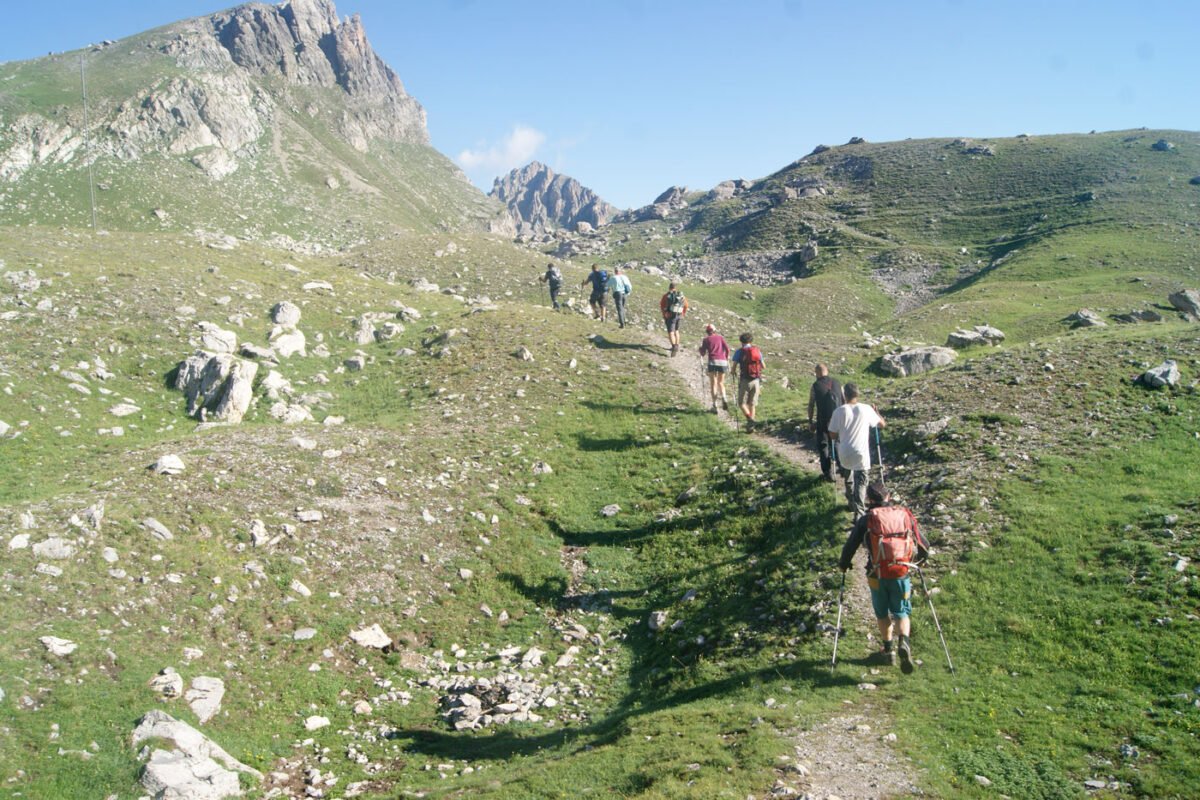
Outdoor activities: Guided experiences and practical activities introduce visitors to the natural environment around Cuneo.
Cinema: Mountain films, documentaries and special screenings form a regular part of the festival.
Exhibitions: Photography, historical and environmental exhibitions complement the main programme.
Music and culture: Occitan music, dance and other cultural performances connect the festival with the traditions of the Alpine region.
Alpine Village: The exhibition area allows visitors to meet organisations, producers, associations and other mountain-related participants.
Entreprises et exposants présentés
The complete 2027 exhibitor list has not yet been announced.
The Alpine Village traditionally brings together a broad selection of mountain-related organisations and local enterprises rather than functioning solely as a commercial trade fair. The official festival description identifies natural parks, associations such as CAI, local producers and other organisations from the surrounding territory among the participants.
Potential exhibitor categories include:
- Mountain associations and outdoor organisations
- Natural parks and protected-area representatives
- Local agricultural and food producers
- Hiking and trekking organisations
- Tourism and hospitality operators
- Outdoor and sporting organisations
- Cultural and heritage associations
- Environmental initiatives
- Alpine community projects
- Local institutions and territorial organisations
The 2027 participant list should be checked once applications and exhibitor selections are published.
Agriculture & environmental sectors
Mountain agriculture and environmental protection are important themes within the festival’s broader discussion of Alpine territories.
The programme regularly addresses the relationship between communities and their natural surroundings, including sustainable tourism, climate change, valley depopulation and responsible approaches to mountain development.
The Alpine Village also provides an opportunity to discover local producers and mountain-related products.
Environmental themes may include:
- Alpine biodiversity
- Protected natural areas
- Sustainable tourism
- Mountain agriculture
- Local food production
- Climate change
- Forests and natural landscapes
- Sustainable mobility
- Preservation of mountain communities
- Responsible outdoor recreation
Products, technologies & innovations
The festival is not a conventional technology exhibition, but innovation is represented through projects addressing the future of mountain territories.
Visitors can encounter ideas and projects related to sustainable mobility, outdoor recreation, environmental monitoring, mountain tourism, local production, education and new approaches to living and working in Alpine areas.
The festival’s emphasis on the future of mountain communities also creates space for discussions about how technology and innovation can support services, connectivity and sustainable development in remote territories.
Demonstrations & workshops
Practical experiences are an important component of the Cuneo Mountain Festival.
Outdoor experiences: Guided activities introduce participants to the natural environment and mountain landscapes around Cuneo.
Educational workshops: Previous editions have included workshops connected with writing, mountain culture and environmental subjects.
Sport demonstrations: Activities connected with running, cycling and other outdoor disciplines can form part of the programme.
Family activities: Educational and experiential activities help younger visitors discover mountain environments and traditions.
Cultural workshops: Photography, storytelling, natural orientation and traditional culture have all appeared within the broader festival programme.
Some activities require advance reservations because places can be limited. In the latest edition, the Davide Longo writing workshop had 20 available places and sold out.
Types de billets et immatriculation
The majority of Cuneo Mountain Festival activities are free.
Accès général au festival : Free for visitors.
Alpine Village: Free public access to the exhibition and meeting area.
Conferences and talks: Generally free, with reservations required for selected activities.
Exhibitions: Generally free to visit where included in the public festival programme.
Outdoor activities: Many activities are free, although some may require advance registration or have limited capacity.
Previous-edition paid workshop: The latest published programme included a Davide Longo writing workshop priced at approximately $12, based on the published previous-edition fee. This is a previous-edition reference and is not a confirmed 2027 price.
Professional & trade visitor access
The Alpine Village is particularly useful for visitors interested in the professional and organisational side of mountain tourism and development.
Potential professional audiences include:
- Tourism operators
- Outdoor businesses
- Local producers
- Mountain associations
- Environmental organisations
- Public institutions
- Researchers and academics
- Architects and planners
- Hospitality professionals
- Cultural organisations
The festival is primarily a public cultural event rather than a restricted business trade fair. The latest Alpine Village application process allowed companies to apply to exhibit, subject to the municipality’s technical regulations and selection procedures.
Salles d’exposition et plan d’étage
There is no conventional multi-hall exhibition centre or standard indoor trade-fair floor plan.
The exhibition component is distributed across Cuneo, with the Alpine Village on Via Roma serving as the principal exhibition area. The latest edition included more than 40 stands in this area.
Other exhibition locations can include municipal buildings, cultural institutions, museums and public spaces.
The final 2027 Alpine Village layout and exhibitor placement should be checked once the organiser publishes the new edition’s information.
Sustainability & environmental initiatives
Sustainability is a recurring theme of the Cuneo Mountain Festival, reflecting its focus on the future of mountain territories.
The festival regularly discusses climate change, sustainable tourism, protection of natural landscapes, mountain depopulation and ways of maintaining viable communities in highland areas.
Outdoor activities also encourage visitors to experience mountain environments while learning about their ecological and cultural value.
Previous programmes have included environmental storytelling, natural-orientation activities, biodiversity-related experiences and discussions about sustainable mobility and services for mountain territories.
Règles de l’épreuve
Festival activities follow the rules established by the organisers and individual host venues.
Réserves : Selected conferences, workshops and outdoor experiences may require advance booking.
Capacité : Activities with limited seating or participant numbers may close once capacity is reached.
Outdoor safety: Participants in excursions and practical activities must follow instructions from organisers and activity leaders.
Règles du lieu : Visitors must comply with the regulations of museums, cinemas, public buildings and other participating venues.
Changements de programme : Outdoor and public activities may be modified because of weather, logistical requirements or other organisational circumstances.
Exhibitors: Organisations participating in the Alpine Village must comply with the municipality’s technical regulations and application requirements.
Comment y arriver
Cuneo is located in Piedmont in northwestern Italy and serves as an important gateway to the surrounding Alpine valleys.
En voiture : Cuneo can be reached through the regional road network connecting the city with Turin, Fossano, Mondovì and the surrounding mountain valleys.
From Turin: Road and rail connections link Turin with Cuneo, making the city accessible for visitors arriving from the regional capital.
From the Alpine valleys: Local roads connect Cuneo with the surrounding mountain communities, making the festival a practical base for exploring the wider province.
Once in the city, many festival venues are concentrated around the historic centre and can be reached on foot.
Transports en commun et stationnement
Train : Cuneo railway station provides regional connections, including services linking the city with Turin and other locations in Piedmont.
Bus locaux : Urban and regional bus services connect the railway station, city centre and surrounding neighbourhoods.
Marche : The distributed festival format makes walking one of the easiest ways to move between central venues.
Stationnement : Visitors arriving by car can use public parking facilities around Cuneo and then walk towards the historic centre. During major festival activities, temporary traffic arrangements may affect access to some central streets.
Because the Alpine Village is located in the central Via Roma area, visitors should expect to walk from some parking areas.
Zones d’hébergement
Cuneo historic centre: The most convenient area for visitors who want to stay close to the Alpine Village, cultural venues, restaurants and evening activities.
Cuneo railway station area: Suitable for visitors arriving by train and wanting convenient access to regional transport.
Borgo San Dalmazzo: A practical option outside central Cuneo, particularly for visitors travelling by car.
Limone Piemonte: Useful for visitors combining the festival with mountain activities in the surrounding Alpine area.
Mondovì: Another accommodation option for visitors travelling through southern Piedmont and exploring the wider region.
Accessibilité
Because the festival is distributed across public streets, squares, museums, cinemas and municipal buildings, accessibility can vary between individual venues.
Central locations such as Via Roma and major public squares generally provide easier pedestrian access, while older buildings and outdoor locations may have steps, uneven surfaces or other limitations.
Visitors requiring specific accessibility arrangements should contact the organiser or individual venue before attending workshops, guided outdoor activities or events in historic buildings.
The distributed format also means that visitors may need to travel between different venues during the same day.
Faits marquants de l’année précédente
The latest completed edition centred on the theme of “crossing borders,” using the idea of going beyond physical, cultural and conceptual boundaries as a common thread. The programme combined talks, conferences, screenings, concerts, exhibitions and outdoor experiential activities.
A major feature was the Alpine Village on Via Roma, where more than 40 stands created a public meeting space dedicated to discovering, discussing and experiencing mountain culture.
The programme included discussions about Alpine architecture, mountain education, fortifications, mobility, endurance sport and mountain communities. It also featured exhibitions, cinema, Occitan music and dance, photography and outdoor activities.
The latest programme also included a special event dedicated to Olympic cross-country skier Federico Pellegrino, a tribute to mountain guide and rescuer Nino Perino, and a film presentation dedicated to Hans Clemer.
Billets officiels et inscription
The Cuneo Mountain Festival is primarily a free public event. The latest official information stated that festival events were free, with reservations required where applicable.
General visitor access: Libre.
Réserves : Required for selected activities with limited capacity.
Ateliers : Certain special workshops may carry separate fees; the latest published example was approximately $12 for the Davide Longo writing workshop.
Alpine Village exhibitors: Exhibitor participation follows a separate application and selection process established by the Municipality of Cuneo.
The 2027 programme, registration links and any paid activities should be checked through the official festival website once released.
Site officiel : https://www.festivaldellamontagna.it/
Localisation
FAQ
What is the primary thematic focus of the Cuneo Mountain Festival?
The festival focuses on exploring alpine culture, environmental conservation, mountaineering excellence, and sustainable living in high-altitude regions. Through academic conferences, documentary screenings, and art exhibitions, it bridges urban awareness with rural mountain traditions. It serves as a major annual hub for international mountain studies and community celebration.
Are the events, panels, and workshops open to the general public?
Most public exhibitions, open-air markets, film screenings, and general panels are fully accessible to all attending visitors without charge. While some specialized masterclasses, keynote auditorium seating, or guided excursions require reservations or nominal booking fees, many activities are entirely free. The inclusive programming welcomes families, hikers, and casual travelers alike.
What kinds of outdoor activities can visitors experience during the event?
Attendees can join guided hiking excursions, nature walks, and educational treks led by certified professional mountain guides. These outdoor programs cater to varied fitness levels while teaching participants about local geology, flora, and fauna. It offers a practical, safe way to experience the stunning natural landscapes surrounding Cuneo.
How can independent publishers and authors participate in the literary segments?
Authors and specialized academic presses can submit inquiries through the official festival website to present their latest works. The literary marketplace and author panels provide dedicated platforms for discussing alpine books, poetry, and historical research. Selected writers frequently participate in scheduled book-signing sessions with attendees.
What family-friendly activities are available for children and teenagers?
The festival features specialized youth programs, hands-on craft workshops, junior climbing sessions, and outdoor survival games. Children can explore interactive science displays, listen to traditional mountain storytelling circles, and watch animated films. These engaging tracks are designed to inspire a lifelong appreciation for nature and alpine heritage.

Laisser un commentaire