

À quoi s’attendre en 2027
Festa dell’Uva di Riccia is one of Molise’s best-known harvest celebrations, bringing together grape harvesting traditions, wine, local food, folklore, music and spectacular allegorical floats in the historic centre of Riccia, in the province of Campobasso.
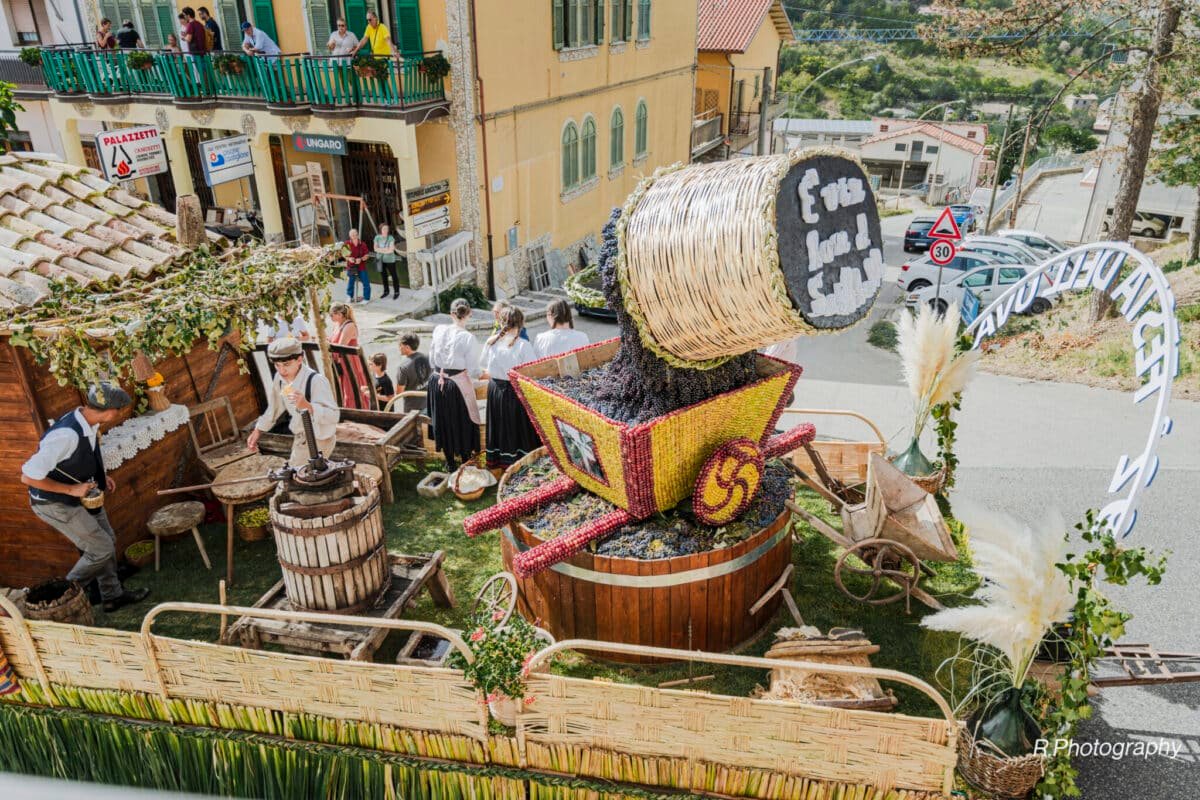
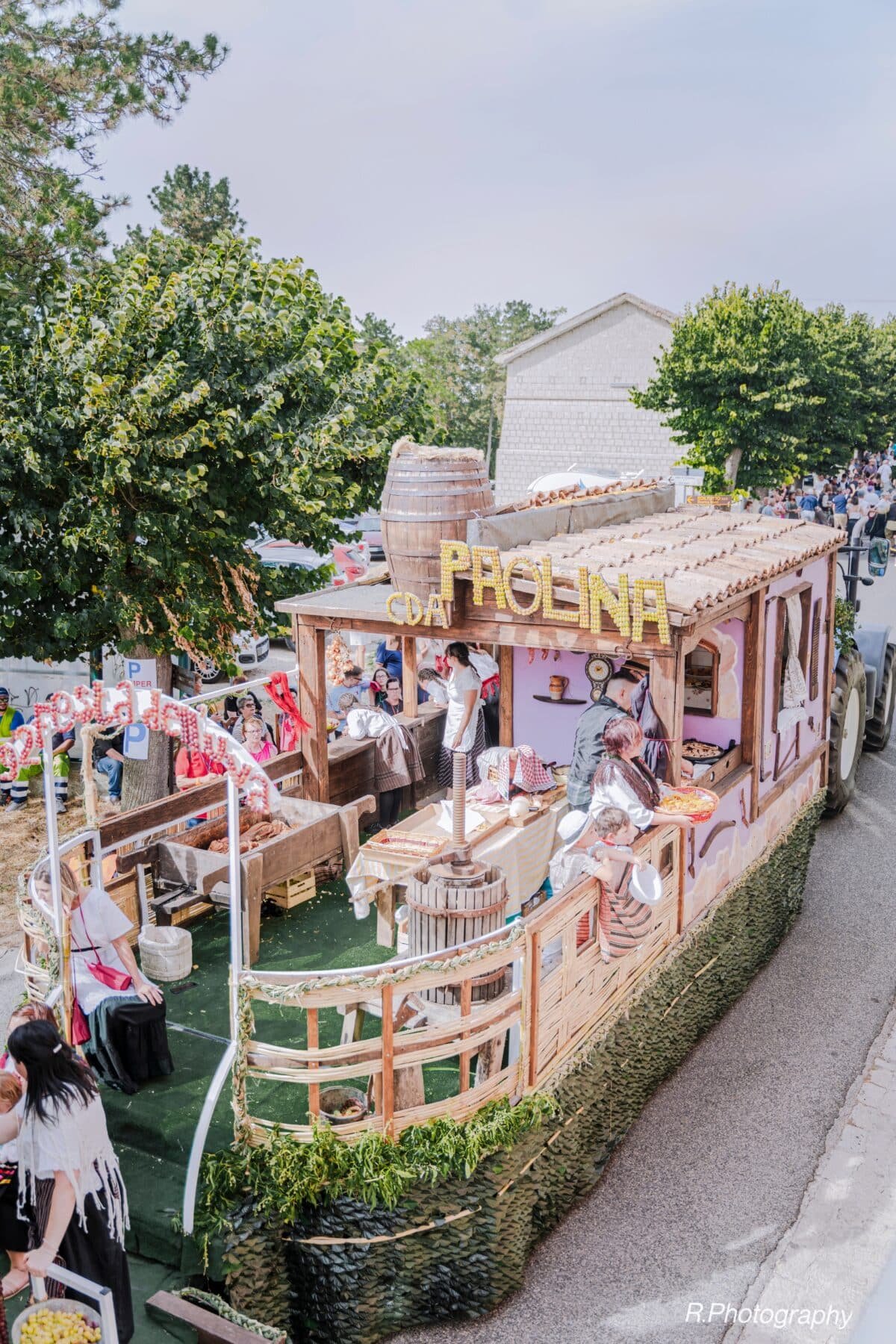
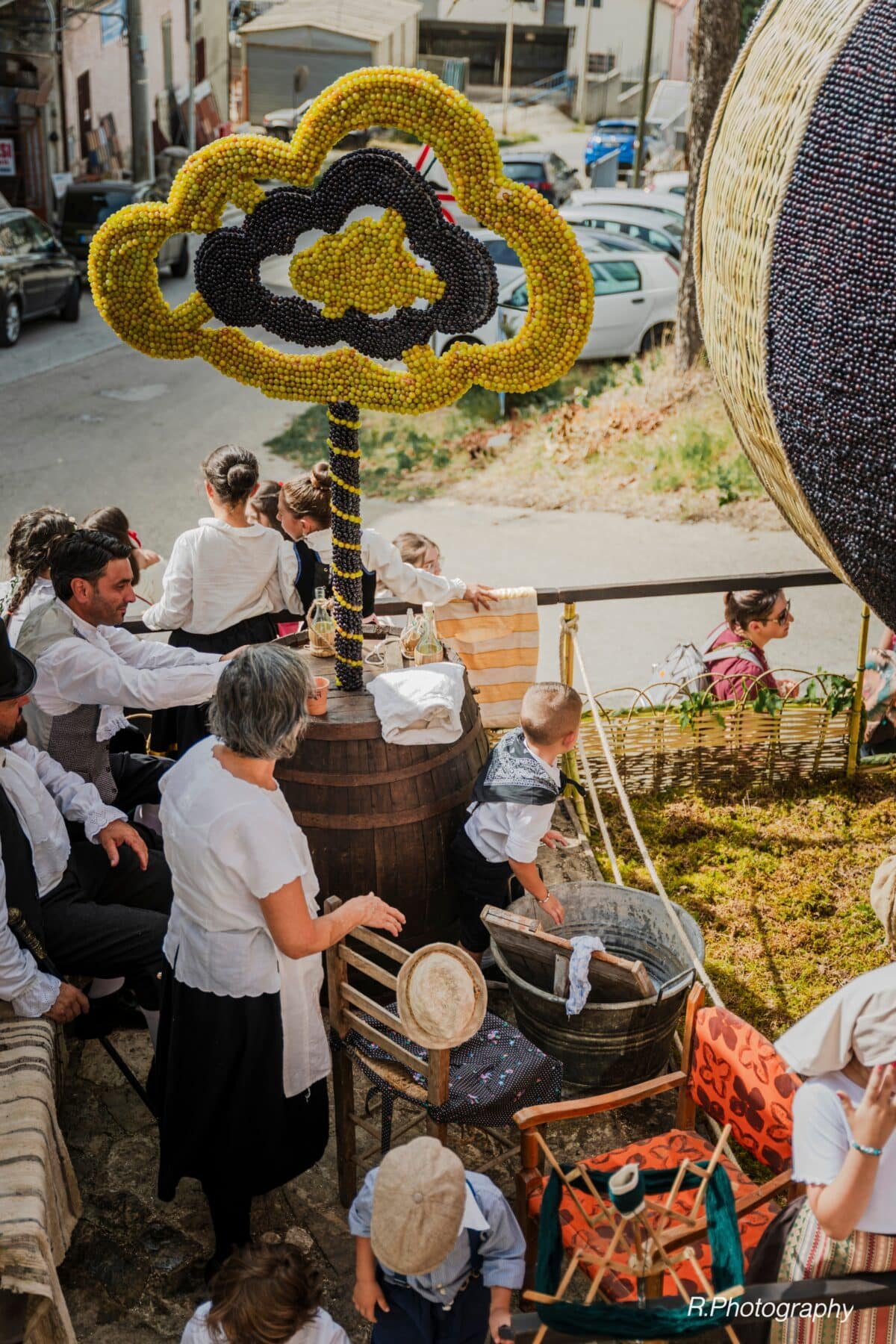
The festival has roots dating back to the early 1930s and has preserved a distinctive tradition of creating enormous allegorical carts decorated with individual grape berries. These colourful creations are built by local communities and become the centrepiece of the main procession.
The 2027 programme has not yet been announced, but visitors can expect the event to continue its established combination of:
Profitez de votre événement sans stress avec Italy Travelo
Que vous voyagez pour un festival mondialement connu, un concert en direct, une célébration culturelle ou un événement professionnel, Italy Travelo vous aide à simplifier chaque étape de votre voyage. Notre équipe propose une assistance personnalisée aux voyages, vous permettant de vous concentrer sur la création de souvenirs durables.
- Allegorical grape-covered floats
- Traditional costumes and folklore
- Local wine tastings
- Traditional Molise food
- Gastronomic stands
- Live music and folk performances
- Bands, flag throwers and majorettes
- Cultural walks through the historic centre
- Children’s workshops
- Conferences and agricultural discussions
- The Palio delle Botti barrel race
- Religious and traditional ceremonies
- Evening entertainment
The festival is not simply a wine tasting event. It is a community celebration where Riccia’s historic centre becomes an open-air stage for local craftsmanship, food, wine and agricultural heritage.
Dates des événements
September 2027 (Dates TBD)
The exact 2027 calendar dates have not yet been announced.
The Festa dell’Uva traditionally takes place in September around the grape harvest season, with the major allegorical-float procession forming the central attraction. The latest published edition ran across several days and combined food, wine, cultural activities, entertainment and the main parade.
For official programme announcements, visit https://festadelluvadiriccia.it/.
Vous visitez cet événement ? Ne manquez pas ces activités et expériences locales étonnantes pendant votre séjour.
Lieu et site du festival
The festival is centred on Riccia, a historic town in the province of Campobasso, Molise.
The main festival locations include:
- Piazza Sedati – Main gastronomic and entertainment area.
- Historic centre of Riccia – Main route for the allegorical procession, food activities and cultural events.
- Sala Consiliare – Used for conferences and educational meetings.
- Torre – Used for selected musical and cultural activities.
- Santuario del Carmine – Traditional starting point for the main allegorical-float procession.
- Town streets and squares – Used for folklore, bands, tastings and the parade.
Piazza Sedati is particularly important for food and entertainment, while the surrounding historic streets provide the setting for the main procession and cultural activities.
Full food & drink programme
The gastronomic programme focuses on traditional Molise cooking and products associated with the grape harvest.
Recent editions have included food stands operating throughout the festival, with visitors able to sample regional dishes alongside local wines.
The food programme can include:
- Cavatelli with sausage ragù
- Traditional Molise pasta
- Local sausage
- Grilled meats
- Regional cured meats
- Local cheeses
- Bread and bakery products
- Seasonal vegetables
- Traditional sweets
- Fresh grapes
- Local wine
- Other regional beverages
The combination of wine and traditional food is central to the festival, with gastronomic stands positioned in Piazza Sedati and along the festival route.
Featured foods & specialties
One of the best-known dishes associated with the festival is cavatelli served with sausage-based sauce. Cavatelli are a traditional southern Italian pasta shape particularly associated with Molise and neighbouring regions.
Other food highlights can include:
- Cavatelli with sausage ragù
- Local pork sausage
- Grilled meat
- Traditional Molise pasta dishes
- Local cheeses
- Salumi and cured meats
- Seasonal vegetables
- Fresh grapes
- Regional bread
- Traditional desserts
- Local wine paired with traditional dishes
The festival’s culinary identity is deliberately connected with the agricultural character of Riccia, making traditional food an important companion to the grape and wine celebrations.
Restaurants, vendors & producers
The festival’s food programme is primarily delivered through temporary gastronomic stands and local food providers rather than a conventional commercial food festival with a fixed list of international vendors.
Piazza Sedati traditionally hosts the main food stands, which serve regional dishes throughout the festival.
Visitors can expect participation from:
- Local cooks
- Regional food producers
- Gastronomic associations
- Traditional-food vendors
- Local wine producers
- Small agricultural producers
- Community-run food stands
The event is organized through the Comitato Festa dell’Uva di Riccia together with the Pro Loco di Riccia, giving the food programme a strong community and local-production character.
Wine, beer & beverage selection
Wine is one of the defining elements of Festa dell’Uva di Riccia.
The festival celebrates the grape harvest and includes wine tastings designed to introduce visitors to local and regional wines. The latest programme included an itinerant wine-tasting experience through the historic centre, allowing visitors to combine wine discovery with exploration of the village.
The beverage programme may include:
- Local Molise wines
- Regional red wines
- Regional white wines
- Rosé wines
- Fresh grape products
- Beer
- Soft drinks
- Mineral water
- Coffee
- Other standard festival beverages
The exact 2027 wine producers and tasting selection have not yet been announced.
Tastings, cooking demos & workshops
The festival combines food and wine with educational and cultural activities.
Recent programmes have included:
- I Luoghi del Gusto – An itinerant wine-tasting experience through the historic centre.
- Dalla Vite alla Tavola – A conference exploring the journey from vineyard to food.
- L’Arte della Festa dell’Uva – A children’s workshop connected with the festival tradition.
- Trekking dei Carri – A walking experience visiting the workshops where the allegorical carts are created.
- Tradizioni a Confronto – A cultural discussion focused on local traditions.
- Passeggiata storico-culturale – A guided-style walk through Riccia.
- Food and wine discovery activities.
The float workshops are particularly interesting because they reveal how the festival’s most recognizable creations are produced by local communities before the main procession.
Ticket types & entry options
The 2027 admission arrangements have not yet been announced.
Recent editions have generally offered free access to most of the festival, with one main parade day using a separate admission arrangement. The latest published edition listed general admission as free and a previous published Sunday admission price of approximately $6.
Previous-edition reference:
- General festival admission: Gratuit
- Main parade day: approximately $6
- Food and drinks: purchased separately
- Wine tastings: individual activity or tasting arrangements
The approximately $6 figure is a previous-edition reference only and should not be treated as confirmed 2027 pricing.
VIP & premium experiences
Festa dell’Uva di Riccia does not currently advertise a conventional VIP ticket or premium hospitality package.
Instead, the more distinctive experiences are connected with the festival’s cultural and gastronomic programme.
These can include:
- Guided or organized wine tastings
- Visits connected with the allegorical carts
- Cultural walks
- Access to educational conferences
- Traditional food experiences
- Viewing the decorated carts after the main procession
- Exploring the historic centre during the quieter cultural activities
The festival’s emphasis is on community participation and traditional celebration rather than a separate VIP hospitality structure.
Règles de l’épreuve
Visitors should follow instructions from the festival committee, Pro Loco, municipal authorities and event staff.
Important practical considerations from the latest published arrangements include:
- Follow temporary traffic and pedestrian restrictions.
- Use designated access points during the busiest periods.
- Follow official parking instructions.
- Keep children supervised.
- Respect the allegorical carts and procession route.
- Do not enter restricted parade areas.
- Follow instructions from security and event personnel.
- Check the latest programme for changes to access arrangements.
During the latest published edition, restrictions included a prohibition on bringing glass containers and cans into the main pedestrian area during the busiest parade period. Firecrackers were also prohibited, and visitors were instructed not to throw grapes.
Comment y arriver
Riccia is located in the province of Campobasso in the Molise region of southern-central Italy.
En voiture : The town is accessible through the regional road network, with the SS17 providing an important approach toward the area.
From Campobasso: Riccia is approximately 30 km from Campobasso and can be reached by road from the provincial capital.
From Naples: Visitors can travel toward the Molise region using the main road network before continuing inland toward Riccia.
From Rome: Riccia can be reached by combining motorway and regional roads toward Campobasso and the surrounding Molise countryside.
Because the historic centre becomes heavily pedestrianised during the main festival activities, visitors arriving by car should use designated peripheral parking rather than attempting to drive directly into the centre.
Transports en commun et stationnement
The nearest major transport hub is Campobasso, from where visitors can continue to Riccia using regional bus services.
Parking is normally arranged outside the busiest central streets because the festival introduces temporary traffic restrictions.
Recent arrangements have included:
- Peripheral parking areas
- Dedicated camper parking
- Disabled parking spaces
- Pedestrian access points
- Temporary traffic restrictions
- Controlled access to the historic centre
The latest published arrangements identified camper parking in Via Cacciamurata and disabled parking in areas including Via Calemme, Piano della Corte and Largo Airella.
The exact 2027 parking and shuttle arrangements should be checked with the organizers before travelling.
Zones d’hébergement
Riccia is the most convenient place to stay for visitors who want to remain close to the festival.
Other useful bases include:
- Riccia: Best for being within walking distance of the festival areas.
- Campobasso: The nearest larger city and a practical base with more accommodation choices.
- Jelsi: A nearby Molise town suitable for exploring the surrounding countryside.
- Gambatesa: Useful for visitors looking for a smaller-town or rural stay.
- Bojano: A practical base for exploring other parts of the province.
- Benevento: An alternative for visitors combining Riccia with Campania.
Accommodation in Riccia can be limited during the main festival period, so visitors planning an overnight stay should reserve early.
Food & drink highlights
The best food experience comes from combining the gastronomic stands with the festival’s wine programme and historic-centre activities.
Les points forts sont les suivants :
- Cavatelli with sausage ragù
- Traditional Molise pasta
- Local sausage and grilled meats
- Regional cheeses and salumi
- Fresh grapes
- Local wines
- Wine-tasting routes
- Traditional sweets
- Food stands in Piazza Sedati
- Regional products from local producers
The festival is especially attractive for visitors interested in seeing how food, wine and agricultural traditions are integrated into a large community celebration rather than presented as separate attractions.
Accessibilité
The festival takes place largely through the historic centre of Riccia, where streets and squares can become crowded and pedestrianised during the main events.
Visitors with reduced mobility should plan ahead because some areas of the historic centre may involve slopes, uneven surfaces or dense crowds.
Recent arrangements have included dedicated disabled parking areas, including locations around Via Calemme, Piano della Corte and Largo Airella.
For specific accessibility requirements, visitors should contact the Pro Loco or festival organizers before travelling so that the latest parking, access and pedestrian arrangements can be confirmed.
Meilleurs jours à assister
For the main spectacle: Choose the day of the grand allegorical-float procession. This is the central attraction of the Festa dell’Uva and features grape-covered carts, costumes, music, folklore groups and the community parade.
For wine lovers: Choose a programme day featuring the itinerant wine-tasting experience and food stands.
For families: Look for the children’s workshops and daytime cultural activities.
For traditional culture: Attend the events combining historical walks, religious traditions, folklore and local music.
For a complete experience: A multi-day visit allows time for the food programme, wine tasting, cart workshops, cultural activities, music and the main parade.
Faits marquants de l’année précédente
The latest published edition was the 94th Festa dell’Uva di Riccia and featured a four-day programme of gastronomy, music, cultural activities and the traditional allegorical-cart celebration.
The programme included:
- L’Arte della Festa dell’Uva children’s workshop
- Dalla Vite alla Tavola conference
- I Luoghi del Gusto itinerant wine tasting
- Trekking dei Carri through the cart workshops
- Tradizioni a Confronto conference
- Palio delle Botti
- Traditional religious procession
- Historic-cultural walk
- Main allegorical-cart parade
- Evening concerts
- Final cart awards
Music highlights included Singin’ Woods, FruitJoy Big Band, Senduki, Canzoniere Grecanico Salentino, ‘O Rom and DJ Reverendo Podolico.
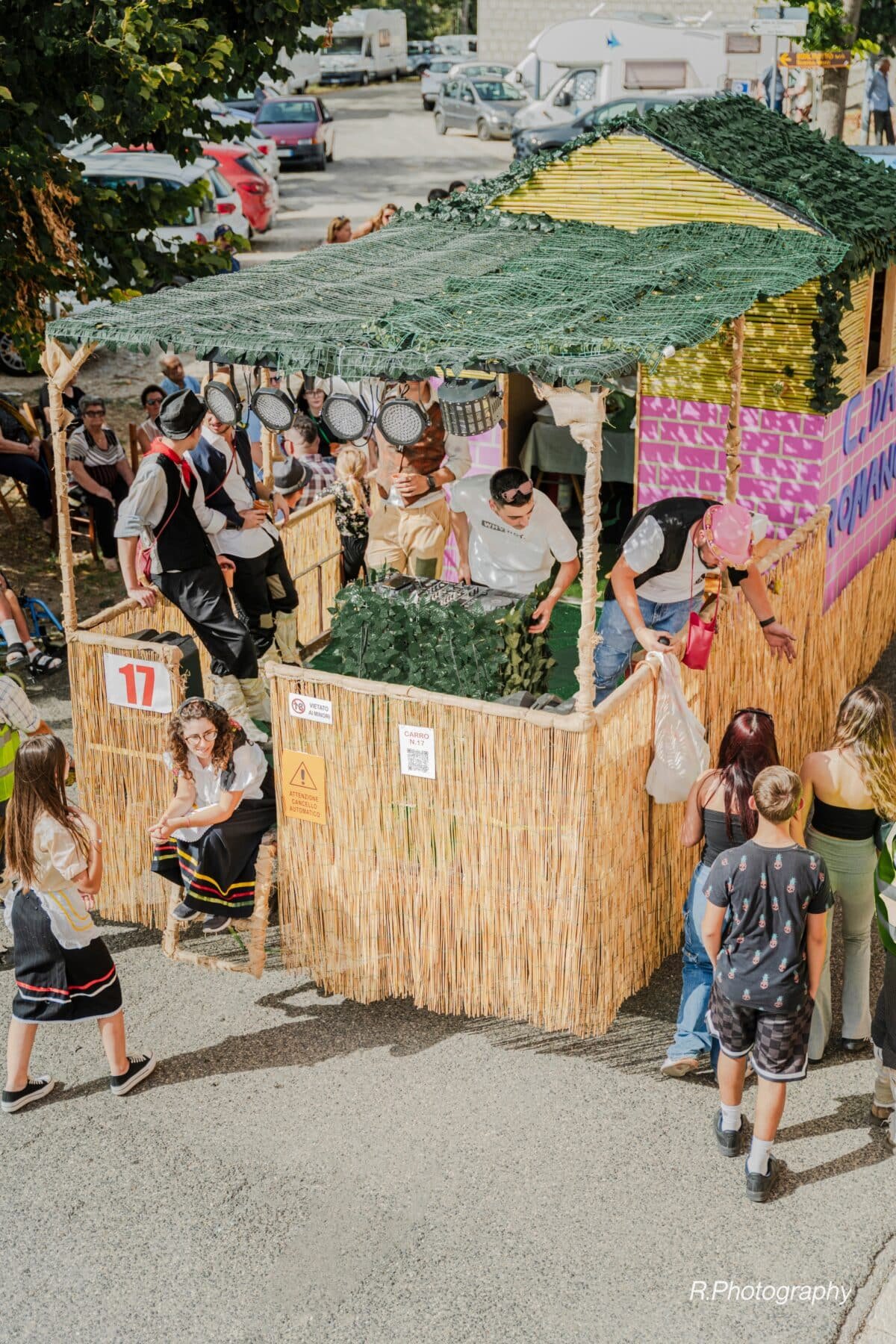
The main parade remained the defining attraction, with grape-covered allegorical carts created by local communities and accompanied by traditional costumes, music and folklore performances.
Billets officiels
The official website is the main source for 2027 programme announcements, admission information and any future ticketing arrangements.
The latest published edition had free general admission, with a separate admission arrangement for the main parade day. Food, drinks and individual tasting experiences are handled separately.
The 2027 ticket information has not yet been announced, so previous-edition admission information should be treated only as a reference.
Site officiel : https://festadelluvadiriccia.it/
Visitors can also follow the official festival channels for programme announcements, parade information and updates from the Comitato Festa dell’Uva di Riccia and Pro Loco di Riccia.
Vidéo
Localisation
FAQ
What is the primary cultural highlight featured during the festival celebration?
The event features a magnificent procession of massive allegorical floats decorated entirely with thousands of real, fresh grapes crafted by local artisans.
Are there specialized wine-tasting experiences available for adult attendees?
Visitors can participate in expert-led masterclasses and cellar tastings exploring indigenous regional varieties such as Tintilia del Molise and local DOCG selections.
How can travelers arriving with recreational vehicles manage parking near the venue?
Organizers establish designated perimeter parking areas and specialized camper accommodation zones outside the historic center, supported by continuous shuttle services.
What types of family-friendly activities are provided for children during the event?
Families can enjoy dedicated play zones featuring hands-on natural crafting workshops, historical wooden lawn games, and interactive storytelling sessions.
How does the festival manage environmental waste across the historic venue?
Single-use plastics are strictly replaced with certified biodegradable materials, and strategic recycling stations ensure comprehensive organic waste separation.

Laisser un commentaire