

-
Oktober 31, 2026
Veranstaltungsdatum:
-
15. November 2026
Veranstaltungsende:
Was 2026 zu erwarten ist
The Salone Nazionale Bianco Pregiato returns to Città di Castello for its 46th edition, expanding into a new three-weekend format dedicated to the white truffle of the Alta Valle del Tevere. The 2026 edition introduces a completely redesigned exhibition layout and the debut of the new Palazzo del Bianco, adding new spaces and experiences to the established truffle fair.
The event is centred on the Tartufo Bianco Pregiato, also known locally as the “trifola,” and brings together specialist truffle businesses, producers, food operators, Pro Loco associations, Slow Food Presidia, chefs, sommeliers and truffle hunters.
Besucher können mit einer Kombination von:
Genießen Sie Ihre Veranstaltung stressfrei mit Italy Travelo
Egal, ob Sie zu einem weltberühmten Festival, einem Live-Konzert, einer kulturellen Feier oder einer Geschäftsveranstaltung reisen – Italy Travelo hilft Ihnen, jeden Schritt Ihrer Reise zu vereinfachen. Unser Team bietet personalisierte Reiseunterstützung, sodass Sie sich darauf konzentrieren können, bleibende Erinnerungen zu schaffen.
- White truffle market and specialist exhibitors
- Agricultural and regional food market
- Villaggio dei Sapori
- Villaggio delle Pro Loco
- Slow Food Presidia market
- Ristorante Bianco Pregiato
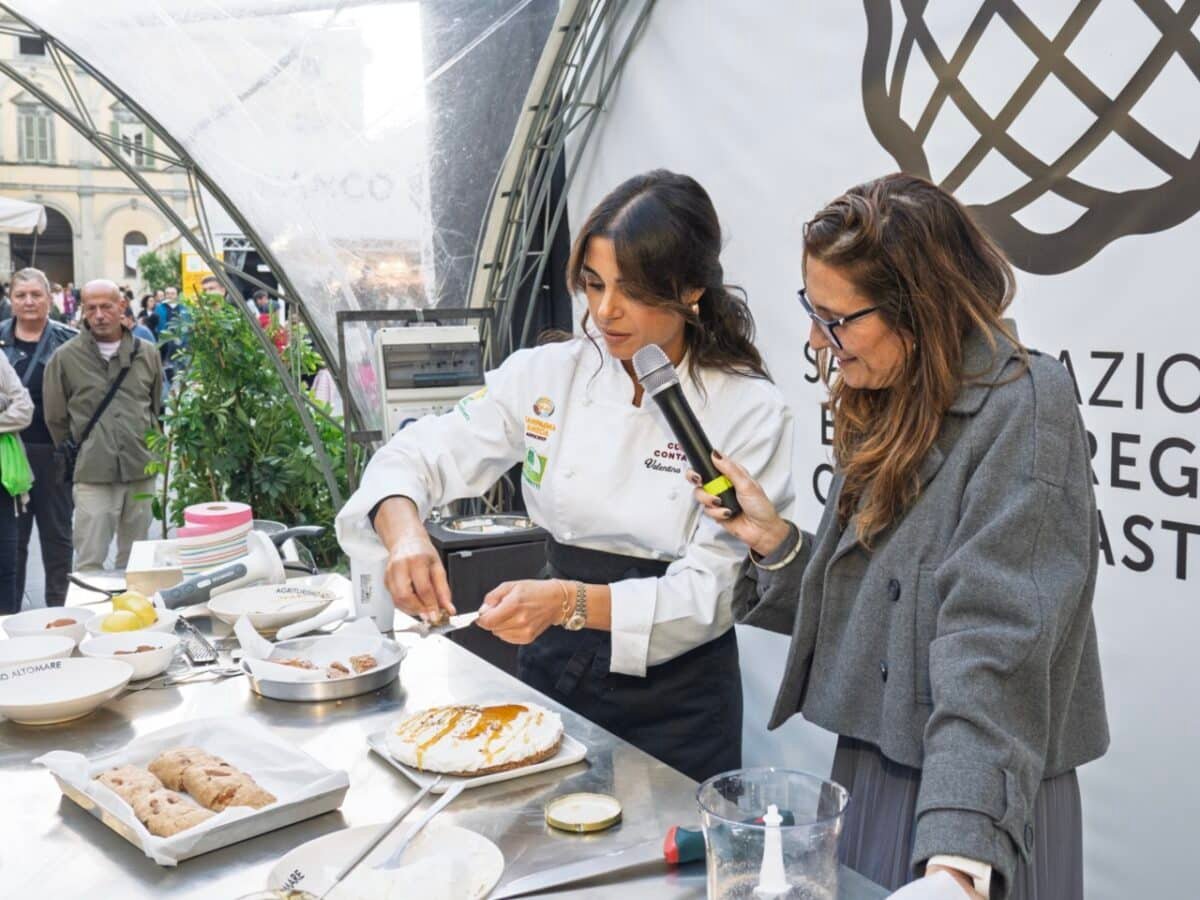
- International cooking shows
- Guided truffle tastings
- Wine and spirits experiences
- Truffle mixology
- Family and children’s activities
- Lagotto Romagnolo events
- Truffle-hunter presentations
- Cultural exhibitions and podcasts
- Gourmet dinners and specialist experiences
The event also highlights the traditional relationship between truffle hunters and their dogs. The wider Città di Castello area has more than 1,500 truffle hunters and over 3,000 dogs involved in the local truffle culture, according to the municipality.
Veranstaltungstermine
The 2026 Salone Nazionale Bianco Pregiato takes place across three weekends:
- October 31 and November 1, 2026
- November 7–8, 2026
- November 14–15, 2026
The event is therefore spread across six main public festival days, giving visitors several opportunities to experience the different culinary, cultural and educational programmes.
The three-weekend format is one of the principal changes introduced for the 46th edition. The municipality describes it as part of a new approach to expanding the festival and showcasing the white truffle and the wider territory.
Besuchst du diese Veranstaltung? Verpasse diese großartigen Aktivitäten und lokalen Erlebnisse nicht, solange du hier bist.
Veranstaltungsort und Festivalgelände
Hauptstandort: Historic centre of Città di Castello, Province of Perugia, Umbria, Italy
Main festival areas: Piazza Matteotti, Piazza Gabriotti, Piazza Fanti, Largo Gildoni, Loggiato Gildoni, Piazza Andrea Costa and Palazzo Bufalini.
The 2026 festival uses a distributed town-centre layout, with different squares and historic buildings dedicated to specific parts of the programme.
Piazza Matteotti: Home to the Padiglione Bianco Pregiato, the principal white-truffle market, Campagna Amica Coldiretti and the International Cooking Show area.
Piazza Gabriotti: Hosts the Villaggio dei Sapori, where visitors can discover Italian specialities and regional food products.
Piazza Fanti: The Bianco Pregiato Kids area provides a dedicated family space for reading, drawing, creative workshops and children’s activities.
Largo Gildoni: Hosts the Villaggio delle Pro Loco and local food specialities.
Loggiato Gildoni: Dedicated to Slow Food Presidia and their products.
Piazza Andrea Costa: Home to the Ristorante Bianco Pregiato and podcast activities focused on local truffle hunters.
Palazzo Bufalini: Hosts several specialist experiences, including sensory activities, wine and food experiences, gala events and other presentations.
Komplettes Speise- und Getränkeprogramm
The 2026 food programme is built around the white truffle but extends into Umbrian agriculture, Slow Food products, wine, spirits, beer, local cuisine and international culinary interpretations.
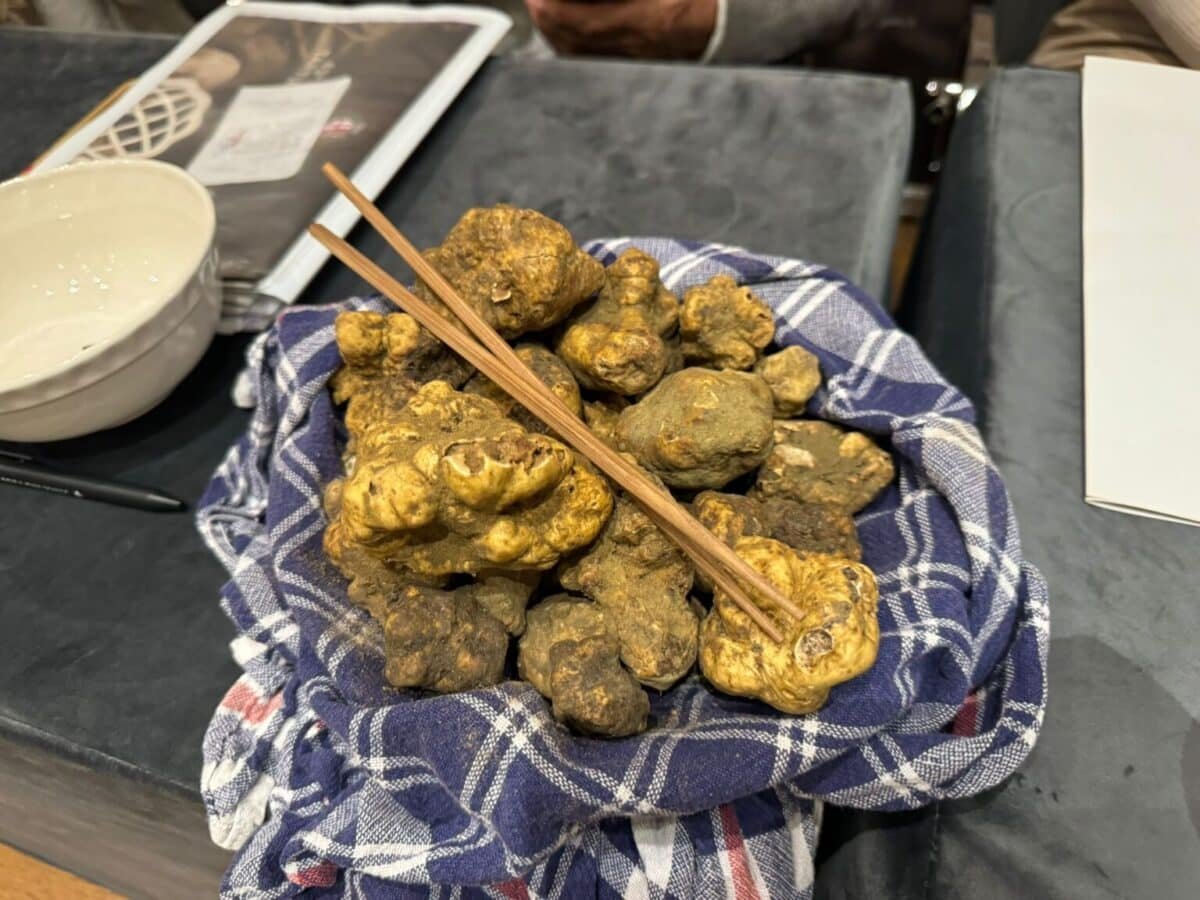
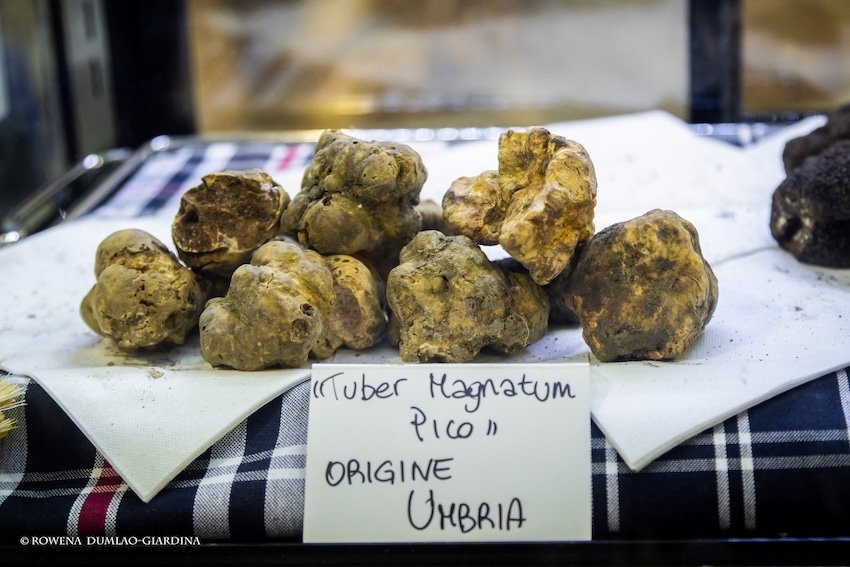
White Truffle Market: The Padiglione Bianco Pregiato in Piazza Matteotti brings together specialist truffle businesses where visitors can discover and purchase fresh white truffles. The official festival describes the market as a place to meet businesses that work with the product and learn about its characteristics.
Campagna Amica Coldiretti: Piazza Matteotti hosts an agricultural-food market featuring regional products and producers.
Villaggio dei Sapori: Piazza Gabriotti presents Italian specialities through a dedicated food market.
Villaggio delle Pro Loco: Largo Gildoni focuses on typical food from Città di Castello and the surrounding territory.
Slow Food Presidia: The Loggiato Gildoni hosts a market of Slow Food Presidia from Central Italy, with tastings and producer presentations.
Ristorante Bianco Pregiato: Piazza Andrea Costa provides a dedicated restaurant experience during the festival, with opening hours listed as 11:00–16:00 and 18:00–22:00.
The cooking programme includes dishes such as:
- Arroz Meloso with mushrooms and Città di Castello white truffle
- Black Forest cake with white truffle
- Modern French onion soup with white truffle
- Croquetas de setas y trufa
- Soupe “Pregiato”
- Gluten-free pasta preparations
- Cheese and truffle combinations
- Meat, fish and egg dishes with white truffle
- Traditional products from the Alta Valle del Tevere
- Slow Food Presidia dishes
- Local food and wine pairings
The programme deliberately connects the local truffle with culinary traditions from Spain, France and Germany, creating an international dimension around an Umbrian ingredient.
Ausgewählte Speisen & Spezialitäten
The Tartufo Bianco Pregiato is the central food of the event and is presented in fresh form, through tasting experiences and as an ingredient in dishes prepared by chefs.
White truffle: The festival provides opportunities to purchase fresh truffles directly from specialist operators and learn about quality, aroma, freshness, maturity and culinary use.
Truffle and pasta: Pasta-making and cooking activities demonstrate how the white truffle can be incorporated into fresh pasta and traditional Italian dishes.
Arroz Meloso: Chef Carlotta Delicato presents a Spanish-inspired rice dish with mushrooms and Città di Castello white truffle.
Black Forest cake and truffle: Chef Elia Lunghi gives the German culinary tradition an Umbrian interpretation with Black Forest cake and white truffle.
Modern onion soup: Chef Nicola Cascini presents a French-inspired onion soup reinterpreted with the local white truffle.
Croquetas de setas y trufa: This Spanish-inspired recipe forms part of the European Gourmet Walk.
Cheese and truffle: A dedicated tasting explores combinations between cheese and white truffle.
Meat, fish and egg: One specialist experience presents three small dishes featuring meat, fish and egg with white truffle, paired with three Umbrian wines.
Slow Food products: The festival also highlights Central Italian Slow Food Presidia, including products connected with agricultural biodiversity and local traditions.
Restaurants, Anbieter und Produzenten
The festival brings together several different groups involved in the local and regional food chain.
Truffle businesses: The Padiglione Bianco Pregiato is the main marketplace for specialist white-truffle operators. The festival specifically promotes direct contact with businesses that select, package and distribute the product.
Campagna Amica Coldiretti: Agricultural producers and food businesses present regional products at Piazza Matteotti.
Pro Loco associations: The Villaggio delle Pro Loco showcases traditional food from Città di Castello and the surrounding area.
Slow Food producers: The Slow Food Presidia area brings together producers representing protected or recognised food traditions from Central Italy.
Ristorante Bianco Pregiato: The dedicated festival restaurant operates in Piazza Andrea Costa during the public programme.
IIS Patrizi Baldelli Cavallotti: Students and teachers from the school’s food, hospitality and wine programmes participate in cooking, tasting and educational activities.
School of Arts and Crafts G.O. Bufalini: The institution contributes to the culinary and educational programme, including children’s cooking activities and professional training initiatives.
The festival therefore functions as both a public food fair and a showcase of the wider food-production and hospitality network of the Alta Valle del Tevere.
Wein-, Bier- und Getränkeauswahl
Wine and beverage pairings are an important part of the 2026 programme.
Umbrian wines: The programme includes specialist wine pairings with truffle dishes and a dedicated experience involving three selected Umbrian wines.
Calici d’Autunno: This experience combines wines, distillates and gastronomic pairings, including ancestral-style wine, grappa and passito. The experience is created with the Ugo Patrizi agricultural school’s enology programme and hospitality students.
Wine with cheese and truffle: The cheese-and-truffle tasting can be accompanied by a wine pairing.
Truffle cocktails: Alessio Balestra of Collins’Bar creates three cocktails inspired by Spain, France and Germany as part of the Aperitivo Bianco Experience.
Artisan beer: The programme also explores craft beer made using distinctive Umbrian ingredients, including beer with Fagiolina del Trasimeno and beer with Sedano Nero di Trevi.
Aperitivo Bianco: AIS Umbria collaborates with hospitality students to create a dedicated white-truffle aperitivo experience.
Verkostungen, Kochvorführungen und Workshops
The 2026 programme offers an extensive selection of sensory, culinary and educational activities.
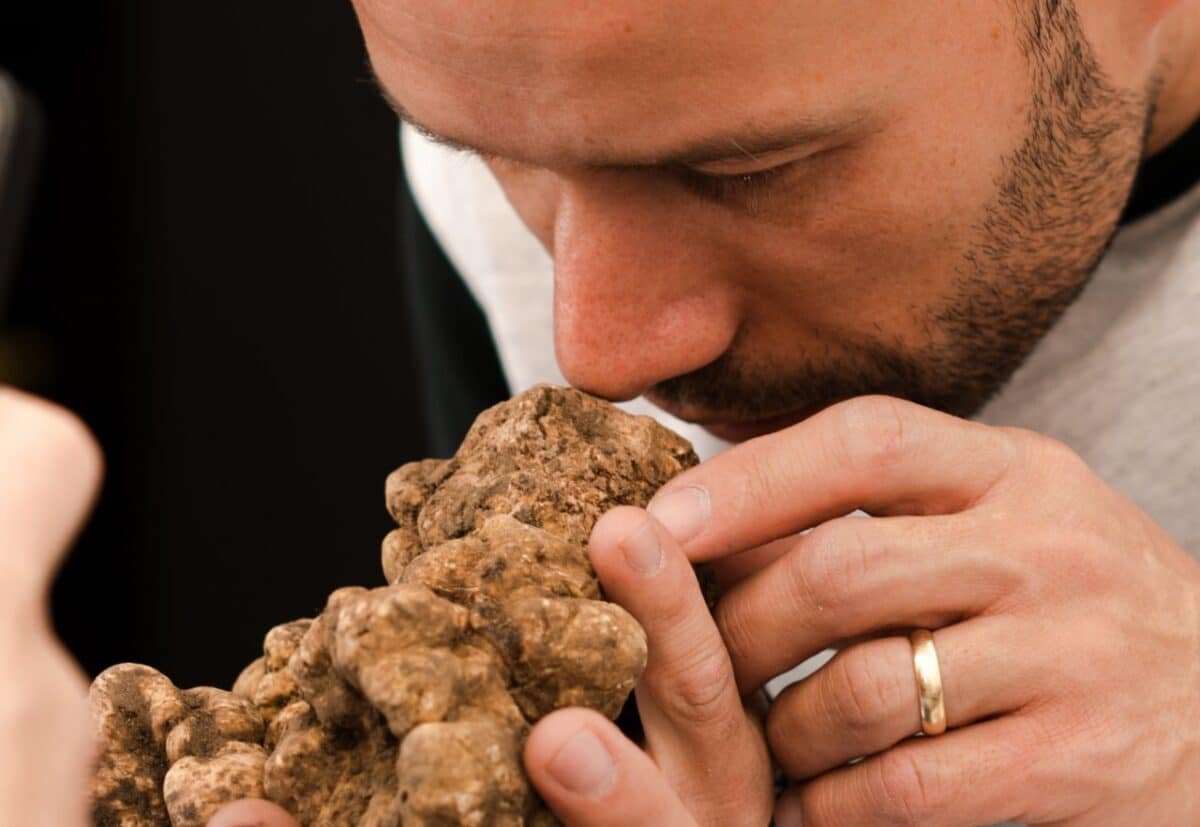
Bianco Pregiato nei 5 Sensi: The Lord of Truffle leads a 50-minute sensory experience examining the white truffle through sight, smell, touch and taste. The experience includes a tasting of crostino, butter and white truffle. The published participation fee is approximately $29.25.
Sensory Truffle Games: Participants take part in activities including “Ti Spengo la Vista,” “Albero degli Aromi” and “Triangolo della Percezione.” The experience is designed to develop recognition of aroma, texture and taste. The published fee is approximately $35.10, with a small white truffle awarded to participants who complete all three challenges successfully.
Slow Food tastings: The Slow Food Presidia programme includes curated tastings and meetings with producers.
International Cooking Show: Chefs reinterpret white truffle through culinary traditions from different European countries.
Gluten-free cooking: The Impasti d’Autore session presents gluten-free preparations with tastings.
Cheese and truffle: A guided tasting examines how different cheeses interact with white truffle.
Terra, Mare, Vita e Calici: Three small dishes based on meat, fish and egg are paired with three Umbrian wines in a specialist sensory experience. The published fee is approximately $40.95.
Children’s cooking: “Mamma, Papà, cucino da solo” gives children the opportunity to participate in a practical cooking workshop under the guidance of students from IIS Patrizi-Baldelli-Cavallotti.
Ticketarten und Eintrittsoptionen
The main Salone is organised as a public festival across the centre of Città di Castello, with markets and public areas forming the core of the event.
Allgemeiner Zugang zum Festival: The main exhibition and market areas are open to visitors without a general festival admission ticket.
Truffle market: Visitors can enter the market areas and purchase products directly from exhibitors.
Food village: The Villaggio dei Sapori and Villaggio delle Pro Loco operate as public festival food areas, with individual food purchases handled by the participating operators.
Paid tasting: The “Bianco Pregiato nei 5 Sensi” experience costs approximately $29.25.
Slow Food brunch: The published tasting brunch is approximately $23.40, with an optional wine glass listed at approximately $4.68 and water at approximately $1.17.
Cheese and truffle tasting: The published ticket is approximately $11.70, with an optional wine glass at approximately $4.68.
Sensory games: The published participation fee is approximately $35.10.
Because specialist activities can have limited capacity, advance reservation is recommended.
VIP- und Premium-Erlebnisse
The 2026 programme does not advertise a standard VIP pass or dedicated VIP ticket for the entire Salone. Instead, premium-style experiences are offered through specialist tastings, gala dining and curated food-and-wine activities.
Cena di Gala Bianco Pregiato: The gala dinner at Palazzo Bufalini is organised by the Circolo degli Illuminati of Città di Castello. The published fee is approximately $81.90 and advance reservation is required.
Terra, Mare, Vita e Calici: This specialist experience combines three mini-courses featuring meat, fish and egg with white truffle and three Umbrian wines. The published fee is approximately $40.95.
Truffle sensory experiences: The Lord of Truffle sessions provide a more focused and educational experience for serious food enthusiasts and professionals.
Aperitivo Bianco Experience: The AIS Umbria programme combines gourmet food, wine and international truffle-inspired cocktails.
These experiences provide a more structured alternative to simply browsing the open market.
Veranstaltungsregeln
Visitors should follow the instructions of the festival organisers, individual venues and local authorities because the Salone operates across public streets, historic buildings and separate exhibition spaces.
Tasting reservations: Specialist sensory experiences have limited participant numbers and require advance reservation by email where indicated.
Food purchases: Products and prepared foods are purchased directly from individual exhibitors, restaurants and food operators.
Kinderaktivitäten: Some workshops have limited places or specific age requirements, so parents should check the individual activity information before attending.
Truffle authenticity: Visitors purchasing valuable fresh truffles should use established exhibitors and ask about provenance and product information.
Outdoor-Aktivitäten: Truffle-hunting demonstrations and dog-related activities take place in dedicated spaces and should be viewed from the areas designated by organisers.
Wie man dorthin kommt
Città di Castello is in northern Umbria in the Alta Valle del Tevere and is connected to central Italian road and bus networks.
By car from Rome: Take the A1 toward Florence, exit at Orte and continue on the E45 toward Perugia and Cesena. Città di Castello can be reached via the Città di Castello or Città di Castello Sud exits.
From Florence and Bologna: Use the A1 toward Arezzo, then continue via SR73 and SR221 toward Città di Castello.
From Forlì-Cesena: Follow the E45 south toward Città di Castello.
From Rimini: Use the SR258 Marecchia.
From Pesaro-Urbino: Use SR423 and SR73 bis.
From Fano: Use the Flaminia and SR257 routes.
Öffentlicher Nahverkehr und Parken
Città di Castello is accessible by bus from major nearby transport hubs.
From Arezzo: Visitors can travel by train to Arezzo and then continue by bus using the SI381 service toward Città di Castello. The town’s tourism service provides current timetable information for the Arezzo–Sansepolcro–Città di Castello route.
Aus Perugia: Regional rail services connect the Perugia area with the Upper Tiber Valley, with connections involving Sansepolcro and Città di Castello.
Nahverkehrsbusse: Busitalia operates urban and extraurban services in Città di Castello.
Parken: The Parcheggio G. Ferri on Viale Nazario Sauro provides 30 spaces and also accommodates camper vehicles, with drinking water and wastewater facilities. From the nearby park area, visitors can reach the city centre using the access through the city walls and escalators.
During festival weekends, visitors should allow additional time for parking because the historic centre is the main event area.
Unterkunftsbereiche
Historisches Zentrum: Staying in central Città di Castello provides the easiest access to Piazza Matteotti, Piazza Gabriotti, Largo Gildoni, Piazza Fanti and the surrounding festival venues.
City outskirts: Accommodation outside the historic centre can provide easier car access and parking while still allowing visitors to reach the festival by local transport.
Alta Valle del Tevere: Visitors can also stay in nearby villages and countryside properties, making it possible to combine the Salone with autumn food and cultural tourism.
Sansepolcro: The nearby Tuscan town is another practical base for visitors travelling around the Upper Tiber Valley.
Arezzo: Visitors using rail connections can also consider accommodation in Arezzo and travel onward to Città di Castello by bus.
For the most convenient festival experience, accommodation within or close to the historic centre is particularly useful because many events take place within walking distance of one another.
Höhepunkte von Essen und Getränken
The principal food and beverage highlights of the 2026 Salone include:
- Tartufo Bianco Pregiato of Città di Castello
- Fresh white-truffle products
- Crostino with butter and white truffle
- Arroz Meloso with mushrooms and white truffle
- Croquetas de setas y trufa
- Modern onion soup with white truffle
- Black Forest cake with white truffle
- Gluten-free pasta preparations
- Cheese and white truffle
- Meat, fish and egg with white truffle
- Slow Food Presidia products
- Central Italian agricultural products
- Umbrische Weine
- Passito
- Grappa
- Ancestral-style wines
- Truffle-inspired cocktails
- Artisan beers using Fagiolina del Trasimeno and Sedano Nero di Trevi
The event is particularly distinctive because it does not present white truffle only as a luxury ingredient. The programme also explores its relationship with agricultural biodiversity, traditional foods, modern gastronomy, wine, mixology and international cooking styles.
Erreichbarkeit
The festival is distributed among public squares, historic buildings, exhibition halls and streets in the centre of Città di Castello. Accessibility can therefore vary depending on the individual venue and activity.
Visitors with specific mobility requirements should contact the festival organisers or Città di Castello Tourist Information Office before travelling to confirm access arrangements for particular experiences.
The tourist office is located at Corso Cavour 5 and provides visitor information by telephone at +39 075 8554922 or +39 075 8529254.
The main public market areas are located within the city centre, while specialist activities inside historic palaces may have different access conditions.
Visitors attending outdoor truffle-dog events or activities outside the main market should also check the terrain and access arrangements in advance.
Beste Tage zum Besuch
October 31: The opening weekend begins the new three-weekend format. Visitors can explore the white-truffle market, Campagna Amica, Villaggio dei Sapori, Slow Food Presidia and the first cooking and sensory experiences. The programme also includes the opening of the festival’s main areas and specialist truffle activities.
November 1: A strong day for food enthusiasts, with the Slow Food tasting brunch, gluten-free cooking, sensory activities, children’s workshops, international cooking and specialist food-and-wine experiences.
November 7: The second weekend provides further opportunities to visit the markets, discover producers and participate in culinary and sensory programming.
November 8: The programme continues with truffle-focused experiences, food demonstrations and family activities.
November 14: The final weekend is suitable for visitors interested in the later-stage programme, including market shopping, cooking demonstrations, Slow Food products and truffle experiences.
November 15: The closing Sunday is particularly attractive for visitors interested in the truffle-dog competition, cheese and truffle tasting, artisan beers, the European Gourmet Walk and the Terra, Mare, Vita e Calici experience.
For visitors focused primarily on food experiences, choosing a day with several scheduled tastings and cooking demonstrations is more useful than visiting solely for the market.
Höhepunkte des Vorjahres
The 2025 edition was the 45th Salone Nazionale del Tartufo Bianco Pregiato and was held in the historic centre of Città di Castello. It featured a three-day programme built around white truffle gastronomy, producers, chefs, cultural events and family activities.
Villaggio dei Sapori: The Pro Loco area presented traditional Italian and Umbrian cuisine alongside agricultural products.
Show-Kochen: The 2025 programme included chefs presenting truffle dishes inspired by Spain, France and Germany, demonstrating how the local white truffle could be interpreted through different culinary traditions.
Mixology Truffle: Three cocktails inspired by Spain, France and Germany formed part of the European Gourmet Walk.
Truffle dogs: More than 100 truffle dogs participated in the Lagotto Romagnolo and truffle-dog events, highlighting the connection between the animals, truffle hunters and the local tradition.
Gianfranco Vissani: The 2025 edition included a culinary lecture by chef Gianfranco Vissani for hospitality and culinary students, followed by a career recognition for the chef.
The 2026 edition expands this established programme into three November weekends and introduces the new Palazzo del Bianco as part of the redesigned festival layout.
Offizielle Tickets
The main Salone Nazionale Bianco Pregiato is organised as a public food and cultural fair, with the principal market and exhibition areas accessible without a general admission ticket.
Individual tasting experiences, workshops, dinners and premium gastronomic activities can require separate tickets and reservations.
Published specialist prices include:
- Bianco Pregiato nei 5 Sensi: approximately $29.25
- Slow Food tasting brunch: approximately $23.40
- Cheese and truffle guided tasting: approximately $11.70
- Sensory Truffle Games: approximately $35.10
- Terra, Mare, Vita e Calici: approximately $40.95
- Gala Dinner Bianco Pregiato: approximately $81.90
The official programme should be checked for availability and reservation instructions before booking, as some experiences have limited participant numbers.
Offizielle Website: https://biancopregiato.it/
Telefon: +39 349 607 4088
E-Mail: mostradeltartufocdc@gmail.com
The official festival website provides the latest programme, exhibitor information, show-cooking details and booking instructions.
Video
FAQ
What is the primary gourmet star celebrated during the national exhibition in Città di Castello?
The event is dedicated entirely to honoring the rare and highly aromatic white truffle, a prized subterranean delicacy celebrated for its exceptional culinary status.
Gibt es während der Veranstaltung spezialisierte, pädagogische Kochvorführungen für Besucher?
Prominent national chefs host live cooking masterclasses on the central stage, revealing professional secrets for preparing traditional white truffle dishes.
How do organizers manage vehicle traffic and parking during the busy exhibition weekends?
Organizers establish designated perimeter parking areas near the historic center supported by trained attendants who guide motorists smoothly to available spaces.
What types of traditional dishes can guests sample alongside fresh white truffles at the event?
Dishes include handmade tajarin pasta with butter, creamy potato fondues, polenta, and farm-fresh scrambled eggs finished with fresh truffle shavings.
Where are the primary indoor truffle exhibition halls and tasting events located in the town?
The main exhibitions and culinary presentations are hosted within the majestic historic halls of the Palazzo Comunale and surrounding historic venues.

Schreibe einen Kommentar