


What to expect
Open House Torino 2027 – Turin, Italy is the large free public event that opens the city’s architecture to twenty five thousand people every year, part of the international network Open House Worldwide born in London in 1992 and now present in over forty cities around the world. In Turin, the initiative has been active since 2017 and was founded by Luca Ballarini, founder of Torino Stratosferica and social enterprise Stratosferica, with which he curates international festival Utopian Hours and placemaking projects.
Understated, yet magnificent, Torino – a Royal centre with inclination for rigour, first Italian capital and then European automotive hub – has faced profound urban transformation over last thirty years. In a city where housing has repeatedly adjusted to abrupt migration flows, architecture keeps playing dramatic role in shaping community identity: contemporary landmarks join baroque heritage, historic palaces benefit from widespread restorations, urban design focuses on community.
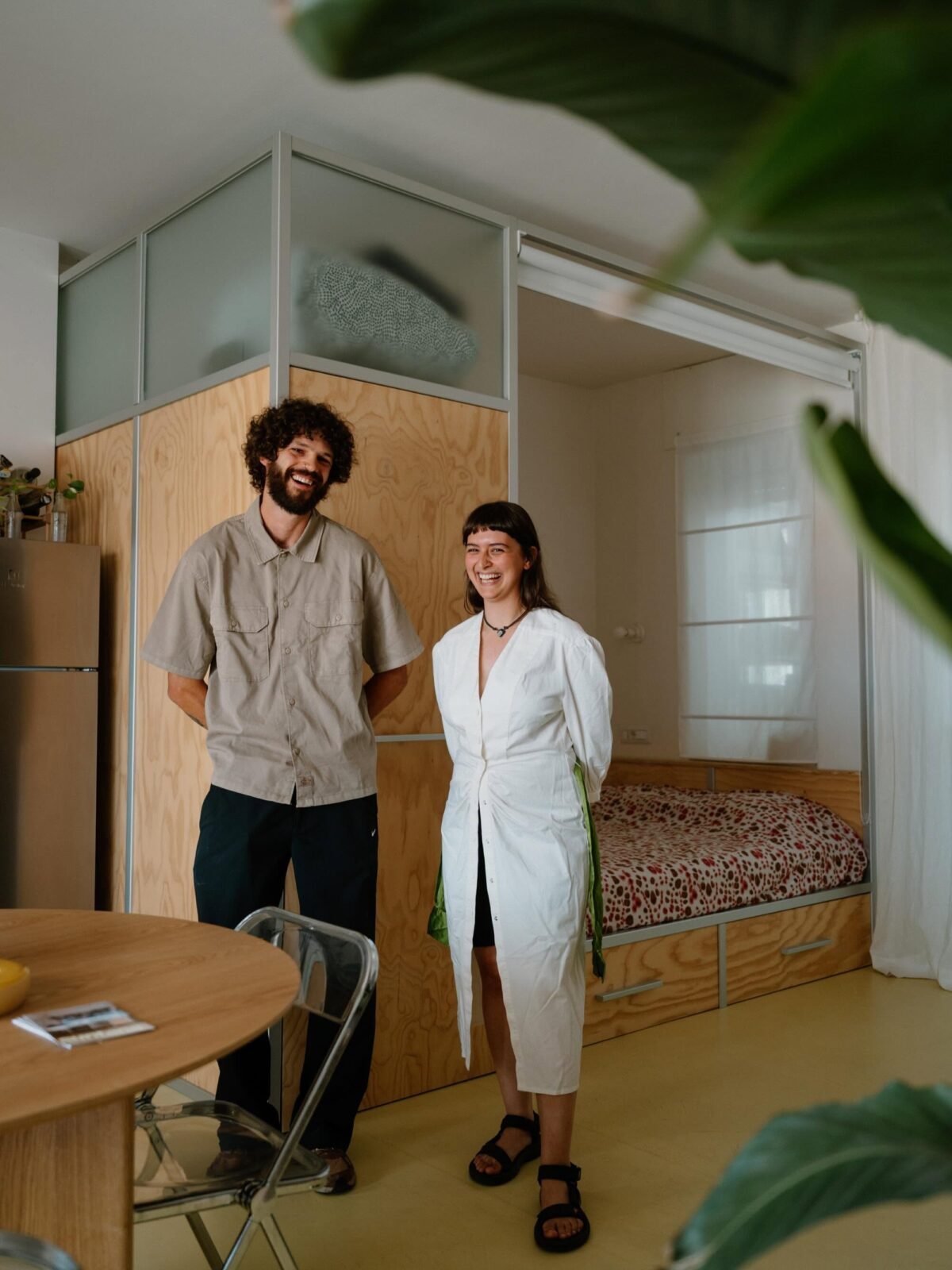
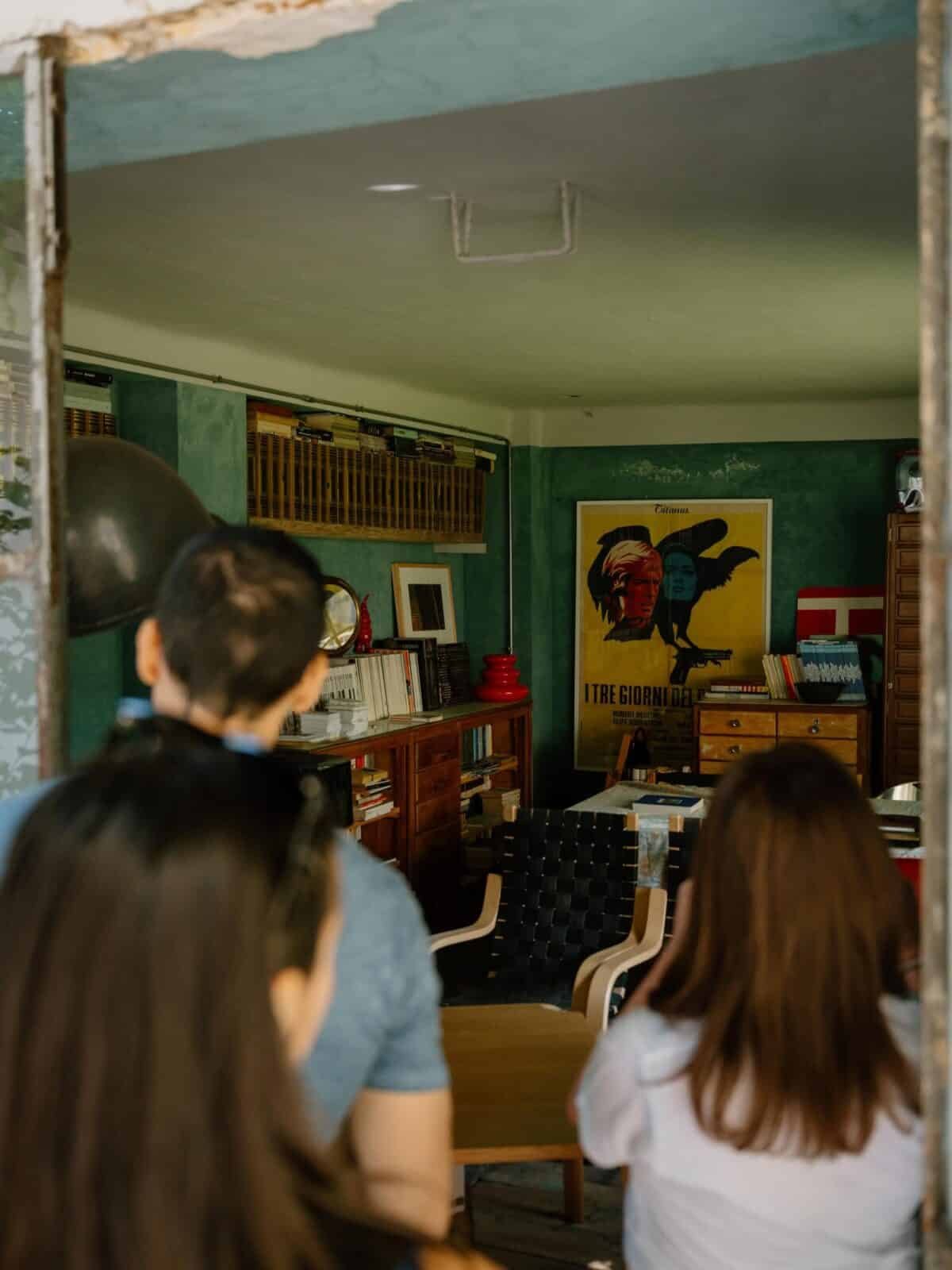
Visitors can expect to visit houses, buildings and places of interest not usually accessible, and thus discover wealth of architecture and urban landscape. For one weekend a year, it gives opportunity to visit historical, modern or contemporary buildings, private flats, offices, green or social spaces, excellences in city, recovered structures, creative hubs and symbols of Italian brutalist architecture.
Enjoy Your Event Stress-Free with Italy Travelo
Whether you're traveling for a world-famous festival, live concert, cultural celebration, or business event, Italy Travelo helps simplify every step of your journey. Our team provides personalized travel assistance, allowing you to focus on creating lasting memories.
Event dates
Official Dates: June 2027 (Dates TBD)
Schedule Framework: The festival traditionally takes place over a weekend from Saturday to Sunday, with over one hundred fifty sites and twelve guided tours opening to public. The appointment for 2025 edition was June 7-8, ninth edition featured more than one hundred seventy extraordinary places, eighth edition opened more than one hundred fifty spaces. Program is published on official website https://www.openhousetorino.it/ with map and reservation system opening in weeks before event.
Visiting this event? Don’t miss out on these amazing activities and local experiences while you’re here.
Venue & exhibition site
Citywide Festival: Open House Torino opens doors of over one hundred twenty to one hundred seventy buildings in capital of Piedmont and its hilly surroundings, with Sedi Varie across Torino 10100.
Royal and Baroque Heritage: UNESCO-protected Palazzo Chiablese, baroque palaces built when city was capital of Duchy of Savoy, well-kept modernist examples, historic palaces benefiting from widespread restorations, and Roman architecture traces.
Modern Icons: Nineteen fifties gems like Dancing Le Roi by Carlo Mollino, Tailor Made Home renovated 1940s apartment, Scandinavian pop Casa Resterà, private homes like Casa Y and Amilu Farm, art-filled apartments, icons of Art Nouveau, transformed garages and symbols of Italian brutalist architecture such as Centro Civico Dietrich Bonhoeffer and Lavazza Coffee Lab.
Contemporary Landmarks: UNSSC Campus, Brands adaptive reuse projects, Vista Carlo Alberto, Lavazza headquarters and other contemporary landmarks joining baroque heritage.
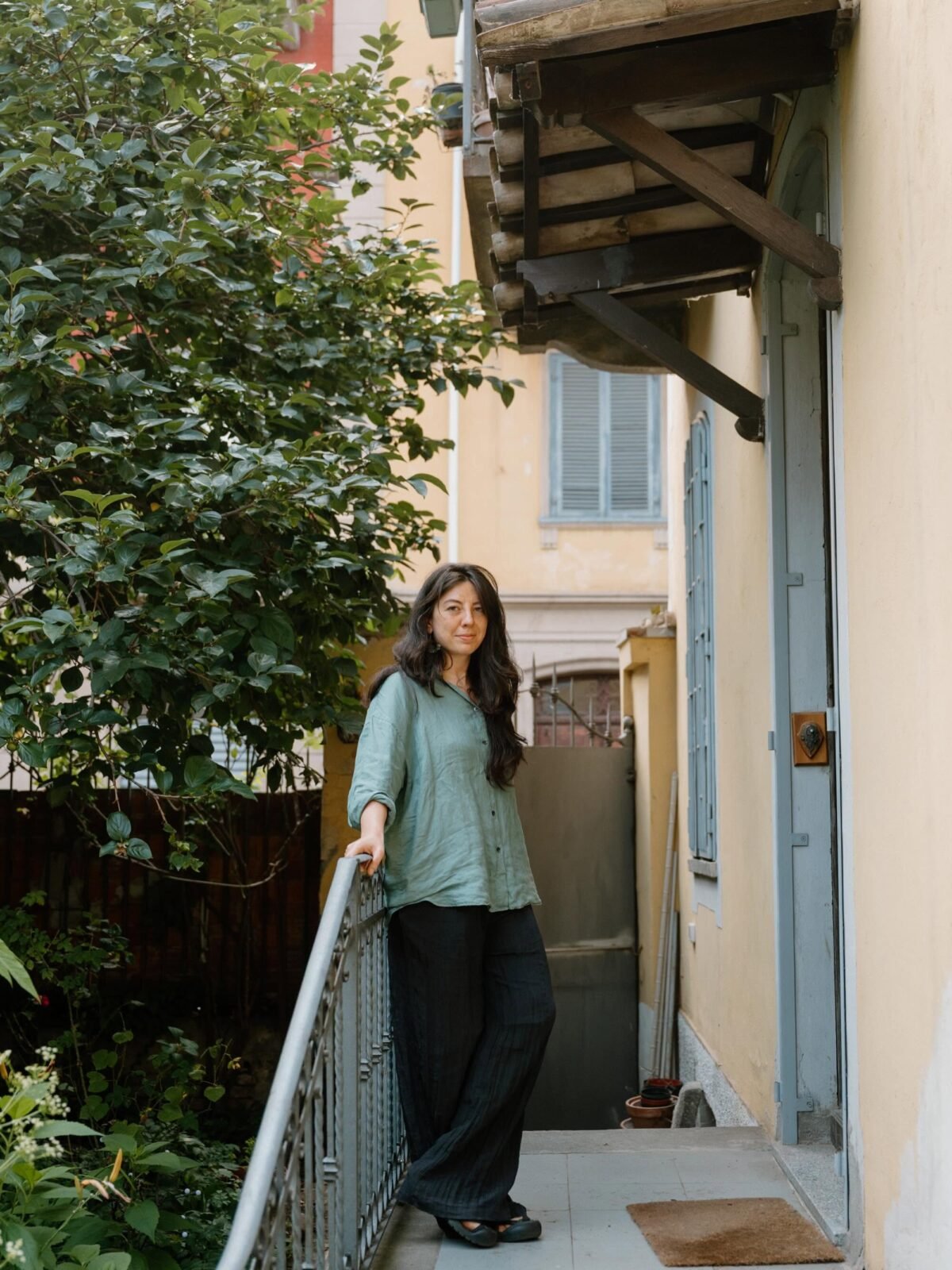
Green and Social Spaces: Green spaces, community hubs, social spaces, excellences in city, recovered structures, schools, studio spaces and ateliers such as atelier in Via Cervino 60 inside courtyard.
Hilly Surroundings: Festival expands beyond city into hilly surroundings and metropolitan area, including Moncalieri, Collegno and hill residences with amazing beauty of hills, rivers and nearby Alps.
Full exhibition programme
Free Opening: Core program offers free opening of over one hundred fifty places usually not accessible to public, with idea based on being together, allowing people to visit historical, modern or contemporary buildings, private flats, offices, green or social spaces.
Private Homes Focus: Many private residences opening doors for first time, including renovated 1940s apartments, Scandinavian pop homes, art-filled apartments and architect-designed houses, offering intimate view of Turinese living.
Thematic Itineraries: Itineraries in different events such as discovering Turin in health project with guided tours of four Turin neighborhoods, narratives project with guided tours of citizens’ engagements, and architecture and participation themes.
Adaptive Reuse: Focus on recovered structures, transformed garages, creative hubs and adaptive reuse projects such as Brands, showing how city reinvents industrial heritage.
Brutalist and Modernist Trail: Trail dedicated to Italian brutalist architecture and modernist gems, including Centro Civico Dietrich Bonhoeffer, Lavazza Coffee Lab, Dancing Le Roi and other icons.
Monumental Cemetery: Special event in Monumental Cemetery of Turin, city in city that has preserved works of art, precious architecture and moving landscapes from early nineteenth century, organized on occasion of Week for discovery of European cemeteries.
Featured artists & designers
Carlo Mollino: Featured designer of Dancing Le Roi 1950s gem, iconic Turinese architect and designer known for organic modernism and daring structures.
Gio Ponti and Modern Masters: Well-kept modernist examples from masters who shaped post-war Turin, including architects of Casa del Portuale style buildings and business district icons.
Luca Ballarini: Founder of Open House Torino and creator of Torino Stratosferica, creative director and publisher of Label, first Italian style magazine, curator of Utopian Hours, driving force behind festival.
Contemporary Architects: Architects of Casa Y, Amilu Farm, Centro Civico Dietrich Bonhoeffer, Lavazza Coffee Lab, Brands and other contemporary landmarks joining baroque heritage.
Brutalist Architects: Designers of Italian brutalist architecture symbols, including architects of Centro Civico and other civic centers.
Community Designers: Architects, sustainable development experts, sociologists and cultural practitioners forming cultural association Open House Torino, organizing visits between architecture and stories of city in city.
Galleries & exhibitors
No Traditional Galleries: Open House Torino is not gallery-based festival but architecture festival where buildings themselves are exhibits, with private flats, offices, studios and green spaces acting as exhibitors.
Institutional Partners: Sedi Varie, Città di Torino, Turismo Torino e Provincia, Regione Piemonte, UNSSC Campus, and other institutions opening their campuses and historic buildings.
Private Owners: Private homeowners opening art-filled apartments, Casa Y, Amilu Farm, Tailor Made Home and Casa Resterà, offering personal collections and interior design.
Creative Hubs: Creative hubs, co-working spaces, ateliers such as Zanino atelier in Via Cervino 60, schools and studio spaces opening for public.
Recovered Structures: Recovered industrial structures, transformed garages and adaptive reuse projects such as Brands showing how private developers act as exhibitors of urban regeneration.
Social Spaces: Green and social spaces, excellences in city, community centers and Monumental Cemetery preserving art and architecture as exhibitor of city in city.
Exhibition halls & sections
No Halls – City as Exhibition: Festival does not use exhibition halls but uses city itself as exhibition, with over one hundred fifty sites and twelve guided tours across Torino and metropolitan area.
Geographic Sections: Sections by neighborhoods including Centro, Crocetta, San Salvario, Quadrilatero, Vanchiglia, Aurora, Barriera di Milano, Lingotto, Mirafiori, Cenisia, Cit Turin, San Paolo, Pozzo Strada and hilly areas, plus metropolitan towns Moncalieri and Collegno.
Typology Sections: Sections by building type including private homes, historic buildings, new architecture, community hubs, green spaces, offices, schools, creative hubs, brutalist icons and Art Nouveau.
Thematic Sections: Themes include Royal centre with rigour, first Italian capital heritage, European automotive hub transformation, housing adjusting to migration flows, contemporary landmarks joining baroque heritage, widespread restorations, urban design focusing on community identity and hills, rivers and Alps beauty.
Kids Section: Exploring with kids, puzzle book to engage them in playful learning about architecture, making festival family-friendly.
Itinerary Section: Organization of itineraries in different events such as Open House Turin with four historical architectural tours in Barriera di Milano and other neighborhoods.
Talks, workshops & special events
Utopian Hours Connection: Connection to Utopian Hours international festival curated by same team, offering talks on city making, placemaking and urban futures, with manifesto for new city making.
Guided Tours: Twelve guided tours in addition to free openings, with organization of itineraries by cultural association, including historical architectural tours, narratives project and discovering Turin in health project.
Workshops for Kids: Puzzle book to engage kids in playful learning about architecture, plus workshops during festival for families.
Monumental Cemetery Visit: Special visit between architecture and stories of city in city in Monumental Cemetery, preserving works of art, precious architecture and moving landscapes from early nineteenth century.
Talks: Talks on architecture and participation, with stories of city in city, city brand and experiment in city imaging Torino Stratosferica.
Open Studios: Atelier openings such as Via Cervino 60 inside courtyard, allowing visitors to see creative workplaces.
Community Events: Idea based on being together, with community gatherings, discussions on housing and migration flows and dramatic role of architecture in shaping community identity.
Ticket types
Free Access: All sites are free to access, with no ticket required, idea based on being together and opening city’s architecture to twenty five thousand people every year. Over one hundred fifty places usually not accessible open for free.
Reservation Required: Some popular sites such as private homes Casa Y, Amilu Farm, Tailor Made Home, Casa Resterà, UNESCO-protected Palazzo Chiablese and Dancing Le Roi require reservation via official website due to limited capacity.
First-Come First-Served: Many sites operate on first-come first-served basis, with volunteers managing queues.
Guided Tours: Twelve guided tours may require separate booking, with small groups led by architects and city enthusiasts.
Pricing in USD – Based on Previous Editions: General admission USD 0 free for all sites. Official program and map USD 0 free digital. Puzzle book for kids previously around USD 5 to USD 11. Donations to support cultural association welcome, previously suggested USD 6 to USD 22. External guided tours outside festival in same buildings may cost USD 11 to USD 27 but during festival all free.
VIP & collector access
No Formal VIP: Festival has no formal VIP tickets as all sites free and idea based on being together, emphasizing democratic access to architecture.
Volunteer Access: Volunteers receive special training and early access to sites, forming core community of architects and city enthusiasts who founded festival in 2017.
Architect-Led Access: Some tours led by architects and designers offer deeper insights, available to all but limited capacity, providing VIP-like experience.
Private Home Invitations: Owners of private homes such as Tailor Made Home and Casa Resterà may invite friends and collectors for special previews before public opening.
Institutional Access: Representatives from Città di Torino, Turismo Torino e Provincia and sponsors receive invitations to opening events.
Utopian Hours Connection: VIP access to Utopian Hours international festival events for partners and sponsors, with international speakers on city making.
Event rules
Free and Open: Festival is free and open to all, but visitors must respect building rules, no touching, no flash where prohibited and follow volunteer instructions.
Reservation Respect: If reservation required for sites such as Casa Y, Amilu Farm, Tailor Made Home, Casa Resterà and Palazzo Chiablese, arrive on time as no-shows prevent others from accessing limited capacity. Cancel if unable to attend.
Private Homes Respect: Many sites are private flats and art-filled apartments, so visitors must respect privacy, not photograph personal items without permission, not enter restricted rooms and remove shoes if requested.
Safety: For active construction sites, recovered structures and some industrial sites, safety helmets and closed shoes may be required, provided by organizers or to be brought.
Photography: Personal photography allowed in most venues for social sharing, but professional photography, tripods and commercial use may require permission. Respect privacy of private residences.
Children: Children welcome, with puzzle book to engage them in playful learning about architecture, but must be accompanied by adults and supervised in historic buildings.
Pets: Pets generally not allowed in buildings, except service animals.
How to get there
Location: Festival takes place across Torino 10100 and metropolitan area, with Sedi Varie including Moncalieri, Collegno and hilly surroundings.
By Air: Turin Caselle Airport is closest airport, with flights from major Italian and European cities. From airport, take Sadem bus to Porta Nuova or taxi to city center, then metro, tram or bus to venues.
By Train: Torino Porta Nuova and Porta Susa stations connect to high-speed trains from Milan, Rome, Florence and other cities. From stations, metro Line 1, trams and buses serve many venues.
By Car: Driving in Turin possible but not recommended due to ZTL restricted zones in center and limited parking near private homes. Use public transport. If driving, park at peripheral parking such as Caio Mario or Lingotto.
By Metro: Metro Line 1 serves Lingotto, Porta Nuova, Porta Susa, Bernini and other areas, connecting many sites.
On Foot: Many venues in Centro, Crocetta, San Salvario and Quadrilatero walkable, creating walking tours through Royal centre and baroque heritage.
Bike: Bike sharing ToBike available for short distances, with Turin being bike-friendly city with hills, rivers and nearby Alps.
Public transport & parking
Metro: Metro Line 1 most efficient for reaching venues, connecting Lingotto, Porta Nuova, Porta Susa and other areas.
Tram and Bus: Extensive tram and bus network covers all neighborhoods including Crocetta, San Salvario, Vanchiglia, Aurora, Barriera di Milano, Mirafiori and hilly surroundings. Tickets available at kiosks and via app, previously around USD 2.
GTT Network: Gruppo Torinese Trasporti operates metro, trams and buses serving Sedi Varie.
Parking: Parking in historic centre limited and expensive, with ZTL restrictions. Use Caio Mario parking, Lingotto parking or other garages, fees previously around USD 1 to USD 3 per hour. Park and ride at Fermi or other metro termini recommended for metropolitan sites.
Taxi and Ride Sharing: Taxis available from stations and airport to venues. Ride sharing apps operate in Turin.
Hilly Access: For hilly surroundings and private homes like Amilu Farm, car or taxi may be needed, with some venues accessible via bus routes into hills.
Accommodation areas
Centro and Quadrilatero – Near Baroque Heritage: Hotels and B&Bs in Centro put you close to many venues including UNESCO-protected Palazzo Chiablese and baroque palaces, prices previously USD 80 to USD 220 per night.
Crocetta and San Salvario: Areas near many private homes and modernist buildings, with boutique hotels and apartments, prices previously USD 70 to USD 180 per night.
Vanchiglia and Aurora: Creative districts near transformed garages, creative hubs and recovered structures, with affordable options previously USD 60 to USD 150 per night.
Lingotto and Mirafiori: Near Lingotto former Fiat factory and contemporary landmarks, with business hotels previously USD 60 to USD 130 per night.
Hills – Superga and Cavoretto: Hotels in hilly surroundings near Casa Y, Amilu Farm and other hill residences, offering views of hills, rivers and nearby Alps, prices previously USD 80 to USD 200 per night.
Budget Options: Hostels and budget B&Bs near Porta Nuova and Quadrilatero offer dorm beds from USD 20 to USD 40 and private rooms from USD 50 to USD 90.
Food & refreshments
Turinese Cuisine: Turin famous for chocolate, gianduja, vermouth, agnolotti and bagna cauda. Restaurants near venues offer meals previously USD 15 to USD 35 per person for traditional Piedmontese cuisine.
Centro Cafes: Historic cafes in Centro such as Caffè Al Bicerin, Baratti and Milano offer coffee, hot chocolate and pastries, previously USD 4 to USD 10.
Aperitivo Culture: Turin is birthplace of aperitivo, with many bars offering aperitivo with buffet included with drink purchase, previously USD 11 to USD 19, popular after gallery visits.
Street Food: Tramezzini, pizza al taglio and gelato available near venues for quick breaks, previously USD 3 to USD 8.
Creative Hub Cafes: Creative hubs and co-working spaces such as those in transformed garages often have cafes for visitors.
Volunteer Refreshments: Volunteers have dedicated refreshment points at information centers.
Accessibility
Volunteer Support: Volunteers provide guidance on accessibility of each site, with information available on official website.
Modern Buildings: Modern buildings such as UNSSC Campus, Lavazza Coffee Lab, Centro Civico Dietrich Bonhoeffer and new architecture generally fully accessible.
Historic Buildings: Historic palaces, private flats and some Art Nouveau buildings may have limited accessibility due to steps, narrow doorways and historic preservation, with many located in buildings without elevators.
Hilly Areas: Hilly surroundings and private homes like Amilu Farm may have challenging access due to terrain and steps.
Kids Accessibility: Puzzle book to engage kids in playful learning about architecture makes festival family-friendly.
Information: For specific accessibility needs, contact organizers via team@openhousetorino.it or official website for information on accessible routes and facilities.
Public Transport Accessibility: Metro Line 1 offers accessible stations with elevators, trams and buses offer low-floor access.
Must-see exhibitions
Casa Y and Amilu Farm: Private homes in hilly surroundings, must-see for contemporary residential architecture with views of hills, rivers and nearby Alps.
UNESCO-protected Palazzo Chiablese: Royal palace, baroque heritage and historic palace benefiting from widespread restorations, symbol of Torino as Royal centre with rigour.
Dancing Le Roi by Carlo Mollino: Nineteen fifties gem, iconic for organic modernism and daring design, must-see for modernist architecture lovers.
Centro Civico Dietrich Bonhoeffer and Lavazza Coffee Lab: Symbols of Italian brutalist architecture, showing dramatic role of architecture in shaping community identity.
Tailor Made Home and Casa Resterà: Renovated 1940s apartment and Scandinavian pop home opening for first time, showcasing intimate interior design and art-filled living.
Monumental Cemetery of Turin: City in city preserving works of art, precious architecture and moving landscapes from early nineteenth century, offering unique perspective on city history.
Previous year’s highlights
Ninth Edition Growth: Ninth edition returned with more than one hundred seventy extraordinary places opening to public across city and beyond, showing growth from one hundred eleven buildings in first edition to over one hundred seventy.
Private Homes Focus: Many private residences opened doors for first time, including Tailor Made Home and Casa Resterà, highlighting trend of intimate residential architecture and art-filled apartments that became most popular sites.
Brutalist and Modernist Trail: Highlights included icons of Art Nouveau, transformed garages, creative hubs and symbols of Italian brutalist architecture such as Centro Civico Dietrich Bonhoeffer and Lavazza Coffee Lab, plus UNESCO-protected Palazzo Chiablese and 1950s gems.
Community Impact: Idea based on being together attracted twenty five thousand people every year, with cultural association formed in 2017 by group of architects and city enthusiasts successfully creating large free public event that opens city’s architecture.
Kids and Inclusive Programs: Puzzle book to engage kids in playful learning and twelve guided tours including historical architectural tours in Barriera di Milano and other neighborhoods made festival inclusive for families and diverse audiences, with organization of itineraries in different events.
Official tickets
Official Website: https://www.openhousetorino.it/
Contact: Email team@openhousetorino.it
Tickets: All sites free, no tickets required, with reservation for some popular sites via official website. Idea based on being together.
Program: Complete program with over one hundred fifty sites and twelve guided tours available on official website in weeks before event, with Sedi Varie map.
Global Network: Part of Open House Worldwide network, information also via openhouseworldwide.org and Turismo Torino e Provincia.
Social Media: Follow official channels for updates on sites, including private homes like Casa Y and Amilu Farm, art-filled apartments, icons of Art Nouveau and adaptive reuse projects.
Video
Location
FAQ
Do I need tickets or reservations for Open House Torino sites?
All sites during Open House Torino are free with no tickets required, as idea is based on being together and opening city's architecture to twenty five thousand people every year. Some popular sites such as private homes Casa Y, Amilu Farm, Tailor Made Home, Casa Resterà, UNESCO-protected Palazzo Chiablese and Dancing Le Roi by Carlo Mollino require reservation via official website due to limited capacity. Many other sites operate on first-come first-served basis with volunteers managing queues, so early arrival is recommended.
What kind of buildings can I visit during festival?
All sites during Open House Torino are free with no tickets required, as idea is based on being together and opening city's architecture to twenty five thousand people every year. Some popular sites such as private homes Casa Y, Amilu Farm, Tailor Made Home, Casa Resterà, UNESCO-protected Palazzo Chiablese and Dancing Le Roi by Carlo Mollino require reservation via official website due to limited capacity. Many other sites operate on first-come first-served basis with volunteers managing queues, so early arrival is recommended.
Is festival suitable for children and visitors interested in architecture history?
Yes, festival is designed for all audiences, with puzzle book to engage kids in playful learning about architecture and twelve guided tours including historical architectural tours in Barriera di Milano and other neighborhoods. Understated yet magnificent Torino offers Roman architecture, baroque palaces from Duchy of Savoy era, well-kept modernist examples and contemporary landmarks, allowing visitors to understand profound urban transformation over last thirty years and dramatic role of architecture in shaping community identity.
Who organizes Open House Torino and what is its history?
Festival is organized by cultural association Open House Torino, formed in 2017 by group of architects and city enthusiasts, founded by Luca Ballarini, creator of Torino Stratosferica and social enterprise Stratosferica who curates Utopian Hours festival. It is part of Open House Worldwide network born in London in 1992 and now present in over forty cities, starting with one hundred eleven buildings in first edition and growing to more than one hundred seventy extraordinary places in ninth edition across city and hilly surroundings.
How do I navigate festival across city and hilly surroundings?
Festival spreads across Torino and metropolitan area including Moncalieri and Collegno, with Sedi Varie map available on official website showing sites by neighborhood such as Centro, Crocetta, San Salvario, Barriera di Milano and hills. Metro Line 1, trams and buses cover most areas, with many venues in center walkable, while hilly surroundings like Amilu Farm may require bus or taxi. Puzzle book for kids helps families engage in playful learning while navigating.

Leave a Reply