


What to expect
Open House Napoli 2027 – Naples, Italy is the international architecture and design festival that is part of the global Open House Worldwide network, the first global festival dedicated to architecture born in London in 1992. The event is organized by the nonprofit Openness Cultural Association, a collective of architects, sustainable development experts, sociologists and cultural practitioners, in collaboration with Regione Campania, Comune di Napoli, DiARC Università Federico II, Dipartimento di Architettura e Disegno Industriale and other partners.
For its eighth edition, Open House Napoli reveals architecture of the city and, for first time, its metropolitan area, guiding visitors to rediscover fascinating Phlegraean Fields. Offering over one hundred fifty tours, the festival presents journey through Neapolitan eras and urban layers from ancient heritage of restored Roman Theatre of Neapolis to future-focused visions of ReStart Scampia and Italian Green Factory.
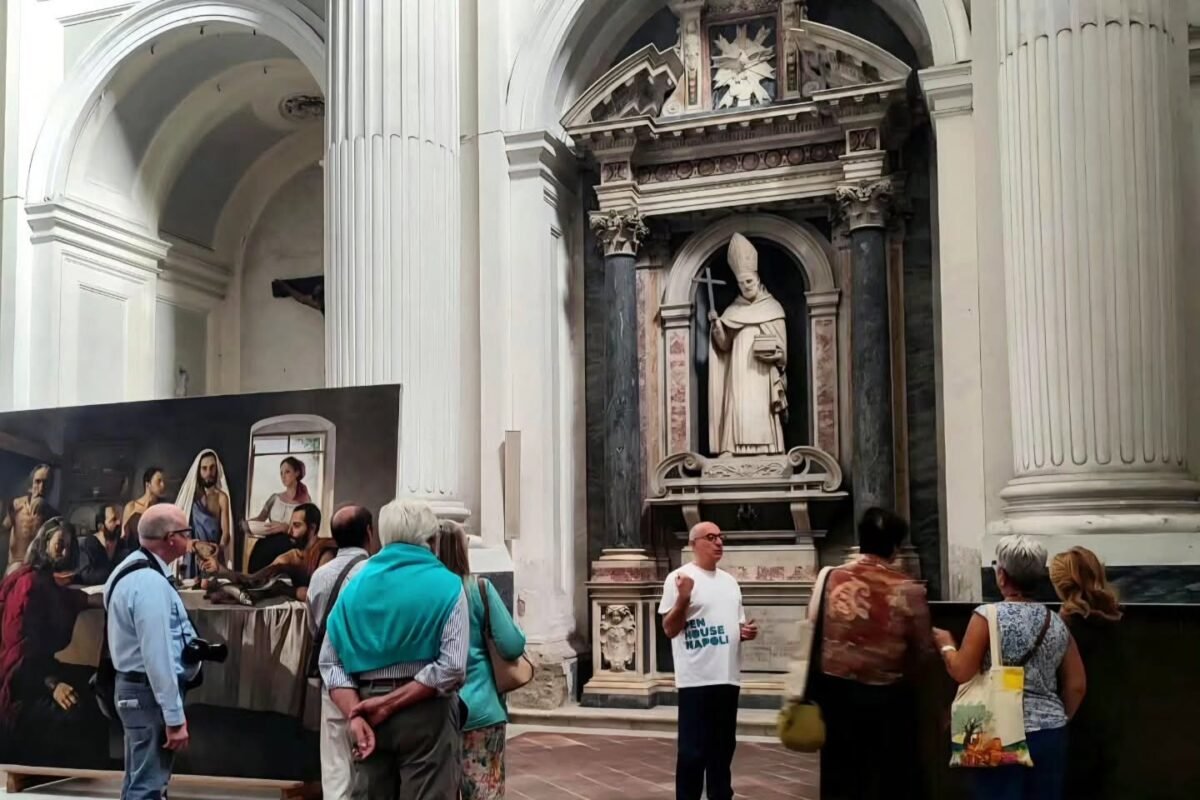
Visitors can expect free guided tours in one hundred thirty to one hundred fifty buildings and places usually not accessible, including historic and contemporary buildings, institutional locations, offices, redeveloped spaces, theaters, sacred sites, infrastructures, private residences, creative factories and active construction sites. The festival includes over one hundred fifty architectural sites and routes, new itineraries through green spaces and urban creativity, events, conferences and exhibitions.
Enjoy Your Event Stress-Free with Italy Travelo
Whether you're traveling for a world-famous festival, live concert, cultural celebration, or business event, Italy Travelo helps simplify every step of your journey. Our team provides personalized travel assistance, allowing you to focus on creating lasting memories.
Event dates
Official Dates: October 2027 (Dates TBD)
Schedule Framework: The festival traditionally takes place over three days from Friday to Sunday, with program including full day of conferences and exhibitions addressing city’s urban challenges, guided tours, walks and activities for children. The complete program with over one hundred forty buildings, walks and inclusive tours is published on official website https://www.openhousenapoli.org/ with announcements in September.
Visiting this event? Don’t miss out on these amazing activities and local experiences while you’re here.
Venue & exhibition site
Citywide Festival: Open House Napoli is not confined to single venue but spreads across Naples and metropolitan area, including ten municipalities involved in first edition, with one hundred locations, five hundred volunteers and sixteen thousand free guided tours recorded historically.
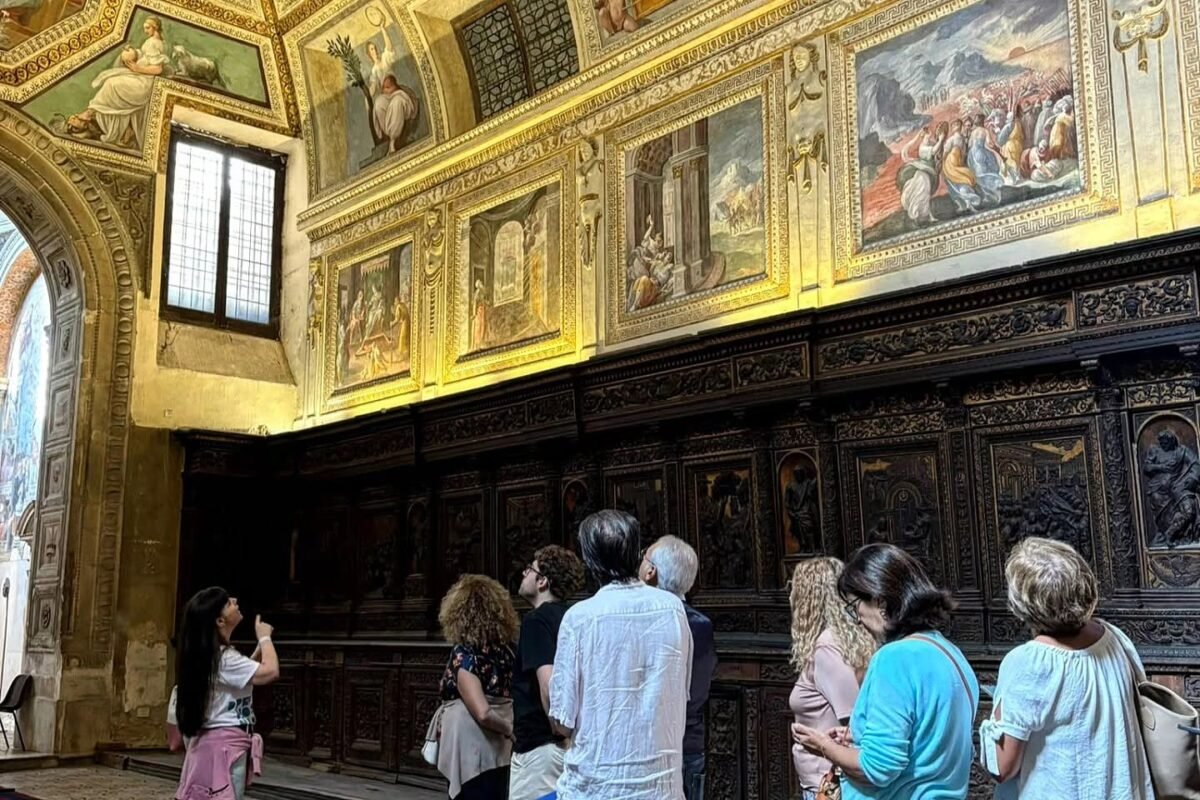
Historic Centre: Tours include majestic baroque palaces of center, ancient Greek traces of Neapolis, Roman Theatre of Neapolis from I century B.C, Museum Complex of Santa Maria delle Anime del Purgatorio ad Arco, churches, sacred sites and historic residences.
Modern and Contemporary Architecture: Elegant Liberty of Vomero bourgeois developments, ambitious skyscrapers at Centro Direzionale Business District, Aldo Loris Rossi’s brutalist Casa del Portuale, Gio Ponti’s 1950s original furniture at Royal Continental Hotel, Villa Oro, Palazzo delle Poste, Casa del Portuale, new University Campus, Nisida and other modern icons.
Periphery and Regeneration: Working-class areas of post-war frenziedly growing Naples, ReStart Scampia regeneration project, Italian Green Factory, Ex Ospedale Militare managed by Urban Value in collaboration with Coop4art, spanning seven thousand five hundred square meters as newest exhibition space, and outer city regeneration projects.
Metropolitan Area: For first time, festival reveals metropolitan area and Phlegraean Fields after recent earthquake, with itineraries through green spaces and urban creativity.
Infrastructures and Creative Factories: Theaters, sacred sites, infrastructures, private residences, creative factories, active construction sites, offices and redeveloped spaces such as SuperOtium.
Full exhibition programme
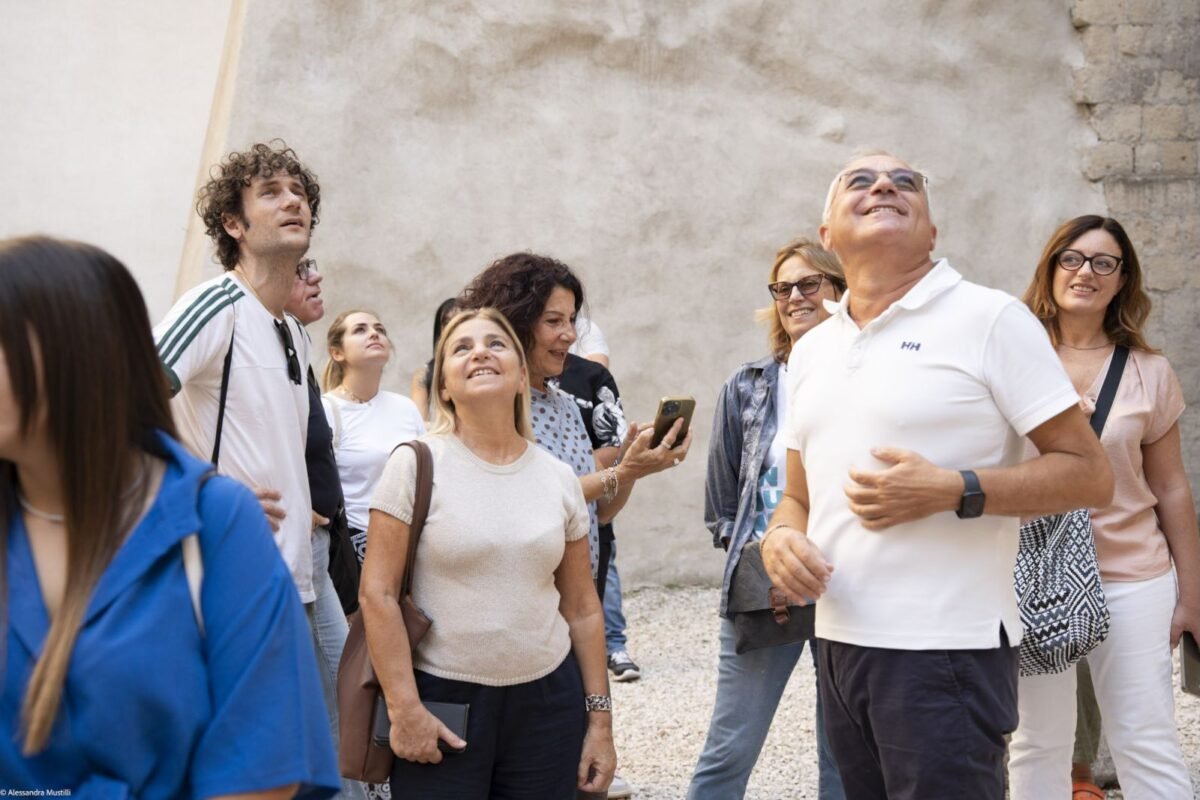
Guided Tours: Core program includes over one hundred fifty free guided tours led by volunteers and experts in architecture and urban planning, with guidance from architects who shaped city’s design. Tours include historical environments and ongoing construction projects, innovative approaches in sustainable urban design and architecture as political act.
Conferences and Exhibitions: Full day of conferences and exhibitions addressing city’s urban challenges, including talks with architects who shaped city’s design, lectures by architect and analogue astronaut, and focus on prominent Luigi Cosenza with lectures and tours to his buildings and public housing developments.
Special Focus Themes: In wake of two thousand five hundredth anniversary of founding of Naples, programme broadens from ancient Greek traces to regeneration projects underway in outer city. Themes include accessibility and inclusivity, vision of architecture as political act, sustainability and green transition.
Open House Kids: Architecture, reading, theatre and music workshops to bring architecture to little ones through play and experimentation, including inclusive and accessible tours in partnership with municipal Capability Festival.
Walks and Itineraries: New itineraries through green spaces and urban creativity, walks through Decumani, historic centre to urban regeneration models for future, and routes through Phlegraean Fields.
Exhibitions: Exhibitions in venues such as Ex Ospedale Militare, Fondazione Morra Greco with guided visits to Palazzo Caracciolo di Avellino and project A Rareca Rarechea, and other cultural spaces.
Featured artists & designers
Architects: Featured architects include Luigi Cosenza with focus on his buildings and public housing developments, Aldo Loris Rossi with brutalist Casa del Portuale, Gio Ponti with Royal Continental Hotel original furniture, and contemporary architects leading ReStart Scampia and Italian Green Factory.
Historical Figures: Ancient Roman architects of Roman Theatre of Neapolis, baroque palace architects of historic centre, and Liberty style architects of Vomero.
Contemporary Designers: Designers involved in regeneration projects, sustainable urban design, creative factories and active construction sites, including Urban Value and Coop4art teams.
Analog Astronaut Architect: Special lecture by architect and analogue astronaut as part of program, exploring architecture beyond Earth.
Local Experts: Collective of architects, sustainable development experts, sociologists and cultural practitioners from Openness Cultural Association who guide tours and share knowledge.
Community Artists: Artists involved in urban creativity, green spaces and inclusive design, contributing to Capability Festival partnership.
Galleries & exhibitors
Institutional Partners: Regione Campania, Comune di Napoli, DiArC Università Federico II, Dipartimento di Architettura e Disegno Industriale Università degli Studi della Campania, Ravello Foundation and other institutions support festival.
Cultural Venues: Museum Complex of Santa Maria delle Anime del Purgatorio ad Arco, Fondazione Morra Greco at Palazzo Caracciolo di Avellino, Royal Continental Hotel, Bank of Italy, Villa Oro and other historic buildings act as exhibitors by opening doors.
Creative Factories: SuperOtium, Ex Ospedale Militare hub spanning seven thousand five hundred square meters with exhibition spaces and training and production facilities for theatre and performance arts, and other redeveloped spaces.
Private Residences: Private residences and historic homes open for free guided tours, offering intimate view of Neapolitan living and architectural heritage.
Offices and Infrastructures: Business District skyscrapers, Post Office building, University Campus and infrastructures open to public, showing working architecture.
Global Network: Part of Open House Worldwide network including festivals in London, New York, Chicago, Bilbao, Stockholm, Gdańsk, Zagreb, Buenos Aires, Monterrey, Ticino and others.
Exhibition halls & sections
No Traditional Halls: Festival does not use traditional exhibition halls but uses actual buildings and sites as exhibition venues, with over one hundred forty buildings, walks and activities for children.
Thematic Sections: Sections organized by architectural eras and themes including ancient heritage, baroque palaces, Liberty Vomero, post-war working-class areas, business district skyscrapers, regeneration projects, Phlegraean Fields, green spaces and urban creativity.
Geographic Sections: Sections by municipality with ten municipalities involved historically, including Naples city center, Vomero, Posillipo, Chiaia, Centro Direzionale, Scampia, Bagnoli, Pozzuoli and Phlegraean Fields area.
Kids Section: Open House Kids section with dedicated tours and workshops for children, focusing on play, reading, theatre and music to introduce architecture.
Inclusive Tours Section: Selection of inclusive and accessible tours in partnership with municipal Capability Festival, ensuring accessibility for all visitors.
Conference Section: Full day of conferences and exhibitions addressing urban challenges, held in partner venues such as Sala Conferenze della Palazzina Uffici di STEMS and other conference halls.
Talks, workshops & special events
Talks with Architects: Special events include talks with architects who shaped city’s design, with guidance from experts in architecture and urban planning, offering insight into design decisions and urban history.
Luigi Cosenza Focus: Focus on prominent Luigi Cosenza with lectures and tours to his buildings and public housing developments, exploring architecture as political act and social housing vision.
Analog Astronaut Lecture: Special lecture by architect and analogue astronaut exploring extreme environment architecture and future of living beyond Earth.
Conferences on Urban Challenges: Full day of conferences and exhibitions addressing city’s urban challenges, including regeneration, sustainability, accessibility and metropolitan development.
Workshops for Kids: Architecture, reading, theatre and music workshops to bring architecture to little ones through play and experimentation, including inclusive workshops in partnership with Capability Festival.
Guided Walks: Walks through green spaces, urban creativity, Decumani Hotel de Charme courtesy, Villa Oro to Palazzo delle Poste, Casa del Portuale to new University Campus and Nisida, building extraordinary and stimulating story about city-making.
Special Openings: New experiences such as full day of conferences, exhibitions, inclusive tours and special access to buildings such as Ex Ospedale Militare newest exhibition space.
Ticket types
Free Guided Tours: All guided tours during Open House Napoli are free, with sixteen thousand free guided tours recorded in first edition. This free access policy is central to festival’s mission to allow residents and visitors to discover city’s architecture.
Reservation System: Some tours require reservation due to limited capacity, with reservation opening via official website https://www.openhousenapoli.org/. Reservation not required for many venues such as Fondazione Morra Greco.
First-Come First-Served: Many buildings operate on first-come first-served basis with volunteers managing queues.
No Tickets for Conferences: Conferences and exhibitions addressing urban challenges are free, with no ticket required, though early arrival recommended.
Pricing in USD – Based on Previous Editions: All tours USD 0 free. Official program and map USD 0 free digital, printed guide previously around USD 5 to USD 11. Donations to nonprofit Openness Cultural Association welcome, previously suggested USD 6 to USD 22. Guided tours outside festival in same buildings may cost USD 11 to USD 27 but during festival all free.
VIP & collector access
Volunteer Access: Volunteers receive special access and training, with five hundred volunteers involved historically, forming core community of festival.
Architect-Led Tours: Special tours led by architects who shaped city’s design offer VIP-like access to insights and behind-the-scenes stories, available to all but limited capacity.
Partner Access: Representatives from Regione Campania, Comune di Napoli, universities and sponsors receive invitations to opening events and special previews.
No Formal VIP: Festival does not have formal VIP tickets as all tours are free and open to all, emphasizing inclusivity and democratic access to architecture.
Special Previews: Some new spaces such as Ex Ospedale Militare may offer special previews for press, architects and cultural practitioners before public opening.
Capability Festival Partnership: Inclusive and accessible tours in partnership with municipal Capability Festival provide special access for visitors with disabilities.
Event rules
Free Access Rule: All tours are free, but visitors must respect building rules, no touching, no flash photography where prohibited, and follow volunteer instructions.
Reservation Respect: If reservation required, arrive on time as no-shows prevent others from accessing limited capacity tours. Cancel reservation if unable to attend via website.
Building Respect: Many buildings are private residences, offices or active construction sites, so visitors must respect privacy, not enter restricted areas and follow safety instructions.
Safety: For active construction sites and infrastructures, safety helmets and closed shoes may be required, provided by organizers or to be brought by visitors.
Photography: Personal photography allowed in most venues for social sharing, but professional photography, tripods and commercial use may require permission. Respect privacy of private residences.
Children: Children welcome, especially in Open House Kids workshops, but must be accompanied by adults and supervised in historic buildings and construction sites.
Pets: Pets generally not allowed in buildings, except service animals, due to preservation and safety reasons.
How to get there
Location: Festival takes place across Naples and metropolitan area, with one hundred locations in previous editions, including ten municipalities involved. Central information point typically at partner venue.
By Air: Naples International Airport Capodichino is closest airport, with flights from major Italian and European cities. From airport, take Alibus to Central Station or taxi to city center, then metro, bus or funicular to venues.
By Train: Napoli Centrale and Napoli Afragola stations connect to high-speed trains from Rome, Milan, Florence and other cities. From Centrale, metro Line 1 and Line 2 serve many venues.
By Car: Driving in Naples not recommended due to traffic, ZTL restricted zones and limited parking. Use public transport. If driving, park at Brin parking or other peripheral parking.
By Metro: Metro Line 1 serves Vomero, Centro Direzionale, Garibaldi and other areas. Line 2 serves historic centre and Phlegraean Fields area. Funiculars serve Vomero and Posillipo.
On Foot: Many venues in historic centre walkable, with routes from ancient Greek traces to baroque palaces, creating walking tours through Neapolitan eras.
Bike: Bike sharing and e-scooters available for short distances, though hilly terrain in some areas challenging.
Public transport & parking
Metro: Metro Lines 1 and 2 most efficient for reaching venues, with stations near major sites. Line 1 connects Vomero, Business District and historic areas. Line 2 connects Phlegraean Fields, Pozzuoli and historic centre.
Bus and Tram: Extensive bus and tram network covers all municipalities involved, including routes to Scampia, Bagnoli and Phlegraean Fields. Tickets available at kiosks and via app.
Funicular: Four funiculars including Funicolare di Chiaia, Montesanto, Centrale and Mergellina serve Vomero and Posillipo hills, offering scenic access to Villa Oro and other hilltop venues.
Cumana and Circumflegrea: Local trains serve Phlegraean Fields and metropolitan area, important for new metropolitan area extension of festival.
Parking: Parking in historic centre limited and expensive, with ZTL restrictions. Use Brin parking, Piazza del Plebiscito area parking or other garages, fees previously around USD 2 to USD 5 per hour. Park and ride at Bagnoli or other peripheral areas recommended for metropolitan tours.
Taxi and Ride Sharing: Taxis available but may be delayed during festival weekend due to high demand. Ride sharing apps operate in Naples.
Volunteer Shuttle: Volunteers often provide guidance on public transport routes between venues.
Accommodation areas
Historic Centre – Decumani and Centro Antico: Hotels and B&Bs in historic centre put you close to many venues including Roman Theatre, baroque palaces and Museum Complex of Santa Maria delle Anime del Purgatorio ad Arco. Prices previously USD 80 to USD 220 per night.
Chiaia and Lungomare: Upscale area near Royal Continental Hotel with Gio Ponti furniture, close to sea and many historic buildings, prices previously USD 120 to USD 320 per night.
Vomero: Hilltop area with elegant Liberty architecture, close to Villa Oro, Casa del Portuale and other modernist sites, with funicular access, prices previously USD 70 to USD 180 per night.
Centro Direzionale – Business District: Modern area with skyscrapers and business architecture, close to University Campus, prices previously USD 60 to USD 150 per night.
Bagnoli and Pozzuoli – Phlegraean Fields: Hotels near Phlegraean Fields for new metropolitan area extension, offering coastal views and access to archaeological sites, prices previously USD 60 to USD 140 per night.
Budget Options: Hostels and budget B&Bs near Central Station and historic centre offer dorm beds from USD 20 to USD 40 and private rooms from USD 50 to USD 90.
Food & refreshments
Neapolitan Cuisine: Naples is famous for pizza, sfogliatella, babà and street food such as fried pizza and cuoppo. Restaurants near venues offer meals previously USD 12 to USD 30 per person for pizza and traditional dishes.
Historic Centre Cafes: Cafes in Decumani and around Purgatorio ad Arco offer coffee, pastries and light meals, previously USD 3 to USD 10.
Vomero and Chiaia Dining: Upscale restaurants in Chiaia and Vomero offer fine dining with views, previously USD 35 to USD 70 per person.
Scampia and Periphery: Local trattorias in outer areas offer authentic affordable cuisine, previously USD 10 to USD 20 per person.
Street Food: Cuoppo di frittura, pizza a portafoglio and other street foods available near venues for quick breaks, previously USD 3 to USD 7.
Volunteer Refreshments: Volunteers often have dedicated refreshment points at information centers.
Accessibility
Inclusive Tours: Festival offers selection of inclusive and accessible tours in partnership with municipal Capability Festival, ensuring accessibility for visitors with disabilities.
Venue Accessibility: Many historic buildings have limited accessibility due to steps, narrow doorways and historic preservation, but modern buildings, business district skyscrapers and new University Campus are fully accessible.
Public Transport Accessibility: Metro Line 1 offers accessible stations with elevators, though some older stations may have limited accessibility. Buses offer low-floor access.
Open House Kids: Workshops for children include inclusive activities ensuring accessibility for kids with different abilities.
Information: For specific accessibility needs, contact organizers via info@openhousenapoli.org or official website for information on accessible routes and facilities.
Capability Festival Partnership: Partnership with Capability Festival focuses on accessibility and inclusivity as key topics, providing tailored tours and support.
Must-see exhibitions
Roman Theatre of Neapolis: Restored Roman Theatre from I century B.C, ancient heritage showcasing Naples’ Greek and Roman roots, must-see for understanding Neapolitan eras.
Casa del Portuale: Aldo Loris Rossi’s brutalist masterpiece, iconic for its bold concrete forms and social housing vision, highlight of post-war architecture.
Royal Continental Hotel: Gio Ponti’s 1950s original furniture and mid-century modern design, offering glimpse into Italian design golden age.
Ex Ospedale Militare: Newest exhibition space spanning seven thousand five hundred square meters, redevelopment managed by Urban Value and Coop4art, part of Santissima Trinità delle Monache complex and Parco dei Quartieri Spagnoli, housing exhibition spaces and theatre facilities.
ReStart Scampia and Italian Green Factory: Future-focused visions of regeneration, showing how peripheral areas are being transformed through architecture and green innovation.
Phlegraean Fields Itineraries: New metropolitan area extension guiding visitors to rediscover fascinating Phlegraean Fields after recent earthquake, with volcanic landscapes and archaeological sites.
Previous year’s highlights
Eighth Edition Metropolitan Expansion: Eighth edition revealed architecture of city and for first time metropolitan area, guiding visitors to rediscover Phlegraean Fields after earthquake, with over one hundred fifty tours presenting journey through Neapolitan eras and urban layers.
Twenty Five Hundredth Anniversary Focus: In wake of two thousand five hundredth anniversary of founding of Naples, programme broadened from ancient Greek traces of Neapolis to regeneration projects underway in outer city, with accessibility and inclusivity as key topics and focus on Luigi Cosenza as political act.
Inclusive Partnership: New experiences included full day of conferences and exhibitions addressing urban challenges and selection of inclusive and accessible tours in partnership with municipal Capability Festival, with programme including over one hundred forty buildings, walks and activities for children, highlighting Aldo Loris Rossi’s Casa del Portuale and Gio Ponti’s Royal Continental Hotel.
Open House Kids Success: Open House Kids offered architecture, reading, theatre and music workshops to bring architecture to little ones through play and experimentation, becoming popular family activity.
Community Impact: Festival organized by nonprofit Openness Cultural Association with five hundred volunteers and sixteen thousand free guided tours historically, allowing residents to discover city’s architecture and history through often inaccessible places, strengthening community pride and architectural awareness.
Official tickets
Official Website: https://www.openhousenapoli.org/
Contact: Email info@openhousenapoli.org
Tickets: All guided tours free, with sixteen thousand free guided tours in first edition. Reservations for some tours via official website. No tickets required for conferences and exhibitions. Donations to support nonprofit welcome.
Program: Complete program with over one hundred fifty sites, map and reservation system available on official website in September before festival.
Global Network: Part of Open House Worldwide network, information also available via openhouseworldwide.org.
Social Media: Follow official channels for updates on buildings, walks and special events including talks with architects and special lecture by architect and analogue astronaut.
Video
Location
FAQ
Do I need tickets or reservations for Open House Napoli tours?
All guided tours during Open House Napoli are free with no tickets required, as festival aims to allow residents to discover city's architecture through often inaccessible places. Some popular buildings such as Casa del Portuale and private residences require reservation via official website due to limited capacity, while many venues like Fondazione Morra Greco operate on first-come first-served basis with volunteers managing queues. Early arrival is recommended for popular sites.
What kind of buildings and sites can I visit during festival?
You can visit over one hundred fifty sites including majestic baroque palaces, elegant Liberty villas in Vomero, brutalist buildings like Casa del Portuale, Gio Ponti's Royal Continental Hotel, historic churches such as Museum Complex of Purgatorio ad Arco, Roman Theatre of Neapolis, private residences, offices, business district skyscrapers, university campuses, infrastructures, creative factories like SuperOtium and regeneration projects such as ReStart Scampia and Phlegraean Fields.
How is festival organized and who are organizers?
Festival is organized by nonprofit Openness Cultural Association, a collective of architects, sustainable development experts, sociologists and cultural practitioners, in collaboration with Regione Campania, Comune di Napoli and universities like Federico II. It is part of Open House Worldwide network born in London in 1992, the first global architecture festival, with five hundred volunteers historically supporting sixteen thousand free guided tours across ten municipalities.
Is festival accessible for children and visitors with disabilities?
Yes, festival includes Open House Kids with architecture, reading, theatre and music workshops to bring architecture to little ones through play and experimentation. Inclusive and accessible tours are offered in partnership with municipal Capability Festival, focusing on accessibility and inclusivity as key topics. While many historic buildings have limited accessibility due to steps, modern venues and many tours are accessible, and organizers provide information on accessible routes via info@openhousenapoli.org.
How do I get around Naples to visit different buildings?
Festival spreads across Naples and metropolitan area including historic centre, Vomero, Chiaia, Business District, Scampia and Phlegraean Fields, so use metro Lines 1 and 2, buses, funiculars and local trains Cumana and Circumflegrea for metropolitan area. Many venues in historic centre are walkable, creating walking tours through Neapolitan eras. Public transport tickets available at kiosks and via apps, with city council support and volunteers providing guidance on routes between venues.

Leave a Reply