

What to expect in 2026
Sagra Musicale Lucchese Festival 2026 is a long-running sacred and classical music festival centred on Lucca, Tuscany, bringing concerts, choral performances, organ music, chamber works and historically informed musical projects into some of the city’s most important churches and cultural buildings. The festival is particularly associated with sacred music and with the presentation of works connected to Lucca’s religious, artistic and musical heritage.
The 2026 programme continues the festival’s tradition of combining established repertoire with lesser-known works, newly recovered compositions and music connected to the history of Lucca. The programme includes Alessandro Scarlatti’s Stabat Mater, music by composers associated with Lucca and Tuscany, works by J. S. Bach, compositions by E. Maggini and L. Perosi, and contemporary or modern choral selections. The festival also incorporates presentations and cultural events alongside its concerts.
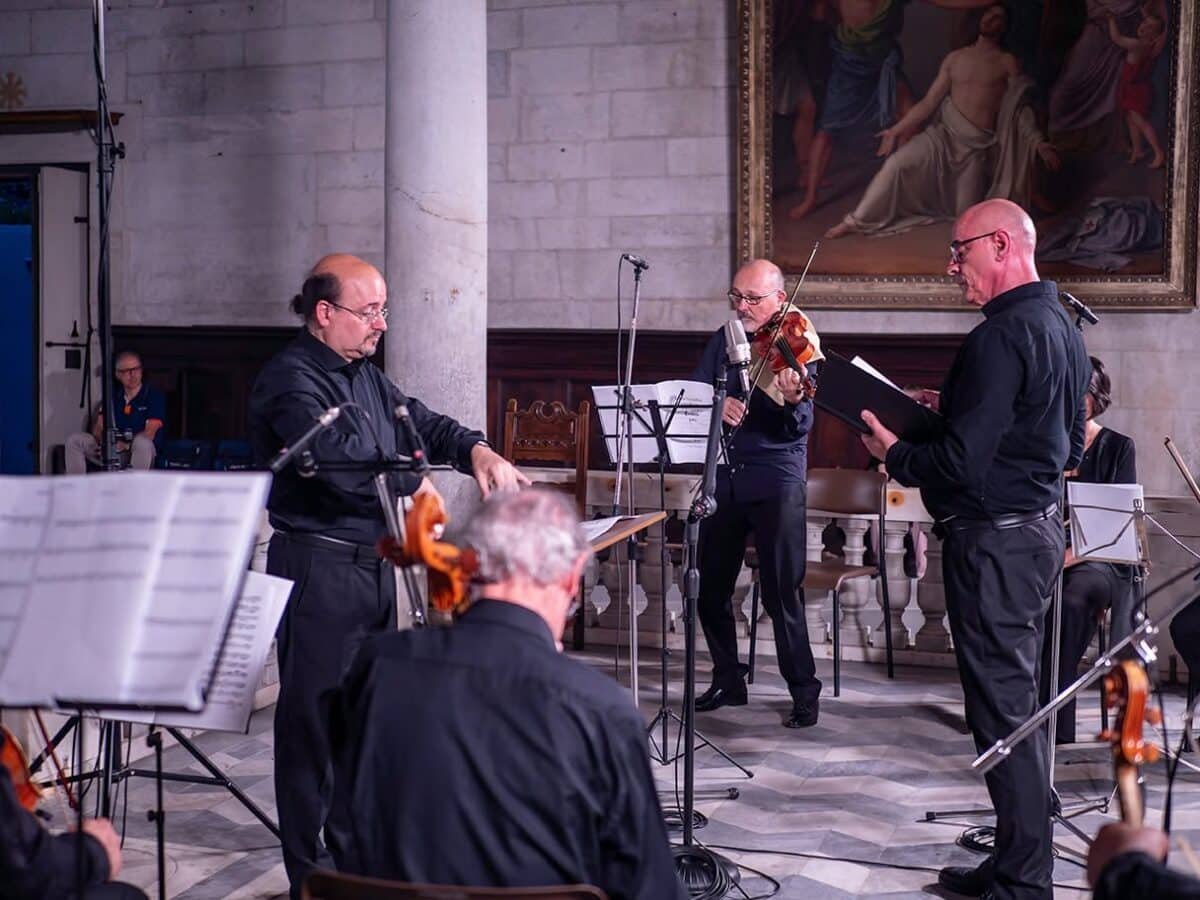
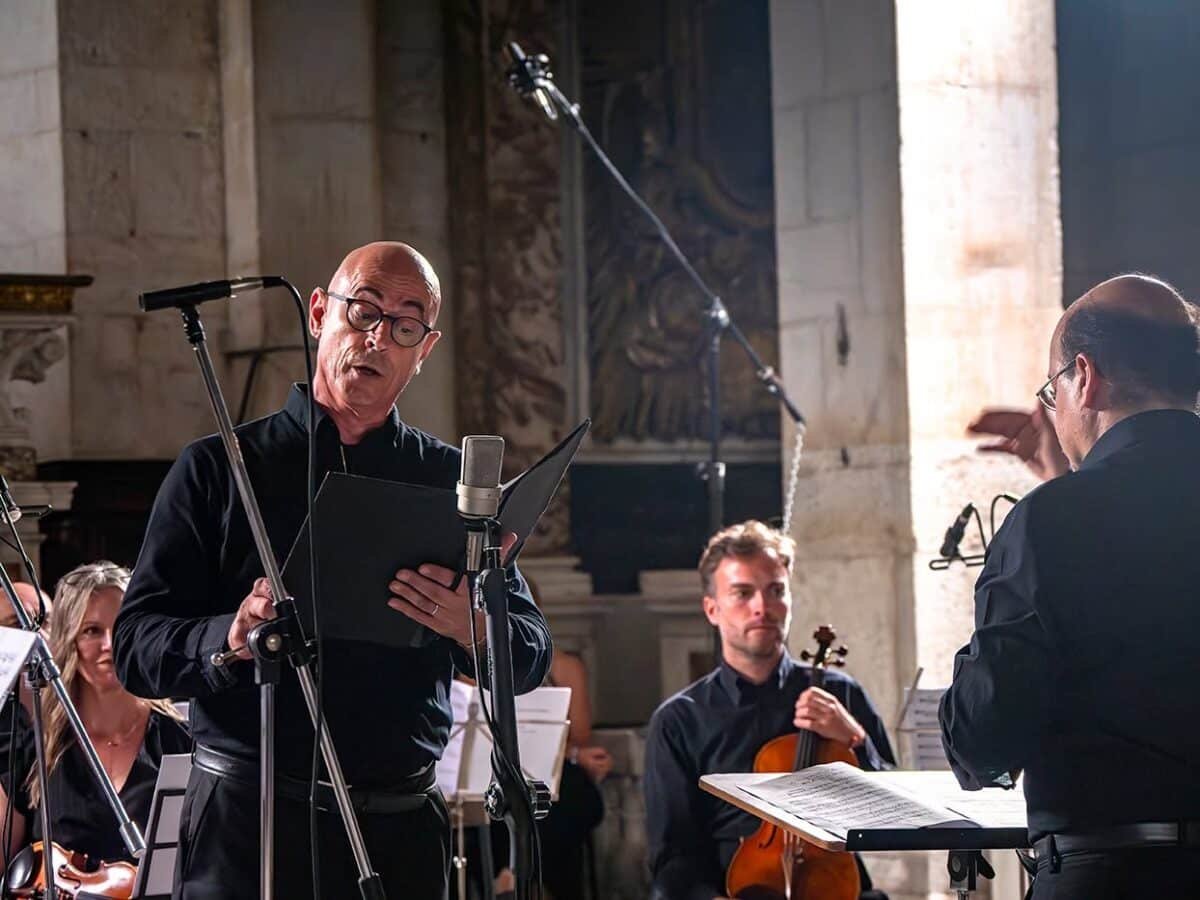
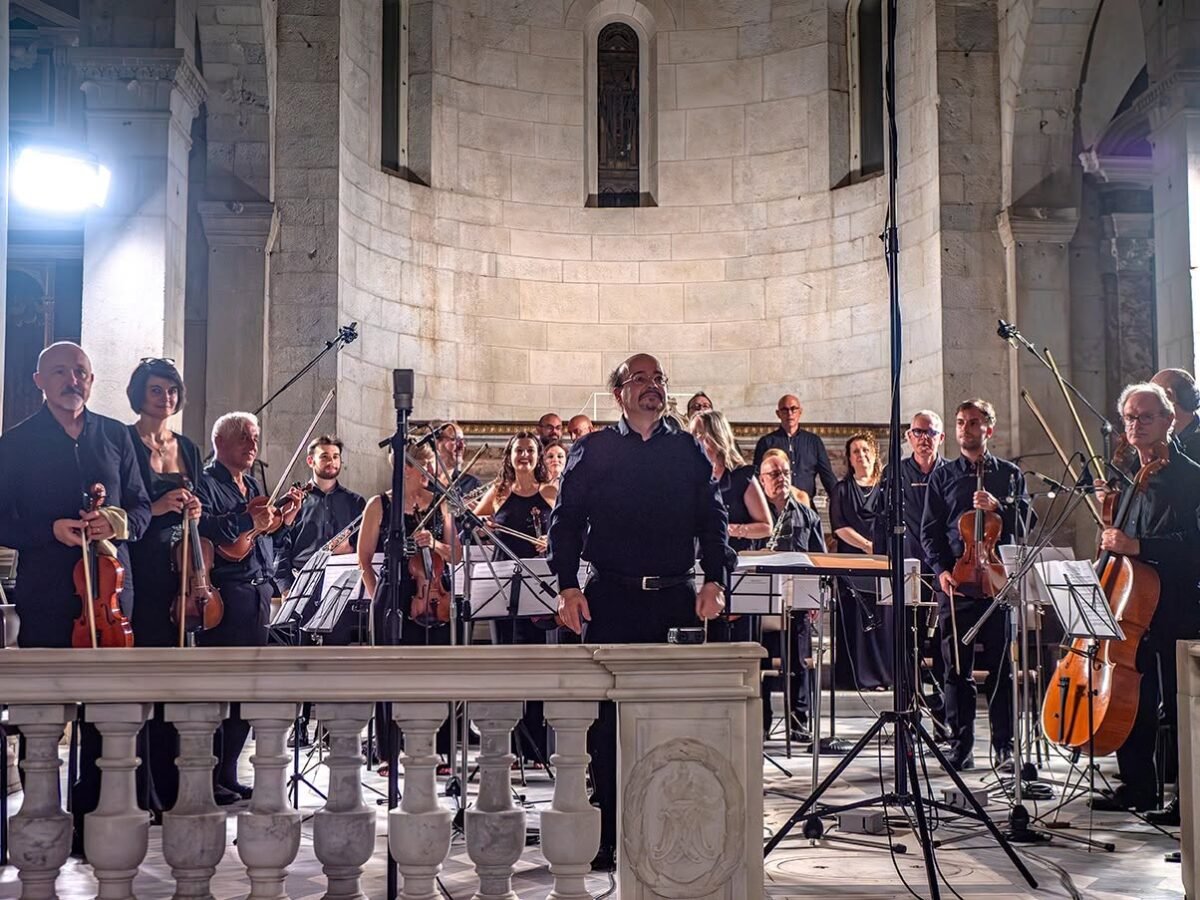
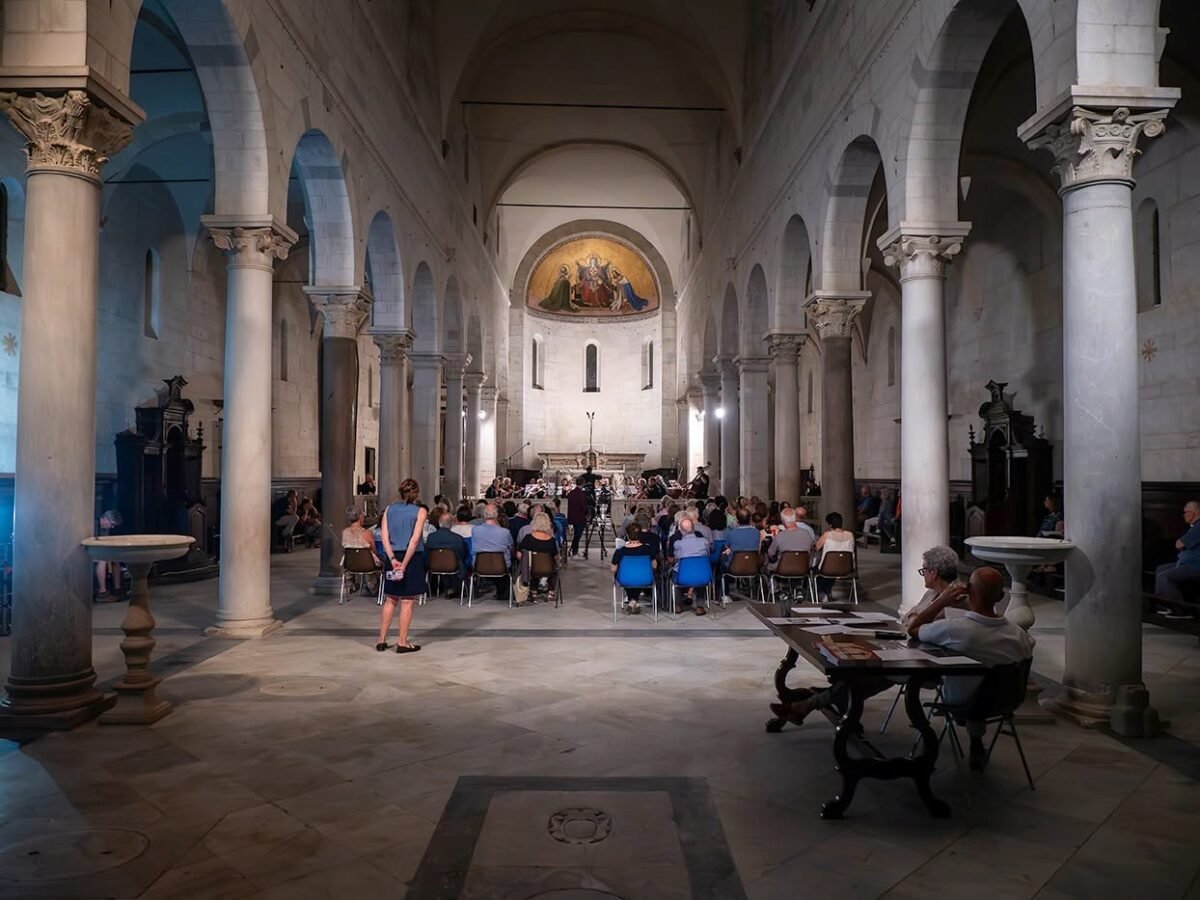
A major feature is the use of historic sacred spaces rather than a single conventional concert hall. Performances take place in churches, the cathedral, historic buildings and outdoor heritage settings, giving audiences the opportunity to experience music within locations that are themselves part of Lucca’s cultural identity.
Enjoy Your Event Stress-Free with Italy Travelo
Whether you're traveling for a world-famous festival, live concert, cultural celebration, or business event, Italy Travelo helps simplify every step of your journey. Our team provides personalized travel assistance, allowing you to focus on creating lasting memories.
The festival’s long history dates back to the early 1960s, when it was established to promote religious music through concerts in churches and other meaningful locations. Over the decades, its programme has expanded to include major choral and orchestral works, music by overlooked composers, performances by prominent musicians and projects dedicated to the musical heritage of Lucca.
Event dates
April to December 2026 (Dates TBD)
The 2026 season is presented as an extended programme running across several months rather than as a short, concentrated festival weekend. The official programme includes spring concerts, summer performances, cultural presentations and a concluding theatre event later in the year.
Visiting this event? Don’t miss out on these amazing activities and local experiences while you’re here.
Venue & festival site
Sagra Musicale Lucchese uses a network of historic venues across Lucca, with churches and heritage buildings forming an important part of the festival experience.
Key venues in the 2026 programme include:
- Cathedral of San Martino
- Church of San Pietro Somaldi
- Church of San Vito
- Church of San Alessandro
- Church of Santa Maria Forisportam
- Oratorio degli Angeli Custodi
- Sala Tobino at the Provincial Palace
- Lucca’s urban walls
- Teatro del Giglio Giacomo Puccini
The Cathedral of San Martino is particularly significant for the festival’s sacred-music programme, while the city’s historic churches provide intimate settings for chamber, choral and organ performances.
The festival’s administrative headquarters are at the Oratorio della Madonnina on Via Francesco Carrara in Lucca.
Full lineup
The 2026 programme includes a broad selection of singers, instrumentalists, conductors, choirs and ensembles rather than a conventional commercial festival lineup.
Featured performers and musical groups include:
- Alice Elettra Blanda
- Beatrice Mezzanotte
- Francesca Chiari
- Ottaviano Tenerani
- Ensemble Fabrica Sonans
- Maria Luigia Borsi
- Gabriele Micheli
- Coro Polifonico di San Nicola di Pisa
- Tuscan Chamber Orchestra
- Sonia Ciani
- Alessia Baldinotti
- Carlo Morini
- Salvatore Ciulla
- Silvia Mannari
- Stefano Barandoni
- Cappella Musicale Santa Cecilia della Cattedrale di Lucca
- Voci Bianche Santa Cecilia
- Niccolò Bartolini
- Luca Bacci
- Ensemble Gli Stereo Tipi
- Coro Celesti Armonie
- Orchestra da Camera Luigi Boccherini di Lucca
- Antonio Dimasi
- Greta Buonamici
The programme also features music by Alessandro Scarlatti, Nicolao Dorati, Giovanni Animuccia, Giovanni Pierluigi da Palestrina, J. S. Bach and composers connected to Lucca’s musical history.
Headliners & featured artists
Sagra Musicale Lucchese does not operate around commercial headliners in the way a contemporary music festival does. Its principal attractions are major works, specialist performers, historic ensembles and artistic projects.
Among the notable 2026 participants are Luca Bacci, who serves as artistic director and conducts several major performances, the Cappella Musicale Santa Cecilia of Lucca Cathedral, the Orchestra da Camera Luigi Boccherini di Lucca, Coro Polifonico di San Nicola di Pisa and Ensemble Gli Stereo Tipi.
Maria Luigia Borsi is featured in a programme devoted to solo vocal music, while Alice Elettra Blanda and Beatrice Mezzanotte appear in the Stabat Mater project. Antonio Dimasi and Greta Buonamici are associated with the outdoor musical programme on Lucca’s historic walls.
Stages & performance areas
The festival’s performance areas are primarily historic religious and cultural spaces.
Cathedral of San Martino
Lucca’s cathedral provides one of the most important settings for the festival, particularly for large-scale sacred music, organ repertoire and choral performances.
Historic churches
Churches including San Pietro Somaldi, San Vito, San Alessandro and Santa Maria Forisportam provide acoustically distinctive settings for choral, chamber and sacred repertoire.
Oratorio degli Angeli Custodi
This intimate historic setting is used not only for music but also for cultural presentations connected with the festival’s wider programme.
Provincial Palace
Sala Tobino provides a more formal indoor setting for vocal and instrumental recitals.
Lucca’s urban walls
The historic walls create an unusual outdoor performance environment, allowing audiences to experience classical and contemporary arrangements while moving through one of the city’s defining landmarks.
Teatro del Giglio
The historic theatre provides a traditional performing-arts environment for the festival’s later programme and special productions.
Stage-by-stage schedule
Rather than traditional festival stages, the programme is organised by venue and individual concert project.
Santa Maria Forisportam
The opening section of the 2026 programme centres on Alessandro Scarlatti’s Stabat Mater, performed with soprano Alice Elettra Blanda, contralto Beatrice Mezzanotte, narrator Francesca Chiari, conductor Ottaviano Tenerani and Ensemble Fabrica Sonans.
Sala Tobino
The programme includes Cantate a voce sola, a vocal recital exploring music associated with composers from Nicolao Dorati through Luigi Boccherini, with soprano Maria Luigia Borsi and Gabriele Micheli on spinet.
San Pietro Somaldi
Laudato sii mi Signore presents Franciscan-inspired music by Marco Bargagna with the Coro Polifonico di San Nicola di Pisa, Tuscan Chamber Orchestra, soloists, narrator and organist under the direction of Stefano Barandoni.
Oratorio degli Angeli Custodi
Visioni sinfoniche Ildegarda di Bingen combines literary and philosophical discussion with the presentation of a work connected to Hildegard von Bingen.
Cathedral of San Martino
Cantantibus organi focuses on the music of E. Maggini and L. Perosi, performed by the Cappella Musicale and Voci Bianche Santa Cecilia of Lucca with Niccolò Bartolini and Luca Bacci.
San Vito
Oltre il silenzio explores humanity, uncertainty and hope through a choral programme performed by Ensemble Gli Stereo Tipi.
San Alessandro
A major sacred concert combines Bach’s BWV 158 with rediscovered music by Frediano Matteo Lucchesi, performed by Coro Celesti Armonie and the Orchestra da Camera Luigi Boccherini under Luca Bacci.
Urban Walls
The outdoor programme combines classical and modern repertoire with guitar and soprano performances in a more informal heritage setting.
Teatro del Giglio
The later programme includes Accademia, a concert project connected with the musical traditions of the Classical period.
Set times
Exact performance times should be checked against the official programme before attending because the festival uses different venues and formats throughout the season.
The 2026 programme includes afternoon, early-evening and evening performances, depending on the venue and type of event. Cathedral and church concerts generally use evening schedules, while cultural presentations and chamber programmes can take place earlier.
Some events may also have specific reservation requirements even when admission is free, so visitors should check the individual event information before travelling to the venue.
Ticket types
The Sagra Musicale Lucchese generally follows an accessible admission model rather than operating with conventional festival ticket tiers.
For the 2026 programme, publicly listed events include free admission, with reservations required for selected performances. Official and municipal event listings identify several 2026 concerts as free and direct visitors to the festival’s reservation email.
Typical admission arrangements include:
- Free general admission
- Free admission with advance reservation
- Reserved seating where applicable
- Event-specific admission arrangements
- Limited-capacity church and heritage venues
Because the programme takes place across many locations, visitors should check the individual concert information rather than assuming that every event has identical entry arrangements.
VIP & premium options
Sagra Musicale Lucchese is not structured around VIP hospitality, backstage access or commercial premium packages.
The festival’s emphasis is on access to sacred and classical music in historic settings. Premium festival passes, VIP lounges and backstage packages are not a standard feature of the programme.
For special concerts with limited capacity, the practical priority is advance reservation rather than a premium ticket category.
Event rules
Visitors should follow the individual rules of each church, cathedral, theatre and historic venue.
- Advance reservation may be required for selected concerts.
- Seating may be limited according to the capacity of the venue.
- Visitors should arrive early enough to complete any entrance or reservation procedures.
- Silence should be maintained during performances.
- Mobile phones should be switched off or placed on silent.
- Photography and recording may be restricted during certain performances.
- Visitors should respect religious services and the normal function of churches used as concert venues.
- Access arrangements can differ between historic churches and theatre spaces.
Because many concerts take place in active religious buildings, visitors should also dress and behave appropriately for the setting.
How to get there
Lucca is well connected with other Tuscan destinations and is straightforward to reach from Pisa, Florence and the wider Tuscany region.
By air
Pisa International Airport is the most convenient major airport for visitors travelling internationally. Florence Airport is another option, particularly for travellers combining Lucca with Florence.
By train
Lucca railway station provides connections with Pisa and other Tuscan destinations. The historic centre and many festival venues can be reached from the station on foot.
By car
Lucca can be reached by road from Pisa, Florence and other Tuscan cities. Visitors driving into the city should pay attention to restricted traffic areas in and around the historic centre.
Public transport & parking
Public transport is particularly useful for visitors staying in Lucca because many of the festival venues are located inside or close to the historic centre.
- Lucca railway station is within walking distance of many central venues.
- Local buses connect the station and wider residential areas.
- Regional trains provide access from Pisa and other Tuscan cities.
- Taxis can be useful for evening concerts or venues outside the immediate centre.
- Parking is available in areas outside the most restricted parts of the historic centre.
Visitors travelling by car should check local ZTL restrictions before entering central Lucca, as access rules can vary according to location and time.
Accommodation areas
Staying within or near Lucca’s historic centre is convenient for visitors attending several festival performances because many venues are concentrated within the old city.
Lucca historic centre
Ideal for visitors who want to walk between churches, restaurants, cultural attractions and concert venues.
San Concordio
A practical area close to the railway station, particularly useful for visitors arriving by train.
Sant’Anna
Located just outside the historic centre, this area provides accommodation options with relatively easy access to central Lucca.
Porta Elisa
Convenient for visitors who prefer to stay near the eastern side of the old city and travel by car.
Outside Lucca
Visitors staying in nearby Tuscan towns can combine the festival with day trips and regional travel, although a car may be more useful for late-evening performances.
Food & drink
Lucca is one of Tuscany’s major culinary destinations, making it easy to combine a festival concert with a meal in the historic centre.
Visitors can find traditional Tuscan restaurants, trattorias, wine bars, cafés and bakeries within walking distance of many festival venues.
Typical local choices include:
- Tordelli lucchesi
- Farro-based dishes
- Tuscan soups
- Local cured meats and cheeses
- Crostini
- Buccellato di Lucca
- Tuscan wines
- Espresso and traditional pastries
For evening concerts, dining before or after a performance is particularly convenient because many venues are located within the pedestrian-friendly historic centre.
Accessibility
Accessibility varies between venues because the festival uses historic churches, cathedrals, oratories and other heritage buildings.
Modern cultural spaces and some theatre areas may provide better step-free access, while older religious buildings can have architectural limitations such as steps, narrow entrances or uneven surfaces.
Visitors with mobility requirements should contact the festival before attending and specify the venue and event they intend to visit. The festival’s official contact information includes both its general information address and a separate reservation address.
Best days to attend
For visitors interested in sacred choral music, the cathedral and major church concerts are among the most significant parts of the programme.
Those interested in vocal repertoire should look for the programmes featuring Maria Luigia Borsi, Alice Elettra Blanda and the various choral ensembles.
For orchestral and large-scale sacred repertoire, performances involving the Orchestra da Camera Luigi Boccherini, Coro Celesti Armonie and Cappella Musicale Santa Cecilia offer a broader ensemble experience.
Visitors interested in the cultural side of the festival should also consider the events combining music with historical, philosophical or literary subjects.
The outdoor programme on Lucca’s walls offers a different atmosphere from the traditional church concerts and can appeal to visitors who want to combine music with the city’s historic landscape.
Previous year’s highlights
The previous programme demonstrated the festival’s distinctive combination of sacred music, Lucca’s musical heritage and historic venues.
Highlights included performances connected with the Jubilee tradition, Bach, Palestrina and other sacred composers, alongside music by composers associated with Lucca. The programme also featured Coro Polifonico San Nicola di Pisa, Concentus Lucensis, Cappella Musicale Santa Cecilia, Orchestra da Camera Luigi Boccherini and a variety of soloists and chamber performers.
One of the notable projects was a musical journey connected with historic Jubilee celebrations, bringing together rediscovered repertoire and performers in Lucca’s historic churches. Another distinctive event presented music on the city’s walls, using an itinerant format that combined classical and modern pieces with guitar performances.
The festival’s historical importance also remains a central part of its identity. Since its foundation, it has promoted religious music in churches and other significant locations while supporting the rediscovery and performance of lesser-known works by Italian and Luccan composers.
Official tickets
The official festival website is the primary source for the 2026 programme, individual concert information and reservation instructions.
For events requiring reservations, visitors should use the official reservation contact rather than relying on third-party ticket sellers. The festival lists prenotazioni@sagramusicalelucchese.com for reservations and segreteria@sagramusicalelucchese.com for general information.
Video
Location
FAQ
What is the primary thematic focus of the festival edition?
The current season is entirely dedicated to exploring the profound spiritual legacy of Saint Francis of Assisi, emphasizing themes of universal peace, ecological harmony, and simple fraternity. Special musical selections are curated to reflect these timeless messages of hope amid modern global conflicts.
How can attendees secure admission to the festival concerts?
All festival performances are completely open to the public on a complimentary basis, though advance seat reservations are strictly mandatory. Guests must submit their reservation requests through the official festival email address to guarantee entry into historical venues.
Where do the concert performances typically take place?
Events are hosted across a wide array of historical churches, medieval basilicas, and sacred auditoriums located throughout the ancient walled city of Lucca. Each venue is specifically selected for its unique architectural beauty and authentic acoustic resonance.
Are there opportunities for young and emerging musicians to perform?
The organization maintains a strong dedication to supporting new talent by featuring regional conservatory students and young professional soloists in prominent performance slots. Special mentorship programs and collaborative showcases help bridge the gap between academic training and public stages.
What role does musicological research play in event planning?
Dedicated scholars spend months combing through local diocesan archives and monastic libraries to discover, transcribe, and edit forgotten historical manuscripts. These rediscovered regional masterpieces are then brought back to life through modern world-premeree performances during the festival.

Leave a Reply