


What to expect in 2027
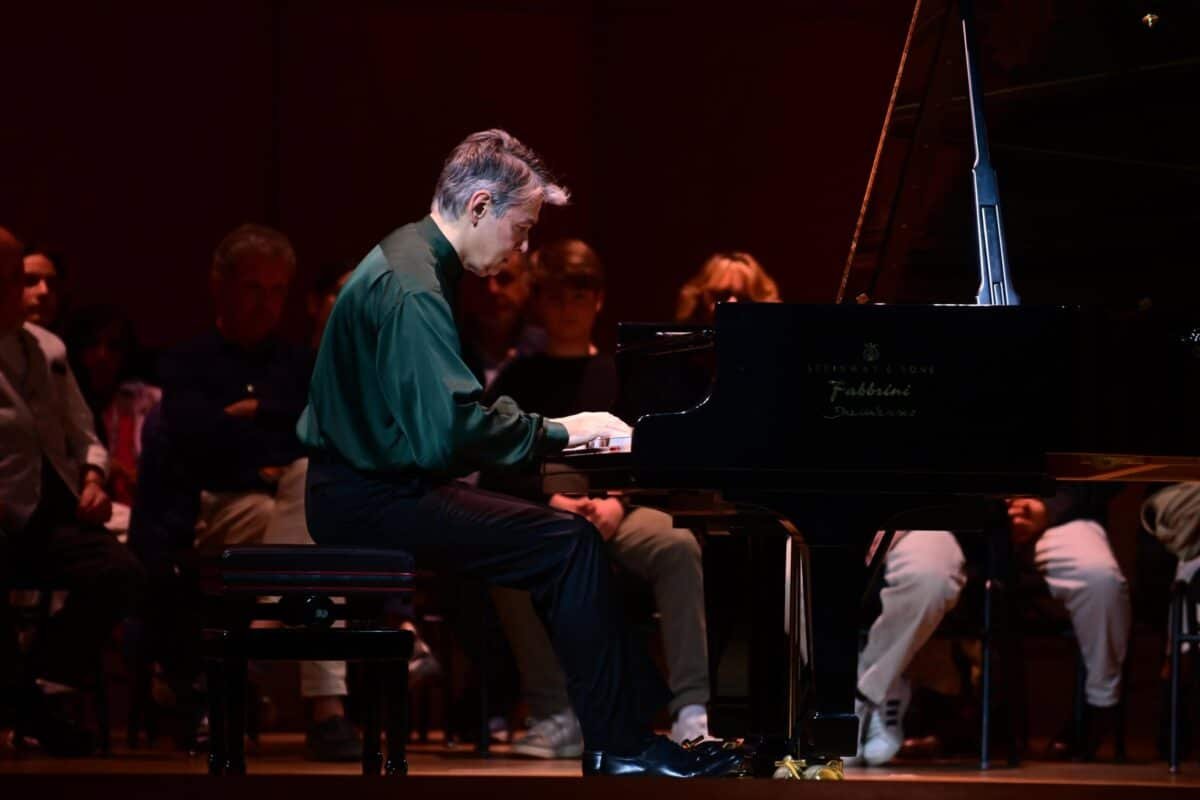
Lucca Classica Music Festival 2027 is expected to transform the historic centre of Lucca into a large open-air cultural and musical stage, bringing classical music into churches, palaces, theatres, courtyards, museums, gardens and other important locations throughout the city.
The festival is organised by the Associazione Musicale Lucchese and combines concerts with conversations, presentations, guided visits, educational projects and cultural events. Its format is deliberately immersive, allowing visitors to experience music alongside Lucca’s architecture, history, art and literary heritage.
The latest published programme contained approximately 90 appointments, covering classical repertoire, chamber music, piano, vocal music, jazz, contemporary projects, music education and events connected with Giacomo Puccini and Luigi Boccherini.
Enjoy Your Event Stress-Free with Italy Travelo
Whether you're traveling for a world-famous festival, live concert, cultural celebration, or business event, Italy Travelo helps simplify every step of your journey. Our team provides personalized travel assistance, allowing you to focus on creating lasting memories.
The 2027 programme has not yet been announced, but visitors can expect the festival to retain its multi-venue character, with performances taking place throughout the historic centre rather than at a single festival ground.
Event dates
2027 festival period
April 2027 to May 2027 (Dates TBD)
The exact 2027 calendar has not yet been announced. The festival traditionally takes place during the spring period and spreads its programme across several days.
Individual concerts, talks, exhibitions, guided tours and educational activities will have separate starting times and locations once the 2027 programme is released.
Visiting this event? Don’t miss out on these amazing activities and local experiences while you’re here.
Venue & festival site
Historic centre of Lucca
Lucca Classica does not operate from one permanent festival site. Instead, the historic centre of Lucca becomes a distributed concert venue, with performances presented in important cultural and architectural spaces.
Recent festival venues have included:
- Chiesa di San Francesco
- Teatro del Giglio
- Auditorium del Conservatorio “Luigi Boccherini”
- Palazzo Ducale
- Villa Bottini
- Oratorio degli Angeli Custodi
- Complesso di San Micheletto
- Museo Nazionale di Palazzo Mansi
- Museo Nazionale di Villa Guinigi
- Basilica di San Paolino
- Auditorium San Romano
- Puccini Museum – Casa Natale
The festival describes this approach as an immersive experience in which music occupies squares, historic buildings, churches, theatres and other locations throughout the city.
Full lineup
2027 programme
The complete 2027 artist lineup has not yet been announced.
The latest published programme included a wide range of musicians, ensembles, performers and cultural guests. Featured names and projects included:
- Stefano Bollani
- Kian Soltani
- Jaehong Park
- Maurizio Baglini
- Alessandro Baricco
- Marco Rizzi
- Danilo Rossi
- Orchestra del Conservatorio “Luigi Boccherini”
- Ensemble Micrologus
- Ars Liberalis Ensemble
- Concentus Lucensis
- Quartetto Adorno
- Gabriella Orlando
- Gabriele Campaner
- Alessandro Bergonzoni
- Marco Scolastra
- Norma Winstone
- Mario Brunello
- Archibaleno Suzuki Ensemble
- Polifonica Lucchese
- 100Cellos
- Orchestra and Choir of the Luigi Boccherini Conservatory
- Boccherini youth orchestras and choirs
- Numerous students and young musicians from local music schools and conservatories
The programme also included dedicated projects around Francesco, Giacomo Puccini, Luigi Boccherini, music and wellbeing, youth music and the relationship between music and cinema.
Headliners & featured artists
Stefano Bollani
Stefano Bollani was among the major concert attractions in the latest programme, presenting his Piano Solo format at Teatro del Giglio. The performance focused on improvisation and the pianist’s ability to create a different musical journey for every concert.
Kian Soltani
International cellist Kian Soltani appeared with pianist Jaehong Park in a programme centred around the historic Stradivari “London, ex Boccherini” cello associated with Luigi Boccherini. Their programme included works by Reza Vali, Schubert and Rachmaninoff alongside a tribute to Boccherini.
Alessandro Baricco
Writer Alessandro Baricco received the Lucca Classica Prize in the latest edition. His connection with music includes earlier work as a music critic and essays dedicated to classical music, making him a natural participant in the festival’s combination of music, literature and cultural discussion.
Maurizio Baglini
Pianist Maurizio Baglini was also featured in the programme, including a performance connected with his interpretation of The Köln Concert.
Stages & performance areas
Teatro del Giglio
The historic Teatro del Giglio provides one of the festival’s principal settings for major concerts and large-scale performances.
Chiesa di San Francesco
San Francesco is particularly important to the festival’s connection with Lucca’s musical history and hosted major performances, including the Kian Soltani concert.
Auditorium del Conservatorio Boccherini
The auditorium of the Luigi Boccherini Conservatory hosts concerts, educational projects, chamber performances, discussions and specialist musical programmes.
Palazzo Ducale
Palazzo Ducale provides several spaces for performances, talks and smaller-scale musical events, including Sala Tobino.
Museums, gardens and historic buildings
Villa Bottini, Palazzo Mansi, Villa Guinigi, the Complesso di San Micheletto and other cultural locations create additional performance areas throughout the city.
Stage-by-stage schedule
Main concert venues
The festival does not follow a conventional festival-stage structure. Instead, its schedule is divided between numerous venues throughout Lucca.
A typical programme can include:
- Morning concerts at historic buildings
- Lunchtime piano and chamber performances
- Afternoon youth and educational concerts
- Museum and palace performances
- Guided cultural visits
- Evening concerts at major venues
- Late cultural conversations and special presentations
This distributed format allows visitors to build an individual itinerary around different parts of Lucca’s historic centre. The latest programme included simultaneous activities at Villa Bottini, Palazzo Ducale, the Boccherini Conservatory, San Francesco and other venues.
Set times
Daily programme
Exact 2027 performance times have not yet been announced.
The festival normally operates from morning into the evening, with individual events scheduled throughout the day. The latest programme included morning educational performances, afternoon chamber concerts, guided visits and evening headline concerts.
Because several venues can operate within the same period, visitors should consult the official calendar when planning which performances to attend.
Ticket types
General concert tickets
Ticket prices vary according to the individual performance and venue. Many smaller concerts and cultural activities are free, while selected headline concerts require paid admission.
Previous edition reference prices
The latest published ticket structure included the following prices, converted to USD:
- Premium central seating for Stefano Bollani: $46.80
- Reduced premium central seating: $37.44
- Gallery or side seating: $32.76
- Reduced gallery or side seating: $25.74
- Upper gallery seating: $17.55
- Reduced upper gallery seating: $11.70
- Small chamber and specialist concerts: approximately $5.85
- Selected student and educational performances: approximately $2.34
- Selected guided museum activities: approximately $10.53
- Puccini-related guided itinerary with museum visit and aperitif: approximately $22.23
The festival also has free events that may require a complimentary ticket or reservation because of limited seating.
VIP & premium options
Golden Ticket
The festival’s Golden Ticket is the principal premium experience. It is designed to provide a more comprehensive way to experience the festival and Lucca.
The package has included:
- Reserved premium seating in the front rows for major evening events
- Guaranteed admission to all festival events during the festival period
- Lunch at the San Frediano hostel restaurant on festival days
The Golden Ticket is sold through the festival’s designated ticketing platform when available.
Event rules
Advance booking
Certain concerts require tickets or reservations even when admission is free. Visitors should check the individual event page before attending.
Venue capacity
Historic churches, museums, palaces and smaller concert rooms have limited capacity. A free event can therefore still require a ticket or reservation to guarantee entry.
Ticket collection
For some free performances, complimentary tickets may need to be collected from the designated festival or theatre box office.
Individual event conditions
Rules can vary according to the venue and performance. Visitors should arrive early, especially for free or highly attended concerts where seating is limited.
How to get there
By car
Lucca is well connected by road with Florence, Pisa, Viareggio and other Tuscan destinations. Visitors approaching by car should plan their route around the city’s historic centre and its restricted traffic areas.
Because many festival venues are inside or close to the historic centre, it is generally more practical to leave the car outside the central pedestrian areas and continue on foot.
By train
Lucca railway station is located close to the historic centre and provides convenient access for visitors arriving by regional train.
From the station, many festival venues can be reached on foot after entering the historic city centre.
By air
Pisa International Airport is the most convenient major airport for many international visitors. From Pisa, travellers can continue towards Lucca by train, bus, taxi or rental car.
Public transport & parking
Public transport
Local buses connect Lucca with surrounding communities, while regional rail services provide connections to Pisa, Florence and other Tuscan destinations.
For the festival itself, walking is often the easiest way to move between venues because many performances take place within the compact historic centre.
Parking
Visitors arriving by car should use designated parking areas outside the most restricted parts of the historic centre.
Parking arrangements can vary by venue and traffic restrictions, so visitors should check the access route before driving directly towards an individual concert.
Accommodation areas
Lucca historic centre
Staying inside the historic walls provides the easiest access to the festival’s largest concentration of venues. Visitors can walk between many concerts, museums, restaurants and cultural attractions.
Lucca train station area
The area around the railway station provides convenient access for visitors arriving by train and remains within walking distance of the historic centre.
Outside the city walls
Hotels and holiday accommodation in the wider Lucca area can offer more space and parking, particularly for visitors travelling by car.
Nearby Tuscan destinations
Visitors can also base themselves in Pisa, Viareggio or surrounding Tuscan towns and travel into Lucca for individual festival performances.
Food & drink
Restaurants in the historic centre
Lucca’s historic centre provides a large selection of restaurants, cafés, bakeries, wine bars and traditional Tuscan establishments within walking distance of festival venues.
Tuscan cuisine
Visitors can combine concerts with local specialities including traditional pasta dishes, soups, cured meats, cheeses, Tuscan breads and regional wines.
Festival hospitality
Some special cultural programmes have included hospitality elements such as aperitifs. The Puccini-related itinerary in the latest programme, for example, combined a museum visit and guided walk with an aperitif.
Accessibility
Historic venues
Accessibility varies considerably because the festival uses churches, palaces, museums, theatres, gardens and other historic buildings.
Some venues may have stairs, narrow entrances or other architectural limitations associated with historic structures.
Planning assistance
Visitors with mobility or other accessibility requirements should contact the festival or the individual venue before attending to confirm accessible entrances, seating arrangements and available assistance.
The distributed format means accessibility should be checked separately for each performance rather than assumed to be identical across the festival.
Best days to attend
For major concerts
Choose the programme period featuring the headline performers announced for 2027. Major concerts generally take place in larger venues such as Teatro del Giglio or Chiesa di San Francesco.
For classical music
Visitors interested in traditional classical repertoire should focus on the chamber music, piano, vocal and orchestral programmes.
For Puccini and Lucca’s musical heritage
Look for events connected with Giacomo Puccini, the Puccini Museum, historic Lucca and the city’s musical institutions.
For young musicians
The festival’s educational programme features youth orchestras, choirs, conservatory students and school music projects, making these events particularly relevant for families and visitors interested in music education.
For a complete festival experience
A multi-day visit allows visitors to experience different venues, musical styles, talks, guided tours and cultural activities rather than concentrating on a single concert.
Previous year’s highlights
Large-scale programme
The latest edition featured approximately 90 events and continued the festival’s role as a distributed cultural programme throughout Lucca’s historic centre.
Kian Soltani and the Boccherini Stradivari
One of the major highlights was Kian Soltani performing with Jaehong Park on the Stradivari cello historically associated with Luigi Boccherini. The project connected international performance with Lucca’s musical heritage.
Stefano Bollani
Stefano Bollani’s Piano Solo concert brought improvisational piano performance to Teatro del Giglio, adding a contemporary and jazz-influenced dimension to the festival.
Alessandro Baricco
The Lucca Classica Prize was awarded to Alessandro Baricco, with the festival highlighting his long-standing relationship with classical music and musical writing.
Youth and community music
The programme also placed considerable emphasis on young musicians, school orchestras, choirs and conservatory projects, reinforcing the festival’s educational and community dimension.
Official tickets
Official ticketing
Tickets for the main paid concerts are made available through the festival’s official ticketing channels, including Vivaticket and, for selected performances, other authorised platforms.
The official festival website provides the individual event pages with venue information, performance details, ticket conditions and prices.
Official website: https://www.luccaclassica.it/
Contact
Phone: +39 0583 469960
Visitors should check the official website before purchasing tickets because the 2027 programme, ticket categories and individual concert prices have not yet been announced.
Video
Location
FAQ
What is the primary artistic focus of Lucca Classica Music Festival?
The festival centers heavily on classical symphonic masterpieces, intimate chamber concerts, and rich choral performances hosted across historic European venues. It also places a special emphasis on celebrating the local musical heritage and operatic legacy of composer Giacomo Puccini.
Where do the concerts and cultural events take place geographically?
Performances are spread across a wide array of Lucca's architectural treasures, including medieval churches, frescoed Renaissance palazzos, and ancient courtyards. This unique spatial setup transforms the entire historic walled city into an expansive open-air stage for classical arts.
Are there activities available for families and younger audiences during the event?
Families can enjoy specially tailored daytime children's concerts, interactive school workshops, and introductory musical presentations designed for young minds. Intergenerational youth orchestras also perform live, fostering a welcoming environment for aspiring student musicians and kids.
How does the festival ensure accessibility for visitors with limited mobility?
Venues utilize temporary modular ramps, rollout ground mats, and designated viewing platforms to navigate historic cobblestones and uneven stone thresholds. Dedicated support personnel and reserved parking spaces further assist guests in moving smoothly between events.
What types of non-musical cultural offerings accompany the performance schedule?
Attendees can participate in expert-led musicology lectures, book presentations, historical walking tours atop the city walls, and luthier craft exhibitions. Local culinary tastings and independent sheet music markets also occupy daytime hours across various historic squares.

Leave a Reply