
What to expect in 2027
Alba Music Festival returns for its 24th edition, continuing its distinguished tradition as one of Italy’s premier classical and contemporary music events. Held in the heart of the Langhe region, a UNESCO World Heritage landscape renowned for its vineyards and truffles, the festival has spent over two decades building a reputation for artistic excellence under the direction of Giuseppe Nova.
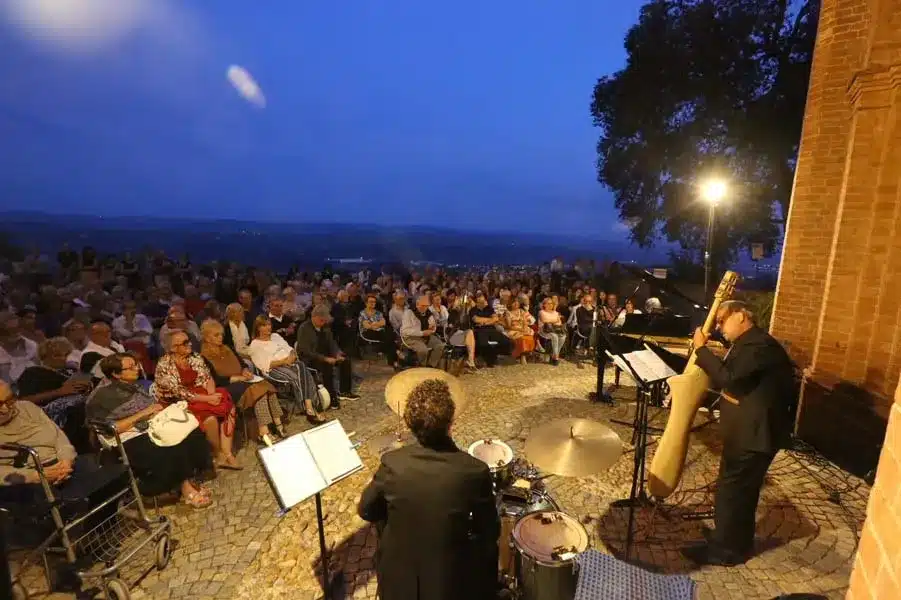
The festival’s program is characterized by a remarkable breadth of repertoire, spanning from Baroque masterpieces to contemporary commissions and world premieres. The 2027 edition will follow the established formula that has made Alba a destination for music lovers from across Europe and beyond: intimate performances in historic churches, grand orchestral concerts in prestigious venues, and a calendar that allows audiences to experience multiple events in a single day.
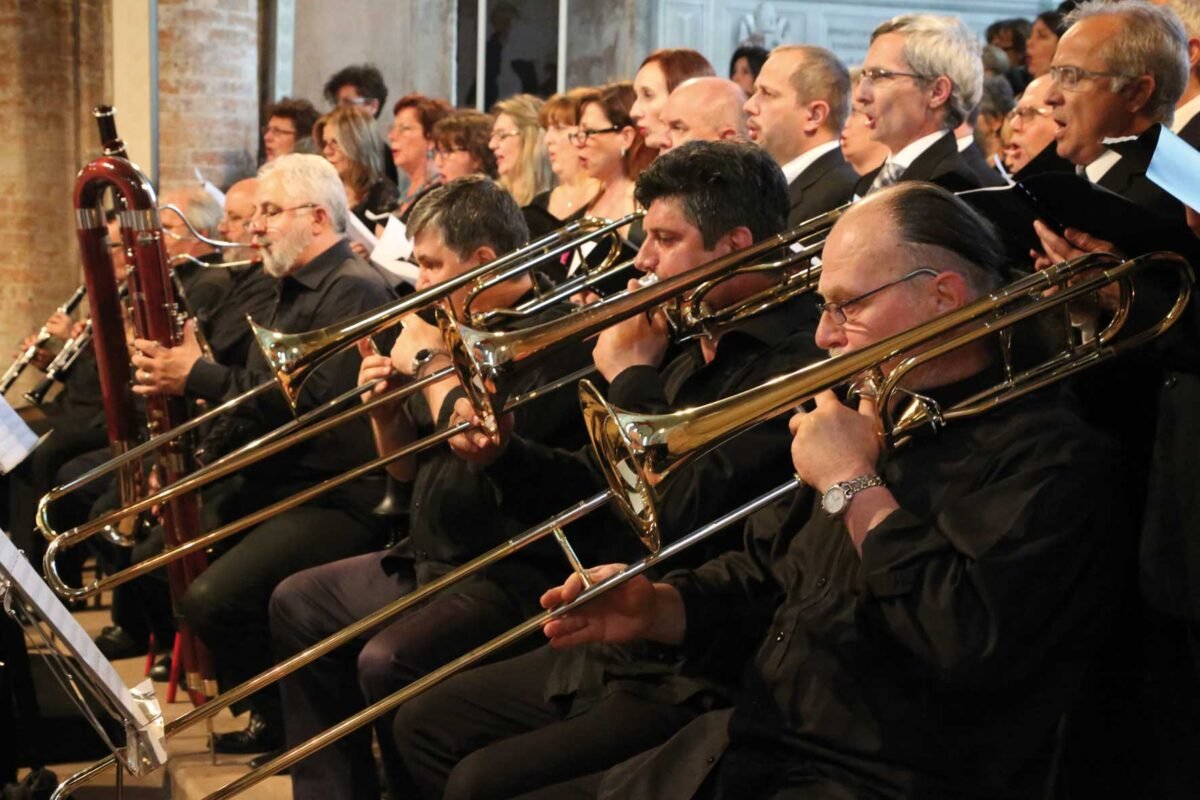
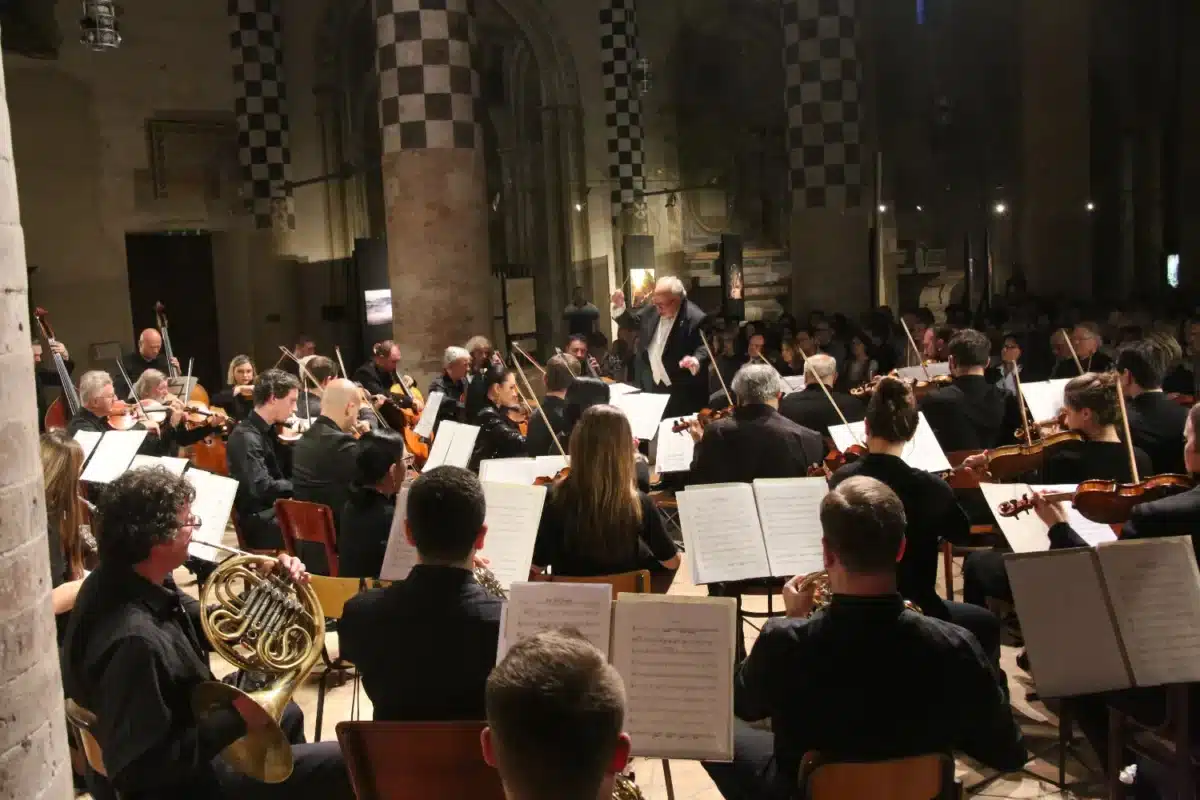
Expect a lineup that balances international stars with emerging talent. The festival has hosted hundreds of artists from over twenty nations, including orchestras, chamber ensembles, and soloists of the highest caliber. The Romania Philharmonic Orchestra has served as the festival’s prestigious ensemble-in-residence for over a decade, and their annual appearances have become a cornerstone of the program.
Enjoy Your Event Stress-Free with Italy Travelo
Whether you're traveling for a world-famous festival, live concert, cultural celebration, or business event, Italy Travelo helps simplify every step of your journey. Our team provides personalized travel assistance, allowing you to focus on creating lasting memories.
The festival’s setting in Alba and the surrounding Langhe hills adds a dimension of cultural tourism that distinguishes it from urban festivals. Attendees can combine concert-going with exploration of the region’s celebrated wine cellars, truffle fairs, and medieval hilltop towns. The Alba International White Truffle Fair, held annually in October and November, overlaps with the festival’s secondary season, creating a rich cultural and gastronomic experience.
The Alba Music Festival Composition Program runs concurrently, offering young composers the opportunity to study with resident faculty, attend workshops and masterclasses, and have their works performed and recorded by professional ensembles. This educational component reflects the festival’s commitment to nurturing the next generation of musical talent.
Event dates
May – June 2027 (Dates TBD)
Visiting this event? Don’t miss out on these amazing activities and local experiences while you’re here.
Venue & festival site
The festival is headquartered in Alba, a historic town in the Piedmont region of northwestern Italy, approximately 60 kilometers southeast of Turin. The primary venues are scattered throughout the town’s medieval center, each offering distinct acoustic and architectural character.
The Church of San Giuseppe, located in the heart of Alba’s historic center, serves as a principal venue for morning concerts and recitals. Its intimate scale and excellent acoustics make it ideal for chamber music and solo performances. The Church of San Domenico, one of the largest religious buildings in Alba, hosts major evening concerts requiring greater capacity and orchestral forces.
The Fondazione Ferrero, a renowned cultural center established by the Ferrero family, traditionally hosts the festival’s inauguration concert. The Cortile della Maddalena provides an outdoor setting for large-scale works, including the festival’s memorable 2026 performance of Carl Orff’s Carmina Burana. The Sala Beppe Fenoglio accommodates late-night performances and jazz-influenced programs.
Beyond Alba, the festival extends into the surrounding Langhe and Roero territories. The Castello di Grinzane Cavour, a UNESCO World Heritage site, hosts concerts in its historic Sala delle Maschere. Venues in Bra, Barbaresco, Neive, La Morra, and other picturesque hilltop towns bring music to the region’s celebrated wine villages. This diffusion across the landscape allows audiences to discover the area’s cultural and gastronomic riches while attending performances.
Full lineup
The complete lineup for 2027 will be announced in the months leading up to the festival. The artistic direction under Giuseppe Nova has historically revealed the program in phases, with initial announcements in winter and the full schedule confirmed by spring.
The festival’s programming is built around several recurring series. The “Italy&USA” theme, reflecting the festival’s transatlantic partnerships, features collaborations with American composers, performers, and educational institutions. The “Bacco&Orfeo” series presents Sunday morning concerts in Alba and Bra, combining music with wine tastings. “Classica” brings concerts to Alba’s International White Truffle Fair in October and November. “Suoni dalle Colline” extends the festival into the Langhe and Roero hills.
Previous editions have featured artists including pianists Bruno Canino, Antonio Ballista, Sandro De Palma, and János Balázs; violinists Maria Solozobova and Ettore Pellegrino; soprano Sang Eun Kim; conductors Abzal Mikhitdinov, Gudni Emilsson, and Jeff Silberschlag; and ensembles including the Romania Philharmonic Orchestra, Orchestra Filarmonica Pugliese, Hinge Quartet, and Goffriller String Quartet. The festival has presented world premieres and Italian first performances of works by contemporary composers, including Massimo Pagano and Patrick Dheur.
Headliners & featured artists
Headline artists for 2027 will be confirmed as the festival program is finalized. The festival’s headliners typically represent the highest levels of international classical music, with recent editions featuring competition winners from the Schumann, Aarhus, and Steinway competitions, as well as established soloists who perform regularly at major concert halls including Carnegie Hall, the Concertgebouw, and the Wiener Konzerthaus.
The festival has a particular commitment to showcasing young talent. The “Vincitori del Concorso Musica in Langa” concerts feature winners of the festival’s own competition, providing a platform for emerging artists. The Composition Program brings young composers from around the world to Alba for intensive study and performance opportunities.
The resident Romania Philharmonic Orchestra, founded in 1956 and active for over six decades, anchors the festival’s orchestral programming. Their annual performances range from canonical works of the classical repertoire to contemporary pieces, often with distinguished guest soloists and conductors. The orchestra’s presence provides continuity across festival editions and allows audiences to develop a relationship with the ensemble.
Stages & performance areas
The festival operates across multiple stages and performance areas, each with its own character and programming profile. The Church of San Giuseppe serves as the primary venue for morning concerts, with its intimate scale creating an atmosphere of concentration and intimacy. The Church of San Domenico hosts the festival’s largest concerts, with capacity for substantial audiences and orchestras.
The Fondazione Ferrero provides a modern concert hall setting for the inauguration and other special events. Its association with the Ferrero family, one of Italy’s most prominent industrial dynasties, adds a dimension of prestige to performances held there. The Cortile della Maddalena, an outdoor courtyard, accommodates large-scale choral and orchestral works that benefit from open-air acoustics.
The Castello di Grinzane Cavour, a UNESCO World Heritage site, offers one of the festival’s most evocative settings. Its Sala delle Maschere, decorated with historic masks and artifacts, creates a unique backdrop for chamber performances. Other venues across the Langhe region, including churches, castles, and historic buildings in towns such as Bra, Barbaresco, and Neive, allow the festival to reach diverse audiences and create site-specific experiences.
Stage-by-stage schedule
The detailed stage-by-stage schedule for 2027 will be published when the full program is announced. The festival typically follows a structure that spans approximately ten to twelve days in late May and early June, with additional concerts during the autumn White Truffle Fair season.
A typical festival day might include a morning concert at the Church of San Giuseppe at 11:00 AM, followed by afternoon performances in various venues, and an evening concert at the Church of San Domenico or another major venue. Late-night performances, often featuring jazz-influenced programs or chamber music, may follow the evening concert. The schedule is designed to allow audiences to experience multiple performances in a single day while also leaving time to explore Alba’s historic center and culinary offerings.
The Composition Program runs concurrently with the main festival, with daily workshops and masterclasses at the Campus Center. Participants’ works are performed on dedicated concert series, often in the afternoon or early evening.
Set times
Set times vary by venue and performance type. Solo recitals and chamber performances generally run 45 to 60 minutes. Orchestral concerts range from 90 to 120 minutes, sometimes with an intermission. Late-night performances typically begin around 10:30 PM or 11:00 PM and run approximately 60 to 75 minutes. The Sunday morning Bacco&Orfeo concerts begin promptly at 11:00 AM in Alba and 4:30 PM in Bra, each lasting about 50 minutes.
Ticket types
Ticketing for the 2027 edition will follow the patterns established in previous years. The festival offers several options designed to accommodate different attendance patterns and budget levels.
Single concert tickets
Available for individual performances. Prices for previous editions have ranged from approximately $16 to $22 depending on the venue and artist. Reduced-price tickets are often available for students and young audiences.
Season subscriptions
Available for specific concert series, such as all concerts at the Church of San Domenico or the full Bacco&Orfeo series. The 2026 San Domenico subscription was priced at approximately $65.
Festival Friends subscriptions
A discounted subscription option for registered Friends of the Alba Music Festival, valid for concerts in both Alba and Bra. The 2026 Bacco&Orfeo Friends subscription was approximately $20.
Student and youth subscriptions
Special reduced rates for students of all levels, music school pupils, and members of affiliated cultural organizations. The 2026 student subscription for Bacco&Orfeo was approximately $13.
Free admission for children
Children under 10 years of age are typically admitted free of charge.
VIP & premium options
The festival’s ticketing structure emphasizes accessibility and community participation. Premium options have historically been limited, though some concerts offer reserved seating in the front rows for advance purchasers or season subscribers.
The intimate scale of most venues means that standard tickets provide excellent proximity to performers. The festival’s Friends program offers benefits such as priority booking and invitations to special events. For information about any premium experiences for 2027, contact the festival directly at +39.0173.362408.
Event rules
Attendees should note the following general policies. Tickets are required for all concerts unless otherwise noted. Some venues have limited capacity, and entry is first-come, first-served. Photography and video recording are generally not permitted during performances, though policies may vary by artist and venue. The festival is family-friendly, and children are welcome, with free admission for those under 10. Late seating may be restricted during performances.
How to get there
Alba is well-connected by rail and road to major cities in northern Italy. The Alba railway station, located in the town center, is served by trains from Turin, with connections to Milan and other destinations. The journey from Turin takes approximately one hour. From Milan, the trip involves a change in Turin or Alessandria and takes approximately two hours.
By car, Alba is accessible from the A6 motorway (Turin-Savona) and the A33 motorway (Asti-Cuneo). The town center is well-signposted from motorway exits. However, parking in the historic center is limited, and visitors are encouraged to use public transport or park in peripheral areas and walk to festival venues.
Public transport & parking
Alba’s urban bus network provides service throughout the town, with routes connecting the train station to the historic center and other festival areas. Bus tickets can be purchased at tobacco shops and newsstands. The festival’s central venues in Alba are within walking distance of each other, making pedestrian movement between concerts convenient.
For those arriving by car, parking options include paid garages and metered street parking in the town center. Peripheral parking areas with bus connections to the center may offer more economical options. Off-site venues in the surrounding hills generally have more available parking, though attendees should check individual venue information. Some venues, including the Castello di Grinzane Cavour, have dedicated parking areas.
Accommodation areas
Alba offers a range of accommodation options suitable for festival attendees. The town center, particularly the area around the train station and the historic core, provides convenient access to main festival venues. Hotels in this area range from economical three-star establishments to more comfortable four-star properties. During the festival period, early booking is recommended, as accommodations fill quickly.
The surrounding Langhe region offers numerous agriturismo properties, bed and breakfasts, and small hotels in picturesque hilltop towns. These accommodations provide a more rural experience while remaining within driving distance of festival events. Towns such as Barolo, La Morra, Neive, and Barbaresco are particularly popular. Turin is also a viable base for day trips to Alba, given the frequent train connections, though this option adds travel time.
Food & drink
The festival integrates food and wine into its programming, with many events including tastings of local products. Alba is celebrated as the capital of the Langhe, a region renowned for its white truffles, hazelnuts, and prestigious wines. The Alba International White Truffle Fair, held annually in October and November, coincides with the festival’s Classica series.
The Bacco&Orfeo Sunday concerts traditionally include a glass of wine offered by local producers after each Alba performance. This tradition reflects the festival’s connection to the territory’s gastronomic culture. In Alba’s town center, restaurants, trattorias, and enotecas offer dining options ranging from traditional Piedmontese cuisine to contemporary Italian cooking. Local specialties include tajarin pasta with truffle, vitello tonnato, and the region’s celebrated Barolo and Barbaresco wines.
Accessibility
The festival strives to make events accessible to all attendees. Many venues in Alba’s historic center have step-free access or alternative routes for wheelchair users, though some historic churches and buildings present challenges due to architectural constraints.
The Church of San Giuseppe and the Church of San Domenico are generally accessible. Attendees with specific accessibility needs should contact the festival in advance to receive detailed information about individual venues. For information, contact +39.0173.362408.
Best days to attend
The opening weekend typically offers the most concentrated program of performances, with the inauguration concert at the Fondazione Ferrero and major concerts at the Church of San Domenico. The first weekend often features the festival’s flagship orchestral performances. The second weekend includes a mix of chamber music, solo recitals, and late-night programs.
The Sunday Bacco&Orfeo concerts in Alba and Bra provide a distinctive festival experience, combining morning and afternoon performances with wine tastings and the opportunity to explore both towns. The Composition Program concerts offer insight into the work of emerging composers and are typically scheduled in the late afternoon or early evening.
Previous year’s highlights
The 2026 edition, the festival’s 23rd, featured a performance of Carl Orff’s Carmina Burana with the 75-piece Orchestra Filarmonica Pugliese, the CasaleCoro, the Haendel Choir, and soloists including soprano Sang Eun Kim, tenor Gian Luca Pasolini, and baritone Fabrizio Brancaccio, conducted by Abzal Mikhitdinov. The Romania Philharmonic Orchestra performed five orchestral concerts, including Rachmaninov’s Third Piano Concerto with Serene, Gershwin’s Rhapsody in Blue with János Balázs, and works with violinists Maria Solozobova and Lynna Han.
Other highlights included the Italian premiere of La clé des Mondes by Patrick Dheur, a symphonic work for baritone, piano, children’s choir, and orchestra. Francesco Buzzurro and the Goffriller String Quartet presented “Migrantes,” a program dedicated to the theme of migration. The festival also featured a tribute to Ottorino Respighi on the 90th anniversary of his death, with Valerio Premuroso on piano and actor Alessandro Castellucci. The Night of Notes of Italian Cinema celebrated Ennio Morricone and Nino Rota with actress Laura Riccioli and The Palm Court Quartet.
Official tickets
Tickets for Alba Music Festival 2027 will be available through the festival’s official website and authorized ticketing partners. For updates and ticket information, visit https://www.albamusicfestival.com/ or call +39.0173.362408. Attendees are advised to purchase tickets only through official channels to ensure validity.
Video
Location
FAQ
What time of year does the festival typically take place in Alba?
The festival runs across an extended multi-week schedule spanning from late spring into early summer. This pleasant seasonal timeframe allows events to unfold seamlessly within historic indoor venues and outdoor castle courtyards.
Where are the core concert venues situated within the host territory?
Performances are hosted across a wide network of historic churches, castles, and civic spaces throughout Alba and the surrounding Langhe-Roero hills. All primary urban venues are centrally located and easily accessible.
Are there educational opportunities available for young musicians during the event?
The festival organizes intensive masterclasses, youth training programs, and international student residencies led by guest artists. These programs offer hands-on coaching, mentorship, and direct performance opportunities for emerging instrumentalists.
How can attendees purchase tickets or access the scheduled performances?
Tickets can be secured online through official festival channels or directly at venue box offices before showtimes. Certain special events, exhibitions, and community gatherings also offer alternative public access options across partner locations.
What style of musical curation defines the artistic identity of the event?
The programming focuses heavily on classical masterworks, transatlantic artistic exchanges, and contemporary world premieres. Audiences experience a diverse mix of international guest orchestras alongside intimate chamber music ensembles.

Leave a Reply