

-
May 1, 2027
Event date:
-
May 1, 2027
Event end:
Festival Heritage and Labor Day Concert Tradition
The Primo Maggio Roma concert stands as one of Italy’s most monumental and enduring public traditions, transforming the historic heart of the capital into a massive celebration of International Workers’ Day. Promoted jointly by Italy’s major labor confederations, the event has historically united millions of citizens in a shared commitment to labor rights, social justice, and democratic values. Over decades of continuous production, this iconic gathering has evolved from a traditional union rally into Europe’s largest free live music festival.
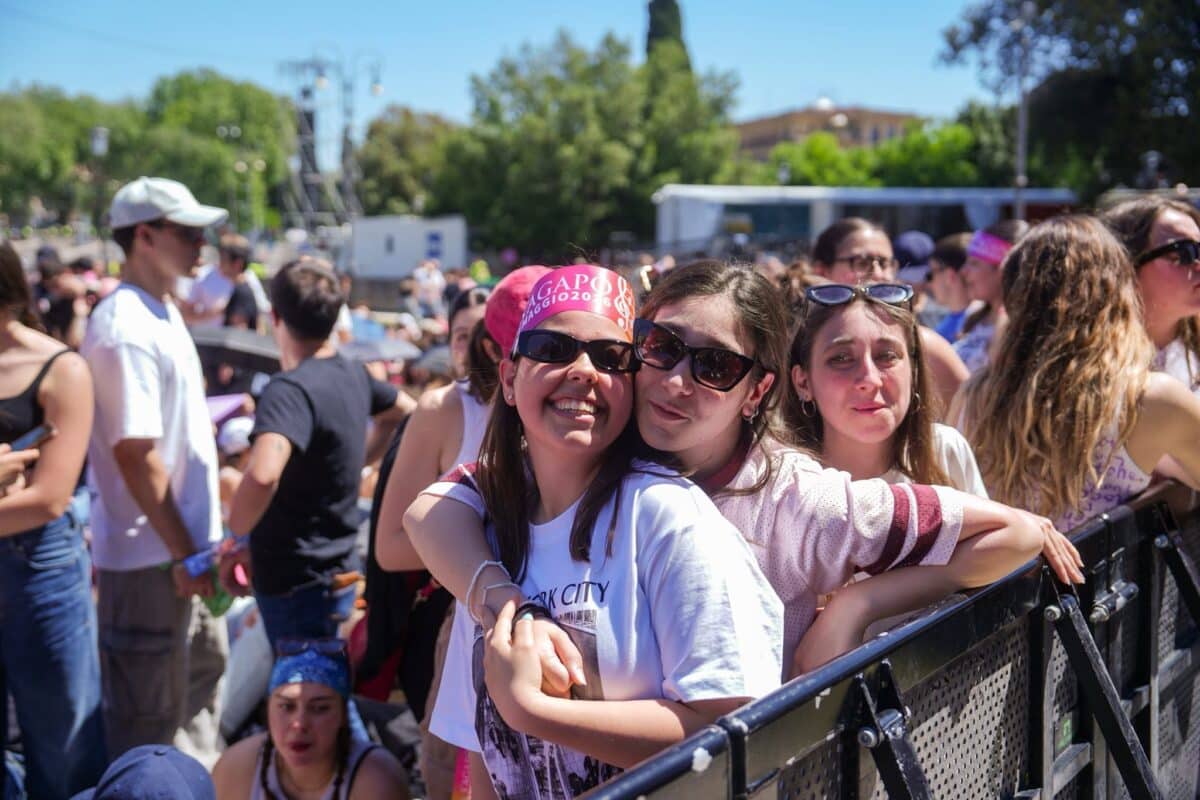
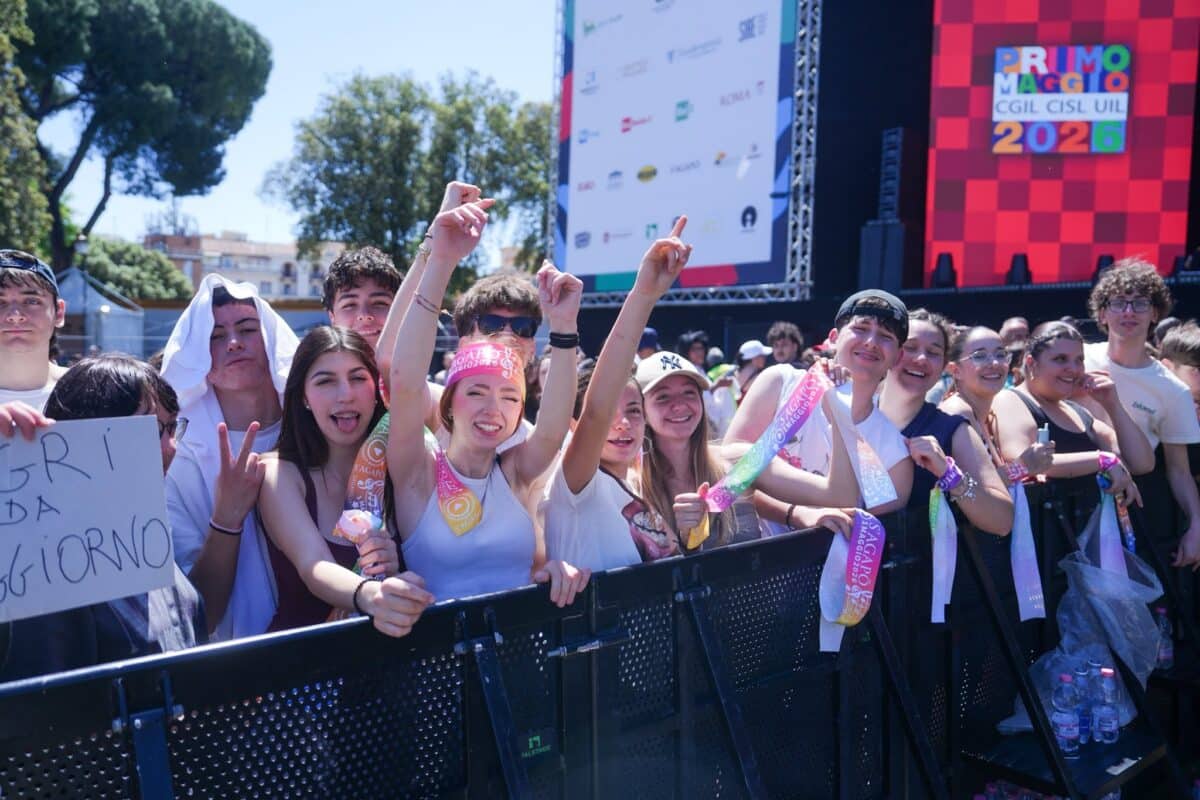
The core philosophy of the event bridges political activism with mainstream artistic expression, utilizing the universal power of song to amplify pressing social conversations. By bringing together diverse generations in a public square, the festival fosters a unique atmosphere of collective solidarity and shared civic responsibility. Attendees experience an environment where contemporary cultural trends intersect seamlessly with historical political consciousness and community engagement.
Furthermore, the concert serves as an essential cultural anchor for the nation, chronicling the changing landscape of Italian society through music and public discourse. Its massive scale and televised reach ensure that messages concerning employment, safety, and human dignity resonate far beyond the physical boundaries of the capital. Ultimately, attending the event offers an unforgettable immersion into the passionate, politically engaged soul of modern Italy.
Enjoy Your Event Stress-Free with Italy Travelo
Whether you're traveling for a world-famous festival, live concert, cultural celebration, or business event, Italy Travelo helps simplify every step of your journey. Our team provides personalized travel assistance, allowing you to focus on creating lasting memories.
Live Musical Lineup and Headline Artists
- Mainstage Headliner Performances: Extended high-energy sets featuring the biggest names in contemporary Italian rock, pop, and alternative music.
- Iconic Legacy Acts: Special live appearances by legendary Italian singer-songwriters celebrating decades of influential career milestones.
- Indie Rock Showcases: Dynamic afternoon performances highlighting critically acclaimed independent bands shaping the current domestic music scene.
- Rap and Urban Collaborations: High-velocity hip-hop and urban poetry sets addressing contemporary youth culture and urban realities.
- Acoustic Singer-Songwriter Slots: Stripped-down lyrical performances emphasizing poetic storytelling and raw vocal arrangements.
- Cross-Genre Supergroups: Unique onstage musical pairings uniting artists from disparate genres for one-off collaborative live renditions.
- Alternative Pop Sensations: Chart-topping modern pop acts bringing fresh electronic beats and elaborate stage presence to the piazza.
- Folk and Roots Revues: Traditional musical interpretations celebrating regional Italian folklore and historical working-class anthems.
- Special Tribute Sets: Curated musical homages dedicated to departed masters of Italian song and cultural resistance.
- Finale All-Star Jams: Massive collaborative ensemble performances closing the night with every participating artist on stage.
Piazza San Giovanni in Laterano Main Stage Experience
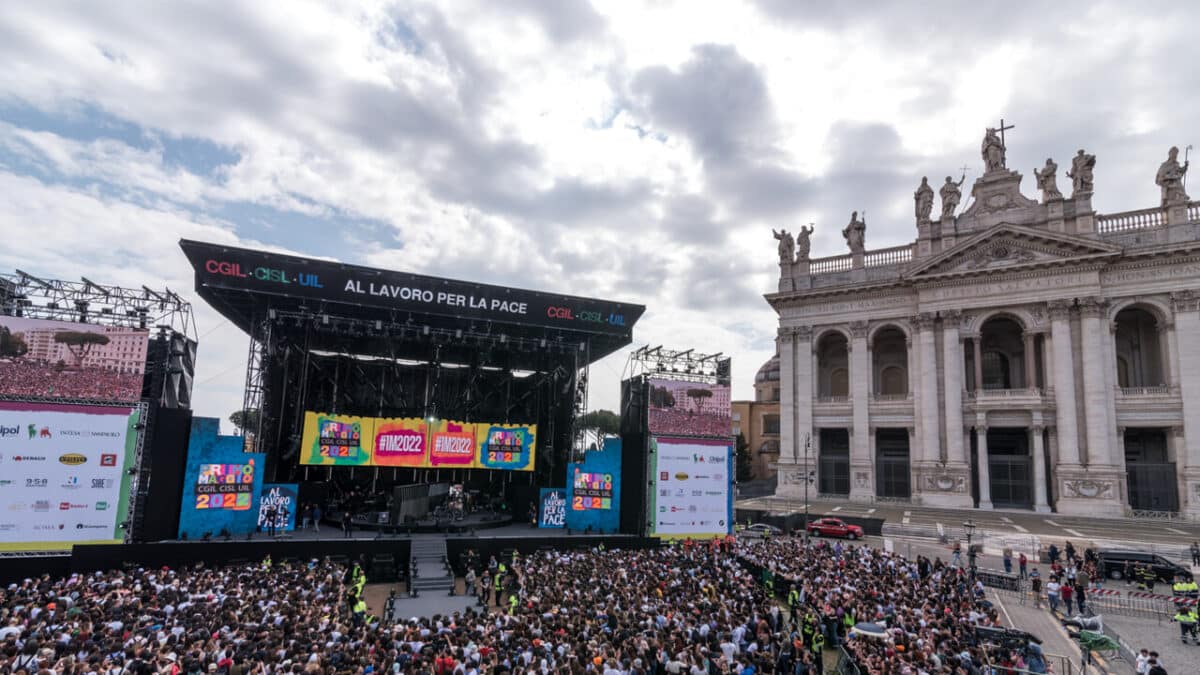
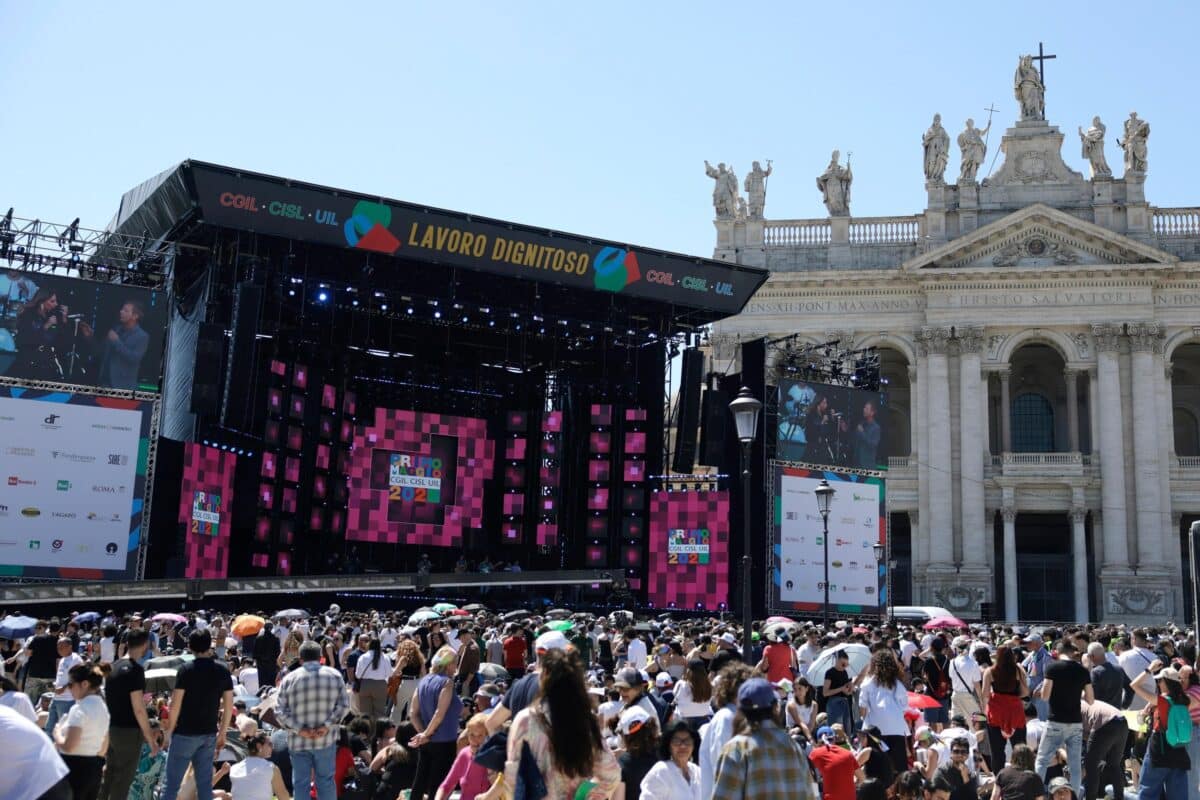
The Piazza San Giovanni in Laterano serves as the monumental architectural backdrop and physical epicenter of the festival, accommodating hundreds of thousands of passionate music fans. Towering technical scaffolding, massive LED screens, and state-of-the-art line-array sound systems are engineered to project high-fidelity audio across the vast historic square. This historic piazza provides an awe-inspiring open-air arena that elevates the emotional resonance of every live performance.
Surrounding the main structure, specialized camera cranes, broadcast walkways, and secure production compounds manage the complex flow of live television production and artist transit. The vast open layout allows the massive crowd to ebb and flow naturally while maintaining clear sightlines toward the central performance platform. Technical production teams work continuously around the clock to ensure seamless stage transitions between dozens of fast-paced musical acts.
- Massive LED Visual Walls: High-resolution backdrop screens displaying dynamic real-time graphics, artist close-ups, and artistic video loops.
- Concert Audio Towers: Strategically placed delay speakers ensuring crystal-clear sound propagation across the entire expansive piazza.
- Backstage Artist Village: Secure holding compounds, dressing rooms, and hospitality areas accommodating hundreds of musicians and crew members.
- Broadcast Crane Cameras: High-flying robotic jibs capturing sweeping aerial perspectives of the densely packed historic square.
- Press Pit Infrastructure: Dedicated barricaded photo zones allowing accredited journalists to capture front-row performance media.
- Artist Green Rooms: Climate-controlled modular staging units providing comfort and privacy for headlining performers prior to showtime.
- Main Control Mixing Fenders: Heavily fortified sound and lighting engineering hubs operating complex digital board systems.
- Pyrotechnic and Lighting Rigs: Professional theatrical lighting fixtures illuminating the ancient facade of the Basilica during evening sets.
Event Programme
- Event Date: May 1, 2027
- Event Duration: A full day and evening of continuous live musical performances, labor union addresses, and youth talent showcases
Visiting this event? Don’t miss out on these amazing activities and local experiences while you’re here.
1M Next Contest and Emerging Talent Showcase
- National Scouting Initiative: A rigorous digital competition filtering thousands of demo submissions down to the finest rising independent musical acts in Italy.
- Semifinalist Live Auditions: Competitive showcase rounds held in professional studio environments evaluated by a panel of industry experts.
- Piazza Mainstage Debut: The coveted grand prize granting winning emerging artists the opportunity to perform live during daylight hours.
- Radio Airplay Partnerships: Promotional alliances securing specialized broadcasting exposure and single releases for contest finalists.
- Mentorship Masterclasses: Professional career development workshops guiding young musicians through contract negotiations and publishing rights.
- Independent Label Showcases: Networking sessions connecting emerging talent with prominent artist managers and independent booking agents.
- Digital People’s Choice Voting: Online public polling platforms allowing fans across the nation to vote for their favorite rising stars.
- Critical Acclaim Panels: Specialized feedback sessions where veteran music critics analyze and critique finalist performances.
- Career Advancement Grants: Financial and technical support packages awarded to top-performing contestants to fuel upcoming album productions.
Central Trade Union Debates and Social Themes
The festival maintains its deep historical roots by hosting rigorous public debates and keynote speeches led by prominent trade union leaders and social activists. Discussions focus heavily on current economic challenges, workplace safety regulations, fair labor contracts, and the protection of workers’ rights across Europe. These intellectual forums provide a vital bridge between musical celebration and serious political consciousness.
Complementing the formal speeches, labor representatives and civil rights advocates host public assemblies addressing pressing contemporary matters such as gender equality and digital labor. Attendees are encouraged to engage directly with speakers, review informational manifestos, and participate in grassroots solidarity campaigns. This unwavering dedication to social dialogue ensures the event remains a cornerstone of Italian civic life.
Entry & Tickets
- How Tickets Are Sold: General entry access is managed directly at the historic open-air piazza gates without requiring advance ticket purchases.
- Admission Type: Free Admission for all members of the public attending the open-air square and surrounding street concert zones.
- Ticket Pricing: Ticket pricing ranges from a minimum of Free Admission for general public access up to a maximum of Free Admission since the entire event is publicly funded and open to all.
- Special Seating Options: General public standing areas occupy the entire open piazza space, complemented by designated accessible raised platforms reserved for visitors with mobility impairments.
- VIP Options: Special backstage and side-stage press credentials are strictly reserved for accredited media personnel, official jury members, and event organizers.
Roman Street Food Villages and Refreshment Areas
- Traditional Porchetta Stalls: Artisanal food trucks offering classic Roman roasted pork seasoned with wild rosemary and garlic inside crusty bread.
- Pizza al Taglio Stations: Local bakeries serving square-cut Roman pizza slices topped with fresh mozzarella, tomatoes, and seasonal vegetables.
- Suppli and Fried Snack Bars: Specialized fryers dispensing piping-hot traditional rice croquettes filled with molten mozzarella and meat ragu.
- Craft Beer Pavilions: Regional beverage stalls showcasing independent Roman microbreweries and refreshing artisanal craft ales.
- Organic Gelato Carts: Mobile ice cream vendors offering refreshing natural fruit sorbets and rich dairy gelato flavors.
- Espresso and Coffee Bars: Daytime stations supplying high-end Italian espresso, cappuccinos, and iced energy drinks for exhausted attendees.
- Gluten-Free Food Outlets: Dedicated catering trucks providing safe, certified celiac-friendly street food options for sensitive visitors.
- Vegan and Vegetarian Bazaars: Plant-based food stalls offering creative meat-free burgers, falafel wraps, and organic salads.
- Hydration Water Stations: Free public drinking water points installed across the perimeter to encourage bottle refills.
- Eco-Friendly Packaging Hubs: Concession stands utilizing 100% biodegradable cornstarch plates, cups, and paper cutlery.
- Local Wine Tasting Bars: Specialized counters featuring crisp Frascati white wines produced in the nearby volcanic hills.
- Snack and Confectionery Kiosks: Vendors selling roasted chestnuts, candied almonds, and packaged festival sweets.
Youth Culture, Activism, and Civil Rights Panels
The festival serves as a vibrant platform for contemporary youth culture, channeling the energy of new generations into organized social activism and progressive advocacy. Dedicated assembly spaces host young activists, student leaders, and human rights defenders discussing intersectional justice, educational reform, and digital freedom. These grassroots forums empower attendees to transform passive musical enjoyment into active civic engagement.
Alongside formal discussions, youth-led non-profit organizations distribute informational pamphlets concerning mental health awareness, anti-discrimination campaigns, and global peace initiatives. Visitors are invited to participate in interactive workshops, sign petitions, and join community networks fighting for social equality. This vital focus on youth empowerment guarantees that the festival remains culturally relevant and deeply forward-looking.
Getting to the Event
- City and Country: Rome, Italy
- Venue Name: Piazza San Giovanni in Laterano
- Google Maps Address: Piazza di San Giovanni in Laterano, 00184 Roma RM, Italy
Technical Crew, Production, and Broadcast Stages
- Multi-Tier Rigging Crews: Specialized structural engineers assembling heavy-duty scaffolding and weather-resistant roofing systems under strict safety codes.
- Broadcast Television Engineers: Technical teams coordinating live high-definition satellite uplinks for national television networks and streaming platforms.
- Acoustic Tuning Specialists: Sound technicians calibrating multi-zone speaker arrays to comply with municipal noise ordinances and clarity standards.
- Lighting and Laser Operators: Programmers synchronizing complex computerized lighting boards with live musical tempos and visual themes.
- Power Generation Hubs: Heavy-duty industrial backup generators ensuring uninterrupted electrical supply across all staging zones.
- Stage Management Coordinators: Precision logistics teams keeping fast-paced changeover schedules on exact minute-by-minute timelines.
- Instrument Backline Technicians: Specialized guitar and drum techs tuning and swapping instruments rapidly between consecutive artist sets.
- Security Logistics Planners: Tactical teams designing physical barricade layouts to guarantee safe crew movement behind the scenes.
- Digital Communications Infrastructure: Dedicated high-speed fiber-optic data lines supporting instant media transmission and press room operations.
- Logistics and Transport Fleets: Coordinated shuttle vans and transport trucks moving equipment safely through restricted traffic zones.
Historic Rome Venues and Piazza Surroundings
The physical setting of the concert places participants amidst some of the most profound historical monuments and architectural treasures of ancient and Christian Rome. The towering Basilica of Saint John Lateran looms majestically over the northern edge of the square, creating a breathtaking visual contrast with modern stage production. Ancient administrative palazzos and historic residential facades enclose the piazza, forming a natural amphitheater steeped in millennia of urban evolution.
Radiating outward from the central square, historic Roman streets and leafy avenues connect attendees directly to surrounding neighborhoods like San Giovanni and Esquilino. These urban thoroughfares transform into bustling pedestrian promenades lined with local cafes, historic trattorias, and impromptu street gatherings. Temporary wayfinding signage and municipal transit hubs integrate these surrounding streets smoothly into the broader festival footprint.
Furthermore, the proximity of ancient city walls and historic parks offers festival-goers scenic walking routes to neighboring cultural landmarks during breaks in the musical lineup. Urban planners work alongside municipal authorities to preserve the architectural integrity of the historic zone while accommodating massive public crowds. This harmonious interaction between ancient Roman heritage and modern mass entertainment defines the unique spatial character of the event.
Guide
- Email: info@primomaggio.net
- Phone Number: +39 06 9027 4741
- Website: https://www.primomaggio.net/
Official Juries and Artist Recognition Awards
- The 1M Next Evaluation Panel: Distinguished music critics, producers, and journalists grading emerging artist performances objectively.
- Special Career Achievement Honors: Prestigious plaques awarded to veteran musicians for lifetime contributions to Italian song and culture.
- Press Choice Awards: Specialized accolades voted upon by accredited journalists covering the live festival broadcast.
- Labor Solidarity Trophies: Honorary recognitions presented to artists who actively champion social justice and worker rights.
- Technical Excellence Plaques: Awards acknowledging outstanding sound engineering and stage production execution during live sets.
- Social Impact Commendations: Honors given to speakers and activists who deliver the most compelling civil rights presentations.
- Best Arrangement Recognition: Specialized jury prizes celebrating innovative musical re-arrangements performed on the main stage.
- Audience Choice Accolades: Popular voting honors reflecting the favorite live performances chosen by public digital ballots.
Public Safety, Crowd Management, and Security Operations
The orchestration of public safety during the Primo Maggio concert represents a massive logistical undertaking requiring close collaboration between municipal authorities, national police forces, and private security teams. Advanced crowd management protocols, including strict perimeter monitoring and maximum capacity thresholds, are implemented to ensure the safe movement of hundreds of thousands of attendees. Coordinated medical response units, equipped with mobile field hospitals and trained paramedics, are stationed strategically around the piazza perimeter to handle emergencies swiftly.
Law enforcement agencies establish clear pedestrian corridors and emergency evacuation routes, ensuring that ambulances and fire response vehicles maintain unobstructed access through surrounding streets. Security personnel conduct standard bag checks at entry checkpoints to prevent prohibited items, glass containers, and dangerous materials from entering the high-density concert zones. These rigorous preventive measures guarantee a secure environment where families and music fans can celebrate safely.
Furthermore, public safety announcements are broadcast regularly from the main stage and displayed on digital signage towers in multiple languages to guide crowd behavior. Lost-child coordination stations and dedicated information booths are operated by trained volunteers to assist separated visitors immediately. Through comprehensive pre-planning and real-time monitoring via closed-circuit security cameras, the event maintains an exemplary safety record year after year.
Green Initiatives and Environmental Sustainability
- Zero Plastic Mandate: Complete prohibition of single-use plastic bottles, cutlery, and packaging across all food vendor stalls.
- Comprehensive Waste Sorting: Multi-stream recycling stations deployed across the piazza managed by dedicated environmental volunteer groups.
- Post-Event Clean-Up Operations: Rapid sanitation teams restoring the historic square and surrounding streets to pristine conditions overnight.
- Carbon Offset Programs: Strategic tree-planting partnerships neutralizing the carbon footprint generated by heavy stage transport and power generation.
- Public Transit Promotion: Active campaigns encouraging attendees to utilize subway and rail networks instead of private motor vehicles.
- Environmental Education Booths: Interactive green science exhibits teaching visitors practical household waste reduction and conservation tips.
Public Transport, Metro Access, and Transit Planning
The massive influx of visitors traveling to Rome for the event requires comprehensive coordination with public transport authorities and municipal transit networks. Extended operating hours on the city’s underground metro lines ensure that attendees can arrive and depart efficiently before and after the concert schedule. Additional carriages and frequent train deployments are scheduled to prevent bottlenecking at stations located near the piazza.
Surface transport routes, including municipal bus lines and tram services, undergo temporary diversions and schedule enhancements to accommodate street closures around the venue. Dedicated pedestrian pathways are established by traffic police to guide crowds safely between major railway stations and the primary concert grounds. Clear directional signage assists out-of-town visitors in navigating the urban transit network without confusion.
Furthermore, collaboration with regional rail operators facilitates discounted travel packages for passengers arriving from neighboring provinces and distant cities across Italy. Designated drop-off zones for tour buses and accessible transport vehicles are designated outside the pedestrian restriction perimeter. This meticulous transit planning minimizes traffic congestion and promotes a smooth, stress-free travel experience for everyone involved.
Media Partnerships, Press Coverage, and Live Broadcasts
- National Television Transmission: Comprehensive live broadcast coverage airing across primary public television networks and digital streaming platforms.
- Radio Network Syndication: Simultaneous live audio broadcasting across major national radio stations reaching millions of listeners nationwide.
- Accredited Press Facilities: Fully equipped media rooms providing high-speed internet, interview backdrops, and press release distribution.
- International Media Syndicates: Foreign journalistic outlets covering the cultural and political significance of Europe’s largest free concert.
- Official Social Media Streams: Real-time multi-platform digital updates, backstage clips, and artist interviews published via official channels.
- Photojournalist Pools: Coordinated media access areas positioned directly in front of the stage and backstage for optimal visual coverage.
- Documentary Film Crews: Independent production teams recording retrospective behind-the-scenes footage for future historical archives.
- Live Blogging Updates: Minute-by-minute textual coverage documenting setlists, speeches, and crowd reactions on official news portals.
Video
Location
FAQ
What is the primary cultural focus of the Primo Maggio Roma concert?
The event is dedicated to celebrating International Workers' Day through massive live musical performances and important labor union addresses. It unites hundreds of thousands of citizens in a public square to advocate for social justice, workplace safety, and workers' rights. The festival serves as a powerful intersection between contemporary mass entertainment and historical political consciousness.
Where are the primary concerts, speeches, and crowd activities hosted?
All major activities take place across the historic Piazza San Giovanni in Laterano and surrounding streets in central Rome, Italy. Key locations include the massive open-air mainstage, media press rooms, and vibrant street food villages. Visitors can easily navigate between all areas on foot using clearly marked pedestrian walking corridors.
How can visitors access the concert grounds and watch the performances?
Attendees can enter the open piazza freely without purchasing tickets since the entire event offers completely free public admission. Arriving early is strongly encouraged to secure optimal viewing positions within the standing crowd closer to the main stage. Detailed entrance gate locations and schedule timelines are published widely prior to the event date.
Are there family-friendly amenities available for parents and young children?
The festival maintains a vibrant yet crowded atmosphere that requires parents to exercise caution when bringing young children into the piazza. Dedicated information booths, lost-child coordination stations, and accessible medical tents are positioned nearby to assist families. Public transport options and clear routing help families arrive and exit safely before peak evening rushes.
How can travelers reach the Piazza San Giovanni venue using public transit?
Travelers can easily arrive via Rome's underground metro system using nearby subway stations positioned directly adjacent to the piazza square. Municipal bus lines and tram services offer additional transit connections with extended operating hours throughout the event day. Clear directional signs and transit staff assist incoming visitors toward safe pedestrian routes.

Leave a Reply