


-
August 19, 2027
Event date:
-
August 28, 2027
Event end:
What to expect in 2027
Cactus Film Festival 2027 will return to Aosta as an international film festival dedicated to children, young people, families and young audiences. The festival combines cinema with educational activities, workshops, cultural meetings, live performances and community events, creating a programme designed for different age groups rather than a conventional film-only festival. The official festival website currently confirms the 2027 edition for August 19–28.
The festival’s programming is structured around age-based viewing categories, including 3+, 8+, 11+ and 15+, allowing families and young audiences to choose films according to age and suitability. The latest edition included international short films, feature films, premieres, classics, special screenings, educational activities, talks, concerts and family-oriented events.
The 2027 programme is expected to continue the festival’s international focus while maintaining its strong connection with Aosta and the wider Valle d’Aosta region. The 2026 edition presented 80 works, including 55 films in competition from 22 countries and 17 premieres, alongside 44 free events across 14 days. More than 11,000 attendances were recorded during the edition.
Enjoy Your Event Stress-Free with Italy Travelo
Whether you're traveling for a world-famous festival, live concert, cultural celebration, or business event, Italy Travelo helps simplify every step of your journey. Our team provides personalized travel assistance, allowing you to focus on creating lasting memories.
Cactus also places strong emphasis on cinema education through Cactus Edu, youth participation, international juries and professional activities through the Cactus Industry Forum. The festival promotes an increasingly environmentally conscious event model as part of its wider identity.
Festival dates
Cactus Film Festival 2027 is scheduled for August 19–28, 2027, in Aosta, Italy. These dates are currently displayed on the official festival website.
The detailed 2027 programme, individual screening times and venue assignments have not yet been fully published. Visitors should check the official programme closer to the festival for the final daily schedule, reservations and any venue changes.
Venues & festival locations
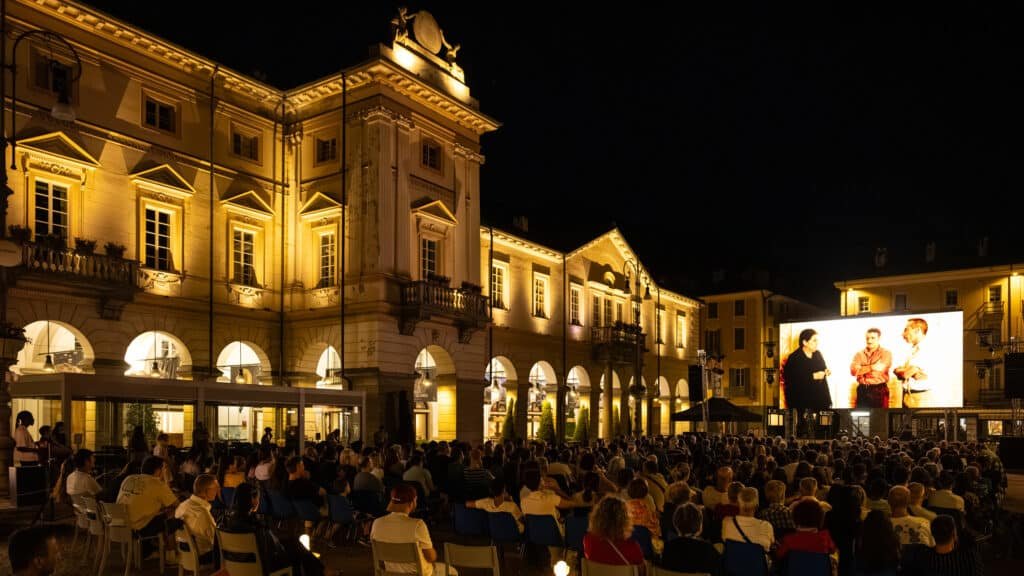
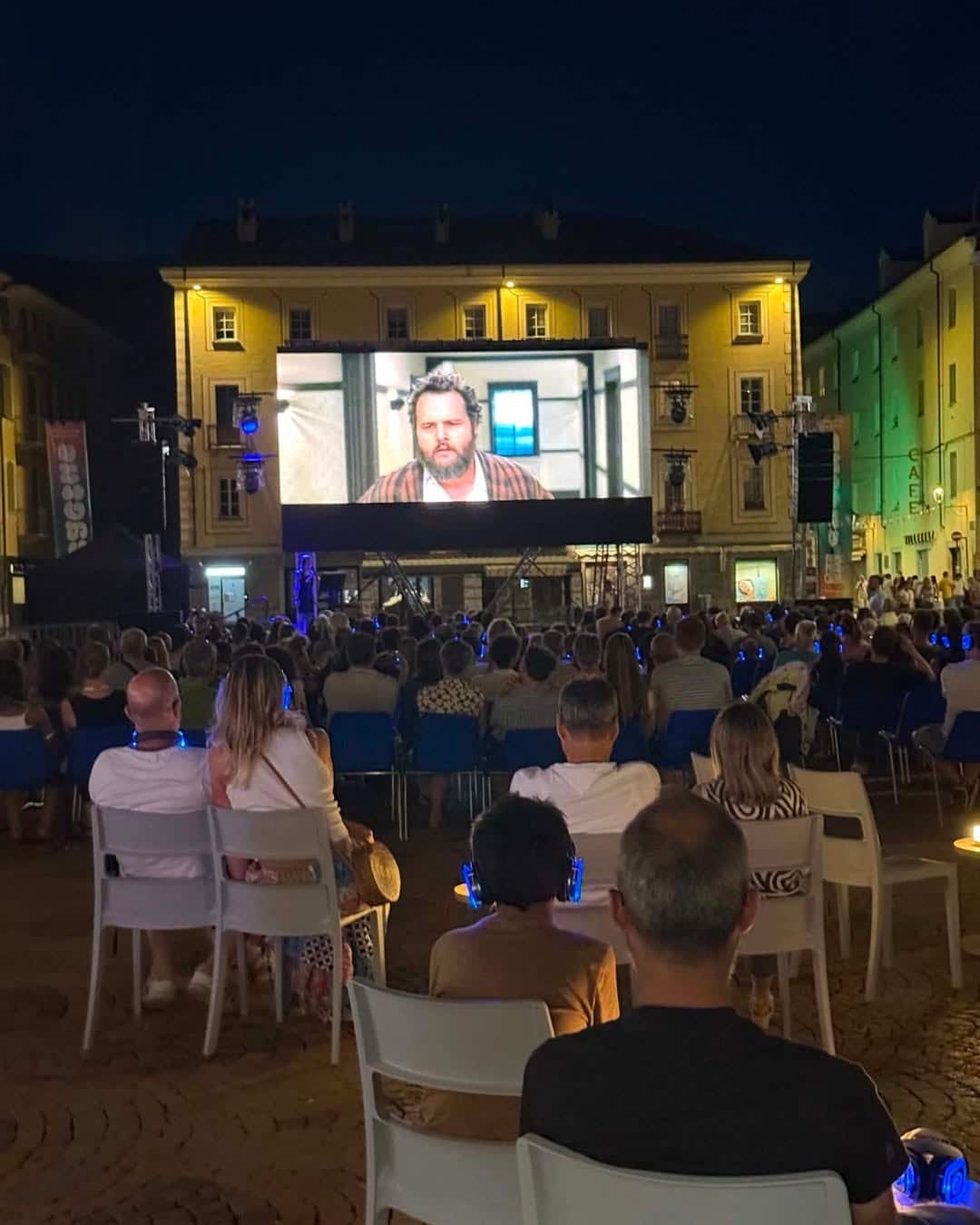
Aosta’s Piazza Émile Chanoux has been the central outdoor location for recent editions, functioning as the main Cactus Village and an open-air cinema space. The latest programme used the square for film screenings, family activities, talks, special events and the festival’s closing celebrations.
Other locations used in recent editions include:
- Teatro Cinema Giacosa, Via Xavier de Maistre 13, Aosta
- Hôtel des États, Piazza Chanoux 8, Aosta
- SpaziØrsoEdu, Collegiata dei Santi Pietro e Orso, Aosta
- Maison J.B. Festaz, Via Monte Grappa 8, Aosta
The 2027 venue plan is not yet fully published, so these should be treated as recent festival locations rather than confirmed 2027 venues.
The festival has also expanded activities beyond central Aosta in previous editions, using locations across the Valle d’Aosta region for screenings, Cactus Village activities and educational events. The 2025 edition, for example, included Morgex, Châtillon, Fénis and other regional locations.
Full programme
The 2027 programme is expected to combine competitive cinema with educational, cultural and family activities. The final titles and daily timetable have not yet been announced.
Recent programme components have included:
- International short-film competition
- International feature-film competition
- Age-based programmes for 3+, 8+, 11+ and 15+
- Cactus Edu school programmes
- Regional and Italian premieres
- Special screenings
- Classic and family films
- Cactus Village activities
- Cinema talks and meetings
- Workshops and creative laboratories
- Music and live performances
- Family activities
- Youth and educational initiatives
- International jury activities
- Award ceremonies
- Cactus Industry Forum events
- Special projects and Extra Cactus exhibitions
The latest edition included 44 free events, ranging from workshops and meetings to concerts and film screenings.
Featured films & premieres
The 2027 film selection has not yet been announced. The latest official catalogue demonstrates the festival’s international range, with animation, fiction and other forms of children’s and youth cinema presented across the different age categories.
Recent films included Arco by Ugo Bienvenu, Honey by Natasha Arthy, The Blue Hour by Liss-Anett Steinskog, The Little One and the Giant by Isabela Costa, The Refusers by Wiep Teeuwisse, The Quiet Shell by Saharnaz Sepandifard and Ziki by Roberta Palmieri and Olga Sargenti.
The festival also gives considerable space to premieres. In 2026, the official programme included 17 premieres among the 80 works presented, while the previous edition recorded 20 premieres, including Italian, international, European and world premieres.
For 2027, visitors should look for the final catalogue and individual film pages to identify world premieres, Italian premieres and other first screenings.
Directors, actors & guests
Cactus regularly brings filmmakers, authors, educators, performers and other cultural guests into its programme. Guest participation is integrated into screenings, Cinema Talks, educational activities, masterclasses, presentations and special events.
Recent editions have featured figures including director Chiara Zoja, author Daniele Nicastro, television presenter and actress Laura Carusino, filmmaker Alessandro Stevanon and other international cinema professionals.
Laura Carusino has also become a recurring figure at the festival’s closing events, presenting recent award ceremonies and participating in activities for young audiences.
The 2027 guest list has not yet been announced, so specific directors, actors and special guests should be confirmed through the official programme as they are revealed.
Screening schedule
The detailed 2027 screening timetable has not yet been published.
Based on recent editions, visitors can expect a mixture of afternoon and evening screenings, with different age recommendations attached to each programme. Short-film blocks are often presented before or alongside feature-film screenings, while special events may include classic films, regional premieres and family cinema.
Recent schedules have also included unusual screening formats, such as early-morning cinema with breakfast, outdoor evening screenings in Piazza Chanoux and screenings connected with workshops or family activities.
Visitors should check the official 2027 programme for exact screening times, age recommendations, film languages, subtitles and reservation requirements.
Ticket types & accreditation
Cactus Film Festival events have been free of charge in recent editions. The official 2026 programme specifically stated that all festival events were free, with reservations required for selected activities and entry otherwise subject to available capacity.
For 2027, the festival has not announced a paid general ticket structure. Based on the latest edition, visitors should expect:
- Free public film screenings
- Free family activities
- Free workshops and cultural events where indicated
- Reservation-based activities where required
- Capacity limits for events without advance reservation
- Separate registration procedures for selected professional activities
No reliable 2027 paid ticket prices have been published, and the recent festival model does not indicate a general admission charge.
Industry & professional access
The Cactus Industry Forum – Networking for Film and Media Professionals is the festival’s professional platform for cinema, audiovisual media and new media. It brings together film professionals, cultural operators, students and young workers for training, discussion and networking.
Recent Industry Forum activities have focused on audiovisual languages, creative processes, professional development, networking, technical practices and the relationship between cinema and new media. The forum has included panels, workshops, masterclasses and networking opportunities.
Participation in recent Industry Forum events was free, although registration was required for selected activities. A networking cocktail connected with the professional programme was reserved for accredited participants.
The 2027 professional programme and accreditation procedure are still to be announced.
Red carpet & special events
Cactus is designed as a family and community festival, so its special events extend beyond conventional red-carpet presentations.
Recent highlights have included opening and closing celebrations, live music, special film screenings, author meetings, family performances, outdoor cinema and award ceremonies. The latest edition concluded with the awards ceremony presented by Laura Carusino, followed by a concert by the cartoon-rock band Cristoni D’Avena.
Other special programming has included classic films such as Back to the Future, The Blues Brothers, Edward Scissorhands, Madagascar and Honey, alongside new international films and children’s cinema.
The 2027 programme may introduce new special events, but the confirmed lineup will be announced by the festival.
Festival rules
Cactus is an international children’s and youth film festival with film programmes divided by age suitability. The latest catalogue uses 3+, 8+, 11+ and 15+ categories, helping families and schools select appropriate films.
The competitive programme includes short films and feature films, while the festival also runs Cactus Edu, its educational project for schools. Cactus Edu uses age-specific short-film sections and encourages students to participate as viewers and jurors.
Recent festival regulations have also covered rights for festival screenings, jury viewing, promotional extracts and educational use. Filmmakers whose works are selected must comply with the applicable festival regulations and provide the required screening materials.
The 2027 submission regulations should be consulted once published because eligibility requirements, deadlines, premiere status and technical specifications can change from one edition to another.
How to get there
Aosta is located in northwestern Italy in the Valle d’Aosta region, close to the Italian Alps and the French and Swiss borders.
For visitors arriving by air, Turin Airport is one of the practical international gateways for reaching Aosta, while Milan-area airports can also be used for longer-distance international connections.
By road, Aosta is connected to Turin and the wider northern Italian road network through the A5 motorway. The city is also connected toward France through the Mont Blanc area.
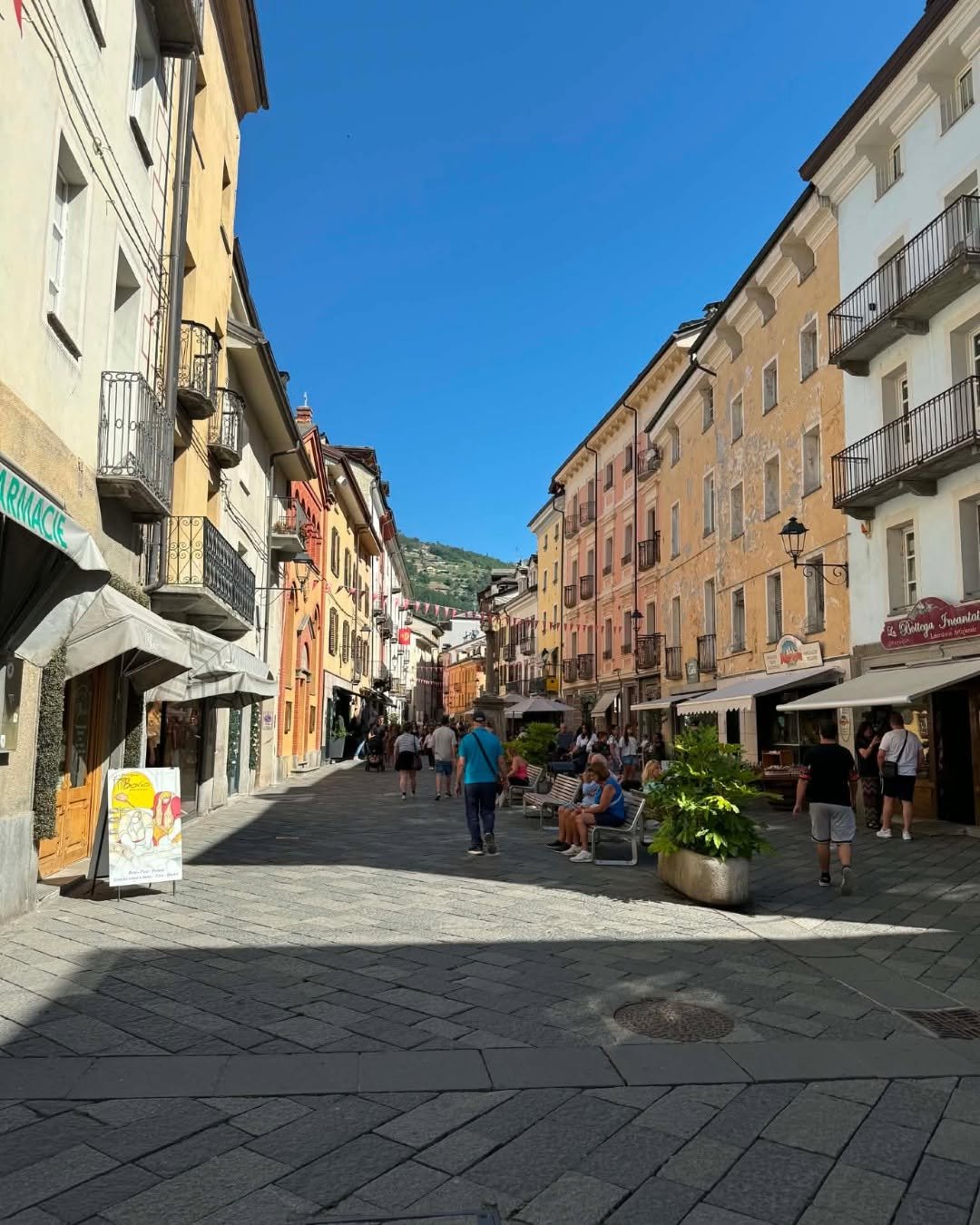
Once in Aosta, many central festival locations are within walking distance of one another, particularly around Piazza Chanoux, the historic centre and Teatro Cinema Giacosa.
Public transport & parking
Aosta railway station provides rail connections with the wider regional transport network and is within walking distance of the historic centre.
Local buses can be useful for reaching locations outside the immediate centre, while regional buses provide connections between Aosta and other towns in Valle d’Aosta.
For drivers, central Aosta has public parking facilities, but visitors attending popular evening screenings should allow additional time for parking and walking to the festival venues.
The festival’s accessibility information also identifies reserved parking spaces for people with disabilities and provides venue-specific accessibility information.
Accommodation areas
Staying in central Aosta is convenient for visitors who want to walk between the main festival locations. The area around Piazza Chanoux, the historic centre and the railway station provides access to restaurants, cafés, shops and public transport.
Other useful areas include:
- Aosta historic centre for walking access to festival venues
- Railway station area for visitors arriving by train
- Saint-Martin-de-Corléans for a quieter residential location with city connections
- Outskirts of Aosta for visitors travelling by car
- Nearby Valle d’Aosta towns for visitors combining the festival with mountain tourism
Accommodation ranges from hotels and guesthouses to apartments and family-oriented properties. During the festival period, advance booking is advisable because August is a busy tourism season in the Aosta Valley.
Food & dining
Aosta’s historic centre offers a wide choice of restaurants, trattorias, cafés, gelaterias and casual dining options within walking distance of the festival area.
The festival has also worked with local restaurants to provide special hospitality for families attending Cactus. The latest official dining programme listed participating establishments including Belle Hélène, Eden Bistrot, Il Boccio, Il Girasole, Les Gourmets, L’Osteria, Moderno and Osteria dell’Oca.
Visitors can combine festival activities with regional Valle d’Aosta cuisine, including local cheeses, cured meats, mountain dishes, pasta, bread and traditional desserts.
Because Cactus is strongly family-oriented, visitors travelling with children can also look for cafés, pizzerias and casual restaurants close to Piazza Chanoux and the central pedestrian streets.
Accessibility
Accessibility is a central part of the Cactus Film Festival’s organisation. The festival states that accessibility is considered an essential part of its cultural and social identity rather than simply an additional service.
Piazza Chanoux, the festival’s main venue, is accessible to people with reduced mobility and wheelchair users. The festival’s venue information also identifies reserved accessible parking spaces.
Accessibility measures also extend to film viewing. Dedicated headphones are available for live Italian dubbing of feature films for younger children and people who need this type of assistance.
The festival’s awards ceremony has included simultaneous Italian Sign Language interpretation. Special screenings have also been organised in locations such as the Beauregard Hospital paediatric department and Maison J.B. Festaz to extend access to audiences who cannot easily attend the central festival locations.
Best screenings to attend
The most suitable screenings depend on the visitor’s age, interests and preferred festival experience rather than one single programme.
For families with young children: Look for the 3+ programme, which is designed for younger audiences and often combines short animation with simple storytelling.
For primary-school children: The 8+ programme offers a broader range of animation, fiction and international short films while retaining family-friendly themes.
For older children and teenagers: The 11+ and 15+ sections provide opportunities to explore more complex stories and themes.
For film enthusiasts: International competition screenings and premiere titles provide a closer look at contemporary children’s and youth cinema from different countries.
For a complete festival experience: Outdoor evening screenings in Piazza Chanoux, the award ceremony and special events offer opportunities to experience the festival beyond individual films.
The final 2027 programme should be checked for confirmed titles, premieres, guest appearances and special screenings before planning individual days.
Previous year’s highlights
The 2026 edition presented 80 works overall, including 55 films in competition from 22 countries and 17 premieres. The programme also featured 44 free events across 14 days and activities in six city locations. More than 11,000 attendances were recorded.
The 2026 competition included films such as The Little One and the Giant, The Refusers, Reading Between the Lines, The Blue Hour and Honey. The ECFA Short Film Award went to The Legend of the Hummingbird by Morgan Devos, while Honey by Natasha Arthy received the Best Feature award from the international jury.
The programme also combined contemporary cinema with well-known classics and special screenings, including Back to the Future, The Blues Brothers, Edward Scissorhands, Madagascar and other titles.
The closing celebration brought together the award ceremony, hosted by Laura Carusino, and a concert by Cristoni D’Avena, creating a final event combining cinema, music and family entertainment.
The previous edition also continued the festival’s professional and educational work through Cactus Edu and the Cactus Industry Forum, reinforcing the event’s focus on young audiences, cinema education and professional networking.
Official tickets & accreditation
All Cactus Film Festival events were free in the latest edition, with certain activities requiring advance reservation and other events admitting visitors until available capacity was reached.
The 2027 ticketing and reservation system has not yet been fully published. Visitors should use the official festival website for the final programme, reservation forms, professional accreditation and any special-event registration.
Festival organisation: Long Neck Doc ETS, Via E. Aubert 51, 11100 Aosta, Italy
Tax code: CF 91069250073
VAT number: PI 01219130075
Festival email: info@cactusfilmfestival.com
https://cactusfilmfestival.com/
Video
Location
FAQ
What are the primary dates for the upcoming festival edition?
The festival runs for ten consecutive days from August 19 through August 28, 2027. All core events, official competitions, and community outreach screenings take place across this period. Attendees can check the master schedule online for specific daily timetables.
Where is the central hub of the festival located in Italy?
The festival's primary physical hub is centered around Piazza Émile Chanoux in Aosta, Italy. Additional satellite events and screenings take place at various historic venues and community centers across the region. Detailed venue maps are available on the official website.
How can independent filmmakers submit their films for consideration?
Filmmakers can submit their feature and short films through the official festival submission portal on our website. All entries must adhere to our completion date guidelines and include required subtitle files. Detailed eligibility criteria and deadlines are posted online annually.
Are there specialized programs designed specifically for younger audiences?
Yes, the festival features dedicated youth programs, school juries, and creative animation labs tailored for children. These events encourage media literacy and offer hands-on artistic workshops led by industry professionals. Family-friendly outdoor screenings are also hosted nightly.
How can attendees obtain assistance or schedule information during the event?
Information kiosks are stationed at Piazza Émile Chanoux and major screening venues throughout Aosta. Friendly festival volunteers are available on-site to provide printed programs, ticketing help, and directions. Visitors can also access real-time updates via our official website and mobile portal.

Leave a Reply