

What to expect in 2027
Terre da Film Festival is an annual cultural and film event held in Canelli, Piedmont, bringing together international short films, cinema, music, theatre, dance, visual arts, workshops and cultural discussions. The festival was established in 2021 and has developed into a multidisciplinary event connecting filmmakers and artists with the local community.
The 2027 edition is scheduled for July 2027 (Dates TBD). The complete programme, film selection, guest list and individual screening timetable have not yet been announced. Once released, the official programme should provide the definitive information about screenings, special events, competition sections and participating artists.
Cinema remains at the centre of Terre da Film Festival, with particular attention given to short films and emerging filmmakers. Previous editions have presented international short-film competitions alongside special screenings and projects connected with Canelli and its surrounding territory.
Enjoy Your Event Stress-Free with Italy Travelo
Whether you're traveling for a world-famous festival, live concert, cultural celebration, or business event, Italy Travelo helps simplify every step of your journey. Our team provides personalized travel assistance, allowing you to focus on creating lasting memories.
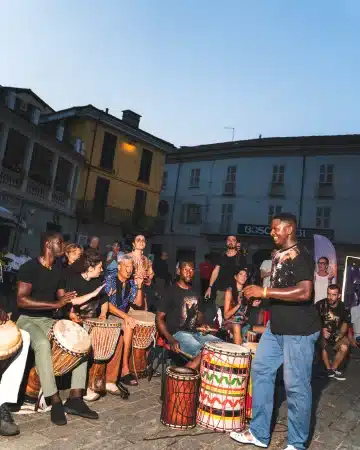
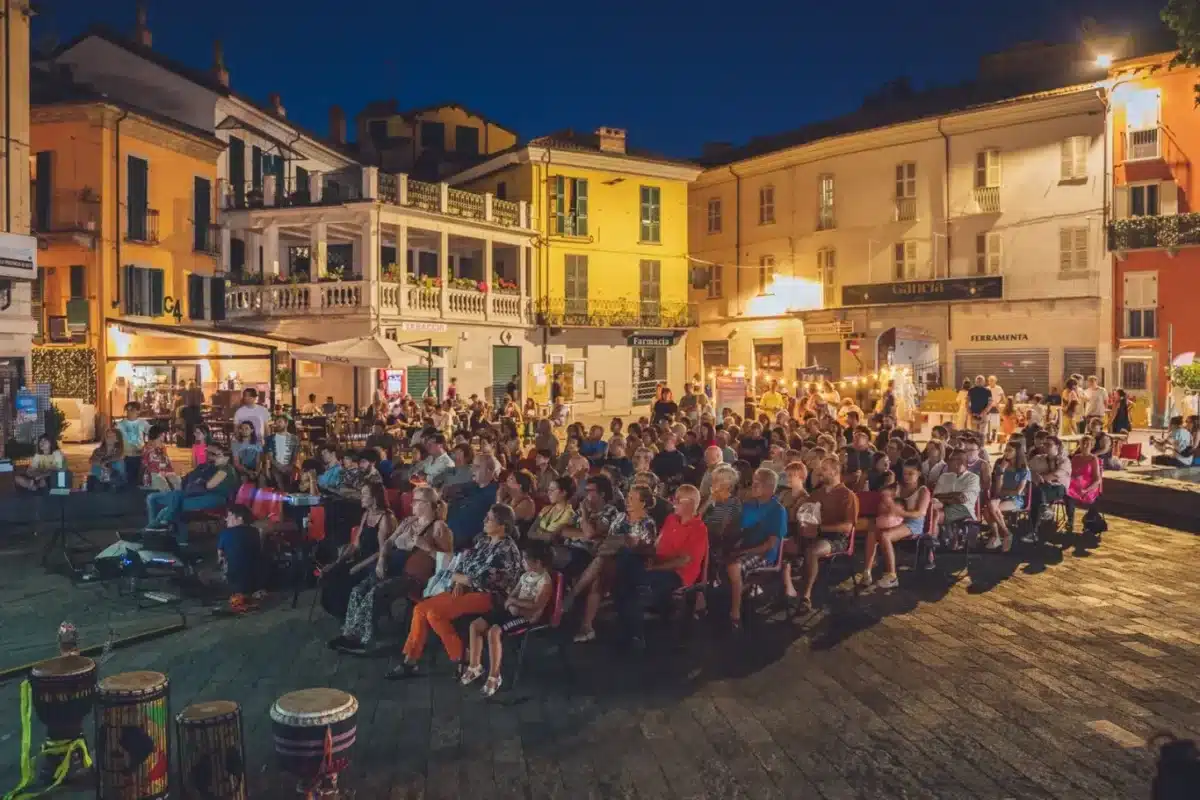
The festival also has a strong community character. Rather than concentrating entirely on conventional cinema venues, its programme has used squares, municipal spaces and other locations in the historic centre. This allows visitors to experience films alongside live performances, exhibitions, workshops and social activities.
The festival’s multidisciplinary approach makes it suitable for visitors interested not only in independent cinema but also in contemporary culture and the arts. Its programme can provide opportunities to discover emerging directors and creative projects while experiencing Canelli’s historic centre and the surrounding Piedmontese landscape.
Festival dates
July 2027 (Dates TBD)
The exact 2027 festival dates have not yet been announced. The event is planned for July, continuing its established summer format.
The festival normally develops as a multi-day cultural programme rather than a single screening event. Different activities may take place throughout the day, followed by film screenings, performances and other evening events.
Visitors planning travel around the festival should confirm the official calendar before making reservations because the precise dates and programme timetable may affect accommodation and transportation arrangements.
Venues & festival locations
Terre da Film Festival is centred in Canelli, a town in the Province of Asti in Piedmont. The historic centre provides an important setting for the festival, with public squares and cultural buildings being used for different parts of the programme.
Previous editions have used Piazza Cavour as one of the principal outdoor locations. Piazza Amedeo d’Aosta and the Sala delle Stelle at Palazzo Comunale have also been associated with festival activities and screenings.
The festival’s use of central public spaces creates a distinctive setting for cinema. Visitors can move between film screenings, cultural activities and performances while exploring the streets and squares of Canelli.
Important locations associated with previous editions include:
- Piazza Cavour, Canelli
- Piazza Amedeo d’Aosta, Canelli
- Sala delle Stelle, Palazzo Comunale
- Via Roma and the surrounding historic centre
The precise venue allocation for 2027 should be confirmed through the official festival programme because individual events may take place at different locations.
Full programme
The complete 2027 programme has not yet been published. Based on the festival’s previous editions, visitors can expect a mixture of cinema and multidisciplinary cultural activities.
The short-film programme is a central element, with international works presented through competition and special screening sessions. The wider programme can include live performances, music, theatre, dance, visual arts, workshops and discussions.
Possible programme elements include:
- International short-film competition
- Special film screenings
- Outdoor cinema
- Filmmaker presentations
- Cultural discussions
- Music performances
- Theatre
- Dance
- Art installations
- Creative workshops
- Family activities
- Community events
- Festival awards and closing activities
The festival has previously developed programmes around particular themes, using cinema as a starting point for broader conversations about society, culture, creativity and the local territory.
This multidisciplinary structure means that visitors may encounter different forms of art during the same festival visit. A film screening can be accompanied by a discussion, performance or other cultural activity, depending on the programme.
Featured films & premieres
The 2027 film selection has not yet been announced. Terre da Film Festival has traditionally placed significant emphasis on short films from international filmmakers and emerging creative talent.
Previous competition programmes have included films from different countries and have explored a central theme selected for the individual edition. The festival has also provided space for experimental audiovisual formats and projects that might not normally receive exposure through mainstream cinema programmes.
A previous edition featured the international short-film competition “Brucia Ancora”, which explored the theme of anger and social change. The competition received hundreds of submissions before the final selection was presented to festival audiences.
The festival has also organised special screenings outside the main competition. One notable example was a presentation of Grape Maestro, directed by Alla Kovgan, a film connected to Canelli’s wine-growing landscape and featuring the Coro ANA Vallebelbo.
For 2027, visitors should look for the official announcement of selected films, competition categories, special screenings, premiere information and filmmaker appearances.
Directors, actors & guests
The 2027 guest programme has not yet been announced. Previous editions have brought together filmmakers, writers, artists, performers and cultural contributors connected with the festival’s film and multidisciplinary programme.
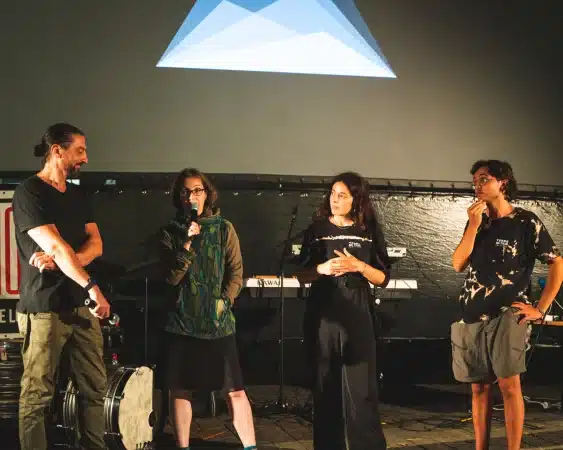
The festival provides a platform for emerging filmmakers as well as creative professionals associated with individual screenings and special events. Guest appearances can include introductions, conversations and discussions surrounding selected films.
Previous programming has also included writers and cultural figures participating in discussions about the themes presented during the festival.
The appearance of filmmakers and other guests can provide audiences with additional context about the creative process behind selected works. Visitors interested in meeting participants should monitor the official programme for announcements about guest talks, filmmaker introductions and post-screening discussions.
Screening schedule
The complete 2027 screening schedule is not currently available.
Previous editions have combined daytime cultural activities with film screenings and performances later in the day. Short-film competition sessions have formed an important part of the evening programme, while special screenings may take place in municipal or cultural venues.
The final schedule may include:
- International short-film sessions
- Competition screenings
- Special feature presentations
- Outdoor cinema
- Filmmaker introductions
- Post-screening conversations
- Themed screening sessions
- Closing and awards presentations
Because different films and events may be held at different venues, visitors should check the final programme carefully before planning their itinerary.
Ticket types & accreditation
Terre da Film Festival has historically been organised as a free-entry cultural event. Public screenings and many associated activities have been available to audiences without conventional cinema ticket charges.
For 2027, the organisers have not yet published complete ticket and accreditation information. Any changes to admission arrangements should be confirmed through the official festival website.
The festival’s community-oriented model means that it differs from major commercial film festivals that commonly rely on daily passes, screening tickets and extensive paid accreditation systems.
Filmmakers, invited guests, media representatives and professional participants may have separate accreditation procedures. These requirements can vary between editions and should be checked once the 2027 regulations are available.
Industry & professional access
Terre da Film Festival is primarily a cultural festival rather than a large-scale film market or industry convention.
Its professional relevance comes from its support for short-film creators, independent filmmakers, emerging artists and cultural organisations. Competition screenings provide an opportunity for filmmakers to present their work to audiences in an international setting.
Filmmakers and creative professionals can also use the festival environment to meet other participants and engage with cultural discussions surrounding the selected works.
Previous competition regulations have included international and youth categories, giving emerging creators different opportunities to participate.
Professionals interested in attending should monitor the official website for information concerning filmmaker accreditation, press access, competition participation and any professional meetings organised as part of the 2027 edition.
Red carpet & special events
Terre da Film Festival is not primarily structured around a traditional celebrity red-carpet format. Its identity is more closely connected with independent cinema, public cultural events and multidisciplinary artistic programming.
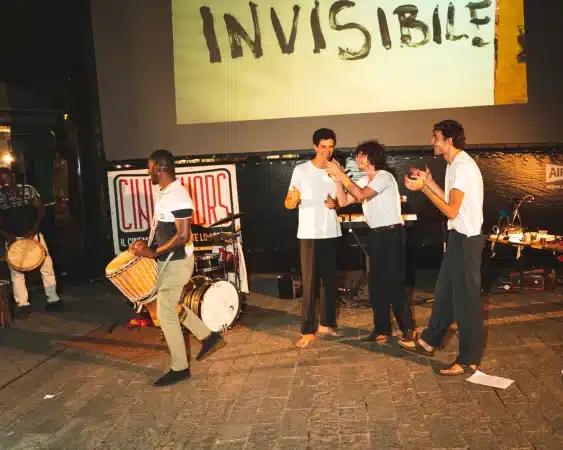
Special events nevertheless form an important part of the festival. Previous editions have included opening and closing activities, live music, theatre, dance, discussions, outdoor screenings and special film presentations.
The festival may also organise awards associated with its short-film competition. Previous competition formats have included jury recognition and an audience award.
Special screenings can be particularly relevant for visitors interested in films connected with Canelli and the Piedmont region. Previous programming has included projects linked to local landscapes, culture and creative communities.
The 2027 programme should be checked for confirmed opening events, special screenings, filmmaker appearances and awards activities.
Festival rules
Festival rules and competition regulations can change from one edition to another. Filmmakers should therefore rely on the official 2027 regulations rather than previous submission requirements.
Previous regulations have established international short-film competitions open to filmmakers from different countries, together with specific opportunities for younger creators.
The festival has also experimented with different audiovisual formats. Previous regulations included a vertical-film category designed around smartphone-oriented viewing.
Selected films may be evaluated by a festival jury, while audience participation can also form part of the award structure. Competition requirements can cover film duration, production period, format, language, subtitles and submission procedures.
Filmmakers planning to submit a work should review the current call for entries carefully for eligibility requirements, submission deadlines, technical specifications, premiere conditions and rights information.
How to get there
Canelli is located in Piedmont in northwestern Italy, within the wider Langhe-Roero and Monferrato area. The town is surrounded by vineyards and is well positioned for visitors combining the festival with a wider Piedmont itinerary.
Visitors arriving by air can consider Turin as one of the main airport options for reaching the region. Milan and Genoa can also provide alternative international arrival points, depending on flight schedules.
Canelli can be reached by road from Asti and other towns across Piedmont. Travelling by car can be particularly useful for visitors who want to explore the surrounding wine country and nearby villages.
Once in Canelli, many festival activities are concentrated around the historic centre, making walking practical for moving between several programme locations.
Public transport & parking
Visitors using public transport can travel through the regional transport network toward Canelli and nearby towns. Connections should be checked in advance because services to smaller Piedmontese communities can be less frequent than services to larger cities.
A practical option for international visitors may be to travel first toward a larger regional transport hub and continue to Canelli by train, bus or local connection.
Visitors arriving by car should check local parking signs and municipal information because festival activities can affect traffic arrangements around central streets and public squares.
Parking availability can become more limited during busy festival periods, particularly close to evening events. Staying within or near the centre can reduce the need for a car during the festival itself.
Accommodation areas
Canelli provides several accommodation options suitable for visitors attending the festival. Staying close to the historic centre can make it easier to reach screenings and evening activities on foot.
Visitors looking for a more rural experience can also consider agriturismi, country properties and wine-focused accommodation in the surrounding countryside.
Useful areas to consider include:
- Canelli historic centre
- Canelli countryside
- Nizza Monferrato
- Asti and surrounding areas
- Acqui Terme
- Langhe countryside
- Monferrato wine region
Visitors combining Terre da Film Festival with a wider Piedmont trip may prefer to stay outside Canelli and travel into the town for selected programme events.
For those attending several evening screenings, however, accommodation close to the festival centre can provide greater convenience and reduce dependence on late transport.
Food & dining
Canelli is located within one of Piedmont’s important wine-producing landscapes, making local food and wine an important part of the wider visitor experience.
The town and surrounding area offer restaurants, cafés, wine bars and traditional establishments where visitors can experience Piedmontese cuisine.
Festival visitors can combine film activities with meals in the historic centre, particularly when evening screenings and cultural events are taking place nearby.
The surrounding countryside also provides opportunities to visit vineyards, wineries and rural restaurants. Local specialities and Piedmontese culinary traditions make the area suitable for visitors who want to combine cinema with regional food experiences.
The festival itself has previously explored connections between food, culture and cinema through themed programming, demonstrating how culinary culture can become part of its wider artistic programme.
Accessibility
The festival’s community-focused structure makes it suitable for a broad audience, including families and younger visitors. Previous programmes have included workshops and activities intended for children as well as adults.
Accessibility can vary between venues because the festival uses a combination of historic streets, public squares and indoor cultural spaces.
Visitors with mobility requirements should check individual venue arrangements before attending. Historic areas may contain uneven paving or other architectural features that can affect movement.
Information about accessible entrances, seating, toilets and assistance should be requested from the festival organisers when the 2027 programme and venue plan are confirmed.
Visitors should also consider the distance between individual festival locations when planning a full day of activities, particularly if several venues are included in their itinerary.
Best screenings to attend
The 2027 film selection is not yet available, so specific film titles cannot currently be identified.
The international short-film competition should be a central consideration for visitors who want to experience the festival’s core cinema programme. Competition sessions provide an opportunity to discover multiple filmmakers and different styles of short-form storytelling in one programme.
Special screenings are another important part of the festival. Previous editions have included films connected with the festival’s themes, as well as works with a particular relationship to Canelli or its surrounding territory.
Visitors interested in meeting filmmakers should look for screenings accompanied by introductions or discussions. These sessions can provide additional insight into the production and creative choices behind the films.
The closing programme can also be significant because it may include competition results, awards and final festival activities.
Previous year’s highlights
Previous editions have demonstrated the festival’s combination of international cinema and local cultural programming. The most recently documented programme included the international short-film competition “Brucia Ancora”, with selected works addressing the edition’s central theme.
The programme also included a screening of La Haine by Mathieu Kassovitz, accompanied by music and short-film presentations. Other events combined cinema with cultural discussion and theatre performances.
Another significant programme event was the presentation of Grape Maestro, directed by Alla Kovgan. The film had a strong connection with Canelli’s wine landscape, and the event included a contribution from the Coro ANA Vallebelbo, which appears in the film.
Earlier editions have also explored themes such as food through international short-film programming. The festival has consistently combined film with other artistic disciplines, including music, theatre, dance, visual arts and workshops.
These previous programmes indicate that Terre da Film Festival is designed not simply as a series of film screenings but as a broader cultural gathering where cinema interacts with the town, local community and wider artistic scene.
Official tickets & accreditation
The official Terre da Film Festival website is the primary source for 2027 information, including the final programme, film selection, competition regulations, admission arrangements and accreditation procedures.
Home
The festival has historically offered free public access to its cultural programme, although visitors should confirm the exact 2027 arrangements once the organisers publish the official information.
Contact information
- Email: info@terredafilmfestival.org
- Phone: +39 320 4219792
- Location: Canelli, Piedmont, Italy
Video
Location
FAQ
What is the primary location of the event?
The main events and open-air screenings take place in the historic Piazza Cavour located in Canelli, Italy. Attendees can easily navigate between the central square and nearby historic venues on foot.
How can filmmakers submit their movies for consideration?
Submissions are accepted digitally through official festival platform partners during designated application windows. Interested applicants should review category guidelines and technical specifications prior to uploading their files.
Are there networking opportunities for industry professionals?
Industry guests can participate in specialized co-production forums, panel discussions, and evening mixers. These gatherings facilitate direct communication between directors, producers, and potential creative collaborators.
What kind of films are featured in the lineup?
The festival programs a diverse mix of international feature-length films, short narrative projects, and compelling documentaries. Special thematic tracks are also dedicated to experimental cinema and student works.
How are the winning films selected?
Winners are chosen through a comprehensive evaluation process combining expert artistic judgment from international jury panels and public votes. Awards are presented across multiple distinct competitive categories during the closing ceremony.

Leave a Reply