
-
December 5, 2026
Event date:
-
December 13, 2026
Event end:
What to expect in 2026
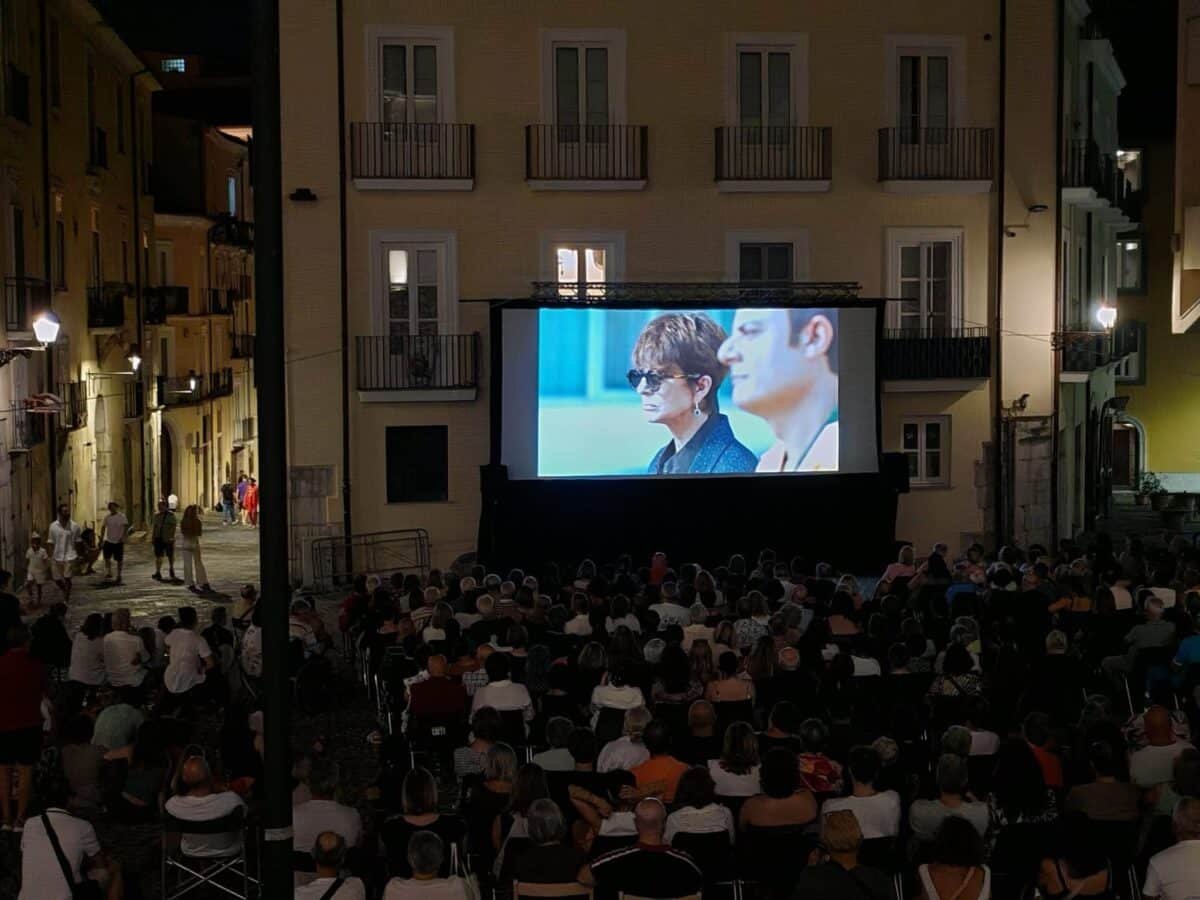
Laceno d’Oro International Film Festival 2026 will celebrate the 51st edition of one of Italy’s historic festivals dedicated to documentary, experimental and contemporary cinema. The festival was founded in 1959 in Irpinia by Pier Paolo Pasolini and Camillo Marino and continues to focus on “cinema del reale” and independent film.
The 2026 edition will feature three principal competition sections: feature and medium-length films, the short-film competition “Gli occhi sulla città,” and Spazio Campania, dedicated to works by Campanian authors or productions connected with Campania. There will also be out-of-competition screenings and additional cultural activities.
The festival will be presented both in cinemas in Avellino and online through on-demand streaming, allowing audiences to follow selected programming beyond the physical venues. All festival screenings are officially listed as free admission.
Enjoy Your Event Stress-Free with Italy Travelo
Whether you're traveling for a world-famous festival, live concert, cultural celebration, or business event, Italy Travelo helps simplify every step of your journey. Our team provides personalized travel assistance, allowing you to focus on creating lasting memories.
Festival dates
Laceno d’Oro International Film Festival 2026 will take place from December 5 to 13, 2026, in Avellino, Italy. The 2026 edition is the festival’s 51st edition.
The festival programme will be distributed across the nine-day event, with screenings, competition films, special programmes and cultural activities scheduled throughout the festival period.
The exact timetable for individual films and events should be checked through the official daily programme as the festival approaches.
Visiting this event? Don’t miss out on these amazing activities and local experiences while you’re here.
Venues & festival locations
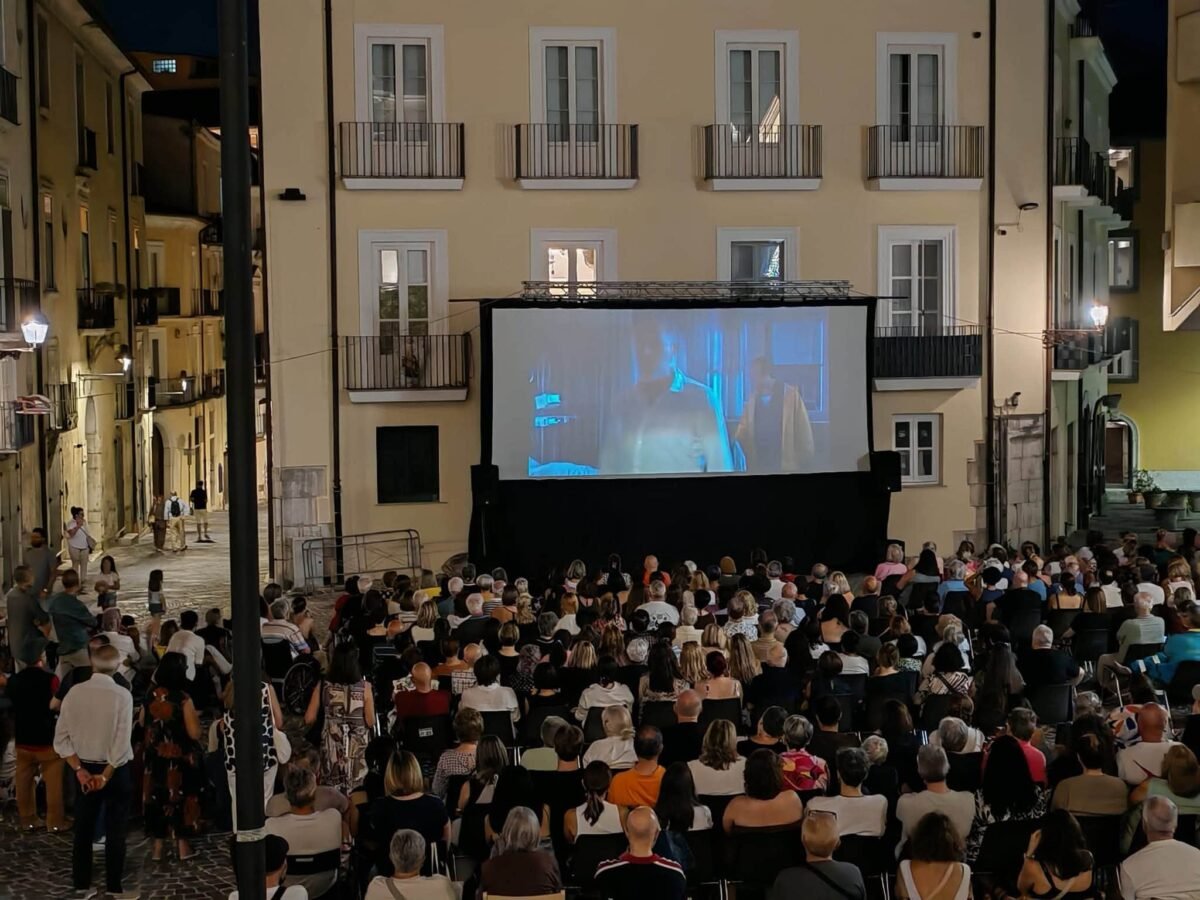
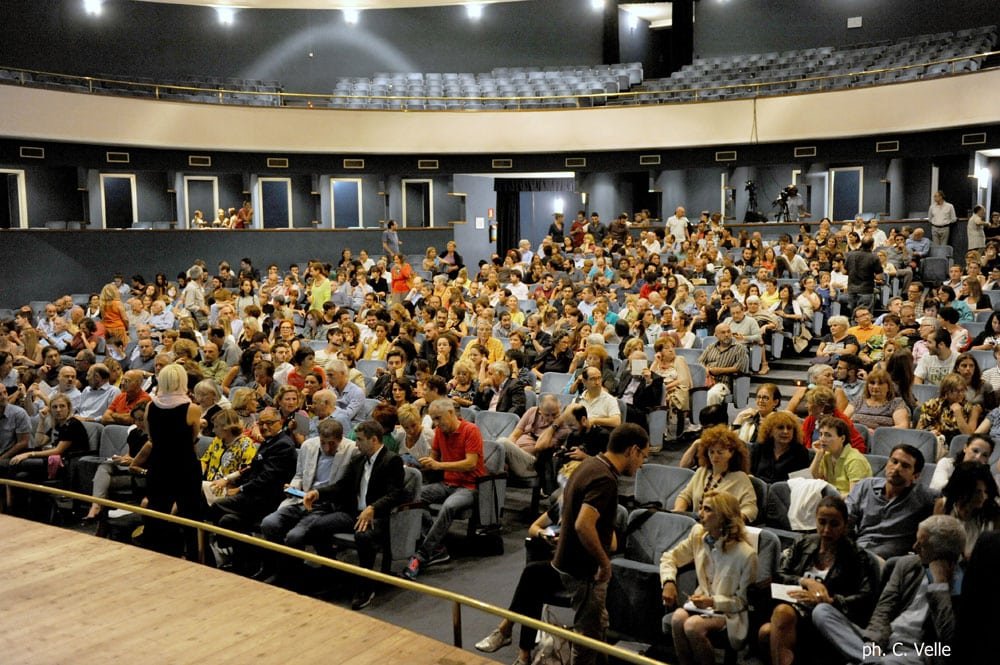
The principal 2026 cinema venues are Cinema Eliseo and Multisala Partenio in Avellino. The festival’s official information confirms that both venues will host live screenings.
Multisala Partenio is used for competition screenings, short films and other festival programmes, while Cinema Eliseo hosts feature films, special screenings, masterclasses and selected events.
The festival may also use other local cultural spaces for collateral activities, exhibitions, discussions and special projects. The final location for each event should be checked in the official daily schedule.
Full programme
The 2026 programme is built around several strands designed to present international cinema, new filmmaking approaches and films connected with Campania.
Laceno d’Oro 51 competition
The main competition is open to medium-length and feature films, including fiction and documentary works, with a running time of more than 30 minutes.
Gli occhi sulla città
The short-film competition focuses on films with a maximum running time of 30 minutes, including credits. It provides a dedicated platform for short-form filmmaking and emerging cinematic voices.
Spazio Campania
This section focuses on works made by Campanian authors or produced in Campania. It connects the international festival programme with filmmaking, stories and creative production from the region.
Out of competition
The festival also presents feature-length works outside the main competition, providing opportunities to discover additional contemporary films and new visions.
Special and collateral events
Additional activities can include retrospectives, masterclasses, awards, filmmaker meetings and other cultural programmes connected with cinema.
Featured films & premieres
The 2026 official film selection is still being assembled, so the complete list of selected films and premieres has not yet been published.
The festival’s competition structure indicates that audiences can expect feature films, medium-length works, documentaries, short films and Campania-related productions. The main competition is designed around international contemporary cinema and new artistic approaches.
The previous edition demonstrated the festival’s emphasis on premieres. The 2025 Laceno d’Oro 50 feature-film competition consisted of ten films, with nine presented as Italian premieres.
The 2026 selection is expected to be announced through the official festival website as programming is confirmed.
Directors, actors & guests
The 2026 guest list has not yet been fully announced.
Laceno d’Oro traditionally welcomes directors, actors, producers, critics, artists and other cinema professionals connected with the selected films and special programmes. Guest participation can include post-screening conversations, masterclasses and public meetings.
The 2025 anniversary edition featured major international filmmakers. Víctor Erice and Leos Carax received the Laceno d’Oro Lifetime Achievement Award, while Andrei Ujică received the Pier Paolo Pasolini Honorary Award.
Any confirmed 2026 guests and masterclasses should be checked through the official festival announcements.
Public transport & parking
Avellino is connected with Naples and other parts of Campania by regional bus services, making public transport a practical option for visitors travelling to the festival.
The two principal cinema venues are located within the urban area of Avellino. Visitors should check current local bus routes and schedules before travelling because services can change.
For visitors arriving by car, parking availability depends on the individual venue and surrounding city streets. It is advisable to allow extra time for parking, particularly before popular evening screenings and major festival events.
Accommodation areas
Visitors can stay in central Avellino for convenient access to the festival cinemas, restaurants and city services.
Avellino city centre: The most convenient option for visitors who want to walk between accommodation, dining areas and central festival venues.
Around Cinema Eliseo: Staying close to the cinema can reduce travel time for visitors attending frequent screenings and evening events.
Around Multisala Partenio: This area can be useful for visitors whose programme is concentrated around Partenio screenings.
Atripalda: The neighbouring town provides another accommodation option close to Avellino and is suitable for visitors with access to a car or local transport.
Visitors planning to attend several days of the festival may benefit from staying centrally rather than travelling into Avellino for individual screenings.
Food & dining
Avellino and the surrounding Irpinia area are known for Campanian and Irpinian cuisine, making the festival an opportunity to combine cinema with regional food experiences.
Restaurants and cafés around central Avellino provide options for lunch, dinner and pre-screening meals. Visitors can also look for traditional dishes and products associated with the Irpinian countryside.
The festival’s Spazio Campania section provides a strong cultural connection to the region, while collateral events can expand the festival experience beyond conventional cinema screenings.
For evening screenings, visitors should allow enough time for dining because popular restaurants in the centre can become busy.
Accessibility
Accessibility can vary between Cinema Eliseo, Multisala Partenio and any additional festival locations.
Visitors requiring wheelchair access, accessible seating, assistance or other specific arrangements should contact the festival before attending to confirm the facilities available at their chosen venue.
The festival provides its programme across physical cinemas as well as online streaming, which may provide an alternative for viewers who cannot easily attend particular screenings in person.
For accessibility assistance and venue-specific information, visitors can contact the festival at segreteria@lacenodoro.it.
Best screenings to attend
Because the complete 2026 selection is not yet available, individual films cannot yet be recommended as confirmed 2026 highlights.
Main feature competition
The Laceno d’Oro 51 competition is the central choice for visitors interested in international contemporary cinema, documentary filmmaking and new cinematic approaches.
Gli occhi sulla città
The short-film competition is useful for visitors interested in emerging filmmakers and concise experimental storytelling.
Spazio Campania
This section is particularly relevant for visitors who want to discover filmmaking connected with Campania and the wider Irpinian cultural context.
Masterclasses
Masterclasses provide an opportunity to hear directly from filmmakers and cinema professionals and are among the most valuable choices for students and serious film enthusiasts.
Special screenings
Out-of-competition films and retrospectives can broaden the programme beyond the competition and introduce important filmmakers, older works and alternative cinematic perspectives.
Awards ceremony
The awards ceremony provides an opportunity to see the results of the competition and experience one of the festival’s concluding moments.
Previous year’s highlights
The 2025 edition marked the 50th anniversary edition of Laceno d’Oro and featured an international feature-film competition consisting of ten films, nine of which were Italian premieres.
The main Laceno d’Oro award went to Eighty Plus by Želimir Žilnik. The audience award went to Je suis la nuit en plein midi by Gaspard Hirschi.
The 2025 edition also included the short-film competition “Gli occhi sulla città,” the Spazio Campania competition and additional programmes including Irpinia Focus, It’s Alive Film and special retrospectives.
Víctor Erice and Leos Carax received Lifetime Achievement Awards, while Andrei Ujică received the Pier Paolo Pasolini Honorary Award. The programme also included retrospectives devoted to major filmmakers, masterclasses and special events.
Screening schedule
The detailed 2026 daily screening schedule will be published by the festival as the programme is finalised.
The schedule is expected to identify each film, screening venue and start time, with separate listings for the competition sections, special programmes and collateral events.
The 2025 schedule illustrates the festival’s multi-venue format, with screenings at Cinema Eliseo and different rooms at Multisala Partenio, often beginning in the afternoon and continuing into the evening.
Visitors should check the official daily programme before attending because individual screening times and venues may vary.
Ticket types & accreditation
Admission to all 2026 festival shows is free. The official festival website specifically confirms free admission for the live programme at Cinema Eliseo and Multisala Partenio.
Because the festival is free, visitors do not need to budget for standard cinema admission. However, individual events may have specific access procedures or capacity restrictions.
The 2026 edition will also offer selected programming through on-demand streaming on Mymovies.it, providing an online alternative to the physical screenings.
Industry & professional access
Laceno d’Oro is particularly relevant to filmmakers, critics, researchers, film students, programmers and other cinema professionals interested in independent and documentary filmmaking.
The festival’s competition structure creates opportunities to discover emerging directors and international works, while masterclasses and filmmaker meetings provide opportunities for professional discussion.
The festival also has a strong regional dimension through Spazio Campania, connecting local filmmakers and productions with the broader international programme.
Professional visitors should monitor the official festival announcements for any accreditation or dedicated industry-access procedures for 2026.
Red carpet & special events
Laceno d’Oro combines film screenings with special events, retrospectives, masterclasses and award presentations.
Previous editions have featured Lifetime Achievement Awards and major filmmaker retrospectives. In 2025, Leos Carax’s programme included screenings of Mauvais Sang, Annette, Boy Meets Girl, Holy Motors, C’est pas moi and Les Amants du Pont-Neuf.
The 2026 special-event programme has not yet been fully announced, but visitors can expect the festival to continue its combination of competition cinema, filmmaker encounters and cultural events.
Festival rules
Festival attendance is governed by the rules established by the organisers and the individual cinema venues.
Visitors should arrive before the scheduled start of screenings, follow staff instructions and respect cinema policies concerning mobile phones, photography and recording.
Competition entries are subject to separate submission regulations. For the 2026 competition, the festival has defined feature and medium-length films, short films and Spazio Campania as its principal categories.
Because screenings are free, visitors should also check the latest festival instructions regarding admission, available seats and any special access arrangements.
How to get there
Avellino is located in Campania, approximately inland from Naples and within the Irpinia region.
Visitors travelling internationally can generally reach the area through Naples International Airport and continue to Avellino by road or public transport.
Visitors travelling by train can use rail connections to the wider Campania transport network and continue by regional bus or other local connections toward Avellino.
Once in the city, the principal festival cinemas are accessible through Avellino’s local transport network and urban streets.
Official tickets & accreditation
There are no standard ticket charges for the 2026 festival because the organisers have confirmed that admission to all shows is free.
The festival will be presented live at Cinema Eliseo and Multisala Partenio in Avellino, with selected programming also available through on-demand streaming.
For programme updates, screening information, professional-access details and any special admission instructions, visitors should consult the official Laceno d’Oro website or contact the organisers at segreteria@lacenodoro.it.
Video
Location
FAQ
What is the primary focus of the film festival?
The festival focuses on neorealist cinema, the cinema of the real, and international independent films that highlight social issues and human rights. It provides a vital global platform for boundary-pushing artistic expressions that challenge traditional narrative structures.
Are films from all countries and languages accepted?
Submissions are open to international films reflecting any experimental tradition, documentary style, or fictional perspective from around the world. Programmers prioritize works that foster respectful cross-cultural dialogue and feature mandatory English or Italian subtitles.
How can independent filmmakers submit their creative projects?
Filmmakers can submit their feature-length films, documentaries, or shorts digitally through approved online platforms like FilmFreeway or the official festival web portal. Submissions must comply with specific production year regulations and include appropriate screening file formats for jury review.
Where are the main festival events and screenings hosted?
Primary indoor screenings and academic masterclasses take place at historic cultural hubs like Movieplex and Teatro Carlo Gesualdo in Avellino. Additional itinerant screenings and community events are hosted across partner cultural spaces throughout the Irpinia region.
Do student filmmakers receive any special registration benefits?
Student creators benefit from dedicated submission support, student juries, and reduced festival access tiers, allowing them to engage with masterclasses without financial hardship. Special institutional partnerships also offer students direct opportunities to participate in event production and media activities.

Leave a Reply