

What to expect in 2027
Mediterraneo Video Festival 2027 is expected to continue the festival’s long-running focus on documentary cinema and the cultural landscapes of the Mediterranean. The festival combines international documentary competition screenings with conversations, masterclasses, artistic performances, cultural heritage activities and events connected with the communities of Cilento.
The festival is organised as an itinerant cultural event, bringing cinema and audiovisual storytelling into different communities and landscapes rather than concentrating every activity in a single conventional cinema venue. Recent editions have used locations across Cilento, including Ascea, Capaccio Paestum, Caselle in Pittari, Morigerati, Monte San Giacomo and Padula.
The 2027 edition is planned for September 2027, with the exact festival dates still to be announced. The programme is expected to continue exploring themes such as Mediterranean identity, cultural heritage, rural communities, environmental sustainability, landscape, migration, food traditions and relationships between people and territory.
Enjoy Your Event Stress-Free with Italy Travelo
Whether you're traveling for a world-famous festival, live concert, cultural celebration, or business event, Italy Travelo helps simplify every step of your journey. Our team provides personalized travel assistance, allowing you to focus on creating lasting memories.
Festival dates
Mediterraneo Video Festival 2027 is planned for September 2027 in the Cilento area of Campania, Italy. The exact dates have not yet been announced.
The festival normally combines several consecutive days of film screenings and cultural activities, with different communities and venues participating in the programme.
Visitors should check the official festival announcements for the confirmed schedule before making travel arrangements.
Visiting this event? Don’t miss out on these amazing activities and local experiences while you’re here.
Venues & festival locations
Mediterraneo Video Festival is an itinerant festival, with the organisers using different towns, cultural sites and outdoor locations across the Cilento area. Its official location information describes the festival as a travelling event designed to bring cinema to local communities and encourage tourism in inland areas.
Potential and recently used locations include:
- Ascea – Palazzo De Dominicis Ricci and other locations around Ascea and Ascea Marina
- Capaccio Paestum – historic centre and Paestum-area cultural and environmental sites
- Caselle in Pittari – historic centre and local cultural spaces
- Morigerati – Centro Sociale, historic centre and the area around the WWF Grotte del Bussento
- Monte San Giacomo – Palazzo Marone
- Padula – Certosa di San Lorenzo and other cultural spaces
The official 2026 festival information identifies Palazzo De Dominicis–Ricci in Ascea as the festival’s official headquarters/location, while the wider programme uses several Cilento communities.
Full programme
The 2027 programme has not yet been published in full, but the festival’s established format includes several interconnected areas.
International documentary competition presents Italian and international documentary films focusing on people, landscapes, communities, cultural traditions and Mediterranean identities.
Short-film competition provides space for shorter documentary works and audiovisual stories exploring the festival’s central themes.
Out-of-competition screenings allow the organisers to present additional documentaries and films that complement the main competitive programme.
Masterclasses and talks connect cinema with cultural heritage, literature, journalism, environmental issues, food traditions, art and territory.
Cultural excursions can take audiences into archaeological, rural and natural landscapes, creating a direct connection between the films and the places they explore.
Music and artistic performances form another recurring element, with musicians and artists contributing to special events and audiovisual projects.
The 2026 programme, for example, included documentary competitions, special screenings, masterclasses, cultural excursions, food-related activities, music performances, exhibitions and discussions about artificial intelligence and the relationship between reality and media.
Featured films & premieres
The 2027 film selection has not yet been announced. The festival’s competition is specifically dedicated to documentary cinema, with Italian and international documentaries eligible regardless of running time, while fiction films are excluded from the main documentary competition.
Selected documentaries are presented as part of the international competition, while additional films can appear in out-of-competition programmes and special cultural sections.
Recent programming has included works dealing with rural communities, migration, cultural memory, environmental subjects, artistic identity and Mediterranean landscapes. The programme has also included films presented with their directors or other contributors in attendance.
Any 2027 premieres, selected competition titles and opening or closing films should be confirmed after the official programme is released.
Directors, actors & guests
The festival regularly welcomes documentary filmmakers, writers, journalists, artists, researchers, cultural figures and specialists connected with the subjects explored by the films.
Recent editions have included meetings with directors and cultural figures such as Gianfranco Pannone, Antonietta De Lillo, Francesco Napoli, Nico Piro and other contributors from the worlds of cinema, journalism, literature and environmental culture.
The 2027 guest list has not yet been announced. Guest appearances may include directors presenting their films, speakers participating in masterclasses, researchers involved in cultural discussions and artists taking part in performances.
Screening schedule
The detailed 2027 screening schedule will be announced by the festival once the programme is finalised.
Based on the festival’s established format, visitors can expect screenings to be integrated into a wider daily programme rather than simply following a conventional cinema timetable.
A typical programme can include:
- International documentary competition screenings
- Short-film competition sessions
- Out-of-competition documentaries
- Director presentations
- Film discussions
- Masterclasses
- Cultural excursions
- Environmental and landscape activities
- Music performances
- Special awards and closing events
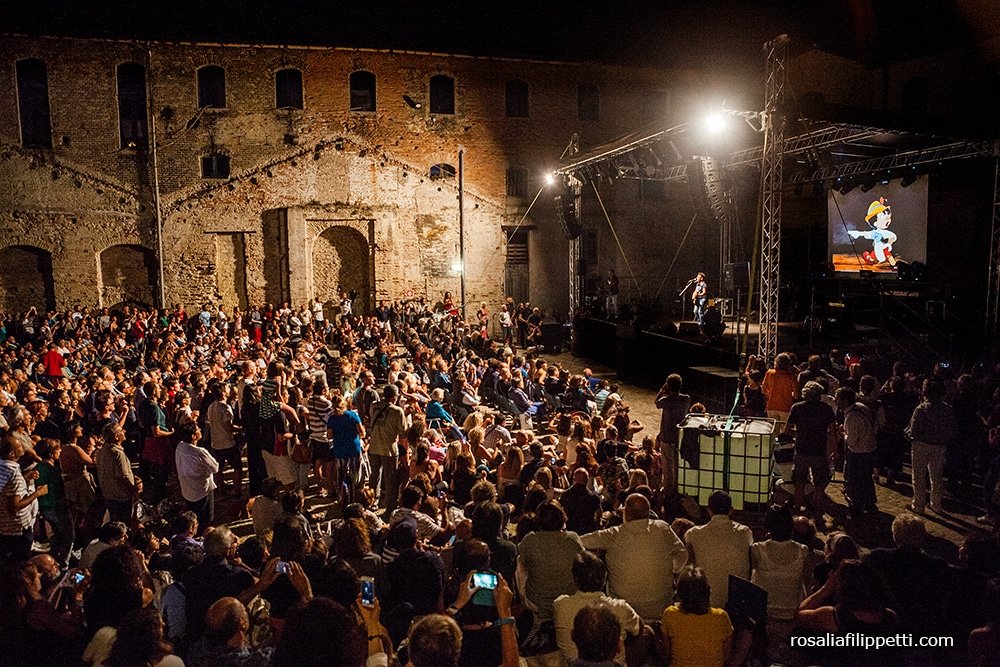
Recent programmes have placed screenings in historic centres, cultural buildings, outdoor areas, museums and other local spaces, making the festival experience closely connected with the surrounding landscape.
Ticket types & accreditation
The 2027 ticket structure has not yet been announced. Previous programme information indicates that many Mediterraneo Video Festival activities are offered with free admission.
The official programme has explicitly listed festival activities with free admission, including documentary screenings and related cultural events in previous editions.
For 2027, visitors should therefore expect many public festival activities to remain free, while specific workshops, excursions, tastings or partner activities may have separate participation arrangements if applicable.
There is no verified 2027 accreditation fee currently published. Filmmakers participating in the competition follow a separate submission and selection process rather than ordinary audience ticketing.
Industry & professional access
Mediterraneo Video Festival provides opportunities for documentary filmmakers and audiovisual professionals to present their work and participate in discussions surrounding documentary cinema.
The international competition accepts documentaries from Italian and international filmmakers without restrictions on running time. Selected works must comply with the festival’s technical and language-subtitling requirements.
The festival also creates opportunities for professionals through masterclasses, meetings, cultural discussions and exchanges involving cinema, landscape, environmental sustainability and Mediterranean cultural heritage.
For filmmakers, the official call requires an entry form and supporting materials such as a synopsis, technical information and director biography. Selected films must also provide appropriate digital film files and promotional materials.
Red carpet & special events
Mediterraneo Video Festival is primarily an independent documentary and cultural festival rather than a conventional celebrity red-carpet event.
Its special events often connect film with the landscape and cultural heritage of Cilento. These can include outdoor screenings, award ceremonies, artistic performances, talks, exhibitions, excursions and meetings with filmmakers.
Recent programmes have included musical performances, special awards, exhibitions, literary discussions, environmental activities and presentations connected with Mediterranean culture. The festival has also presented special recognition to filmmakers, journalists and cultural figures.
Festival rules
The official festival regulations state that the international competition is open to Italian and foreign documentary films without restrictions on duration. Fiction films are excluded from this competition.
Filmmakers must submit the official entry form and provide the required technical and descriptive materials. Films that are not in Italian must be supplied with English subtitles for preselection, while selected films must comply with the festival’s specified subtitle requirements.
Selected films must also provide appropriate digital files, director photographs, film photographs, a printable poster and a trailer or teaser where required.
Visitors attending public screenings and events should follow the individual instructions provided by each venue and organiser.
How to get there
The festival is centred in the Cilento area of Campania, with Ascea serving as an important festival location. Because the programme can move between several communities, visitors should confirm the location of each activity before travelling.
Ascea is connected with the wider Cilento region by rail and road. Visitors travelling from Naples or other major Italian cities can reach the area by train and then continue by local transport or car.
For a multi-day festival visit, renting a car can be useful because some screenings, cultural sites and rural activities may be located away from major transport hubs.
Visitors staying in Ascea can also use the town as a base for reaching other participating Cilento communities.
Public transport & parking
Public transport options vary depending on the specific festival location. Ascea and other Cilento communities are connected by regional rail and bus services, while smaller rural locations may require additional local transport.
The itinerant nature of the festival means that visitors should not assume that every programme venue can be reached directly by train.
Parking is generally easier in smaller Cilento communities than in major Italian cities, although availability can vary around historic centres and during busy festival events.
For visitors planning to attend several locations, checking the daily programme and arranging transport between towns in advance is recommended.
Accommodation areas
Ascea is a practical base for visitors who want to remain close to the festival’s main headquarters and attend programmes around Ascea and the surrounding coastal area.
Paestum and Capaccio are useful for visitors interested in combining the festival with archaeological and cultural attractions.
Caselle in Pittari and Morigerati offer a more rural experience and can be suitable for visitors who want to stay closer to the inland programme.
Padula is particularly relevant for visitors interested in cultural heritage, historic architecture and the Certosa di San Lorenzo.
Cilento coast provides a wider choice of hotels, holiday apartments, guesthouses and agriturismo properties, although distances between coastal and inland venues should be considered when planning a festival itinerary.
Food & dining
Food is closely connected with the festival’s interest in Mediterranean landscapes, rural communities and cultural identity.
Previous programmes have included food-focused activities, agricultural visits, tastings and discussions about local food traditions. The festival’s Terre Viaggianti project has explored local producers, farming practices and food as an element of cultural identity.
Visitors can experience Cilento specialities through local restaurants, agriturismi, farms and food producers. Typical regional products include olive oil, fresh pasta, vegetables, cheeses, legumes and other products associated with the Mediterranean diet.
The exact dining programme and any official tastings for 2027 will depend on the final festival schedule.
Accessibility
Because Mediterraneo Video Festival is an itinerant event, accessibility can vary substantially between venues.
Some activities take place in conventional cultural buildings, while others may be held in historic centres, archaeological areas, outdoor landscapes, rural properties or natural sites. These locations can have different levels of step-free access and visitor facilities.
Visitors with specific accessibility requirements should contact the festival organisers before attending so they can confirm the suitability of individual venues and activities.
The festival’s emphasis on local communities and landscapes means that some excursions or outdoor activities may involve uneven surfaces or walking, so checking the details of individual events in advance is particularly important.
Best screenings to attend
International documentary competition is the central choice for visitors who want to experience the festival’s core cinematic programme. It presents Italian and international documentary filmmaking focused on cultural landscapes and Mediterranean identities.
Short-film competition is suitable for visitors who want to discover emerging filmmakers and concise documentary storytelling.
Out-of-competition screenings can provide a broader perspective on the themes explored by the festival and may include films selected for their cultural or artistic relevance.
Special screenings with filmmakers are particularly worthwhile when the director or another contributor is present, as these events can add context to the film.
Landscape and culture programmes are ideal for visitors who want to experience the festival beyond the cinema, combining film with local heritage, environmental sites, food traditions and artistic activities.
Previous year’s highlights
The previous edition continued the festival’s itinerant format, with activities spread across several Cilento communities. Its programme connected documentary cinema with architecture, sustainability, rural life, food traditions, environmental issues and Mediterranean cultural heritage.
The programme included the international feature-film and short-film competitions as well as out-of-competition screenings. Documentaries such as Lettre à ma fille depuis le pays des femmes, Biblioteca del grano, Ova Dobra Zemlja, Abèle and Il Laboratorio formed part of the competitive or related programme.
Special events included meetings with filmmakers, masterclasses, music performances, exhibitions, cultural excursions and discussions. The festival also presented a special award to filmmaker Gianfranco Pannone and included a closing awards ceremony in Ascea.
The more recent edition also expanded the festival’s cultural scope through programmes addressing literature, journalism, artificial intelligence, Mediterranean heritage and environmental questions.
Official tickets & accreditation
The official 2027 ticket and accreditation information has not yet been published. Previous festival programmes have indicated free admission for many public screenings and cultural activities.
Filmmakers have a separate submission process through the official festival call. The entry procedure requires the official form and supporting film information, while selected documentaries must meet the festival’s technical and subtitle requirements.
Visitors should use the official festival website for the confirmed 2027 programme, admission information, filmmaker submissions and any special registration requirements.
Official contact information:
- Festival: https://www.medvideofestival.net/
- Phone: +39 0974 838712
- Email: segreteria@medvideofestival.net
- Main festival area: Cilento, Campania, Italy
Video
Location
FAQ
When will Mediterraneo Video Festival 2027 take place?
The 2027 edition is planned for September in the Cilento area of Campania, Italy, with the exact dates still to be announced. The festival normally combines several days of documentary screenings, cultural activities, meetings and special events. Visitors should check the official programme before arranging travel.
Where is Mediterraneo Video Festival held?
The festival is itinerant and uses different communities and cultural locations across Cilento rather than operating from one permanent cinema. Ascea is an important festival base, while recent programmes have also included locations such as Paestum, Caselle in Pittari, Morigerati, Padula and other Cilento communities.
What type of films are shown at Mediterraneo Video Festival?
The festival focuses primarily on documentary cinema dealing with Mediterranean cultural landscapes, communities, identities, environmental subjects and social themes. Its programme includes international documentary competitions, short films, out-of-competition screenings and special audiovisual projects.
Are Mediterraneo Video Festival events open to the public?
Many festival screenings and cultural activities have historically been offered with free admission, although individual workshops, excursions or partner activities may have their own arrangements. The final 2027 admission information will be confirmed with the official programme and organisers.
Can filmmakers submit documentaries to the festival?
Yes. The international competition accepts Italian and international documentary films, with the official regulations providing the eligibility and technical requirements. Filmmakers must complete the festival entry procedure and provide the required film information, director details, technical materials and subtitle formats.

Leave a Reply