
The Baluardo di Santa Maria and Castel Tedaldo Setting
The historic Baluardo di Santa Maria serves as the dramatic architectural backdrop for the festival, utilizing ancient ramparts and green defensive ditches to create an authentic arena. This monumental Renaissance fortification, part of Ferrara’s celebrated perimeter walls, provides a natural amphitheater where historical re-enactments and equestrian tournaments unfold. Stonework towers and grassy slopes echo with the clamor of armor and the lively chatter of merchants, instantly immersing guests in a bygone era.
Adjacent green spaces along Viale IV Novembre transform into sprawling medieval encampments complete with canvas tents, cooking hearths, and artisan workshops. The strategic geographical layout allows visitors to wander seamlessly from bustling market lanes to quiet contemplative garden corners nestled beneath massive brick bulwarks. This brilliant integration of urban heritage spaces with living history guarantees an unforgettable visual and sensory journey for every attendee.
The Equestrian Giostra and Paladino Estense Tournament
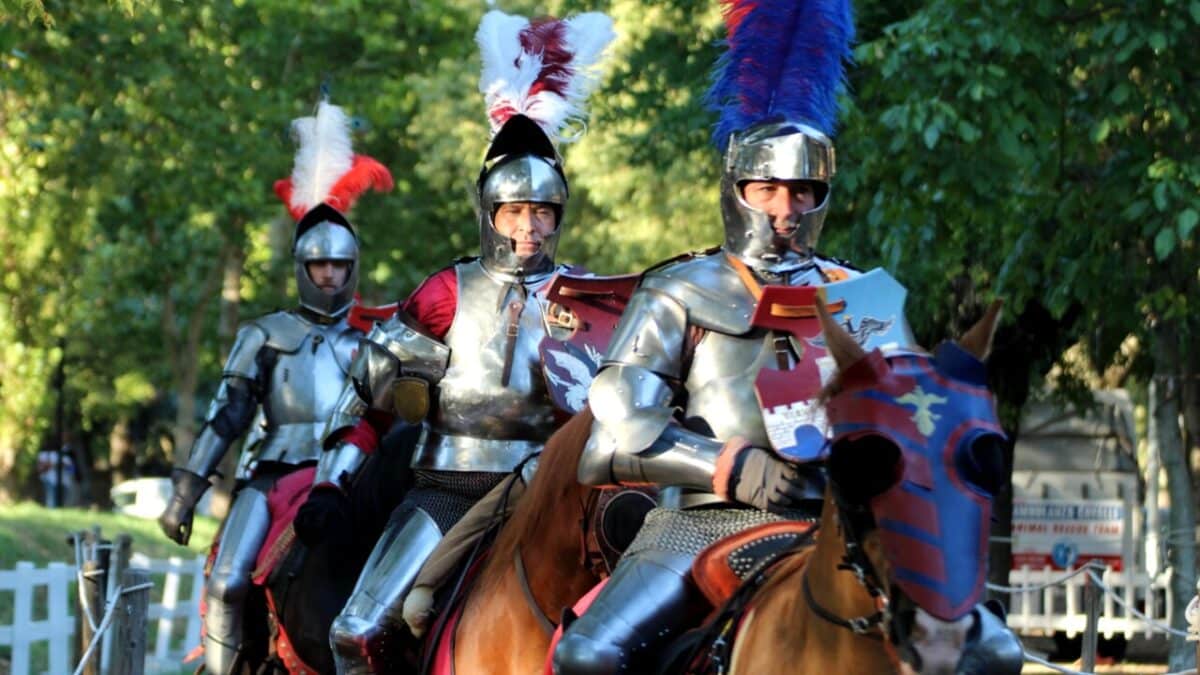
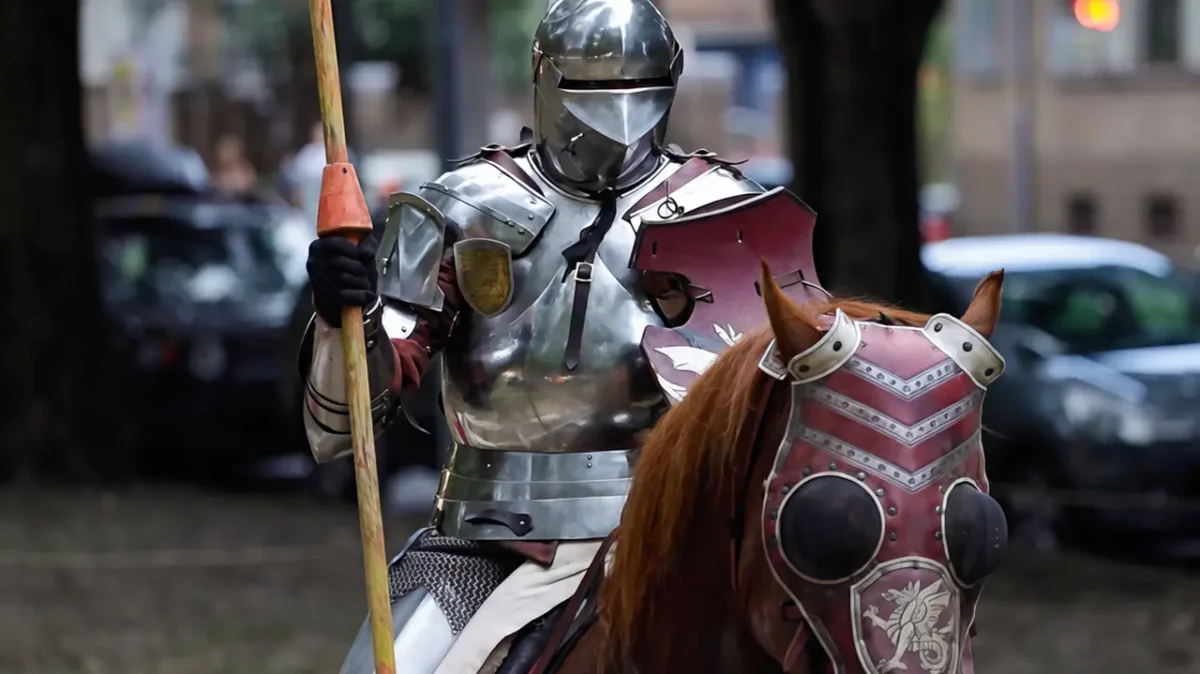
- Chivalric Combat Heritage: Elite riders representing historical city districts compete fiercely for ultimate glory and honor in a traditional medieval equestrian tournament.
- Mace and Shield Clashes: Competitors wield heavy replicas of medieval iron-headed maces, striking rotating targets and testing their agility at full gallop.
- Paladino Estense Title: The victorious knight claims the prestigious title of Paladino Estense, earning legendary status among fellow participants and spectators.
- Majestic Steed Presentations: Highly trained horses adorned in authentic heraldic caparisons and leather harnesses parade before the judges prior to the tournament.
- Rigorous Qualification Trials: Participating jockeys undergo extensive training regimens in horsemanship, lance handling, and tactical speed tracking ahead of the event.
- Trumpet Fanfare Announcements: Dramatic brass fanfares sound across the arena to signal each charging run, heightening the emotional tension of the crowd.
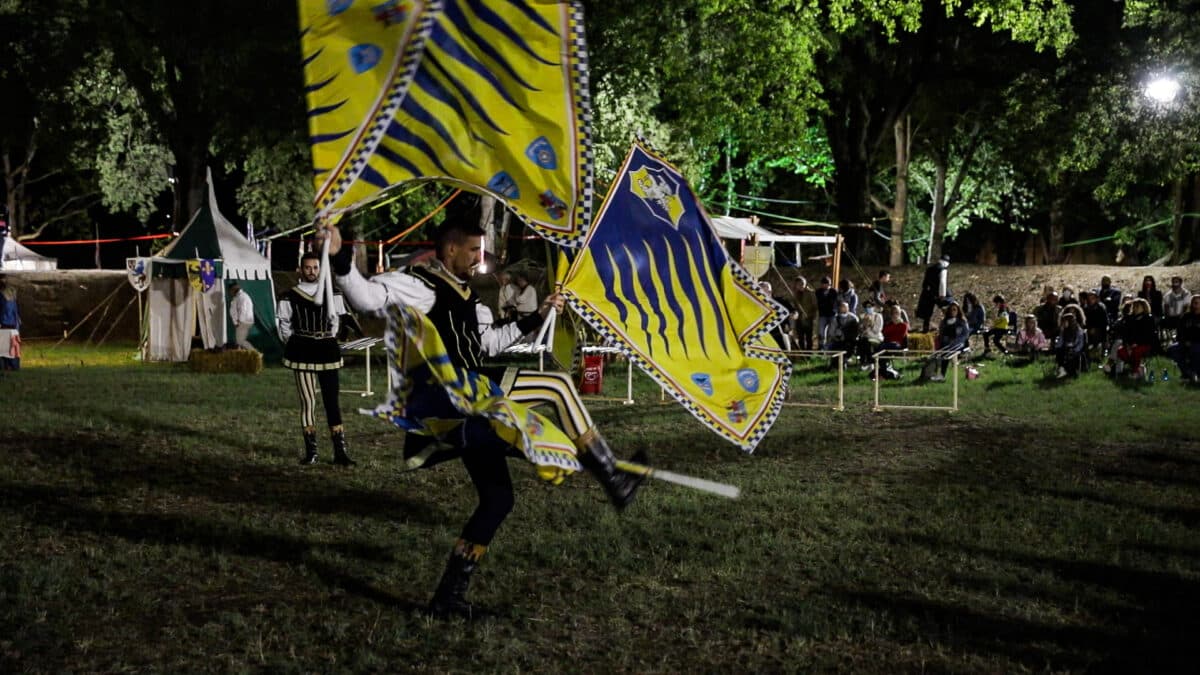
- Heraldic Flag Displays: Representatives of competing factions wave massive silk banners bearing ancient municipal crests to rally support for their riders.
- Historical Judging Panels: Experienced arbiters enforce strict medieval tournament codes, scoring each pass based on precision, speed, and technical accuracy.
- Triumphant Victory Laps: The winning knight rides a victory lap around the arena floor, receiving rapturous applause and floral tributes from onlookers.
- Equestrian Stunt Exhibitions: Specialized professional stunt riders perform breathtaking acrobatic maneuvers on horseback between main tournament rounds to entertain families.
Event Programme
- Event Date: August – September 2027 (Dates TBD)
- Event Duration: Multi-day historical immersion featuring nearly two weeks of medieval pageantry, theatrical performances, and equestrian contests
Visiting this event? Don’t miss out on these amazing activities and local experiences while you’re here.
Medieval History and Este Dynasty Heritage
The magnificent festival transports modern visitors back to the golden age of the Este Dynasty, celebrating Ferrara’s illustrious history as a flourishing Renaissance and medieval powerhouse. Through rigorous historical research and authentic artistic direction, the event revives the political intrigues, courtly elegance, and military prowess that characterized the local ruling house. Every corner of the historic fortification echoes with the legacy of marquesses and dukes who transformed the city into a legendary beacon of art, culture, and architecture.
Enjoy Your Event Stress-Free with Italy Travelo
Whether you're traveling for a world-famous festival, live concert, cultural celebration, or business event, Italy Travelo helps simplify every step of your journey. Our team provides personalized travel assistance, allowing you to focus on creating lasting memories.
Local historical associations dedicate countless hours to recreating the sights, sounds, and social structures of the era, ensuring absolute fidelity to historical records and chronicles. Visitors gain a profound appreciation for how medieval citizens lived, worked, and celebrated through carefully curated immersive environments that span the ancient city walls. This deep commitment to historical preservation bridges the gap between past centuries and contemporary civic identity, fostering immense pride among residents.
The cultural fabric of the festival highlights the complex geopolitical dynamics of northern Italy during the Middle Ages, emphasizing trade alliances, chivalric codes, and dynastic rivalries. Academic conferences and guided historical tours complement the festivities, offering deep insights into medieval urban planning, fortification design, and daily survival. By honoring these foundational chapters of local history, the event keeps the spirit of the Este court vibrantly alive for generations of future enthusiasts.
Entry & Tickets
- How Tickets Are Sold: Available as Free Admission for general public entry to historical encampments, street markets, daytime craft exhibitions, and open-air village areas without any advanced ticketing requirement.
- Admission Type: Open-access public admission welcoming families, local residents, and cultural travelers to explore the medieval fortifications and entertainment zones freely.
- Ticket Pricing: Free Admission across all standard historical zones, open-air public shows, musical performances, and daytime artisan exhibition spaces.
- Special Seating Options: Open public standing spaces and designated viewing zones along the historic ramparts, arena borders, and street tournament perimeters.
- VIP Options: Reserved hospitality packages organized by sponsoring local quarters offering priority entry to special evening shows, dedicated seating platforms, and authentic medieval banquet experiences.
Archery Competitions and Balestrieri Tournaments
- Traditional Crossbow Contests: Expert marksmen from regional guilds compete in precision shooting tournaments using heavy medieval crossbows.
- Longbow Accuracy Showcases: Traditional archers demonstrate formidable skill by hitting distant hanging targets with wooden longbows.
- Guild Honor Rankings: Shooters accumulate points toward regional championships, representing their respective historical associations with immense pride.
- Calibrated Wind Adjustments: Competitors analyze environmental conditions carefully, adjusting their aim across open rampart ranges.
- Handcrafted Equipment Displays: Archers showcase intricately carved yew bows, horn-tipped crossbows, and hand-feathered wooden arrows.
- Target Scoring Arbiters: Judges inspect bullseye targets closely with magnifying tools to determine exact point placement for tied scores.
- Youth Training Demonstrations: Veteran archers host introductory target sessions to teach safety and basic shooting form to young novices.
- Ceremonial Salute Marches: Archery squads march in formation wearing historic uniforms, firing celebratory blank volleys to open tournament rounds.
Folkloric Music, Fire Shows, and Courtly Performances
As twilight falls over the ancient ramparts, the festival transforms into an enchanted realm of acoustic melodies, dynamic fire acts, and courtly spectacles. Traveling musicians pluck lutes, blow wooden flutes, and beat driving percussion rhythms that drift across the candlelit courtyards and stone pathways. Performers in elaborate costumes weave through the crowds, creating an intimate and immersive atmosphere of medieval revelry.
Dazzling fire-breathing troupes and acrobatic fire-spinners take over the main arena spaces, executing dangerous and mesmerizing choreography against the dark night sky. Graceful court dancers perform delicate Renaissance measures, inviting onlookers to admire the refined elegance of aristocratic ballroom traditions. These nightly performances provide a breathtaking sensory climax to each day of historical celebration.
Getting to the Event
- City and Country: Ferrara, Italy
- Venue Name: Baluardo di Santa Maria and Viale IV Novembre Gardens
- Google Maps Address: Baluardo di Santa Maria, Viale IV Novembre, 44121 Ferrara FE, Italy
Historical Re-enactments and Battle Simulations
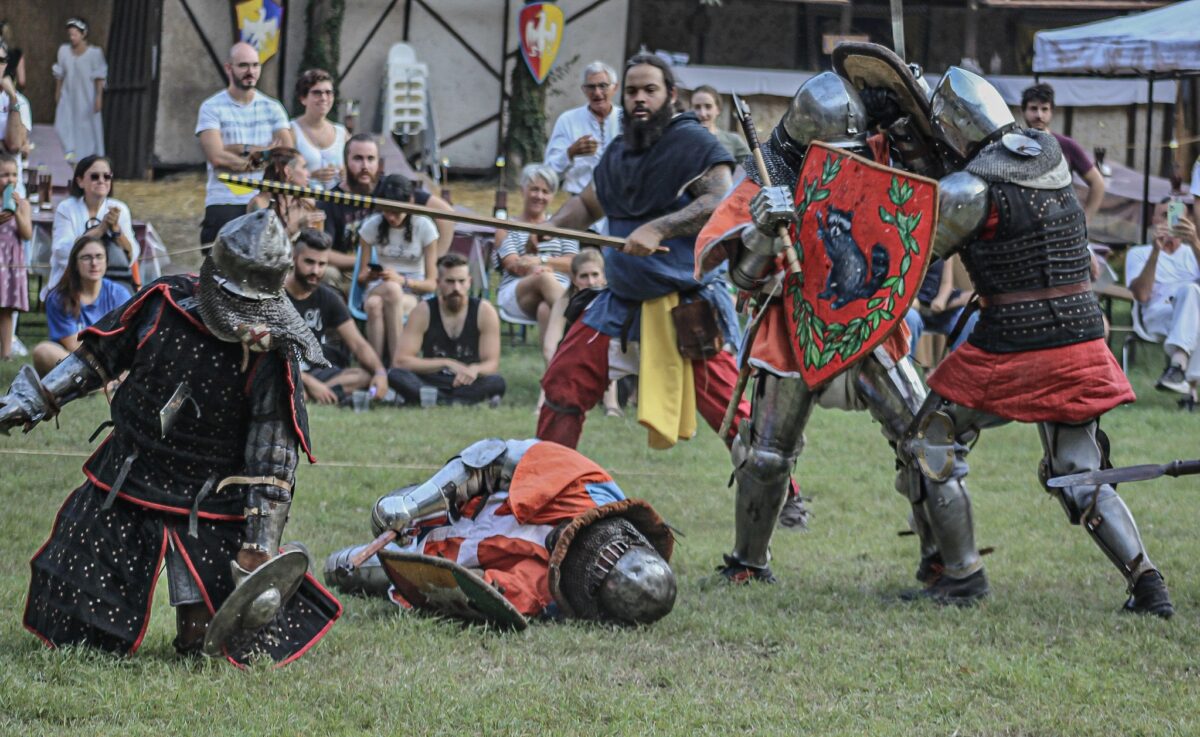
- Cassano d’Adda Commemoration: The festival features a grand theatrical recreation of the historic battle of Cassano d’Adda, highlighting medieval military tactics.
- Armored Infantry Clashes: Hundreds of enthusiastic re-enactors clad in chainmail and plate armor engage in choreographed tactical skirmishes across the open fields.
- Authentic Weaponry Displays: Specialists showcase working replicas of medieval polearms, cross-bows, swords, and siege engines with meticulous historical accuracy.
- Tactical Commander Briefings: Military leaders brief their troops in character, detailing strategic flanking maneuvers and defensive formations before the simulated conflict.
- Dynamic Pyrotechnic Effects: Controlled smoke and sound effects enhance the realism of the battle simulation without compromising audience safety.
- Camp Follower Portrayals: Re-enactors depict the essential supportive roles of camp cooks, medics, and squires who sustained medieval military campaigns.
- Post-Battle Reconciliation: The simulation concludes with opposing armies lowering their weapons and walking together in a unified display of sportsmanship.
- Educational Weapon Seminars: Public demonstrations explain the metallurgy, weight distribution, and fighting techniques associated with medieval weaponry.
Contrada di San Giacomo Processions and Flag-Wavers
The esteemed Contrada di San Giacomo takes center stage in organizing vibrant historical processions that wind through the illuminated streets and festival grounds. Members don meticulously tailored Renaissance velvet and silk garments, recreating the aristocratic splendor of Ferrara’s golden age with stunning attention to detail. These grand parades feature civic dignitaries, noble ladies, armed guards, and musicians walking to the steady beat of rolling drums.
The highlight of the procession is the breathtaking performance by the contrada’s expert flag-wavers, who toss colorful silk banners high into the air with seamless coordination. Their acrobatic catches and complex geometric patterns unfold to the thunderous rhythm of traditional drum corps, captivating audiences of all ages. This living display of civic pageantry reinforces community bonds and honors the enduring cultural traditions of the historic city quarters.
Medieval Taverns and Traditional Ferrara Gastronomy
- Authentic Recipe Revival: Pop-up medieval taverns serve traditional Ferrarese dishes based on ancient culinary manuscripts and Renaissance cookbooks.
- Spiced Wine Elixirs: Taverns brew hypocras, a popular medieval drink flavored with honey, cinnamon, ginger, and aromatic forest herbs.
- Handmade Pasta Delicacies: Local cooks prepare classic regional pasta specialties like pumpkin-filled cappellacci paired with rich, savory meat ragus.
- Open-Air Hearth Roasting: Master chefs utilize open wood fires to roast meats seasoned with wild fennel, juniper berries, and Mediterranean sage.
- Rustic Bread Baking: Bakers produce dense, crusty artisan loaves using ancient grain flours similar to those consumed in medieval households.
- Historic Tavern Seating: Long wooden trestle tables encourage communal dining where strangers sit side by side in a festive, jovial atmosphere.
- Aged Cheese and Cured Meats: Food stalls offer platters of robust local cheeses and air-dried cured meats paired with regional figs and honey.
- Sweets and Honey Pastries: Dessert menus feature traditional honey-soaked pastries, almond cakes, and spiced fruit preserves favored by Este nobles.
- Eco-Friendly Serving Ware: In keeping with sustainability guidelines, taverns utilize biodegradable earthenware cups and wooden utensils for all food service.
Strada dei Mercanti and Artisan Craft Stalls
- Master Blacksmith Forges: Artisans hammer glowing iron over mobile charcoal hearths, crafting hinges, tools, and decorative metal trinkets.
- Handmade Leather Workshops: Skilled leatherworkers tool custom belts, pouches, and durable footwear using traditional stamping methods.
- Traditional Pottery Stands: Ceramicists display hand-glazed earthenware jugs, bowls, and plates painted with traditional Renaissance motifs.
- Textile and Lace Weavers: Artisans demonstrate historic drop-spindle spinning and loom weaving using raw wool, flax, and silk fibers.
- Herbalist and Apothecary Carts: Vendors sell natural dried herbs, botanical oils, handmade soaps, and ancient remedy compounds.
- Bookbinder and Parchment Stalls: Craftsmen showcase hand-bound leather journals, calligraphy pens, and custom-pressed paper products.
- Historic Toy Makers: Woodworkers offer handcrafted wooden puzzles, spinning tops, and miniature toys for younger festival visitors.
Guide
- Email: segreteria@contradadisangiacomo.it
- Phone Number: +39 0532 202931
- Website: https://www.lagiostradelmonaco.it/
Corte dei Giuochi and Historical Skill Games
The dedicated Corte dei Giuochi serves as a lively interactive hub where visitors of all ages can step back in time and test their athletic coordination. Nestled alongside the artisan market area, this playful zone revives forgotten medieval pastimes, recreational board games, and physical agility tests. Participants engage in friendly competitions using traditional props, experiencing firsthand how communities entertained themselves centuries ago.
Experienced guides animate the area, explaining the rules of complex historical games of strategy and chance that once captivated European courts. Laughter and cheers fill the air as families challenge one another in tossing games, ring-toss setups, and balancing challenges designed for both children and adults. This engaging space ensures that history remains an active, participatory experience rather than a passive spectacle.
Children’s Workshops and Interactive Tales
- Interactive Storytelling Sessions: Performers narrate captivating medieval fairy tales and local legends for young listeners in shaded garden corners.
- Hands-On Craft Activities: Children create their own miniature shields, paper crowns, and braided bracelets under expert supervision.
- Junior Knight Training: Young participants learn basic wooden sword handling and obstacle course navigation in safe play zones.
- Complimentary Access Programs: All youth-oriented afternoon workshops are offered completely free of charge to encourage family participation.
- Advance Booking Systems: Organized scheduling ensures small group sizes and personalized attention for every child attending the sessions.
- Costumed Character Guides: Friendly actors dressed as jesters and knights accompany children between activity stations to maintain the magical mood.
Living History Medieval Encampments
- Authentic Canvas Pavilions: Re-enactors pitch hand-stitched linen tents outfitted with rustic wooden cots, woolen blankets, and period furnishings.
- Open-Air Daily Life: Camp residents cook over open campfires, mend garments by hand, and practice musical instruments between scheduled events.
- Blacksmithing Hearth Stations: Temporary coal forges operate inside the camp to repair armor buckles, arrowheads, and household utensils.
- Guarded Perimeter Posts: Sentries standing watch in chainmail maintain a realistic atmosphere of a medieval military outpost.
- Herbal Medicine Displays: Camp herbalists exhibit dried healing plants, mortars, pestles, and jars containing traditional remedial oils.
- Costume Maintenance Routines: Participants meticulously polish plate armor and brush woolen capes to maintain pristine historical appearances.
- Interactive Visitor Chats: Camp residents welcome inquisitive guests, explaining camp rules, social hierarchies, and medieval survival skills.
- Parchment Letter Writing: Scribes demonstrate quill pen writing on treated animal skin parchment inside candlelit writing tents.
- Nighttime Torch Illumination: Iron torches and oil lanterns cast flickering shadows across the encampment after sunset, creating a magical ambiance.
- Pack Animal Stabling: Donkeys and working horses tethered in designated camp zones reflect the essential transport methods of medieval armies.
Community Pageantry and Closing Ceremonies
The grand closing ceremonies unite all participating contrade, knights, musicians, and volunteers in a powerful final display of community pride and camaraderie. Esteemed municipal leaders and festival organizers take to the central stage to express heartfelt gratitude to the thousands of visitors and workers who made the edition a triumph. Speeches celebrating local heritage echo across the ramparts, reinforcing the deep cultural bonds uniting the citizens of Ferrara.
The festivities reach their emotional peak with the ceremonial lighting of massive bonfires and spectacular pyrotechnic displays that illuminate the ancient fortress walls. As the final embers fade into the night sky, participants and spectators join hands in traditional circle dances, bidding farewell until the next annual gathering. This resonant conclusion cements the festival’s status as an unmissable highlight of the regional cultural calendar.
Location
FAQ
What is the historical significance behind La Giostra del Monaco festival?
The event commemorates Ferrara's glorious medieval and Renaissance heritage under the influential rule of the Este Dynasty. It revives traditional equestrian tournaments, ancient crafts, and civic pageantry to celebrate the local historical identity. Through immersive re-enactments, it preserves intangible cultural traditions for modern generations.
Do visitors need to purchase entry passes to access the festival grounds?
General admission to the historical encampments, street markets, and public viewing areas is completely free for all attendees. Certain specialized evening seating areas or banquet experiences may feature independent reservation options through sponsoring groups. Guests can freely wander the Baluardo di Santa Maria and enjoy the daytime attractions without buying a ticket.
What kind of activities are available for children and families at the event?
Families can explore dedicated play areas featuring interactive medieval skill games, storytelling sessions, and hands-on crafting workshops. Children can participate in junior knight training camps and watch entertaining shows performed by traveling jesters. These engaging youth activities are designed to make history fun, educational, and accessible for younger visitors.
What types of traditional food and drink can attendees expect to find?
Pop-up medieval taverns serve authentic regional dishes such as pumpkin-filled pasta, wood-roasted meats, and artisanal breads. Visitors can also sample hypocras, a spiced honey wine inspired by historic Renaissance recipes, alongside local cheeses and cured meats. All food stalls emphasize traditional culinary techniques and sustainable, eco-friendly serving practices.
How can travelers reach the primary festival location in Ferrara?
The main venue is situated at the Baluardo di Santa Maria and Viale IV Novembre gardens near the historic city center. Visitors arriving by train can easily walk from the Ferrara railway station by heading down nearby connecting streets toward the ancient walls. Clear directional signage guides pedestrians from major transit hubs straight to the festival entrance gates.

Leave a Reply