
Cilento Rural Heritage & Peasant Culture
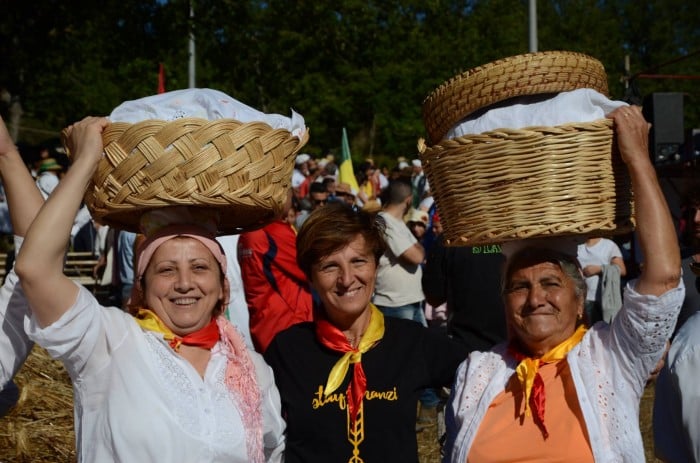
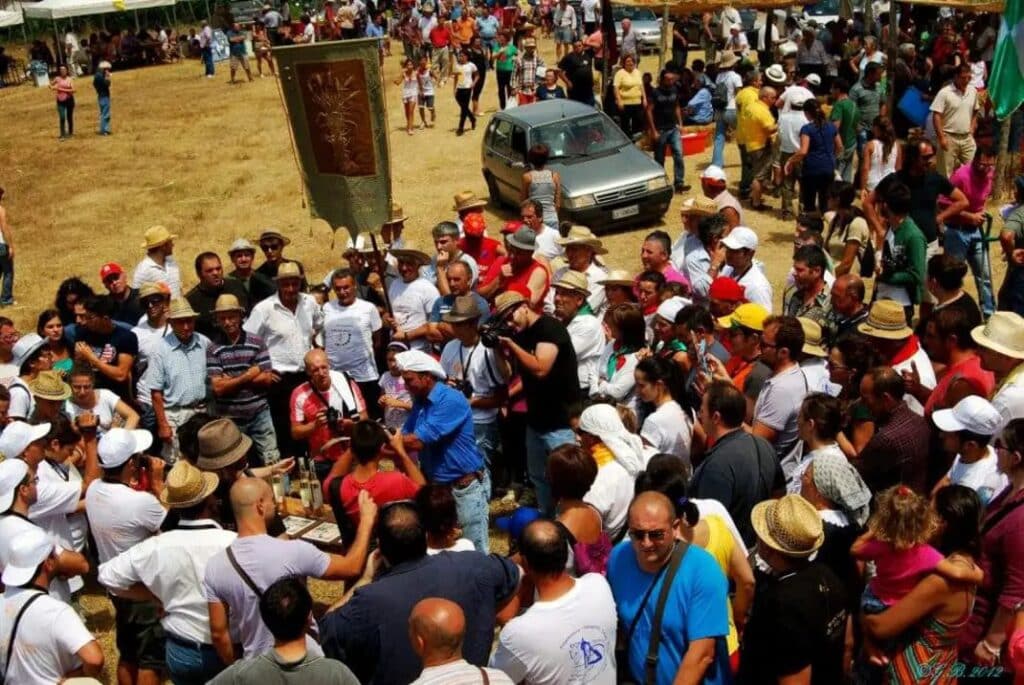
The Palio del Grano is deeply rooted in the agricultural history of the Cilento region, commemorating the vital peasant traditions and wheat cultivation practices that sustained southern Italy for centuries. Historical chronicles document how rural communities relied on collective labor, mutual aid, and sustainable farming methods to harvest precious heritage grains on steep mountain slopes. These time-honored customs formed the backbone of rural society, establishing a rich cultural framework that modern organizers meticulously recreate each year to honor local farmers.
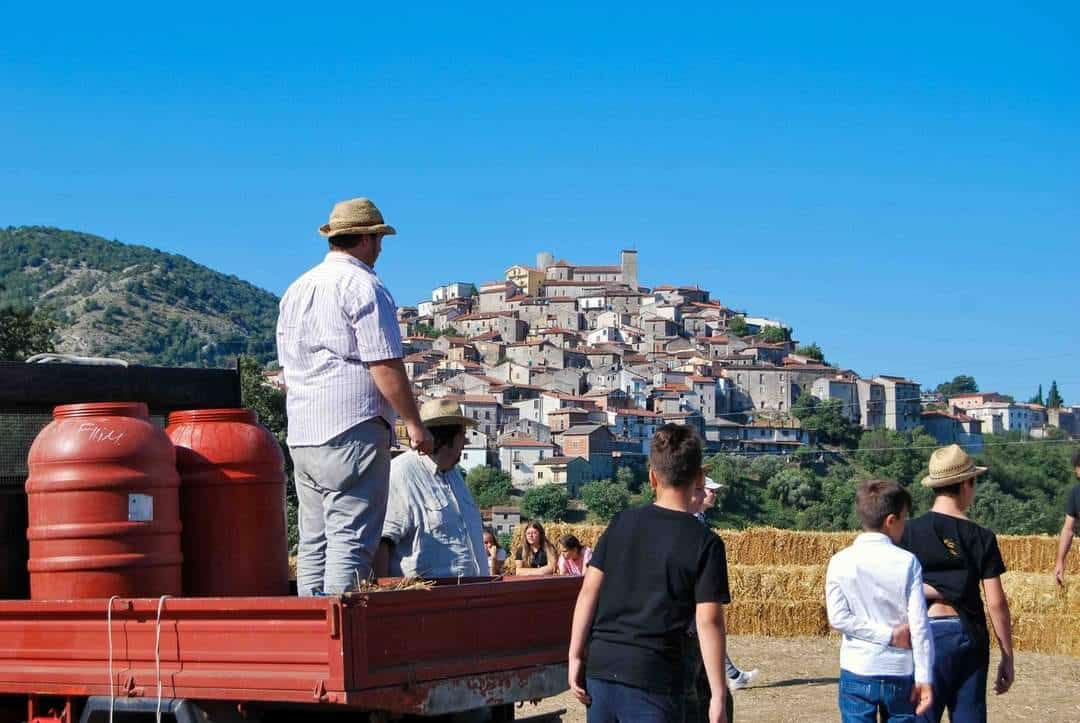
The festival serves as a living museum where ancient tools, seed-saving knowledge, and manual harvesting techniques are brought back to life under the summer sun of Caselle in Pittari. Scholars, local historians, and agricultural associations collaborate extensively to ensure that every demonstration and competition strictly adheres to verified historical traditions. This commitment to authenticity transports visitors directly into the rhythm and lifestyle of a historic Mediterranean farming community.
Modern celebrations bridge the gap between ancient heritage and contemporary sustainable agriculture, drawing thousands of participants and spectators into the picturesque village center. By preserving these enduring customs, the festival safeguards the intangible cultural heritage and agrobiodiversity of the entire Cilento region for future generations. The annual gathering stands as a powerful testament to the resilience, artisanal brilliance, and communal spirit of historic rural Italy.
Enjoy Your Event Stress-Free with Italy Travelo
Whether you're traveling for a world-famous festival, live concert, cultural celebration, or business event, Italy Travelo helps simplify every step of your journey. Our team provides personalized travel assistance, allowing you to focus on creating lasting memories.
Schedule & Programme
- Event Date: July 2027 (Dates TBD)
- Event Duration: A multi-day rural cultural festival celebrating ancient agricultural traditions, hand-reaping competitions, and peasant heritage across several dynamic days
Visiting this event? Don’t miss out on these amazing activities and local experiences while you’re here.
Ancient Threshing & The Pisatura Rituals
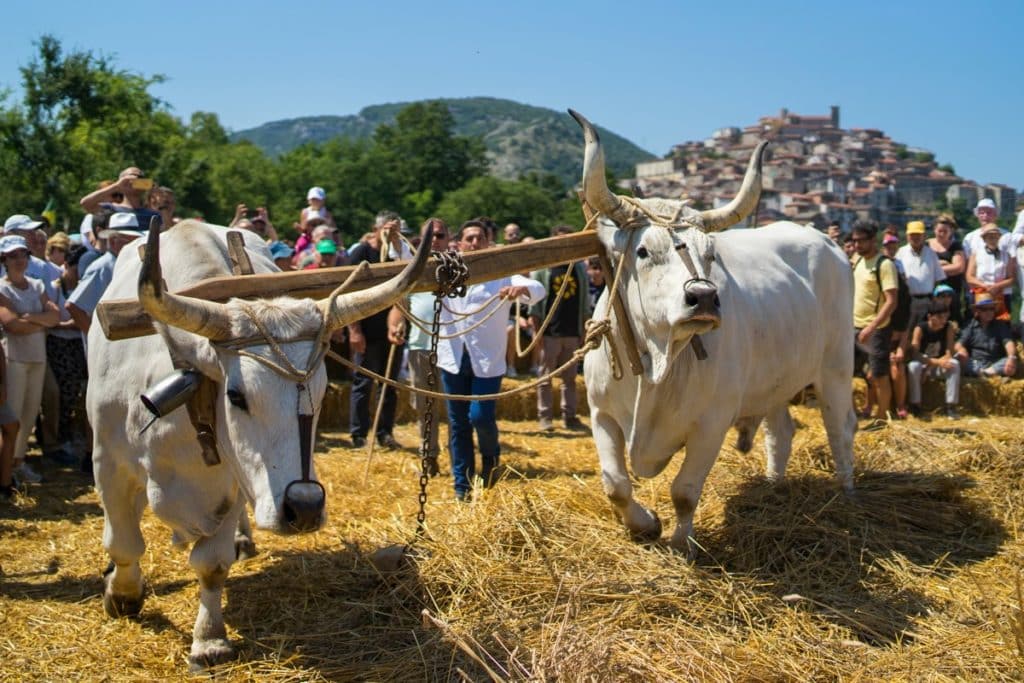
Ancient threshing methods and traditional pisatura rituals recreate the communal labor processes once essential for separating golden wheat grains from chaff. Farmers guide draft animals and human teams in treading the harvested wheat across large stone threshing floors while singing historic work songs. This synchronized movement ensures the grain is threshed efficiently while maintaining the integrity of heritage seed varieties.
Spectators gather around the historic ring to witness clouds of golden chaff rise into the air as pitchforks toss the loosened straw. Elder participants explain the complex meteorological judgment required to know exactly when the wind is right for winnowing the grain. This immersive ritual connects modern onlookers to the sweat, cooperation, and deep gratitude that characterized historical harvest seasons.
Slow Grains Biodiversity & Seed Saving Symposia
- Academic symposia gather international agronomists, botanists, and seed savers to discuss agricultural biodiversity preservation.
- Keynote lectures examine the ecological dangers of monoculture and the resilience of resilient ancient grain varieties.
- Panel discussions explore organic farming practices that protect soil health and watershed integrity in southern Italy.
- University researchers present field studies tracking the nutritional and environmental benefits of heritage wheat strains.
- Interactive roundtables encourage open dialogue between traditional farmers, bakers, and modern food scientists.
- Seed-swapping networks allow local cultivators to exchange rare legume, vegetable, and grain seeds freely.
- Policy debates address the regulatory hurdles facing small-scale producers attempting to preserve heirloom crops.
- Published conference proceedings are distributed to agricultural schools and rural development organizations globally.
- Networking sessions connect young agrarian entrepreneurs with veteran organic farmers and land trusts.
- The rigorous educational track elevates the festival into a premier European center for agrobiodiversity advocacy.
Admission
- How Tickets Are Sold: Festival entry passes and workshop reservations can be secured online through the official association portal or at the village entry gate.
- Admission Type: General public access is permitted for open-air streets, artisan markets, daytime agricultural workshops, and evening folk concerts.
- Ticket Pricing: Ticket pricing ranges from a minimum of $0.00 for open street viewing up to a maximum of $15.00 for reserved seating at specialized evening seminars and feasts.
- Special Seating Options: Modular wooden benches and straw bale amphitheater seating surrounding the main competition fields offer rustic viewing perspectives for visitors.
- VIP Options: Premium hospitality badges include front-row seating blocks at championship fields, exclusive lounge access, and invitations to the communal farmhouse feasts.
The Collective Thousand-Person Farmhouse Feast
Long communal tables stretch across the village lanes and open squares to host the legendary thousand-person farmhouse feast on the festival grounds. Local cooks prepare massive quantities of traditional Cilento dishes using freshly milled heritage flour, garden vegetables, and local olive oil. Authentic recipes passed down through generations are served family-style, encouraging vibrant conversation among strangers and neighbors alike.
Costumed hosts keep the atmosphere lively with traditional folk toasts, accordion music, and celebratory cheers echoing into the warm summer night. This massive culinary gathering highlights how food serves as the ultimate social glue uniting rural communities around shared tables. Every participant leaves with a full stomach and a profound appreciation for the rich culinary bounty of the region.
Travel & Getting There
- City and Country: Caselle in Pittari, Italy
- Venue Name: Historic Village Center and Valley Agricultural Fields
- Google Maps Address: Piazza Olmo, 84030 Caselle in Pittari SA, Italy
The Eight Historic Rioni & Twin Towns Rivalry
- Urban and rural organization during the festival is structured around eight historic neighborhood rioni and twin participating towns that fuel intense community pride.
- Residents invest months of preparation into training reapers, designing team banners, and organizing historical food stations.
- Distinct heraldic colors and symbolic wheat sheaf motifs visually separate each competing district during all championship events.
- Fierce historical rivalries motivate participants to invest countless hours into scythe sharpening and mowing technique practices.
- Neighborhood committees operate year-round to preserve local farming folklore, manage seed banks, and organize community gatherings.
- Youth groups within each district train rigorously to participate in junior category agricultural games and heritage matches.
- Neighborhood pride turns village streets into vibrant patchworks of custom flags, dried wheat stalks, and traditional textiles.
- Strategic alliances and historic friendly feuds between districts heavily influence the festive atmosphere of the competitive events.
- Winning the annual wheat-reaping competition brings immense prestige, local bragging rights, and profound historical validation for the district.
- Grassroots community involvement ensures the festival remains an authentic expression of local agricultural identity and rural solidarity.
The Hand-Reaping Wheat Championship Fields
The hand-reaping wheat championship stands as the physical and emotional heart of the festival, testing the speed, endurance, and skill of traditional mowers. Competitors line up across golden fields to harvest heritage grain varieties using only traditional steel scythes and hand-binding techniques. Months of careful physical conditioning precede the event, ensuring mowers can maintain an efficient rhythm under intense summer field conditions.
When the starting horn echoes across the valley, the crowd erupts into thunderous cheers as the reapers slice rhythmically through the tall wheat stalks. Technical judges monitor every lane closely to evaluate cutting precision, speed, and the neatness of the resulting grain sheaves. Victory is celebrated with immense applause, honoring the raw athletic effort and preserving an ancient farming art that predates mechanized agriculture.
Traditional Scythe Craft & Mowing Techniques
- Master blacksmiths and veteran farmers lead specialized clinics demonstrating the precise art of hammering and sharpening scythe blades.
- Participants learn the ergonomic body mechanics required to swing a scythe smoothly without exhausting lower back muscles.
- Instructors explain the metallurgical properties of historic blade steel and the proper use of natural whetstones.
- Close-up demonstrations show how to adjust the hang of the blade to match individual reaper heights and soil conditions.
- Safety protocols and proper tool maintenance routines are emphasized to prevent injuries during intense field competitions.
- Younger generations practice basic sweeping strokes on designated practice plots under the watchful eye of senior mentors.
- Exhibitions display rare, antique scythes collected from across the southern Italian countryside over multiple generations.
- Technical panels discuss the historical evolution of cutting tools from iron sickle days to balanced modern blades.
- Attendees can purchase custom-forged hand tools directly from independent regional blacksmiths visiting the festival.
- The meticulous educational sessions highlight the profound skill embedded within everyday pre-industrial farming tools.
- Video archives play footage of legendary reapers from past decades to preserve disappearing oral techniques.
- The mastery of scythe craftsmanship bridges the gap between utilitarian labor and cherished cultural heritage.
Festival Guide
- Email: prolococaselle@gmail.com
- Phone Number: +39 0974 983002
- Website: https://www.paliodelgrano.it/
Elderly Storytelling & Oral Memory Circles
- Village elders gather under ancient shade trees to share personal memories of wartime hardships, rural life, and historic harvests.
- Listeners sit in quiet circles recording oral histories, regional proverbs, and forgotten agricultural terminology.
- Audio documentation projects preserve disappearing dialects and local folk songs before they pass from living memory.
- Photographic displays featuring vintage black-and-white portraits prompt spontaneous reflections on changing village landscapes.
- Children ask curious questions about how ancestors managed daily life without electricity or modern machinery.
- The emotional storytelling sessions foster deep intergenerational empathy and respect for ancestral resilience.
- Handwritten notebooks containing family recipes and weather prediction folklore are shared among researchers.
- The intimate circles transform public spaces into warm living rooms of shared cultural heritage.
- Transcripts of the oral sessions are archived in the municipal library for future historical reference.
- The wisdom of the elders provides an irreplaceable anchor for the festival’s educational mission.
Artisan Bread-Making & Milling Workshops
Master bakers lead hands-on bread-making and stone-milling workshops utilizing freshly ground flour sourced directly from the festival’s heritage wheat harvest. Participants learn how to mix natural sourdough starters, knead sticky dough by hand, and shape traditional loaves before baking them in wood-fired stone ovens. The fragrant aroma of baking bread drifts across the alleys, drawing hungry onlookers toward the interactive kitchen stations.
Educational panels explain the nutritional superiority and digestibility of slow-fermented bread made from ancient grain varieties compared to industrial flour. Children and adults alike get their hands dusted with flour as they shape their own rolls to take home. These tactile workshops celebrate the transformative magic of turning simple grain, water, and yeast into life-sustaining nourishment.
Cilento Folk Music & Evening Field Dances
- Evening air fills with the infectious acoustic rhythms of traditional Cilento folk music, tambourines, and roaring zampogne.
- Local musicians play energetic tarantella tunes using authentic regional instruments in village squares and open fields.
- Dance instructors lead spontaneous circle dances and traditional step dances that invite all attendees to join.
- Performers undergo years of practice to master the rapid rhythms and vocal harmonies of southern folk music.
- The vibrant musical soundtrack creates an electric, celebratory atmosphere under clear summer night skies.
- Acoustic jam sessions continue around village corner benches long after official stage performances conclude.
- Costumed dancers twirl traditional skirts and ribbons, creating a dazzling display of color and motion.
- The joyful sonic landscape reinforces regional pride and communal bonding among diverse festival visitors.
- Special youth music circles teach children how to play traditional percussion and rhythm patterns.
- The lively music program guarantees an unforgettable sensory journey for every attending listener.
The Golden Banner Award & Historic Standings
The festival reaches its ceremonial peak with the awarding of the coveted Golden Banner to the winning rione of the wheat championship. Village leaders and agricultural judges present the hand-stitched banner amidst thunderous cheers, emotional tears, and neighborhood singing. This prestigious trophy represents a full year of bragging rights and honors the supreme dedication shown during the harvest competitions.
Detailed standings tracking points from scythe mowing, grain quality, and team participation are publicly announced from the municipal balcony. The celebration transitions into a massive village-wide street party featuring fireworks, wine toasts, and collective dancing until dawn breaks. This triumphant ceremony cements the enduring bonds of community solidarity across Caselle in Pittari.
Sustainable Agriculture & Earth Resilience Labs
Interactive science and ecology labs explore sustainable farming practices, water conservation, and soil regeneration techniques suited for Mediterranean hill country. Environmental experts present data on how ancient crop rotation methods prevent erosion and enhance soil microbiology without synthetic chemical fertilizers. Visitors examine soil core samples and native plant root systems displayed across educational kiosks.
Workshops teach small-scale homesteaders how to implement permaculture design, rainwater harvesting, and companion planting in home gardens. Panel discussions connect traditional peasant wisdom with modern climate adaptation strategies needed for resilient rural futures. These forward-looking labs ensure the festival honors the past while actively building solutions for tomorrow’s ecological challenges.
Video
Location
FAQ
What is the core cultural mission of the Palio del Grano?
The festival preserves and celebrates ancient peasant traditions, wheat cultivation, and manual harvesting techniques unique to the Cilento region. It fosters intergenerational knowledge transfer by bringing together elderly farmers, historians, and modern agriculturalists. Additionally, it promotes agrobiodiversity and the sustainable cultivation of heritage grain varieties.
Are the daytime harvesting competitions and evening workshops open to the public?
All daytime wheat-reaping championships, artisan workshops, and public square exhibitions are completely open to attending visitors. While specialized evening feasts and academic symposia may require advance registration or nominal entry tickets, general street areas remain accessible. The inclusive layout ensures everyone can experience the rich rural atmosphere.
How do the local neighborhood rioni participate in the annual event?
The eight historic rioni drive the passionate community spirit through intense scythe-mowing competitions and food preparation teams. Residents spend months practicing traditional agricultural techniques, crafting district banners, and organizing communal hospitality stations. Their active involvement ensures the festival remains an authentic expression of local heritage.
What family-friendly activities are available for children during the festival?
Children can participate in junior agricultural games, traditional bread-making workshops, and interactive storytelling circles with village elders. The festival also features youth craft sessions focused on wheat weaving, seed sorting, and simple folk music instruction. These engaging tracks are designed to inspire a lifelong appreciation for rural traditions.
Where do the main harvesting championships and evening feasts take place?
The signature hand-reaping wheat championships take place within dedicated agricultural fields located just outside Caselle in Pittari. Cultural symposia, music performances, and the thousand-person farmhouse feasts utilize the historic village center and public squares. This combination of working farm fields and ancient stone alleys creates an unforgettable event backdrop.

Leave a Reply