



What to expect in 2027
The Palio di Buti is one of Tuscany’s traditional horse-racing festivals, combining a historic horse race with religious ceremonies, Contrada celebrations, processions, traditional food and local folklore. The event takes place in Buti, in the province of Pisa, and is dedicated to Sant’Antonio Abate, the patron saint traditionally associated with animals and horses.
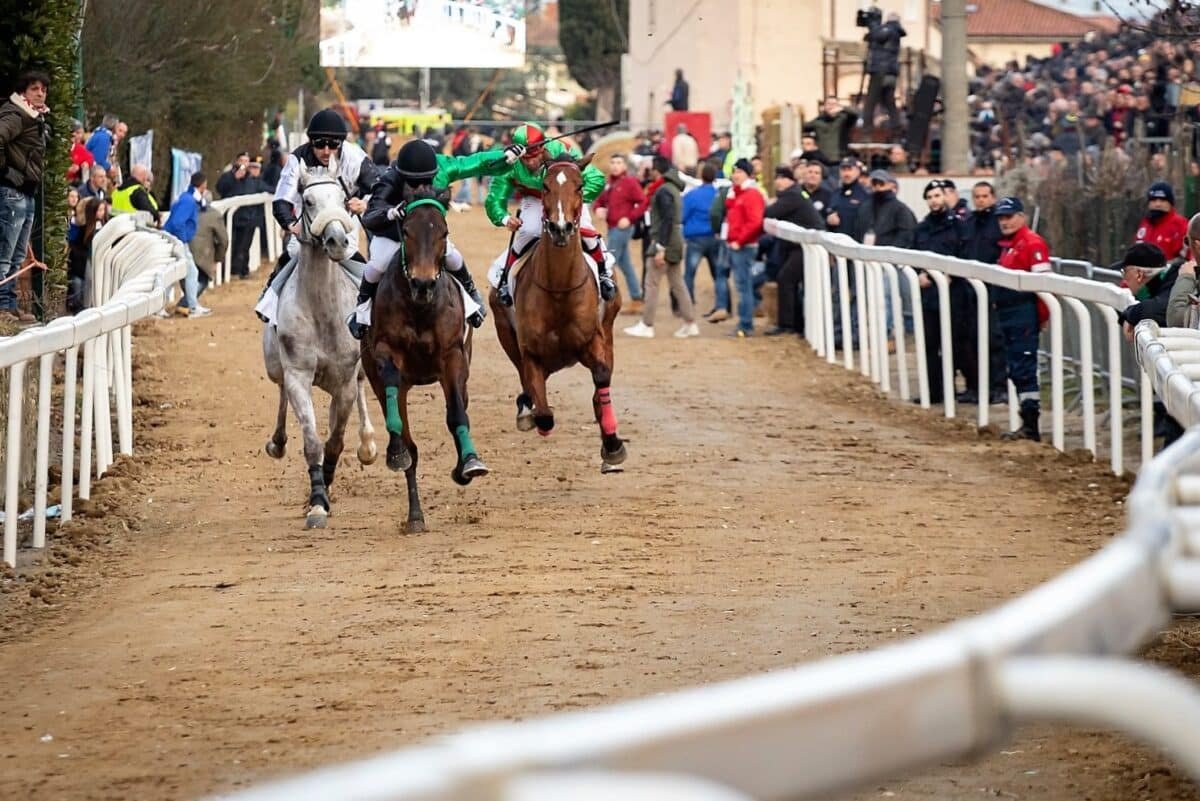
The 2027 edition is expected to continue the established format of the Palio delle Contrade, with the seven Contrade preparing their horses and jockeys for the main competition. The festival atmosphere extends beyond the race itself, with religious services, Contrada dinners, historical parades, horse blessings and community celebrations forming an important part of the programme.
The official website describes the Palio as a long-distance-style race held on a town road, with the course running uphill and the competition organised into qualifying heats and a final.
Enjoy Your Event Stress-Free with Italy Travelo
Whether you're traveling for a world-famous festival, live concert, cultural celebration, or business event, Italy Travelo helps simplify every step of your journey. Our team provides personalized travel assistance, allowing you to focus on creating lasting memories.
Event dates
The Palio di Buti 2027 is scheduled for January 2027 (Dates TBD).
The exact 2027 calendar has not yet been published by the organisers. The official tradition places the Palio on the Sunday following the feast of Sant’Antonio Abate, while preparations and celebrations continue across the surrounding festival period.
Visiting this event? Don’t miss out on these amazing activities and local experiences while you’re here.
Venue & racecourse
The Palio takes place on a specially prepared urban racecourse through Buti.
Racecourse: The official route is approximately 700 metres long and runs uphill along a town road.
Course layout: After the starting straight, the course includes two gentle bends followed by a more demanding final left-hand curve and a short finishing straight.
Starting system: The Mossiere starts the race by releasing an elastic rope known as the canape.
Viewing areas: The official race information describes three seated grandstands and three large screens positioned to allow spectators to follow the competition.
The race is conducted with horses ridden by jockeys, with qualifying heats leading to the final.
Full event programme
The programme combines horse racing, religious traditions and Contrada celebrations.
- Santa Messa dei Cavallai
- Blessing of the horses
- Historical and Contrada procession
- Presentation of jockeys
- Presentation of the Mossiere
- Veterinary inspections
- Contrada dinners
- Traditional food celebrations
- Horse-racing heats
- Final Palio race
- Historical parade
- Contrada flag and colour displays
- Community celebrations
- Prize and winner celebrations
The festival programme traditionally begins before the principal race, with each Contrada participating in religious services, dinners and preparations for the competition.
Races, competitions & shows
Palio delle Contrade: The main competition brings together the horses representing the participating Contrade.
Qualifying heats: The horses are divided into heats through a draw, with three horses normally competing in each race.
Final: The winners of the qualifying races advance to the final, where the Palio is decided.
Historical parade: Each horse and jockey is presented as part of a Contrada-themed procession involving local residents in costume.
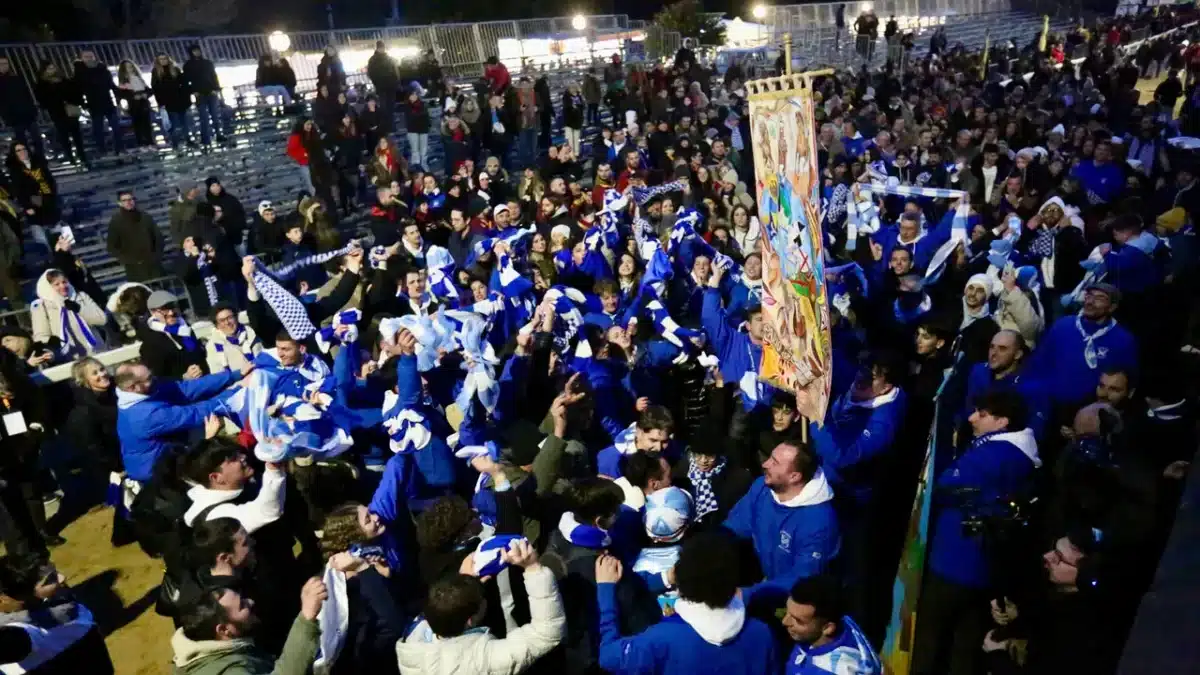
Contrada celebrations: Music, flags, colours and community gatherings create a festival atmosphere throughout the village.
The official race description states that the competition normally consists of four races in total, with three horses participating in each race.
Horses, riders & competitors
The Palio involves seven Contrade:
- Ascensione
- La Croce
- Pievania
- San Francesco
- San Michele
- San Nicolao
- San Rocco
Each Contrada selects and prepares a horse and jockey for the competition. The official website maintains individual Contrada records showing previous winning horses, jockeys and representatives.
The most recent edition was won by Pievania with jockey Alessandro Fiori riding Selvaggio da Clodia. The official archive lists Pievania’s victory among its historical Palio wins.
The 2027 horses, jockeys and final combinations should be confirmed by the organisers closer to the event.
Race/event schedule
The exact 2027 timetable has not yet been published, but the traditional programme follows a recognisable sequence.
Festival preparations: Contrade organise religious services, dinners and other community activities leading up to the race.
Horse inspections: Registered horses undergo veterinary checks before the competition.
Jockey presentation: The jockeys and Mossiere are formally introduced to the public.
Historical parade: The seven Contrade move through Buti in costume, accompanied by their horses and jockeys.
Horse blessing: The horses are blessed at the church before the main race.
Qualifying races: The participating horses compete in the preliminary heats.
Final: The winners of the qualifying stages meet in the decisive race.
Winner celebration: The winning Contrada celebrates with its jockey, horse and supporters.
This sequence follows the official description of the traditional Palio programme.
Ticket types
2027 ticket information has not yet been announced.
The official website confirms that the race is watched from dedicated spectator areas, including three seated grandstands, but a current official ticket price list was not available in the published material reviewed.
General festival activities: Access arrangements vary by individual activity.
Race viewing: Spectator areas include dedicated grandstands.
Public celebrations: Many surrounding Contrada, religious and street activities form part of the wider community festival.
No reliable previous-edition official ticket price could be verified, so no unsupported dollar amount is provided.
VIP & hospitality options
The official Palio di Buti website does not currently publish a dedicated VIP or hospitality package for the 2027 edition.
The festival’s traditional hospitality is closely connected with the Contrade, where communal dinners, food events and celebrations take place throughout the Palio period.
Visitors interested in hospitality arrangements should contact the Palio organisation directly for information about any reserved seating, hospitality areas or special packages that may be introduced for the 2027 edition.
Exhibitors & animal-related activities
The Palio is primarily a horse-racing and cultural festival rather than a conventional exhibition.
Horse preparation: Horses undergo veterinary inspections before participating in the race.
Horse blessing: The blessing of the horses is one of the festival’s central religious traditions.
Equestrian tradition: The event maintains a strong connection with Buti’s historical horse culture and the role of animals in the traditional Sant’Antonio Abate celebrations.
Contrada activities: The seven Contrade organise community events, dinners and other activities connected with the festival.
The organisers explain that the historical festival developed from older traditions involving the blessing of animals and horses associated with Sant’Antonio Abate.
Event rules & dress code
Visitors should follow all instructions from the organisers, race officials, security personnel and venue staff.
Race safety: Spectators must remain behind designated barriers and should never enter the racecourse.
Horse safety: Visitors should not approach or touch participating horses unless specifically permitted by organisers.
Restricted areas: Access to the paddock, veterinary inspection areas, starting area and racecourse may be limited to authorised personnel.
Photography: Visitors should avoid using equipment or positions that interfere with horses, jockeys or race officials.
Dress code: There is no general formal dress code for spectators. Comfortable clothing and footwear are recommended because some viewing areas and central streets can become crowded.
Contrada colours: Visitors are welcome to experience the strong Contrada identity, but should respect local traditions and the supporters of each district.
How to get there
Buti is a small town in the province of Pisa in Tuscany.
By car: Buti can be reached by road from Pisa, Lucca and other towns in the Pisan and Valdera areas.
From Pisa: Visitors can travel by road towards Buti through the local road network connecting the town with the surrounding communities.
By train: Visitors arriving by train can use Pisa-area rail connections and continue to Buti by local or regional road transport.
By air: Pisa International Airport is the nearest major airport for international visitors.
Because the Palio takes place within the town and includes processions and road racing, visitors should expect increased pedestrian activity and possible traffic restrictions around the central areas.
Public transport & parking
Visitors travelling by public transport can use regional connections serving the wider Pisa and Valdera area before continuing to Buti.
Bus connections: Regional and local bus services can provide connections between Buti and nearby towns, although services should be checked before travelling because festival traffic arrangements may affect routes.
Parking: Visitors arriving by car should use authorised parking areas and follow temporary signs provided during the festival.
Road restrictions: Streets used for the race and historical procession may be temporarily closed or restricted.
Walking: Once in central Buti, walking is the most practical way to move between many festival activities.
Accommodation areas
Buti: Staying directly in Buti provides the easiest access to the racecourse, Contrada activities, religious ceremonies and local celebrations.
Vicopisano: This nearby historic town provides another accommodation option for visitors exploring the area.
Pontedera: A larger nearby town offering additional accommodation and transport options.
Pisa: Visitors looking for a wider choice of hotels can stay in Pisa and travel to Buti for the festival.
Lucca: Lucca is another practical base for visitors combining the Palio with a wider Tuscany trip.
Food & drink
Food is an important part of the Palio di Buti tradition, particularly through the dinners organised by the Contrade.
Trippa: Tripe is one of the festival’s most traditional dishes and is strongly associated with the Palio and Sant’Antonio Abate celebrations.
Contrada dinners: Each Contrada traditionally hosts a communal meal featuring its own specialties.
Traditional Tuscan food: Visitors can also find local dishes based on seasonal ingredients, bread, vegetables, meat and regional products.
Wine: Wine is traditionally part of the communal celebrations surrounding the Palio.
The official history of the event specifically identifies trippa as an important traditional dish and describes it as a food associated with the celebrations of the Palio.
Accessibility
The Palio takes place across public streets, historic areas and an outdoor racecourse, so accessibility can vary between locations.
Visitors with reduced mobility should consider uneven historic surfaces, crowds, temporary barriers and the large number of spectators gathered along the race route.
The organisers have developed the event’s safety and management procedures over time in response to regulations concerning both people and animals.
Visitors requiring specific accessibility assistance should contact the organisers before attending.
Official contact: info@paliodibuti.eu
Certified email: paliodibuti@pec.it
Address: Piazza Jacopo Danielli 1, 56032 Buti, Pisa, Italy.
Best races & events to attend
Main Palio race: The central sporting event, featuring the qualifying races and final.
Historical parade: One of the most visually distinctive parts of the festival, with the seven Contrade presenting their horses, jockeys and historical scenes.
Horse blessing: A traditional religious ceremony connecting the modern race with the older Sant’Antonio Abate celebrations.
Jockey presentation: A useful opportunity to see the participating riders and the Mossiere before the competition.
Contrada dinners: A strong way to experience the community and culinary traditions surrounding the Palio.
Veterinary inspections: These provide an insight into the preparation and checks carried out before the horses participate.
Winner celebrations: The conclusion of the race brings the winning Contrada, horse and jockey together in a major community celebration.
Previous year’s highlights
The most recent edition was won by Pievania, with Alessandro Fiori riding Selvaggio da Clodia. The official archive records this as another Palio victory for Pievania, bringing its historical total to eight wins.
The latest edition continued the traditional seven-Contrada competition and included the established horse-racing format, historical procession, horse blessing and Contrada celebrations.
The official archive also records San Francesco as having the highest historical number of victories among the active Contrade, followed by La Croce and Pievania. These records form part of the long-running competitive history of the Palio.
The official website has already announced the next edition, confirming that the Palio tradition will continue into 2027.
Official tickets
Official 2027 ticket information has not yet been released.
The official Palio di Buti website should be used for announcements concerning grandstand access, reserved seating and any ticketing arrangements for the main race.
The organisers’ official contact details are:
Email: info@paliodibuti.eu
Certified email: paliodibuti@pec.it
Address: Piazza Jacopo Danielli 1, 56032 Buti, Pisa, Italy.
Official website: https://www.paliodibuti.eu/
Video
Location
FAQ
What is the primary historical significance of the Palio di Buti?
It is recognized as one of the oldest equestrian traditions in Italy, honoring Saint Anthony while celebrating historic neighborhood rivalries. Local organizers meticulously recreate seventeenth-century customs, heraldic displays, and bareback horse races based on verifiable archival documents. It serves as a major cultural landmark preserving the intangible heritage of Tuscany.
How are the local neighborhood contrade involved in the winter event?
The seven historic contrade drive the passionate community spirit through intense bareback racing competitions and artistic preparations. Residents spend months crafting custom heraldic banners, sewing period Renaissance costumes, and training horses for the historic games. Their active involvement ensures the festival remains an authentic expression of local identity.
What can visitors experience during the grand historical costume parades?
Visitors witness hundreds of local residents marching in meticulously researched, hand-stitched Renaissance garments and elaborate nobleman attire. The parade features noble lords, ladies, musicians playing period instruments, and civic authorities arranged in strict social order. It offers a stunning visual recreation of historical pageantry and aesthetic elegance.
Are the district banquets and evening culinary gatherings open to the public?
Pop-up historic taverns and district dining halls open their doors across the town to serve authentic regional dishes and local wines. Menus feature seasonal ingredients, ancient grain breads, wild game, and roasted meats served in communal seating arrangements. These culinary gatherings are fully open to visitors seeking an immersive traditional dining experience.
Where do the main bareback horse race and grand ceremonies take place?
The signature bareback horse races take place within a specially prepared dirt track venue located near the town center. Cultural pageantry, street performances, and religious processions wind through the historic streets and public squares of Buti. This combination of ancient monuments and dedicated racing arenas creates an unforgettable event backdrop.

Leave a Reply